

Concrete picnic table offers a robust and enduring solution for outdoor seating, seamlessly blending strength with versatile aesthetics. Its inherent durability makes it a preferred choice for various environments, from bustling urban parks to serene backyard patios, promising longevity and unwavering performance for years to come.
This comprehensive exploration delves into the fundamental design and material specifications, examining the intricate manufacturing processes, diverse concrete mixes, and essential stability considerations. We will also assess their remarkable longevity, minimal maintenance needs, and profound environmental impact, alongside diverse aesthetic possibilities and seamless integration into any outdoor space, highlighting their multifaceted benefits.
Design and Material Specifications
The creation of durable and aesthetically pleasing concrete picnic tables hinges critically on robust design principles and the meticulous selection of materials. This foundational stage ensures the longevity, stability, and functional utility of outdoor furniture, making it resilient against environmental stressors and consistent heavy use.This section delves into the core aspects of designing and manufacturing concrete picnic tables, exploring the fundamental components, the various concrete mixes and reinforcements utilized, and the essential considerations for stability and ergonomic comfort.
Furthermore, it provides a comparative analysis of different surface finishes and a detailed schematic illustration of a standard table structure.
Fundamental Components and Manufacturing Processes
Concrete picnic tables are typically comprised of several key components designed for structural integrity and ease of assembly. These often include a robust tabletop, two or more integrated or separate benches, and a supporting base structure, which can be either pedestals, legs, or a solid monolithic base. The manufacturing process for these durable pieces generally involves precise molding, controlled casting, and a critical curing phase, followed by various finishing treatments.The process begins with the preparation of high-quality molds, often made from steel, fiberglass, or treated wood, which define the final shape and dimensions of the table components.
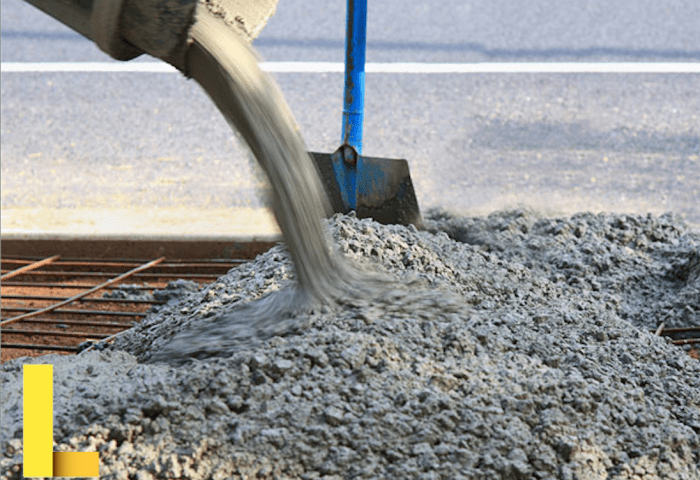
Concrete is then carefully mixed and poured into these molds, ensuring even distribution and compaction to eliminate air voids. Vibration techniques are commonly employed during casting to achieve optimal density and strength. Following casting, the concrete undergoes a crucial curing period, where moisture and temperature are carefully controlled to facilitate the hydration process, allowing the concrete to achieve its designed strength and minimize cracking.
After demolding, the components are often assembled, and surface treatments are applied to enhance aesthetics and protection.
Concrete Mixes and Reinforcements for Outdoor Furniture
The performance and longevity of concrete picnic tables are heavily reliant on the specific concrete mix designs and reinforcement strategies employed. For outdoor furniture applications, mixes are typically engineered for high strength, durability, and resistance to weathering, freeze-thaw cycles, and abrasion.Common concrete mixes include standard high-strength concrete, often incorporating supplementary cementitious materials like fly ash or slag to improve workability, long-term strength, and reduce permeability.
A robust concrete picnic table provides an excellent foundation for any outdoor gathering, offering unparalleled durability. For those seeking comfort during these relaxed occasions, considering practical yet stylish footwear is key; explore the delightful very g picnic slides , perfect for enjoying a park day or backyard BBQ. Ultimately, a quality concrete picnic table ensures countless seasons of dependable use for your recreational space.
Lightweight concrete, utilizing aggregates such as expanded shale or clay, can also be used to reduce the overall weight, making installation and relocation easier, though often at a higher cost. Fiber-reinforced concrete, incorporating synthetic fibers (e.g., polypropylene, basalt) or steel fibers, is increasingly popular for enhancing flexural strength, impact resistance, and minimizing shrinkage cracking.
“The appropriate concrete mix design, coupled with effective reinforcement, is paramount in creating outdoor furniture that withstands environmental stresses and heavy use for decades.”
Reinforcements are critical for managing tensile stresses and improving the structural integrity of concrete elements. Steel rebar (reinforcing bar) is the most common form of reinforcement, providing excellent tensile strength and ductility. Welded wire mesh is frequently used in thinner sections like tabletops and bench seats to distribute stress and control cracking. In some designs, especially for lightweight or highly impact-resistant tables, a combination of rebar and synthetic fibers might be used to achieve superior performance characteristics.
Essential Design Considerations for Stability and Ergonomics
Designing concrete picnic tables requires a careful balance between structural stability, user comfort, and aesthetic appeal. These considerations ensure the table is not only robust but also functional and inviting for its intended users.The following points Artikel key design considerations for achieving optimal stability and ergonomics in concrete picnic table construction:
- Weight Distribution and Footprint: Ensure the table’s weight is evenly distributed across a broad base to prevent tipping. A wider footprint at the base provides greater inherent stability, especially on uneven outdoor terrain.
- Center of Gravity: Design the table with a low center of gravity to enhance stability, making it less prone to accidental overturning. This is often achieved by concentrating mass closer to the ground.
- Anchorage Options: Incorporate provisions for anchoring the table to the ground, particularly in public spaces or high-wind areas. This might include pre-drilled holes for bolts or integrated anchor points in the base design.
- Tabletop Height: Standard tabletop height should be approximately 28-30 inches (71-76 cm) from the ground, allowing comfortable seating for most adults.
- Bench Height and Depth: Benches should be positioned at a comfortable height, typically 16-18 inches (41-46 cm) from the ground, with a depth of 12-14 inches (30-36 cm) to provide adequate support for seating.
- Legroom and Clearance: Ensure sufficient clearance between the bench and the tabletop (typically 10-12 inches or 25-30 cm) to allow users to sit and move comfortably without obstruction.
- Edge Treatment: Table and bench edges should be rounded or chamfered to prevent sharp corners, enhancing safety and comfort for users.
- Material Thickness and Strength: Adequate material thickness for tabletops, benches, and supports is crucial to prevent cracking and ensure durability under load, typically ranging from 2-4 inches (5-10 cm) depending on span and reinforcement.
Comparison of Surface Finishes for Concrete Tables
The surface finish of a concrete picnic table significantly influences its aesthetic appeal, durability, and the level of maintenance required. Choosing the right finish is essential for aligning the table with its environment and expected use.The following table compares common surface finishes applied to concrete tables, highlighting their characteristics across key attributes:
| Finish Type | Aesthetic Appeal | Durability | Maintenance Effort |
|---|---|---|---|
| Polished | Smooth, reflective, modern look; reveals aggregate colors beautifully. Can be honed to various sheen levels. | Highly durable and resistant to abrasion and staining (when properly sealed). Excellent longevity. | Low to moderate. Requires periodic cleaning and resealing (every 1-5 years depending on traffic and sealant). |
| Exposed Aggregate | Textured, natural, rugged appearance; showcases the natural beauty of the aggregates (e.g., pebbles, crushed stone). | Extremely durable and slip-resistant. Excellent resistance to wear and weathering. | Low. Requires routine cleaning. Sealing helps prevent staining and enhance color, but is not always strictly necessary for durability. |
| Acid-Etched | Mottled, variegated, and translucent color effects; creates a unique, often rustic or antique appearance by reacting with minerals in the concrete. | Durable, as it penetrates the surface. Resistant to fading, but can be susceptible to surface wear over time if not properly sealed. | Moderate. Requires regular cleaning and periodic resealing to protect the etched surface and maintain color vibrancy. |
Detailed Schematic of a Standard Concrete Picnic Table
A typical standard concrete picnic table, designed for public parks or residential backyards, generally features a rectangular tabletop and two integrated or freestanding benches. The overall length of such a table often spans approximately 72 inches (183 cm), accommodating six to eight individuals comfortably. The tabletop itself is typically 30 inches (76 cm) wide and boasts a material thickness of around 3 inches (7.6 cm), providing substantial strength and mass.
The table stands at a standard height of 30 inches (76 cm) from the ground to the top surface.Supporting this robust tabletop are two sturdy pedestal-style legs or a monolithic base, positioned centrally or near the ends, often tapering slightly from a wider base for enhanced stability. These supports are generally about 4-6 inches (10-15 cm) thick. Integrated into or attached to the main structure are two benches, each typically 72 inches (183 cm) long and 12-14 inches (30-36 cm) deep, with a comfortable seating height of 18 inches (46 cm) from the ground.
The bench slabs also maintain a material thickness of approximately 2.5-3 inches (6.4-7.6 cm).Key structural points include the reinforced connections between the tabletop and its supports, often achieved with embedded steel plates or dowels, ensuring a monolithic feel and preventing separation. The benches, whether integrated or separate, are designed to distribute weight evenly, with their own internal reinforcement (e.g., welded wire mesh) to prevent cracking under dynamic loads.
The edges of all components are typically chamfered or rounded to enhance safety and prevent chipping. The entire structure relies on its substantial weight and broad base for inherent stability, often with provisions for surface anchoring if required for specific installations.
A robust concrete picnic table provides a reliable anchor for outdoor enjoyment. Utilizing such a durable fixture for personal downtime truly supports recreational self care , offering a stable spot to relax, read, or simply observe nature. These enduring tables thus become integral to fostering a serene environment, enhancing any park or backyard.
Aesthetics and Integration in Outdoor Spaces: Concrete Picnic Table
Beyond their inherent durability and functionality, concrete picnic tables offer a remarkable canvas for aesthetic expression and seamless integration into diverse outdoor environments. Their robust nature does not preclude sophistication or design flexibility; rather, it provides a stable foundation upon which various visual styles and practical applications can be built, transforming utilitarian objects into integral components of a cohesive landscape design.
Thoughtful design ensures these tables enhance the visual appeal and usability of any public or private outdoor area.
Diverse Aesthetic Styles for Concrete Picnic Tables
Concrete picnic tables can be crafted to embody a wide array of aesthetic styles, allowing them to complement virtually any design theme. The inherent versatility of concrete, coupled with modern finishing techniques, enables designers to achieve looks ranging from stark modernity to organic naturalism.
- Minimalist: Characterized by clean lines, sharp angles, and smooth, unadorned surfaces, often in shades of grey or white. This style emphasizes simplicity and functionality, aligning with contemporary architectural trends that prioritize understated elegance and uncluttered spaces.
- Contemporary: Incorporates geometric forms, often with integrated seating or unique sculptural elements. Finishes might include polished concrete or subtle aggregate exposure, creating a sleek and sophisticated look suitable for modern urban settings or upscale residential patios.
- Rustic: Achieved through the use of exposed aggregates, rougher textures, and natural, earthy tones. This style often mimics the look of natural stone or aged wood, blending harmoniously with natural landscapes, garden settings, or park environments that seek a more organic feel.
- Industrial: Celebrates the raw beauty of concrete, often featuring visible formwork marks, steel reinforcements, or a deliberately unfinished appearance. This style is popular in urban regeneration projects, loft-style outdoor areas, or spaces aiming for a rugged, utilitarian aesthetic.
- Classic/Traditional: While less common, concrete can be cast into more traditional shapes, sometimes with decorative moldings or pedestal bases, to evoke a sense of timelessness. This style often uses warmer, subdued color tones to blend with established garden designs or historical settings.
Seamless Integration into Various Outdoor Environments
The adaptability of concrete picnic tables allows them to be seamlessly integrated into a multitude of outdoor settings, each benefiting from their durability and design flexibility. Their presence can define a space, provide essential amenities, and enhance the overall user experience.
- Urban Parks: In bustling urban parks, concrete tables serve as essential gathering points, offering resilient seating for picnickers, chess players, or casual meetings. Their robust construction withstands heavy public use and environmental exposure, while sleek, vandal-resistant designs can complement modern park architecture, such as those found in Millennium Park, Chicago, or numerous European city plazas.
- Residential Patios: For private homes, concrete tables can be custom-designed to match existing architectural styles or garden themes. Smaller, often polished or colored tables, might serve as elegant dining areas, blending with high-end landscaping and providing a durable, low-maintenance alternative to traditional patio furniture.
- Schoolyards and University Campuses: Concrete tables provide extremely durable and long-lasting seating solutions for students. They resist wear and tear from daily use, extreme weather, and even vandalism. Often, these tables are designed with integrated seating and can be customized with school colors or mascots, creating inviting and robust outdoor learning or social areas.
- Commercial Outdoor Dining: Restaurants and cafes with outdoor seating often utilize concrete tables for their stability, ease of cleaning, and ability to withstand commercial use. Their substantial weight makes them ideal for high-traffic areas where furniture might otherwise be easily moved or damaged.
Customization Options for Concrete Picnic Tables
One of the most compelling aspects of concrete picnic tables is the extensive range of customization options available, allowing designers to tailor each piece to specific aesthetic and functional requirements. These options transform a standard table into a unique design statement.
- Color Pigmentation: Integral color pigments, typically iron oxides, can be mixed into the concrete during batching to achieve a vast spectrum of colors. From subtle earth tones and pastels to vibrant blues, greens, or terracotta hues, color pigmentation allows the table to either blend harmoniously with its surroundings or stand out as a bold focal point. For instance, a terracotta-colored table can perfectly complement a Mediterranean-themed garden, while a deep charcoal grey might enhance an industrial-chic setting.
- Embedded Elements: Various materials can be embedded into the concrete surface to create unique visual and textural effects.
- Aggregate Exposure: Polishing or sandblasting the surface can expose decorative aggregates such as river stones, crushed glass, granite chips, or even seashells, providing a natural sparkle or textural interest. This technique can mimic terrazzo or natural stone.
- Metal Inlays: Brass, copper, or stainless steel strips can be cast into the table surface to create geometric patterns, logos, or decorative accents, adding a touch of sophistication and contrast.
- Mosaic Patterns: Tiles, glass, or other small decorative elements can be arranged and embedded into the wet concrete to form intricate mosaic designs, adding artistic flair and personalization.
- Unique Textural Patterns: The surface texture of concrete can be manipulated in numerous ways to achieve distinct tactile and visual qualities.
- Formliners: These textured molds can impart patterns like wood grain, brick, natural stone, or custom geometric designs onto the concrete surface during casting, creating the illusion of other materials.
- Sandblasting and Acid Etching: These processes can create a matte, non-slip finish or reveal fine aggregates, offering a more refined or weathered appearance.
- Polishing: Grinding and polishing the concrete surface results in a smooth, often reflective finish, akin to natural stone, enhancing its contemporary appeal and making it easier to clean.
- Stamped Concrete: While more common for paving, stamping tools can be used on table surfaces to create patterns like flagstone, slate, or cobblestone.
A Contemporary Concrete Picnic Table in a Bustling Public Square
Imagine a vibrant public square, a nexus of urban life, where the rhythm of footsteps, laughter, and conversation fills the air. At its heart stands a magnificent contemporary concrete picnic table, a true focal point that effortlessly commands attention. This isn’t just a table; it’s a sculptural anchor, a testament to modern design and communal gathering. Its surface, a smooth, cool grey, has been meticulously polished to a subtle sheen, reflecting the shifting patterns of clouds and the dynamic city lights after dusk.
The table is elongated and sleek, featuring integrated benches that flow seamlessly from its base, creating an inviting, uninterrupted form. Its minimalist aesthetic, characterized by crisp lines and a substantial yet elegant presence, complements the surrounding glass and steel architecture of the square. During the day, it serves as a bustling hub where office workers share lunch, students collaborate on projects, and families enjoy an impromptu snack.
Children climb playfully on its robust edges, while artists sketch its striking form. As evening descends, the table transforms, bathed in the soft glow of integrated ground lighting, becoming a relaxed meeting spot for friends enjoying a quiet evening or street performers drawing a crowd. It withstands the elements with stoic grace, a resilient piece of urban furniture that is both beautiful and intensely functional, a silent witness to countless moments of human connection in the city’s lively pulse.
Concrete picnic tables provide incredibly durable and practical seating, perfect for high-traffic outdoor environments. These resilient fixtures would certainly complement the communal spaces at a vibrant facility such as the mountlake terrace recreation center , offering accessible spots for visitors to relax. Such robust concrete picnic tables are essential for fostering inviting and long-lasting public gathering areas.
“Concrete, when crafted with intention, transcends its utilitarian origins to become a powerful medium for sculptural expression and functional artistry in the public realm.”
Combining Concrete Tables with Other Landscaping Elements
To create truly cohesive and inviting outdoor designs, concrete picnic tables should be considered as part of a larger landscaping scheme, thoughtfully combined with other elements. This holistic approach enhances both aesthetics and functionality, forming integrated outdoor rooms.
- Planters: Integrating concrete planters, either directly into the table’s design (e.g., at the ends of benches) or as standalone elements placed nearby, helps soften the hardscape. Using planters made from the same concrete mix or with complementary finishes ensures visual continuity. These can host seasonal flowers, small trees, or aromatic herbs, adding natural beauty and sensory appeal.
- Benches and Seating: Complementary concrete benches, whether freestanding or forming part of a larger modular seating system, can extend the functionality of the picnic area. Designing benches with similar finishes, colors, or textures as the table creates a unified aesthetic, encouraging varied seating arrangements and larger group gatherings.
- Paving Materials: The choice of paving around a concrete picnic table significantly influences the overall look and feel of the space.
- Matching Concrete Pavers: Using concrete pavers with a similar color or finish creates a seamless transition and a unified hardscape.
- Contrasting Materials: Natural stone, brick, or permeable pavers can be used to define the table area, adding visual interest and breaking up large expanses of concrete. For example, a polished concrete table might be set on a base of rustic cobblestones to create a dynamic contrast.
- Lighting: Strategic lighting enhances the usability and ambiance of the picnic area, extending its functionality into the evening. Integrated LED strips under table edges, uplighting from nearby planters, or overhead string lights can highlight the table’s design and create an inviting atmosphere.
- Shade Structures: Pergolas, awnings, or large umbrellas provide essential comfort during sunny or lightly rainy conditions. Their supports can be integrated directly into the concrete table’s base or into surrounding concrete paving, ensuring stability and a clean design. Using materials for the shade structure that complement the table’s style (e.g., steel for industrial, wood for rustic) further unifies the design.
- Water Features: Nearby concrete water features, such as bird baths or small fountains, can introduce soothing sounds and visual interest, creating a more tranquil and engaging outdoor experience.
Final Conclusion
Ultimately, the concrete picnic table stands as a testament to practical design and enduring utility. From its robust construction and minimal upkeep to its adaptable aesthetics and positive environmental footprint, it offers an unparalleled blend of function and form. Embracing these tables means investing in lasting outdoor comfort and style, ensuring countless gatherings and memories are forged around a truly resilient centerpiece that enhances any environment.
Query Resolution
How heavy are concrete picnic tables?
They are quite heavy, typically ranging from 500 to over 1500 pounds, depending on size and design, which often requires special equipment for initial placement or relocation.
Are concrete picnic tables comfortable to sit on?
While concrete itself is rigid, their ergonomic design often includes appropriate heights and smooth finishes for comfort. Adding cushions can further enhance seating experience for extended periods.
Can I paint or stain my existing concrete picnic table?
Yes, concrete tables can be painted or stained using specialized concrete paints or acid stains to refresh their appearance, match new aesthetics, or cover minor imperfections effectively.
Are they safe for children?
Yes, their robust and stable nature makes them very safe, as they are unlikely to tip over. However, as with any outdoor furniture, adult supervision is always recommended, especially with young children.
How do I prevent moss or mildew growth on my concrete table?
Regular cleaning with a mild detergent and water, along with periodic application of a protective sealant, can effectively prevent moss and mildew, keeping the table looking pristine.

