

Gravel travel gear serves as the bedrock for any successful multi-day bikepacking adventure, transforming challenging terrains into navigable paths and remote landscapes into accessible havens. This essential equipment not only facilitates movement but also ensures comfort, safety, and self-sufficiency far from civilization.
Our comprehensive guide delves into selecting core equipment, optimizing your loadout for varied conditions, and maintaining your kit on the trail. We explore fundamental gear categories, detailed comparisons of bikepacking bags, and strategic considerations for tires and wheels tailored to diverse gravel terrain, ensuring every aspect of your journey is meticulously planned.
Core Equipment for Gravel Adventures: Gravel Travel Gear

Embarking on multi-day gravel expeditions demands a thoughtful selection of gear to ensure self-sufficiency, safety, and comfort. The right equipment transforms a challenging journey into an unforgettable adventure, allowing riders to tackle diverse terrains and weather conditions with confidence. From navigation tools to essential repair kits, every item plays a crucial role in the overall success and enjoyment of the trip.Understanding the core components of a gravel bikepacking setup is paramount for both novice and experienced adventurers.
This section delves into the fundamental gear categories, explores the strategic use of bikepacking bags, details the optimal loading of a gravel bike, and provides critical insights into selecting appropriate tires and wheels for varied gravel terrain.
Fundamental Gear Categories for Multi-day Expeditions
Successful multi-day gravel expeditions rely on a comprehensive array of gear, carefully chosen to address all potential needs in remote environments. These essential categories cover everything from personal safety and shelter to sustenance and bike maintenance, ensuring riders are prepared for any eventuality.
- Navigation: A reliable GPS device (e.g., Garmin Edge, Wahoo Elemnt) loaded with route maps is indispensable. Supplement this with a physical map and compass, along with the knowledge to use them, as electronic devices can fail or run out of battery. A power bank for recharging electronics is also crucial.
- Shelter: Lightweight and compact shelter options are vital. This includes a bikepacking-specific tent, a bivy sack, or a tarp, chosen based on expected weather and personal preference. A sleeping bag appropriate for the anticipated night temperatures and a comfortable sleeping pad complete the sleep system.
- Hydration: Adequate water storage is non-negotiable. This typically involves multiple water bottles (e.g., 2-3 bottles on the frame) and a hydration reservoir (e.g., a 2-3 liter bladder in a frame bag or backpack) for extended stretches between water sources. A water filter or purification tablets are essential for replenishing from natural sources.
- Nutrition: A mix of high-energy, non-perishable food items such as energy bars, nuts, dried fruit, and instant meals. Carrying enough food for at least 1-2 extra days is a common practice, especially in remote areas where resupply points are scarce.
- Repair and Maintenance: A comprehensive tool kit for on-the-go repairs is critical. This should include tire levers, a patch kit, spare tubes, a tubeless repair kit (if applicable), a multi-tool with chain breaker, spare chain links, zip ties, and duct tape. A small pump or CO2 inflator is also necessary.
- First Aid: A well-stocked first aid kit tailored for outdoor adventures, containing bandages, antiseptic wipes, pain relievers, blister treatment, and any personal medications.
- Lighting: Front and rear lights are essential for visibility and night riding. High-lumen front lights for illuminating the trail and bright rear lights for safety. Spare batteries or a power bank for recharging are recommended.
- Clothing: Layers are key for varying conditions. This includes a waterproof and windproof jacket, insulated layers, moisture-wicking base layers, cycling shorts, gloves, and a warm hat.
Detailed Comparison of Bikepacking Bag Types
Bikepacking bags are specifically designed to distribute gear weight efficiently across the bike, maintaining ride quality and accessibility without the need for traditional racks. Selecting the right combination of bags is crucial for balancing capacity, aerodynamics, and bike handling.
| Bag Type | Typical Capacity | Pros | Cons |
|---|---|---|---|
| Frame Bags | 3-8 liters (half frame) to 10-15 liters (full frame) | Low center of gravity improves bike handling; protects contents from elements; easily accessible while riding; ideal for dense, heavy items like water, tools, food. | Can interfere with water bottle cages on smaller frames; limited by frame size and shape; can make internal access to some items tricky without stopping. |
| Saddle Bags (Seat Packs) | 5-18 liters | High capacity for bulky, lightweight items like sleeping bags, clothing; keeps weight off the back; aerodynamic profile. | Can sway if not packed tightly or overloaded, affecting bike handling; requires careful packing to prevent rubbing on tires; can be harder to access while riding. |
| Handlebar Bags | 5-20 liters (dry bags) or 2-8 liters (accessory bags) | Excellent for bulky, lightweight items (e.g., sleeping pad, tent); balances front-to-back weight distribution; accessory pockets offer quick access to small items. | Can interfere with brake/shifter cables; may block view of front light or GPS; can affect steering if overloaded or packed unevenly; limited by handlebar width. |
| Top Tube Bags | 0.5-2 liters | Extremely quick and easy access to frequently used items (snacks, phone, wallet); keeps weight centered and low. | Limited capacity; can interfere with standing pedaling if too wide; may rub on knees for some riders. |
Visualizing a Fully Loaded Gravel Bike for Balanced Ergonomics
Imagine a gravel bike, poised for adventure, its frame adorned with a carefully considered array of bikepacking bags and accessories, all contributing to a balanced and ergonomic setup. The core of the load distribution begins with a full-frame bag, snugly fitted within the main triangle, holding the densest items: a hydration reservoir, a comprehensive tool roll, and several days’ worth of compact, calorie-dense food.
Equipping yourself with versatile gravel travel gear truly enhances any off-road journey. Consider how a robust, packable stove and a comfortable chair could transform a stop, perhaps near the historic pilot rock picnic table , into a delightful roadside meal. Optimal gear selection, therefore, directly contributes to the overall enjoyment and practicality of your entire gravel adventure.
This central placement ensures a low center of gravity, maintaining the bike’s nimble handling characteristics even with a substantial load.Beneath the saddle, a large seat pack extends rearward, its contents compressed tightly to minimize sway. This bag typically houses bulky yet lightweight items such as a sleeping bag, a bivy sack, and a change of clothes. Its streamlined shape integrates with the bike’s silhouette, reducing aerodynamic drag.
Attached to the handlebars, a large dry bag, secured by a harness, holds a lightweight tent or sleeping pad, balancing the weight carried in the seat pack. Small accessory pockets or a “feed bag” might flank the handlebar setup, offering immediate access to snacks, a phone, or a camera.Along the top tube, a compact bag provides quick access to essentials like a multi-tool, energy gels, or a headlamp.
Water bottles are strategically placed on the fork blades via cargo cages, utilizing otherwise unused space and further distributing weight. A small repair kit or spare tube might be tucked into a downtube strap, keeping it out of the way. Every item’s position is chosen to ensure it doesn’t impede pedaling, steering, or access to other vital components, creating a cohesive and highly functional mobile basecamp ready to tackle any gravel path.
Key Considerations for Gravel Tires and Wheels
The choice of tires and wheels is arguably one of the most critical decisions for a gravel bike, directly impacting ride comfort, traction, speed, and durability across varied terrain. Optimizing this setup ensures confidence and performance on everything from smooth dirt roads to technical singletrack.When selecting tires, the primary considerations revolve around tread patterns, width, and the benefits of a tubeless setup.
Tread patterns are crucial for grip:
Slick or lightly treaded tires (e.g., Panaracer GravelKing Slick, WTB Byway) excel on smoother gravel and pavement, offering lower rolling resistance and higher speeds.Moderately knobbed tires (e.g., Maxxis Rambler, Schwalbe G-One Allround) provide a versatile balance, performing well on mixed surfaces, offering good cornering grip without excessive drag.Aggressively knobbed tires (e.g., Teravail Rutland, WTB Sendero) are designed for technical gravel, mud, and loose conditions, providing maximum traction and control at the expense of some rolling efficiency on hardpack.
Tire width significantly influences ride quality and capability. Wider tires (e.g., 40mm to 50mm) offer increased air volume, which translates to greater comfort, enhanced traction, and improved stability, especially when running lower pressures on rough terrain. They also provide a larger contact patch, distributing the rider’s weight more effectively and reducing the risk of pinch flats. However, frame and fork clearance are limiting factors, and excessively wide tires can feel sluggish on pavement.
A common width for diverse gravel riding is often between 38mm and 45mm.The tubeless setup has become the de facto standard for serious gravel riding due to its numerous advantages. Eliminating inner tubes significantly reduces the risk of pinch flats and allows riders to run lower tire pressures for improved comfort and grip without fear of snakebites. The sealant inside the tire automatically repairs most small punctures, providing a crucial layer of self-sufficiency on remote rides.
While the initial setup can be slightly more involved, the benefits in terms of reliability and ride quality are substantial, making it a worthwhile investment for any gravel adventurer.Regarding wheels, durability and weight are key factors. Strong, wide rims (typically 21-25mm internal width) are preferred to adequately support wider gravel tires and withstand the impacts of rough terrain. Aluminum wheels offer a good balance of durability and cost, while carbon wheels provide weight savings and often better vibration damping, albeit at a higher price point.
The spoke count and lacing pattern also contribute to wheel strength, with higher spoke counts generally indicating a more robust wheel suitable for loaded bikepacking.
Optimizing Your Loadout for Comfort and Performance

Achieving an optimal loadout for gravel travel extends beyond simply acquiring the right gear; it involves a thoughtful approach to how that equipment is packed, organized, and accessed. A well-considered packing strategy ensures not only comfort and stability on varied terrain but also enhances performance by minimizing unnecessary stops and distractions. This section delves into the practicalities of efficient gear management, from strategic weight distribution to selecting appropriate clothing systems and streamlining access to essentials.
Effective Packing Strategies for Gravel Adventures
Mastering the art of packing is fundamental to a successful gravel tour, directly influencing ride quality and endurance. Strategic placement of items within your bikepacking bags can significantly impact the bike’s handling characteristics and your overall comfort. The goal is to create a balanced, stable ride while keeping frequently needed items readily available.
-
Weight Distribution for Stability: Position heavier items, such as tools, spare parts, cooking fuel, and denser food items, low and centrally within the frame bag. This keeps the bike’s center of gravity low, enhancing stability and handling, especially on technical descents or bumpy gravel. Lighter, bulkier items like sleeping bags, sleeping pads, and spare clothing are best placed in handlebar rolls or saddlebags, ensuring they don’t negatively impact steering or rear wheel clearance.
Distribute weight as evenly as possible between the front and rear of the bike to prevent front-wheel lift or rear-wheel drag, maintaining balanced control.
-
Maximizing Space and Minimizing Bulk: Employ compression sacks for compressible items like sleeping bags, puffy jackets, and extra clothing to reduce their volume significantly. Utilize stuff sacks for smaller, less compressible items, organizing them by category (e.g., electronics, toiletries, first aid). Fill any remaining voids within bags with smaller, flexible items like socks or gloves. Rolling clothes tightly rather than folding can also save space and minimize wrinkles, allowing for more efficient packing in handlebar or saddlebags.
-
Accessibility for Frequently Used Items: Prioritize accessibility for items you’ll need regularly without dismounting or stopping. Top tube bags are ideal for snacks, a phone, wallet, or a small camera. Feed bags (stem bags) attached to the handlebars provide quick access to water bottles, additional snacks, or a GPS device. External pockets on frame bags or handlebar bags can store items like sunscreen, lip balm, or a multi-tool.
Less frequently accessed items, such as sleeping gear, camp clothes, or extensive repair kits, can be stowed in larger, less accessible compartments like the main section of a saddlebag or handlebar roll.
Versatile Clothing System for Diverse Weather Conditions
A well-planned clothing system is crucial for comfort and safety during gravel travel, where weather can change rapidly. The key is layering, allowing for adaptable protection against varying temperatures, wind, and precipitation. The following table Artikels a versatile system designed to cover a range of conditions, ensuring you remain comfortable from cool mornings to warm afternoons and unexpected rain showers.
| Layer Type | Purpose | Material Recommendations | Key Features |
|---|---|---|---|
| Base Layer (Next-to-Skin) | Manages moisture, wicks sweat away, provides initial insulation or cooling. | Merino wool (150-200 gsm), synthetic blends (polyester, nylon). | Quick-drying, odor-resistant (merino), breathable, flatlock seams to prevent chafing, lightweight. |
| Mid Layer (Insulation) | Provides warmth, retains body heat, adaptable for varying temperatures. | Lightweight fleece (polyester), synthetic insulation (e.g., PrimaLoft), thin merino wool sweater. | Packable, good warmth-to-weight ratio, breathable, often features a half-zip for ventilation. |
| Outer Layer (Shell/Protection) | Shields against wind, rain, and road spray, provides ultimate weather protection. | Waterproof/breathable fabric (e.g., Gore-Tex Paclite, Pertex Shield), windproof softshell. | Fully seam-sealed (waterproof), durable water repellent (DWR) finish, hood (packable), reflective elements, zippered vents, lightweight and highly packable. |
| Accessories | Enhances comfort and protection for extremities, adaptable for specific conditions. | Wool or synthetic socks, cycling gloves (fingerless/full-finger), neck gaiter (merino/synthetic), arm/leg warmers, waterproof shoe covers. | Moisture-wicking, warmth, grip, sun protection, wind/water resistance, high visibility. |
Effortless Snack Access During Technical Riding
Maintaining energy levels on long gravel rides, especially through challenging sections, is paramount. The strategic placement of nutrition can mean the difference between maintaining momentum and needing to stop. Imagine Sarah, navigating a winding, rocky gravel descent, her focus unwavering on the line ahead. The loose surface demands constant micro-adjustments to her steering and body position. Without breaking her rhythm or taking her eyes off the trail, her right hand instinctively reaches forward, a smooth, practiced motion.
Her fingers brush against the zipper pull of her top tube bag, effortlessly opening it. She retrieves an energy gel, tearing it open with her teeth, and squeezes the contents into her mouth, all while maintaining her speed and control. The bag’s secure attachment and rigid form ensure it doesn’t sway or interfere with her knees, making the quick grab-and-consume action seamless.
This fluid access to immediate fuel allows her to sustain her effort through the technical stretch, preventing any energy dips that could compromise her balance or decision-making, highlighting the crucial role of accessible storage for performance.
Comparison of Portable Cooking Systems for Gravel Tours
Preparing hot meals and beverages on a gravel tour significantly enhances the experience, offering comfort and nutritional benefits. The choice of cooking system depends heavily on factors like fuel availability, weight, packed size, and the desired cooking speed and versatility. Two prevalent options for bikepacking are canister stoves and alcohol stoves, each presenting distinct advantages and disadvantages.
-
Canister Stoves
These stoves typically use a pressurized blend of isobutane and propane in a sealed canister. They are popular for their convenience and efficiency.
-
Advantages: Canister stoves offer quick boil times, often bringing a liter of water to a boil in under 3-5 minutes, depending on the model and conditions. They provide excellent flame control, allowing for simmering as well as rapid boiling, which is beneficial for diverse meal preparation. They are generally compact and easy to set up, requiring minimal priming.
Performance is reliable in various conditions, though extreme cold can affect canister pressure. Fuel is readily available in many outdoor stores.
-
Disadvantages: Empty canisters are non-refillable and must be packed out, contributing to waste. Fuel can be expensive over time, and availability might be limited in very remote regions. Performance can degrade in cold temperatures as the pressure in the canister drops. They tend to be slightly heavier than minimalist alcohol stoves when considering the stove unit itself plus a partial fuel canister.
-
-
Alcohol Stoves
Alcohol stoves operate by burning denatured alcohol, which is typically poured into a small, open-flame burner. They are favored for their simplicity and robustness.
-
Advantages: These stoves are exceptionally lightweight and often have no moving parts, making them highly reliable and less prone to mechanical failure. Denatured alcohol (methylated spirits) is widely available in hardware stores, pharmacies, and even some gas stations globally, making fuel resupply straightforward in many areas. They operate quietly and are very simple to use. The low cost of the stove itself and the fuel can be a significant benefit for budget-conscious adventurers.
When assembling your gravel travel gear, it’s wise to consider multi-functional items. Such versatile equipment can even elevate a planned date picnic , transforming a simple outdoor meal into a comfortable, memorable experience. Ultimately, ensuring your gravel setup includes lightweight, durable essentials means you’re prepared for both rugged trails and spontaneous, charming excursions alike.
-
Disadvantages: Alcohol stoves have significantly slower boil times compared to canister stoves, often taking 8-12 minutes or more for a liter of water. Their heat output is lower, making them less efficient in windy conditions or at higher altitudes, and simmering is challenging or impossible. Fuel consumption can be higher for extended cooking, and carrying sufficient fuel for multi-day trips might negate some of the weight savings of the stove itself.
There is no flame adjustment, and they are less efficient in cold conditions due to the lower energy density of alcohol.
-
Maintaining Your Kit on the Trail

Even the most meticulously chosen gravel travel gear will eventually face the rigors of the trail. Understanding how to perform basic field maintenance and repairs is not just about extending the life of your equipment; it is a critical skill for self-sufficiency and safety, especially when venturing into remote areas. Proactive care and the ability to fix common issues can prevent minor inconveniences from escalating into significant problems, ensuring your adventure continues smoothly.
Basic Field Repairs for Common Gravel Gear
Encountering a flat tire, a torn bag, or a loose component is an inevitable part of gravel travel. Being prepared with the knowledge and tools for immediate field repairs can make all the difference, allowing you to quickly address issues and get back on track without extensive delays.
-
Patching a Tire:
A common roadside mishap, a flat tire can be quickly remedied with a patch kit. Begin by locating the puncture, often by inflating the tube slightly and listening for air or submerging it in water if available. Once found, thoroughly clean and dry the area around the hole with the abrasive pad provided in the kit. Apply a thin, even layer of vulcanizing cement to the cleaned area, extending slightly beyond the hole.
Allow the cement to dry for several minutes until it is tacky to the touch. Peel the backing off the patch, carefully center it over the hole, and press firmly from the center outwards, ensuring no air bubbles are trapped. Hold it in place for a minute or two, then re-inflate the tube to check the seal before reinstalling it.
Ensuring you have the optimal gravel travel gear is crucial for a comfortable and efficient journey, allowing for spontaneous detours. Perhaps you’re even considering a charming stop for a romantic interlude; for some delightful ideas for picnic date , a helpful guide can certainly inspire. Ultimately, versatile and durable gravel travel gear makes such memorable experiences effortlessly achievable on any route.
-
Mending a Torn Bag:
Small tears in bikepacking bags or backpacks can be temporarily repaired to prevent further damage and keep contents secure. For minor rips, a strong, adhesive fabric repair patch (often made from ripstop nylon or similar material) is ideal. Clean the area around the tear, ensuring it is dry and free of dirt. Cut the patch to size, ensuring it overlaps the tear by at least an inch on all sides, rounding the corners to prevent peeling.
Apply the patch firmly, smoothing out any wrinkles. For more significant tears, a needle and heavy-duty thread (like dental floss in a pinch) can be used to sew a basic running stitch to hold the edges together, reinforcing it with a patch if possible once a more permanent repair can be made.
-
Tightening Loose Components:
Vibrations from gravel roads can cause bolts and screws to loosen over time, affecting performance and potentially leading to component failure. Regularly check critical areas such as stem bolts, handlebar clamps, seatpost clamps, crank bolts, and derailleur mounting bolts. Use the appropriate Allen key or Torx bit from your multi-tool to gently tighten any loose fasteners. Avoid over-tightening, as this can strip threads or damage components; aim for a snug fit, and if possible, consult recommended torque specifications for critical parts when back at a workshop.
Maintaining Technical Apparel and Sleeping Systems, Gravel travel gear
The longevity and performance of technical apparel and sleeping systems on extended gravel trips depend significantly on proper care. While a full wash cycle might not be feasible, specific practices can preserve their functionality, especially their waterproofing, breathability, and insulation properties.For technical apparel, particularly items with DWR (Durable Water Repellent) coatings or membrane technologies like Gore-Tex, the primary goal is to keep them clean to prevent dirt and oils from compromising their breathability and water repellency.
During extended trips, spot cleaning with a damp cloth and mild soap (if available and rinseable) can address soiled areas. Airing out garments daily, especially after strenuous activity, helps to mitigate odor buildup and allows moisture to dissipate, which is crucial for maintaining insulation in mid-layers and preventing mildew. Avoid harsh detergents or fabric softeners, as these can strip DWR coatings and clog membranes.
If a jacket’s DWR seems to be failing (water soaking in rather than beading up), a quick tumble dry on low heat or a light application of a spray-on DWR treatment can often reactivate or restore the repellency.Sleeping bags and pads require similar attention to cleanliness and dryness. Upon waking, opening your sleeping bag fully and allowing it to air out for 15-30 minutes, especially if the weather permits, helps evaporate moisture from perspiration.
This prevents the down or synthetic insulation from clumping and losing its loft, which directly impacts warmth. For sleeping pads, wiping down any visible dirt or condensation with a damp cloth is beneficial. Ensure both are completely dry before packing them away for an extended period to prevent mildew and degradation of materials. Storing a sleeping bag loosely in a large mesh sack, rather than compressed, whenever possible, also helps maintain its loft over time.
On-the-Spot Derailleur Adjustment
Imagine a close-up scene on a dusty gravel road, the late afternoon sun casting long shadows. A cyclist kneels beside their bike, the rear wheel spinning slowly as they carefully manipulate a multi-tool. The focus is on the rear derailleur, a compact mechanism of springs and levers, caked with a fine layer of light brown dust. The cyclist holds a silver multi-tool, its various Allen keys and screwdrivers folded neatly into its ergonomic body.
They have selected a small, flat-head screwdriver, which is now precisely inserted into the ‘H’ (High limit) screw on the derailleur body. With a delicate, almost imperceptible turn, they are adjusting the limit screw, ensuring the chain does not jump off the smallest cog when shifting to the highest gear. Their other hand gently pushes the rear derailleur inwards, observing the chain’s alignment with the cog.
The small, incremental turn of the screw results in a subtle shift of the derailleur cage, demonstrating the fine-tuning required to maintain crisp and reliable shifting on challenging terrain.
Compact Toolkit for Remote Gravel Routes
A well-equipped, compact toolkit is an indispensable companion for any gravel adventurer. It provides the means to address the majority of mechanical issues encountered far from the nearest bike shop, ensuring self-reliance and peace of mind.
- Multi-tool with Chain Breaker: A high-quality multi-tool featuring a range of Allen keys (2mm to 8mm), Torx bits (T25), a flat-head screwdriver, a Phillips-head screwdriver, and crucially, an integrated chain breaker. Its purpose is to handle most bolt adjustments, tighten loose components, and repair a broken chain.
- Tire Levers: Two sturdy plastic or composite tire levers are essential for safely removing and reinstalling tires without damaging rims or tubes.
- Patch Kit: A compact vulcanizing patch kit, including patches of various sizes, sandpaper, and rubber cement. Its purpose is to repair punctures in inner tubes.
- Spare Inner Tube: Even with a patch kit, a spare tube is vital for quick changes or when a puncture is too large to patch effectively.
- Mini Pump or CO2 Inflator with Cartridges: A reliable mini pump offers unlimited air, while a CO2 inflator provides rapid inflation. Both are for re-inflating tires after a repair or change.
- Spare Chain Link (Quick Link): A quick link (or master link) matching your chain’s speed (e.g., 10-speed, 11-speed) is crucial for rejoining a broken chain after using the chain breaker.
- Zip Ties and Duct Tape (small roll): These versatile items are invaluable for temporary repairs, securing loose items, or holding components together until a more permanent fix can be made.
- Small Bottle of Chain Lube: Essential for maintaining drivetrain efficiency and reducing wear, especially on dusty or wet rides. A small dropper bottle is sufficient for a few applications.
- Derailleur Hanger: A spare derailleur hanger specific to your bike model is a lifesaver. It is designed to break before your derailleur or frame, and having a spare means a simple swap can get you riding again after a crash or impact.
Final Summary
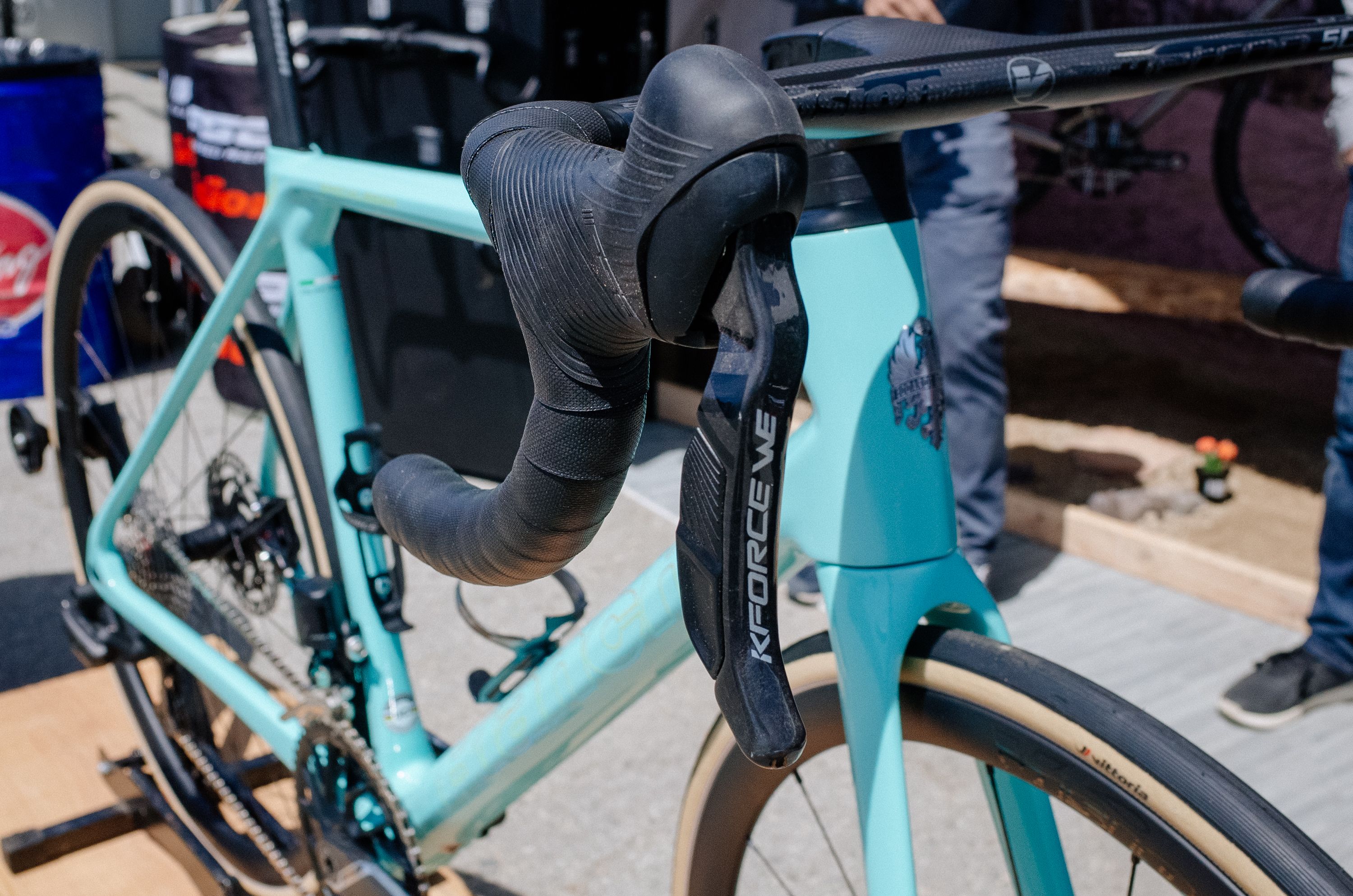
Ultimately, mastering your gravel travel gear setup is paramount to unlocking truly memorable adventures on two wheels. By thoughtfully selecting robust equipment, employing smart packing strategies, and understanding basic trailside maintenance, riders can confidently tackle any route. Embrace the journey, knowing your well-prepared kit will support every pedal stroke across vast, open landscapes and technical trails alike.
Questions and Answers
Is a specific gravel bike necessary for bikepacking?
While a dedicated gravel bike offers optimal performance and numerous mounting points, many riders successfully adapt mountain bikes or touring bikes with appropriate tires and gear for gravel bikepacking.
How do I keep my electronic devices charged on multi-day trips?
Portable power banks, dynamo hubs connected to USB chargers, or even small solar panels are excellent options for recharging phones, GPS units, and lights while on the go.
What are the best practices for personal hygiene during extended gravel tours?
Pack biodegradable soap, a small quick-dry towel, and hand sanitizer. Utilize natural water sources for quick rinses, and carry out all waste, including used wipes, to minimize environmental impact.
How can I ensure I stay visible to others on remote gravel roads?
Wear bright clothing, especially reflective elements, and use high-quality front and rear lights, even during the day, to enhance your visibility to motorists and other trail users.

