

Raleigh Recreation and Parks Your Community Connection stands as a vibrant cornerstone of community life, offering an extensive array of opportunities for engagement, well-being, and connection within the city. It serves as a dynamic force, shaping the daily experiences of residents and visitors alike, from serene natural escapes to lively communal gatherings, fostering a sense of belonging for all.
This comprehensive system invites exploration through its popular greenway trails and diverse sports facilities, encouraging active lifestyles amidst Raleigh’s beautiful natural surroundings. Beyond physical activities, it fosters community spirit with a rich calendar of annual events, engaging recreational classes, and opportunities for environmental stewardship. Moreover, Raleigh Recreation and Parks highlights unique amenities across its prominent parks, preserving historical landmarks and ensuring accessibility for all residents through adaptive programs, truly catering to diverse interests and needs.
Exploring Outdoor Activities and Facilities in Raleigh
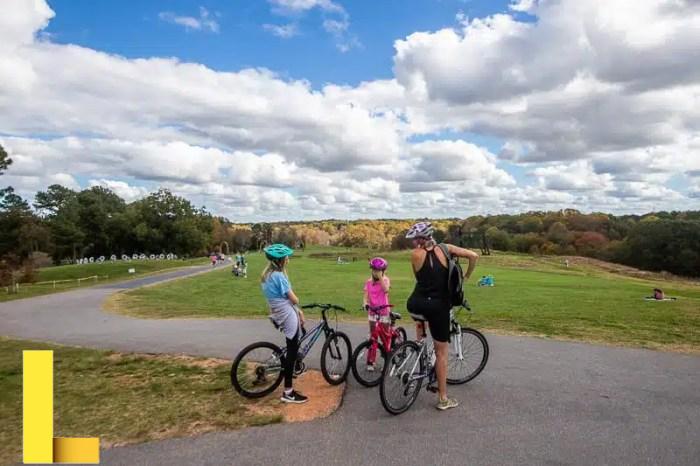
Raleigh, a city celebrated for its commitment to green spaces and active living, offers an extensive array of outdoor activities and state-of-the-art recreational facilities. From serene greenway trails that weave through diverse landscapes to bustling community parks and specialized sports complexes, the city provides abundant opportunities for residents and visitors to connect with nature, engage in physical activity, and foster community spirit.
The Raleigh Parks, Recreation and Cultural Resources Department meticulously maintains these resources, ensuring they cater to a wide spectrum of interests and abilities, thereby enhancing the overall quality of life within the capital city.
Greenway Trails for Active Exploration
Raleigh’s Capital Area Greenway System is a jewel in its recreational crown, boasting over 100 miles of interconnected trails that traverse the city’s natural beauty. These trails are designed for multi-use, accommodating walkers, runners, cyclists, and nature enthusiasts, offering varying lengths and experiences from leisurely strolls to challenging long-distance rides. Each segment provides unique vistas and access to different parts of the city, making them popular choices for daily exercise and weekend adventures.
- Neuse River Greenway Trail: This extensive trail stretches approximately 27.5 miles along the scenic Neuse River, making it one of the longest continuous greenway segments in the state. Primarily used for long-distance cycling, running, and walking, it offers breathtaking views of the river, diverse wildlife, and mature forests. Notable access points include Anderson Point Park, Milburnie Road, and the Clayton River Walk access point at the southern end, connecting Raleigh to Johnston County.
-
Art to Heart Greenway Trail: Connecting the North Carolina Museum of Art (NCMA) to downtown Raleigh, this approximately 6-mile trail offers a unique blend of nature and culture. It is popular for walking, jogging, and cycling, allowing users to experience public art installations near the NCMA and traverse through parts of the expansive Dorothea Dix Park.
Raleigh Recreation and Parks offers an array of inviting green spaces, perfectly suited for a relaxing day outdoors. Should you be planning a delightful romantic outing, you’ll find superb ideas for food for a picnic date to ensure a memorable experience. Our well-maintained parks consistently provide the quintessential setting for cherished community gatherings.
Key access points are available at the NCMA campus and various entry points around Dix Park and downtown.
- Shelley Lake Greenway Trail: Encircling the picturesque Shelley Lake, this 2.5-mile loop is a favorite for local walkers, joggers, and families seeking a tranquil outdoor experience. The paved path is ideal for a moderate stroll or run, offering constant views of the lake and its resident waterfowl. Access is primarily from Shelley Lake Park, which also features playgrounds and picnic areas.
- Lake Johnson Park East Loop Trail: This popular loop around Lake Johnson spans approximately 3.5 miles, featuring both paved and natural surface sections. It’s heavily used for running, walking, and cycling, providing stunning lake views and opportunities for bird watching. Access is convenient from the Lake Johnson Park boathouse and community center.
Comprehensive Sports Facilities Overview
The Raleigh Parks, Recreation and Cultural Resources Department manages a robust network of sports facilities, catering to a wide range of athletic pursuits for all ages and skill levels. These facilities are integral to promoting active lifestyles and hosting various community sports leagues and events throughout the year.
Effective management of public sports facilities ensures equitable access and promotes community well-being through organized recreation and spontaneous play.
The table below provides an overview of key sports facilities, highlighting their primary locations, booking procedures, and any special features that enhance their utility.
| Facility Type | Primary Locations | Booking/Usage Information | Special Features |
|---|---|---|---|
| Tennis Courts | Millbrook Exchange Park, Pullen Park, Method Road Park | Many courts are first-come, first-served. Lighted courts may require reservation via the city’s online portal or contacting the specific community center. Annual passes or hourly fees may apply for premium courts. | Lighted courts for evening play, pro shops at larger complexes, instruction programs available, some locations feature clay courts. |
| Soccer Fields | Optimist Park, Spring Forest Road Park, WRAL Soccer Park (city partnership) | Field rentals for leagues and tournaments are typically managed through the Parks and Recreation Department’s athletic division, requiring advance booking and permit applications. Casual use may be permitted if fields are not reserved. | Full-size natural grass fields, some locations with artificial turf, spectator seating, scoreboards, concession stands at major complexes. |
| Baseball/Softball Fields | Walnut Creek Athletic Complex, Lake Lynn Park, Brier Creek Park | Similar to soccer fields, these require permits for league play, tournaments, and organized practices. Booking is done through the athletic division. | Regulation-sized diamonds, dugouts, bleacher seating, scoreboards, some fields with lighting for night games. |
| Basketball Courts (Outdoor) | Various neighborhood parks (e.g., John Chavis Memorial Park, Lions Park) | Generally available on a first-come, first-served basis for casual play. No formal booking required for individual use. | Paved surfaces, standard hoops, some courts are lighted for evening use. |
| Aquatic Centers (Indoor/Outdoor Pools) | Millbrook Exchange Pool, Pullen Park Aquatic Center, Optimist Park Pool | Public swim hours are posted seasonally. Membership or daily admission fees apply. Lap swimming lanes can often be reserved. | Heated indoor pools, outdoor leisure pools with slides and spray grounds, accessible entry, swim lessons offered. |
A Vibrant Community Park Experience
Imagine a sun-drenched Saturday afternoon at a sprawling Raleigh community park, such as Dorothea Dix Park, transformed into a lively tapestry of urban recreation. The air is filled with the joyous symphony of children’s laughter echoing from the modern, accessible playgrounds, where swings soar high and slides gleam under the sun. Families are scattered across the expansive green lawns, enjoying picnics on checkered blankets, with the scent of barbecue wafting from nearby grills.
A vibrant array of activities unfolds simultaneously: individuals engage in brisk jogs along winding paved paths, cyclists glide by, and groups practice yoga or tai chi under the shade of mature oak trees. Dogs, on leashes, happily accompany their owners, adding to the cheerful atmosphere. The natural surroundings, with meticulously maintained flower beds blooming in a riot of colors and native trees providing ample shade, create a picturesque backdrop for these communal moments.
This dynamic scene perfectly encapsulates Raleigh’s dedication to providing spaces where community thrives, fostering both active lifestyles and tranquil escapes within the city limits.
Nature Preserves and Natural Areas
Raleigh is fortunate to host several nature preserves and natural areas, offering residents and visitors unique opportunities to explore diverse ecosystems and engage in environmental education. These protected spaces are crucial for biodiversity conservation and provide vital green infrastructure within an urban setting.
Raleigh Recreation and Parks consistently enriches community life with its diverse programs and green spaces. It’s always beneficial to see how other cities foster similar initiatives; for instance, exploring the unique approach of barks and recreation memphis offers valuable insights. Raleigh remains committed to enhancing its own comprehensive recreational offerings, ensuring vibrant, accessible public spaces for all residents and their pets.
-
Annie Louise Wilkerson, MD Nature Preserve Park: Located in northern Raleigh, this 157-acre preserve is dedicated to environmental education and passive recreation. It features a variety of habitats, including mature forests, wetlands, and open fields, providing homes for diverse wildlife. Educational programs focus on native plants and animals, offering hands-on learning experiences for all ages through guided walks and interpretive exhibits.
The park emphasizes minimal impact activities to preserve its delicate ecosystems.
-
Hemlock Bluffs Nature Preserve: This unique 140-acre preserve protects a rare relict plant community, including Eastern Hemlock trees, which are typically found in cooler, mountainous regions. The preserve’s steep bluffs and deep ravines create a microclimate that supports these unusual species. Visitors can explore marked trails that wind through the forest, offering glimpses of the geological formations and the unique flora.
Raleigh Recreation and Parks thoughtfully maintains numerous vibrant green spaces for community enjoyment. To enhance these outdoor experiences, they often utilize robust furniture, like a high-quality coated picnic table , ensuring durability and comfort. Such durable amenities are crucial for preserving the welcoming atmosphere across Raleigh’s beloved parks.
Educational signage explains the preserve’s ecological significance and the importance of its preservation.
-
Prairie Ridge Ecostation (NC Museum of Natural Sciences): While technically an outpost of the NC Museum of Natural Sciences, Prairie Ridge Ecostation functions as an accessible natural area focusing on native North Carolina ecosystems. This 45-acre site features restored prairie, forests, and wetlands, serving as a living classroom. It offers extensive educational programs, research opportunities, and self-guided trails that allow visitors to observe native wildlife and learn about habitat restoration efforts.
It’s a prime example of how urban areas can integrate significant natural resource education.
Engaging with Community Programs and Events

Raleigh’s Recreation and Parks Department is a cornerstone for community engagement, offering a diverse array of programs and events designed to enrich the lives of its residents. These initiatives foster a strong sense of community, promote healthy lifestyles, and provide opportunities for learning and enjoyment across all age groups. From vibrant annual festivals that draw thousands to intimate workshops focused on skill-building, the department ensures there is always something happening to bring people together.The department’s commitment extends beyond simply providing spaces; it actively curates experiences that reflect the varied interests and needs of Raleigh’s dynamic population.
This includes everything from large-scale public celebrations to smaller, more focused educational programs that empower individuals to connect with their environment and each other.
Recurring Annual Events and Festivals
Raleigh’s Recreation and Parks Department hosts a variety of beloved annual events and festivals that have become staples in the community calendar. These gatherings celebrate local culture, nature, and community spirit, attracting residents and visitors alike. Each event is carefully planned to offer unique attractions and cater to specific demographics, ensuring broad appeal throughout the year.
- Artsplosure – The Raleigh Arts Festival: Typically held in May, this downtown festival transforms the city into an open-air art gallery and performance venue. Main attractions include over 170 juried visual artists, live music performances across multiple stages featuring national and local talent, and interactive art installations. It targets a broad demographic, including art enthusiasts, families, and anyone interested in cultural experiences.
- Independence Day Celebration at Dix Park: Occurring annually on July 4th, this event is Raleigh’s premier fireworks display and patriotic gathering. Attendees enjoy live music, food trucks, and family-friendly activities leading up to a spectacular fireworks show over the city skyline. It primarily targets families, friends, and individuals looking for a festive way to celebrate the national holiday.
- Raleigh Christmas Parade: Held annually in mid-November, this iconic parade marks the unofficial start of the holiday season in downtown Raleigh. It features marching bands, elaborate floats, giant balloons, and Santa Claus himself. The main attraction is the festive procession that delights spectators of all ages. This event is a major draw for families with young children, local school groups, and anyone embracing the holiday spirit.
- Winter Wonderland at Fred Fletcher Park: Typically taking place in early December, this event brings festive cheer with holiday lights, seasonal crafts, storytelling, and opportunities for children to meet Santa. The main attractions are the enchanting decorations and family-oriented activities in a park setting. It specifically targets families with young children and those seeking a cozy, festive experience.
- Longleaf Festival: An environmental education festival usually held in October at various park locations, often William B. Umstead State Park or Hemlock Bluffs Nature Preserve. It focuses on the importance of North Carolina’s longleaf pine ecosystem through guided hikes, educational booths, and interactive exhibits. The target demographic includes nature enthusiasts, environmental advocates, and families interested in learning about local ecology.
Enrolling in Recreational Classes and Workshops
Raleigh’s Recreation and Parks Department provides an extensive catalog of recreational classes and workshops, offering opportunities for skill development, fitness, and creative expression. These programs range from art and crafting to various fitness disciplines and essential outdoor skills, catering to diverse interests and age groups. Enrolling in these programs is a straightforward process, designed for easy access for all residents.
| Program Category | Registration Steps | Typical Schedule | Required Materials/Fees |
|---|---|---|---|
| Art & Craft Programs (e.g., pottery, painting, jewelry making) | 1. Browse the online activity guide on the Raleigh Parks website. 2. Select desired class and check availability. 3. Create or log into a Raleigh Parks account. 4. Complete the online registration form and submit payment. |
Weekly sessions (e.g., 6-8 weeks) during evenings or weekends. Seasonal camps for youth during summer and school breaks. | Program fees vary by class duration and materials included (e.g., $75-$200). Some classes may require participants to bring specific personal art supplies. |
| Fitness & Wellness Programs (e.g., yoga, Zumba, strength training) | 1. Review the fitness section of the activity guide for class descriptions and schedules. 2. Choose a suitable class based on fitness level and interest. 3. Register online through the Raleigh Parks portal, ensuring all health waivers are acknowledged. 4. Confirm registration via email. |
Drop-in classes offered daily at various community centers. Session-based programs (e.g., 4-12 weeks) during mornings, afternoons, and evenings. | Per-class drop-in fees (e.g., $5-$10) or session-based fees (e.g., $40-$150). Participants typically bring their own water bottle and towel; some classes may suggest specific athletic footwear. |
| Outdoor Skills & Nature Education (e.g., hiking, kayaking, bird watching) | 1. Explore the nature programs section for outdoor adventures and workshops. 2. Select a program that aligns with desired skill level and interest. 3. Register online or in person at a designated nature center. 4. Attend a pre-program orientation if required for more advanced courses. |
Varies widely; single-day workshops on weekends, multi-day excursions, or weekly nature walks. Seasonal offerings are common, especially in spring and fall. | Program fees vary (e.g., $25-$100), often covering equipment rental (e.g., kayaks, binoculars). Participants are usually required to bring appropriate outdoor attire, water, and snacks. |
Summer Concerts in the Park
A quintessential Raleigh summer experience involves attending one of the many free concerts hosted in the city’s beautiful parks. As the sun begins to set, the air fills with anticipation, drawing families, couples, and friends to gather on blankets and lawn chairs. The music, often featuring local bands covering popular hits or performing original genres from jazz to bluegrass, resonates through the open space, creating an inviting and relaxed atmosphere.
Children dance freely near the stage, while adults tap their feet and sing along, creating a collective rhythm of enjoyment. Food vendors line the perimeter, offering a delightful array of options from gourmet food trucks serving international cuisine to classic park concessions like hot dogs and ice cream, ensuring everyone finds something to savor. The overall celebratory mood is palpable, a vibrant tapestry of community spirit unfolding under the expansive evening sky, punctuated by laughter, conversation, and the shared appreciation of live performance.
Community Gardening and Environmental Stewardship
Raleigh’s residents have numerous avenues to engage in community gardening initiatives and environmental stewardship projects within the city’s extensive park system. These opportunities provide practical ways to contribute to local green spaces, promote sustainable practices, and connect with fellow environmentally conscious citizens. Participating in these programs helps maintain the beauty and ecological health of Raleigh’s parks and natural areas.One primary opportunity involves joining established community garden plots managed by the department.
Residents can apply for a plot, often for a nominal annual fee, where they can cultivate their own vegetables, herbs, and flowers. These gardens foster a sense of shared responsibility and offer a space for neighbors to exchange gardening tips and build friendships. Beyond personal plots, many parks host volunteer days focused on environmental stewardship. These events often include activities such as invasive species removal, native plant restoration, litter cleanups along greenways and waterways, and tree planting initiatives.
For instance, projects might focus on restoring a section of the Neuse River Greenway or enhancing biodiversity in a specific nature preserve. Additionally, the department frequently organizes educational workshops on composting, water conservation, and pollinator garden creation, empowering residents with the knowledge and skills to implement sustainable practices in their own backyards and contribute to broader ecological efforts. These initiatives collectively underscore Raleigh’s commitment to urban sustainability and community involvement in preserving its natural heritage.
Highlighting Specific Parks and Their Unique Amenities: Raleigh Recreation And Parks
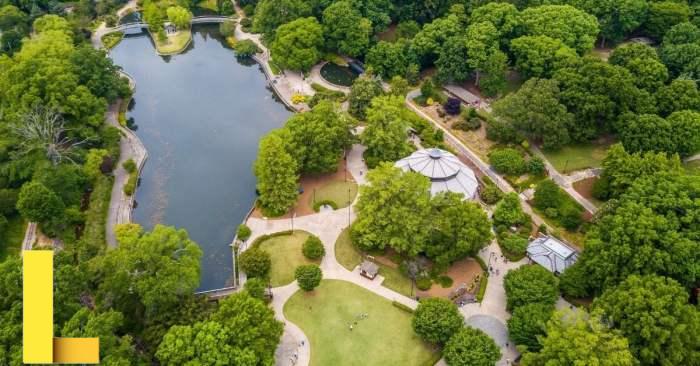
Raleigh’s diverse park system offers an array of experiences, catering to every interest from serene nature escapes to bustling family fun. Each park within the city’s extensive network boasts distinctive features and attractions, contributing significantly to the community’s quality of life and providing vital spaces for recreation, relaxation, and cultural engagement. Understanding these unique offerings helps residents and visitors alike discover the perfect setting for their outdoor adventures.Exploring the specific characteristics of Raleigh’s prominent parks reveals a commitment to preserving natural beauty while also providing modern, accessible recreational opportunities.
From historic landmarks to expansive natural preserves, these green spaces are cornerstones of community activity and environmental stewardship.
Comparing Prominent Raleigh Parks, Raleigh recreation and parks
Raleigh is home to numerous outstanding parks, each offering a unique blend of amenities and attractions. To illustrate the diversity within the city’s recreational offerings, a comparison of three prominent parks—Pullen Park, Lake Johnson Park, and Shelley Lake Park—highlights their distinct contributions to the community’s recreational landscape. This table details their signature attractions, available recreational activities, and unique facilities.
| Park Name | Signature Attractions | Recreational Activities | Unique Facilities |
|---|---|---|---|
| Pullen Park | Historic carousel, miniature train, kiddie boats, aquatic center | Playgrounds, picnicking, paddle boats, tennis, Pullen Arts Center classes | NC State University Theatre, Pullen Aquatic Center, Pullen Arts Center, accessible playgrounds |
| Lake Johnson Park | Large freshwater lake, natural wooded areas, scenic vistas | Boating (kayaking, canoeing, paddle boats), fishing, greenway trails (paved & unpaved), nature walks, birdwatching | Boat rentals, accessible fishing piers, boathouse, Lake Johnson Pool (seasonal) |
| Shelley Lake Park | Paved 2.2-mile greenway loop around the lake, tranquil natural setting | Walking, jogging, cycling, fishing, playgrounds, birdwatching, picnicking | Connection to Capital Area Greenway system, accessible playgrounds, community center, basketball courts |
The Historical Significance of Pullen Park
Pullen Park, established in 1887, holds the distinction of being North Carolina’s first public park and the fifth oldest amusement park in the United States. Its origins trace back to a generous land donation by Richard Stanhope Pullen, a prominent Raleigh businessman and philanthropist. Pullen envisioned a public space where all citizens, regardless of their economic status, could enjoy recreation and nature.
This foundational principle has guided the park’s evolution, ensuring its continued role as a beloved community asset.Over its long history, Pullen Park has adapted and expanded, continually adding new attractions while preserving its classic charm. Early features included a lake for boating, picnic grounds, and open spaces for leisure. The iconic carousel, a hand-carved masterpiece from 1911, and the miniature train, added in the 1950s, quickly became synonymous with the park, drawing generations of families.
The park’s evolution also saw the addition of an aquatic center, arts center, and accessible playgrounds, transforming it into a comprehensive recreational hub. Culturally, Pullen Park serves as a vibrant intergenerational gathering place, where grandparents introduce their grandchildren to the same rides they enjoyed as children, fostering a profound sense of continuity and shared community history. Its enduring appeal lies in its ability to blend nostalgic charm with modern amenities, remaining a cherished landmark in Raleigh’s cultural fabric.
A Peaceful Morning at Lake Johnson Park
As dawn breaks over Lake Johnson Park, a profound sense of tranquility descends upon the landscape, painting the sky with soft hues of orange and pink. The calm waters of the lake act as a vast, reflective canvas, mirroring the rising sun and the silhouettes of the surrounding trees with perfect clarity. A gentle mist often hovers just above the water’s surface, slowly dissipating as the morning light strengthens, adding to the ethereal beauty of the scene.Along the quiet shores, early risers engage in a variety of peaceful activities.
Fishermen, perched patiently on the accessible piers or nestled in secluded coves, cast their lines into the still water, their movements slow and deliberate, seeking the morning’s first catch. The only sounds are the occasional splash of a fish, the distant call of a bird, and the soft rustle of leaves in the nascent breeze. Birdwatchers, equipped with binoculars, silently observe the diverse avian population that calls the park home, spotting herons wading gracefully or kingfishers darting across the water.
A few individuals might be seen gently paddling kayaks or canoes, gliding almost silently across the lake, leaving only ripples that slowly expand and vanish. The paved and unpaved greenway trails that loop around the lake invite quiet contemplation, with walkers and joggers enjoying the fresh air and natural beauty before the day’s hustle begins. This serene environment offers a perfect escape, allowing visitors to connect with nature and find solace in the quiet majesty of a lakeside sunrise.
Adaptive Recreation Programs and Accessible Facilities
The Raleigh Parks, Recreation and Cultural Resources Department is dedicated to providing inclusive opportunities for all individuals, including those with disabilities, through a range of adaptive recreation programs and accessible facilities. These initiatives ensure that everyone can participate in and enjoy the city’s parks and recreational offerings, fostering a welcoming and supportive environment. The department continually works to enhance accessibility, making its spaces and programs available to a broader audience.The following Artikels some of the key adaptive recreation programs and accessible facilities available across the Raleigh system:
- Adaptive Sports and Fitness Programs: These programs are specifically designed to accommodate individuals with varying abilities, offering modified sports and fitness activities. Examples include adaptive cycling, wheelchair basketball, boccia, and seated yoga. Specialized equipment and trained staff are often available to support participants.
- Therapeutic Recreation Camps and Classes: The department hosts various camps and classes throughout the year, tailored for individuals with intellectual and developmental disabilities. These programs focus on social interaction, skill development, and recreational enjoyment in a supportive setting, such as summer day camps with modified activities.
- Accessible Greenways and Trails: Many sections of Raleigh’s extensive Capital Area Greenway system are designed to be accessible, featuring paved, wide paths with gentle grades suitable for wheelchairs, strollers, and adaptive bikes. Notable examples include portions of the Neuse River Greenway Trail and the paved loop at Shelley Lake Park.
- Accessible Playgrounds: Raleigh is home to several inclusive playgrounds designed with features that allow children of all abilities to play together. Sassafras All Children’s Playground, located at Laurel Hills Park, is a prime example, offering ramps, sensory play elements, and adaptive swings to ensure universal access and enjoyment.
- Accessible Restrooms and Facilities: Park facilities, including restrooms, picnic shelters, and community centers, are regularly upgraded to meet ADA compliance standards, ensuring easy access for individuals using mobility aids.
- Accessible Fishing Piers: Parks like Lake Johnson Park feature accessible fishing piers that allow individuals in wheelchairs or with other mobility challenges to enjoy fishing. These piers often include railings at appropriate heights and ample space for maneuvering.
- Sensory Gardens and Quiet Spaces: Some park areas incorporate sensory gardens or designated quiet zones, providing calming environments for individuals who may benefit from a less stimulating setting, particularly those with sensory processing sensitivities.
“Raleigh Parks is committed to fostering an inclusive community where everyone has the opportunity to participate in and benefit from our diverse recreational programs and accessible spaces.”
This comprehensive approach ensures that the Raleigh recreation and parks system serves as a resource for the entire community, promoting health, well-being, and social connection for individuals of all abilities.
Last Recap

Ultimately, Raleigh Recreation and Parks enriches the urban fabric by providing accessible avenues for recreation, education, and social interaction. It is more than just a collection of facilities; it is a thriving network that celebrates nature, builds community bonds, and continuously enhances the quality of life for everyone in Raleigh, truly embodying the spirit of communal well-being and vibrant engagement.
Commonly Asked Questions
How can I find out about current events and programs?
The official Raleigh Parks, Recreation and Cultural Resources website is the primary source, alongside their social media channels and local community center bulletin boards.
Are there volunteer opportunities available within the park system?
Yes, many parks and programs welcome volunteers for various roles, including trail maintenance, event support, and environmental projects. Specific details and application processes are available on their website.
Can I rent park facilities for private events or gatherings?
Absolutely. Most community centers and various park shelters are available for rent. Comprehensive booking information, availability, and associated fees are typically listed on the department’s website.
What is the policy regarding pets in Raleigh parks and on greenways?
Pets are generally welcome on a leash, and owners are responsible for immediate waste removal. Specific regulations may apply in certain nature preserves or designated natural areas, so it is advisable to check individual park rules.
Are there any fees to use the greenway trails or for general park access?
Access to greenway trails and general park areas is free of charge for public use. However, fees may apply for specific recreational classes, facility rentals, or certain special events and programs.

