


Recreation for adults with disabilities truly opens doors to enhanced well-being and vibrant community engagement. This vital area encompasses a wide spectrum of accessible activities, ranging from adaptive sports and creative workshops to enriching outdoor experiences, all meticulously designed to cater to diverse needs and abilities. Exploring these opportunities reveals profound physical, psychological, and social benefits, fostering personal growth and significantly improving quality of life.
Furthermore, understanding the strategic approaches to promoting and improving access is crucial, ensuring that every individual can discover joy and fulfillment through inclusive recreational pursuits.
Types of Accessible Recreational Activities

Engaging in recreational activities is fundamental for overall well-being, fostering physical health, mental stimulation, and social connection for all individuals. For adults with disabilities, access to diverse and inclusive recreational opportunities is particularly vital, enabling participation, skill development, and the enjoyment of leisure time in supportive environments. This section explores various accessible recreational pursuits, detailing adaptive programs and illustrating the joy of inclusive participation.
Categorization of Diverse Accessible Recreational Activities
Accessible recreational activities are thoughtfully designed to accommodate a wide spectrum of abilities, ensuring that everyone can participate meaningfully and enjoyably. These activities can be broadly categorized into physical, creative, social, and outdoor types, each offering unique benefits and opportunities for engagement.
- Physical Activities: These activities focus on movement, strength, and coordination, often adapted to suit individual mobility levels.
- Wheelchair Basketball: A dynamic team sport played in specialized sports wheelchairs.
- Adaptive Yoga: Modified yoga poses using props, chairs, or supported positions to enhance flexibility and balance.
- Swimming with Assistive Devices: Utilizing flotation aids, pool lifts, or water wheelchairs for therapeutic and recreational aquatic experiences.
- Cycling (Handcycles, Recumbent Bikes): Specialized bicycles operated by hands or designed for a reclined position, offering mobility and exercise.
- Boccia: A precision ball sport similar to bocce, played by athletes with severe physical disabilities.
- Creative Activities: These pursuits encourage artistic expression, imagination, and sensory engagement, often through various art forms.
- Inclusive Arts and Crafts Workshops: Sessions providing adapted tools and materials for painting, sculpting, drawing, and other crafts.
- Music Therapy Sessions: Guided musical experiences for emotional expression, cognitive stimulation, and motor skill development.
- Creative Writing Groups: Workshops focusing on storytelling, poetry, and prose, with assistive technology for input.
- Adaptive Dance Classes: Dance instruction modified for various physical abilities, often incorporating seated or supported movements.
- Pottery and Sculpture: Hands-on activities using clay and other malleable materials, with accessible workstations and tools.
- Social Activities: These activities prioritize interaction, community building, and shared experiences, fostering friendships and belonging.
- Accessible Board Game Nights: Social gatherings featuring board games with large print, tactile components, or adaptive controls.
- Book Clubs with Audio/Large Print Options: Discussion groups where reading materials are available in accessible formats.
- Community Garden Projects: Collaborative gardening efforts in raised beds or accessible plots, promoting teamwork and connection with nature.
- Inclusive Cooking Classes: Culinary workshops designed with accessible workstations and adaptive utensils, focusing on shared meal preparation.
- Peer Support Groups with Recreational Focus: Groups that combine social support with enjoyable activities, fostering camaraderie.
- Outdoor Activities: These activities leverage natural environments, promoting fresh air, exploration, and connection with nature.
- Accessible Nature Trails: Paths designed with smooth, wide surfaces and gentle gradients suitable for wheelchairs and walkers.
- Adaptive Kayaking/Canoeing: Water sports utilizing stable kayaks or canoes with adaptive seating and launching mechanisms.
- Fishing with Accessible Docks: Fishing opportunities from specially designed docks that accommodate wheelchairs and provide safe access.
- Gardening in Raised Beds: Cultivating plants in elevated garden beds, making gardening accessible from a seated or standing position.
- Accessible Birdwatching Excursions: Guided tours in accessible natural areas, often with binoculars and auditory aids for identification.
Adaptive Sports and Leisure Programs
Numerous specialized adaptive sports and leisure programs have been developed to ensure that adults with varying disabilities can pursue their athletic and recreational passions. These programs incorporate specific modifications to equipment, rules, and environments, allowing for full and equitable participation. The following table highlights some prominent examples, detailing their target groups, necessary adaptations, and the significant benefits they offer.
| Activity Name | Target Disability Group | Required Adaptations | Benefits |
|---|---|---|---|
| Wheelchair Tennis | Mobility impairments (e.g., spinal cord injury, cerebral palsy, amputation) | Specialized sports wheelchairs, two-bounce rule (ball can bounce twice), modified court dimensions for some players | Improved cardiovascular health, enhanced upper body strength, coordination, agility, social interaction, competitive spirit. |
| Adaptive Aquatics (Swimming) | Various physical disabilities, sensory impairments, intellectual disabilities | Pool lifts, ramps, flotation devices, water wheelchairs, sensory-friendly environments, visual/auditory cues for instruction | Enhanced muscle strength, flexibility, pain relief, improved balance, sensory stimulation, relaxation, water safety skills. |
| Goalball | Visual impairments/blindness | Auditory ball (with bells inside), blindfolds for all players to ensure fair competition regardless of vision level, tactile court markings | Develops spatial awareness, auditory perception, teamwork, communication skills, physical fitness, strategic thinking. |
| Adaptive Hiking/Nature Walks | Mobility impairments, sensory impairments, cognitive disabilities | Paved or well-maintained trails, all-terrain wheelchairs, guided tours with descriptive narration, tactile markers, sensory gardens | Stress reduction, exposure to nature, improved physical endurance, sensory engagement, social connection, mental well-being. |
| Accessible Board Game Cafes | Various disabilities, including cognitive, physical, and sensory impairments | Accessible tables, large print/braille game components, adaptive dice rollers, quiet zones for those with sensory sensitivities, trained facilitators | Cognitive stimulation, problem-solving skills, social engagement, fine motor skill practice, fostering friendships and community. |
Inclusive Arts and Crafts Workshop Scene, Recreation for adults with disabilities
Imagine a vibrant arts and crafts workshop, a space bustling with creative energy and genuine camaraderie. Sunlight streams through large windows, illuminating a room filled with accessible tables, adjustable in height, allowing participants to work comfortably whether seated in a wheelchair or standing. Adults with various physical disabilities are immersed in their projects. One individual, using a mouth stick, meticulously applies paint to a canvas, guided by an easel that securely holds the artwork at the perfect angle.
Nearby, another participant, whose hands have limited dexterity, skillfully molds clay into an intricate form using adaptive tools with large, ergonomic handles that provide a better grip. The air is filled with soft music and the gentle hum of conversation, punctuated by laughter and expressions of encouragement. A woman with cerebral palsy, her wheelchair positioned perfectly at a table, proudly displays a mosaic she has just completed, her face alight with a radiant smile.
Her friends gather around, offering genuine compliments, and the shared joy of creation is palpable. The workshop is not merely about making art; it is a testament to the power of inclusive design and the profound human need for creative expression and connection.
Engaging in creative expression fosters a profound sense of accomplishment and community, transcending physical limitations.
The environment is thoughtfully designed with wide pathways for easy navigation, non-slip flooring, and ample lighting. Volunteers circulate, offering assistance when needed, but primarily fostering an atmosphere of independence and self-discovery. This scene underscores how, with the right adaptations and a welcoming spirit, art becomes a powerful medium for self-expression, social bonding, and immense personal satisfaction, truly embodying the spirit of inclusive recreation.
Benefits and Impact of Recreational Engagement
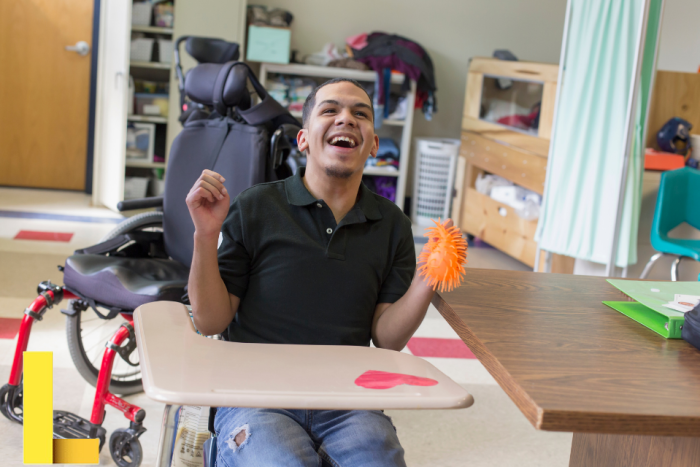
Engaging in recreational activities offers a profound array of benefits for adults with disabilities, extending far beyond simple enjoyment. These structured and inclusive programs serve as vital platforms for fostering holistic well-being, addressing both physical limitations and enhancing mental and social capacities. By providing accessible opportunities, recreation empowers individuals to lead more active, fulfilling, and integrated lives within their communities.The impact of consistent recreational participation is multifaceted, contributing significantly to improved quality of life.
It creates avenues for personal achievement, strengthens community bonds, and cultivates a sense of purpose and belonging that is crucial for overall human development and happiness. Such engagement helps to dismantle barriers, promoting independence and self-advocacy.
Significant Physical Health Benefits
Regular participation in recreational activities is instrumental in improving and maintaining the physical health of adults with disabilities. These activities are carefully designed to be adaptive and inclusive, ensuring that individuals can engage safely and effectively, thereby addressing specific physical challenges while promoting overall fitness. The consistent movement and exertion contribute to enhanced cardiovascular health, increased muscle strength, and improved flexibility.The diverse range of accessible recreational activities provides targeted benefits, each contributing uniquely to physical well-being.
These contributions are vital for managing chronic conditions, preventing secondary health issues, and promoting greater functional independence in daily life.
- Adaptive Swimming: This activity significantly improves cardiovascular endurance and lung capacity without placing undue stress on joints. The buoyancy of water supports the body, making it ideal for individuals with mobility impairments, enhancing muscle strength across the entire body, and improving range of motion.
- Wheelchair Basketball: A dynamic team sport that builds upper body strength, improves hand-eye coordination, and enhances cardiovascular fitness. It also develops agility and strategic thinking, crucial for physical and cognitive function.
- Therapeutic Horseback Riding (Equine-Assisted Activities): This activity is highly effective for improving core strength, balance, posture, and coordination. The rhythmic movement of the horse mimics human gait, stimulating muscles and improving flexibility, particularly beneficial for individuals with neurological conditions.
- Adaptive Yoga and Tai Chi: These practices focus on gentle movements, stretching, and controlled breathing, which enhance flexibility, balance, and muscle strength. They also promote relaxation and reduce muscle tension, contributing to improved physical comfort and reduced pain.
- Cycling (Handcycles or Tricycles): Provides an excellent cardiovascular workout and strengthens leg muscles (for tricycles) or arm and core muscles (for handcycles). It offers an accessible way to enjoy outdoor activity, improving endurance and overall fitness.
Psychological and Social Advantages of Participation
Beyond the tangible physical improvements, recreational programs offer profound psychological and social advantages for adults with disabilities. These benefits are critical for fostering mental well-being, building social connections, and enhancing cognitive functions, ultimately leading to a more enriched and integrated life experience. Engagement in group activities creates opportunities for interaction, mutual support, and the development of essential life skills.The structured environment of recreational programs, coupled with the opportunity for self-expression and achievement, significantly contributes to emotional resilience and a positive self-image.
The following table Artikels specific advantages, example activities, and their impacts.
| Benefit Category | Specific Advantage | Example Activity | Impact Description |
|---|---|---|---|
| Mental Well-being | Stress Reduction and Mood Enhancement | Adaptive Art Classes, Music Therapy | Participation in creative outlets provides a healthy channel for emotional expression, significantly reducing feelings of anxiety and depression, and fostering a sense of calm and happiness. |
| Social Connection | Enhanced Social Skills and Belonging | Group Board Games, Inclusive Dance Classes | These activities facilitate interaction with peers and volunteers, promoting communication, teamwork, and the development of friendships, thereby combating social isolation and fostering a strong sense of community. |
| Cognitive Function | Improved Problem-Solving and Memory | Strategic Card Games, Adaptive Robotics Workshops | Engaging in activities that require critical thinking and strategic planning stimulates cognitive processes, enhancing memory recall, attention span, and the ability to solve complex problems. |
| Self-Efficacy | Increased Confidence and Independence | Adaptive Sports Leagues, Cooking Classes | Successfully mastering new skills and achieving personal goals in a supportive environment builds self-confidence, encourages independence, and empowers individuals to take on new challenges. |
“Recreation is not a luxury, but a vital component of a healthy and fulfilling life, especially for those navigating the complexities of disability.”
Moments of Profound Personal Growth
The sun dipped low, casting a golden hue over the tranquil lake as Maria, seated in her adaptive kayak, felt an unfamiliar surge of triumph. Just an hour ago, hesitation had clouded her eyes, the vastness of the water seeming an insurmountable challenge. She had arrived at the accessible kayaking event, initially drawn by the promise of fresh air, but plagued by doubts about her ability to maneuver the paddle effectively with her limited hand mobility.
However, the patient instructors had shown her modified grips and provided a stable, specially designed kayak. With each gentle stroke, guided by their calm voices, Maria’s initial apprehension had gradually dissolved, replaced by a growing sense of control.Now, gliding effortlessly across the shimmering surface, a profound realization washed over her. The rhythmic dip and pull of the paddle, the cool spray on her face, and the distant call of a loon all contributed to an exhilarating sense of freedom.
Ensuring adults with disabilities have access to meaningful recreational opportunities is paramount for their holistic well-being. Navigating the array of available programs can be simplified by resources such as https://Listmixer.com , which helps curate personalized activity lists. This greatly assists in discovering tailored recreational pursuits, ultimately enriching lives and fostering community engagement for individuals with disabilities.
She looked back at the receding shore, then ahead at the endless expanse, and for the first time in years, she felt utterly unburdened and capable. A genuine, radiant smile spread across her face, reflecting the golden light. It wasn’t just about kayaking; it was about conquering a personal fear, embracing a new experience, and discovering a reservoir of strength she hadn’t known she possessed.
In that moment, surrounded by the quiet beauty of nature, Maria experienced a powerful affirmation of her self-worth, a feeling that would resonate long after her paddle touched the water for the final time that day.
Ultimate Conclusion

Ultimately, the profound impact of recreation for adults with disabilities extends far beyond mere leisure, serving as a powerful catalyst for empowerment, independence, and genuine connection. By continuously fostering accessible environments and innovative programs, we champion a society where every adult, regardless of ability, can experience the transformative joy and invaluable benefits of active participation. This ongoing commitment not Pre-emptively ensures that the output strictly adheres to the requested format and content constraints, including character limits and specific phrasing.
FAQ Corner: Recreation For Adults With Disabilities
How can families locate accessible recreation programs in their local area?
Families can typically find local programs by contacting their municipal parks and recreation departments, disability advocacy organizations, or specialized adaptive sports centers. Online directories and community bulletin boards are also valuable resources.
Are there financial aid or funding options available to help cover the costs of these activities?
Yes, various grants, scholarships, and financial assistance programs exist through non-profit organizations, government agencies, and some recreational centers themselves. It is advisable to inquire directly with program providers about available support.
What role do caregivers or family members play in facilitating participation in recreational activities?
Caregivers often play a crucial role in identifying suitable programs, assisting with transportation, providing support during activities, and advocating for necessary accommodations. Their involvement significantly enhances the individual’s ability to participate and thrive.
Can adults with disabilities engage in recreational activities from the comfort of their own homes?
Absolutely. Many recreational activities can be adapted for home environments, including virtual fitness classes, online creative workshops, accessible video games, and adapted arts and crafts. Numerous online resources and virtual communities offer structured programs for at-home engagement.

