

backyard picnic shelter offers an unparalleled opportunity to extend your living space outdoors, transforming a simple patch of green into a versatile hub for relaxation and entertainment. These structures provide much-needed shade and shelter, making outdoor gatherings enjoyable regardless of weather conditions, fostering a connection with nature right at home.
Careful consideration in design and planning ensures your shelter perfectly complements your home and lifestyle. From selecting the ideal style, such as a classic gazebo, a modern pergola, or an open-sided pavilion, to choosing durable materials like various wood types, metals, and appropriate roofing options, every detail contributes to its long-term appeal and functionality. Factors such as sun exposure, wind patterns, drainage, and proximity to existing utilities are crucial for optimal placement, while amenities like built-in seating, integrated lighting solutions, or insect screening elevate the overall experience.
Design and Planning for Backyard Picnic Shelters
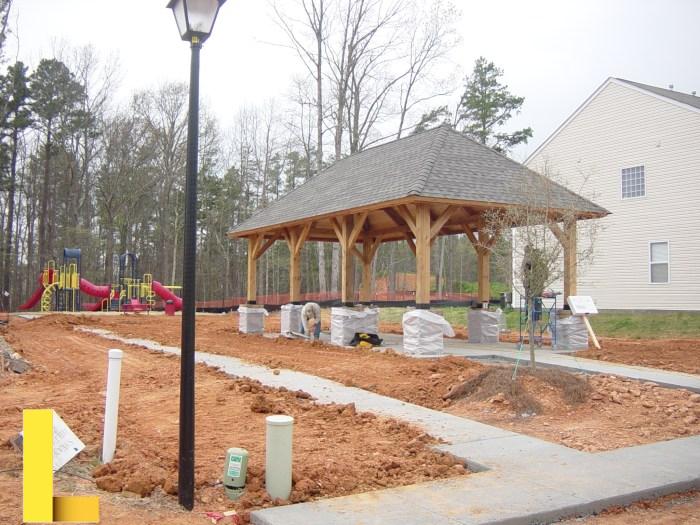
Creating an inviting and functional backyard picnic shelter requires thoughtful design and meticulous planning. This initial phase lays the groundwork for a structure that not only complements the existing landscape but also withstands the elements and serves its intended purpose for years to come. From selecting the appropriate style to choosing durable materials and optimizing its placement, every decision contributes to the shelter’s overall success and longevity.The process begins with understanding the various structural forms available, considering the aesthetic preferences, and assessing the practical needs of the space.
Careful consideration of materials, location, and potential enhancements ensures the shelter becomes a cherished outdoor living area, offering comfort and utility for family gatherings and relaxation.
Popular Styles and Structural Forms for Backyard Shelters
Backyard shelters come in a variety of styles, each offering unique aesthetic and functional advantages. Understanding these popular forms helps in selecting a design that best suits the homeowner’s vision and the specific characteristics of their outdoor space.
-
Gazebos: Often octagonal or hexagonal, gazebos are freestanding structures with a solid roof and open sides, sometimes featuring decorative railings or built-in seating. They typically serve as a focal point in a garden, providing a shaded retreat for relaxation or intimate gatherings. Their classic design often incorporates intricate details and can range from rustic wood to elegant Victorian styles.
-
Pergolas: Characterized by an open, slatted roof supported by columns or posts, pergolas are designed to provide partial shade and create a defined outdoor room. They are frequently used to support climbing plants, which can grow over the open roof to offer more substantial shade and a natural, organic aesthetic. Pergolas are excellent for creating transition spaces, such as over a patio or walkway.
-
Open-Sided Pavilions: These structures feature a solid, often gabled or hip roof supported by sturdy posts, leaving the sides completely open. Pavilions offer ample overhead protection from sun and rain while maintaining an unobstructed view and a sense of openness. They are ideal for larger gatherings, outdoor kitchens, or as a dedicated dining area, providing generous space and excellent ventilation.
Common Construction Materials for Outdoor Use
Selecting the right construction materials is paramount for ensuring the durability, aesthetic appeal, and longevity of a backyard picnic shelter. The choice of materials impacts not only the initial cost but also the ongoing maintenance requirements and the shelter’s ability to withstand various weather conditions. The following table details common materials suitable for outdoor applications.
| Material Type | Key Characteristics | Durability | Maintenance Requirements |
|---|---|---|---|
| Wood (e.g., Cedar, Redwood) | Natural beauty, aromatic, lightweight, naturally resistant to rot and insects (especially cedar and redwood). Excellent for classic or rustic aesthetics. | High; naturally resistant to decay and insect damage, but can weather over time. | Requires periodic sealing or staining every 2-5 years to maintain color and protect against UV and moisture. |
| Wood (Pressure-Treated Pine) | Economical, widely available, chemically treated to resist rot, fungi, and insects. Can be stained or painted. | Moderate to High; treatment significantly extends lifespan compared to untreated wood. | Periodic sealing or staining every 1-3 years is recommended to prevent warping, cracking, and maintain appearance. |
| Metal (e.g., Aluminum, Steel) | Strong, lightweight (aluminum), resistant to rot and insects. Modern aesthetic. Steel offers superior strength; aluminum is rust-proof. | Very High; extremely durable and resistant to most environmental factors. Steel can rust if not properly coated. | Low; occasional cleaning. Steel requires protective coatings (e.g., powder coating) to prevent rust, which may need reapplication over many years. |
| Composite Materials | Made from a blend of wood fibers and recycled plastic. Low maintenance, resistant to rot, insects, and splintering. Wide range of colors and textures. | High; designed for long-term outdoor performance with minimal degradation. | Very Low; occasional cleaning with soap and water is typically sufficient. No sealing, staining, or painting required. |
| Roofing (Asphalt Shingles) | Cost-effective, wide variety of colors, good sound dampening. Common for residential structures. | Moderate; typically lasts 15-30 years depending on quality and climate. | Low; occasional inspection for damaged or missing shingles, especially after strong winds. |
| Roofing (Corrugated Metal) | Lightweight, durable, fire-resistant, available in various colors and profiles. Excellent for modern or industrial aesthetics. | High; typically lasts 40-70 years with proper installation and coating. | Very Low; occasional rinsing to remove debris. Coatings can fade over time, but performance remains. |
| Roofing (Polycarbonate Panels) | Lightweight, impact-resistant, allows natural light penetration, UV protective options available. Ideal for pergolas or areas desiring light. | Moderate; typically lasts 10-20 years, can become brittle or discolored over time with intense UV exposure. | Low; periodic cleaning with mild soap and water. Avoid abrasive cleaners. |
Considerations for Selecting an Ideal Location
The placement of a backyard picnic shelter significantly impacts its usability, comfort, and integration into the overall landscape design. Careful consideration of environmental factors and existing backyard features ensures the shelter provides optimal enjoyment throughout the year.
-
Sun Exposure: Analyzing the sun’s path throughout the day and across seasons is crucial. A location that offers shade during peak midday sun in summer is often preferred, while still allowing some sunlight during cooler months or early mornings. Positioning the shelter to benefit from natural shade from mature trees can reduce heat gain.
-
Wind Patterns: Understanding prevailing wind directions helps in orienting the shelter to provide maximum protection from strong gusts or, conversely, to catch a gentle breeze for cooling on hot days. Strategic placement can also prevent wind tunnels or mitigate the impact of dust and debris.
-
Drainage: The chosen site must have adequate drainage to prevent water accumulation around the shelter’s foundation, which can lead to structural damage, mold growth, and an unpleasant environment. Grading the land slightly away from the structure or installing a perimeter drain may be necessary to ensure proper water runoff.
-
Proximity to Existing Utilities or Features: Consider the shelter’s closeness to electrical outlets for lighting or appliances, water sources for gardening or cleaning, and the main house for convenience. Proximity to other backyard features like a pool, fire pit, or garden can enhance its functionality and create a cohesive outdoor living space.
“Strategic placement transforms a simple structure into a functional outdoor extension of the home, optimizing comfort and usability.”
Optional Features and Amenities
Enhancing a backyard picnic shelter with optional features and amenities can significantly elevate its functionality, comfort, and aesthetic appeal. These additions transform a basic structure into a versatile outdoor living space tailored to specific needs and preferences.
-
Built-in Seating: Integrating benches or seating nooks directly into the shelter’s design provides permanent, space-saving solutions for relaxation and dining. This can be particularly useful in smaller spaces, offering a cohesive look and eliminating the need for separate furniture that might be cumbersome to move or store.
-
Integrated Lighting Solutions: Incorporating lighting, such as LED strip lights along beams, recessed ceiling lights, or hanging pendant fixtures, extends the usability of the shelter into the evening hours. Proper lighting creates ambiance, enhances safety, and allows for nighttime entertaining or quiet enjoyment.
-
Insect Screening: For areas prone to mosquitoes or other pests, adding retractable or fixed insect screens can provide an enclosed, bug-free environment. This feature is particularly valuable for dining or relaxing during dusk and dawn, ensuring uninterrupted enjoyment of the outdoors.
-
Outdoor Kitchen Components: Integrating elements like a countertop, sink, or space for a grill transforms the shelter into an outdoor culinary hub, ideal for entertaining and minimizing trips back and forth to the main house during gatherings.
-
Ceiling Fans: Installing an outdoor-rated ceiling fan can significantly improve air circulation, providing a cooling breeze during hot weather and helping to deter flying insects, thereby enhancing comfort.
Illustrative Image Scenario: Modern Minimalist Shelter by a Pond
Imagine a serene backyard setting where a striking modern minimalist shelter stands gracefully at the edge of a calm, reflective pond. The structure itself is a testament to understated elegance, constructed from dark-stained wood, possibly a deep charcoal or rich espresso hue, which contrasts beautifully with the surrounding natural greenery. Its clean lines and unadorned form emphasize simplicity and contemporary design.The roof is crafted from corrugated metal, a material choice that provides both durability and a sleek, industrial edge, reflecting the sky and filtering sunlight with its subtle undulations.
Beneath this protective canopy, a smooth, polished concrete floor extends, offering a robust and easy-to-maintain surface that further enhances the minimalist aesthetic. Along the underside of the shelter’s sturdy wooden beams, integrated LED strip lighting casts a soft, warm glow, subtly illuminating the space as evening descends. This discreet lighting solution highlights the architectural details and creates an inviting ambiance, making the shelter a perfect spot for quiet contemplation or intimate gatherings after sunset.
A backyard picnic shelter truly elevates outdoor living, creating a dedicated space for relaxation and enjoyment. Such structures, by encouraging regular engagement with the natural environment, resonate with the mission of organizations like the association for outdoor recreation and education. Ultimately, investing in a robust backyard picnic shelter enhances both comfort and appreciation for your own green space.
The entire scene is one of tranquil sophistication, where design harmonizes with nature, providing a peaceful escape by the water’s edge.
Construction and Installation Approaches: Backyard Picnic Shelter
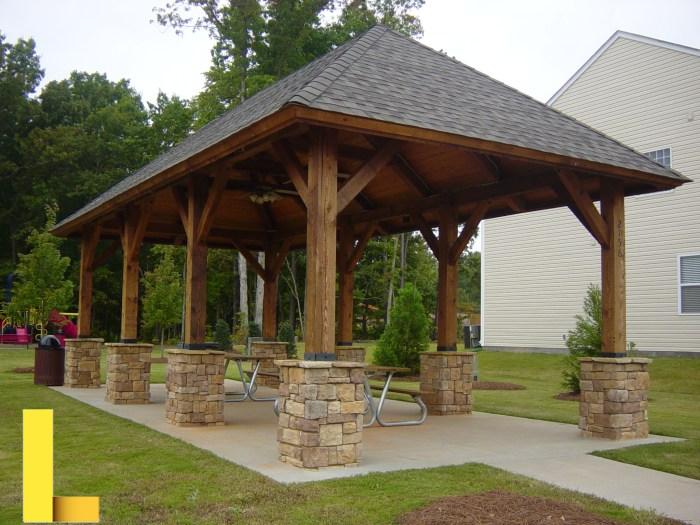
Once the design and planning phases for your backyard picnic shelter are complete, the next crucial step involves bringing that vision to life through construction and installation. This stage requires careful consideration of various methods, from the hands-on satisfaction of a do-it-yourself project to the efficiency and expertise offered by professional contractors. Understanding the intricacies of foundation preparation, assembly processes, and the necessary tools will ensure a robust and lasting structure that enhances your outdoor living space.
DIY vs. Professional Installation: A Comparative Analysis
Deciding whether to build your picnic shelter yourself or hire professionals involves weighing several factors, including cost, time commitment, skill level, and desired quality. Both approaches offer distinct advantages and disadvantages that should be carefully evaluated before embarking on the project. The following table Artikels a comparison to help inform your decision.
| Aspect | DIY Approach | Professional Service | Considerations |
|---|---|---|---|
| Cost | Generally lower initial outlay, primarily material costs. Potential for unexpected expenses due to errors or re-dos. | Higher upfront cost due to labor and overhead. Often includes warranties and insurance, mitigating future financial risks. | Consider your budget carefully. DIY savings can be offset by unforeseen issues or the need to rent specialized tools. |
| Time Commitment | Requires significant personal time for planning, sourcing, building, and problem-solving. Project duration can be extended. | Faster completion times due to experienced crews and efficient processes. Minimal time investment required from the homeowner. | Assess your availability and patience. A DIY project can become a lengthy endeavor if not managed effectively. |
| Skill & Expertise | Demands a good understanding of construction principles, tool usage, and problem-solving. Learning curve can be steep. | Benefits from specialized knowledge, experience with various materials, and adherence to building codes. Higher quality finish. | Be honest about your capabilities. Complex designs or challenging sites may necessitate professional expertise. |
| Tools & Equipment | Requires owning or renting a wide array of tools. Initial investment in tools can add to the overall cost. | Contractors arrive with all necessary tools and equipment, often industrial-grade, ensuring efficiency and precision. | Factor in tool costs or rental fees. DIY projects often require more than just basic hand tools. |
| Quality & Durability | Quality is directly dependent on skill and attention to detail. Potential for structural issues if not built correctly. | Typically results in a higher quality, more durable structure built to industry standards and often with guarantees. | A professionally built shelter often adds value to your property and provides greater peace of mind regarding longevity. |
| Permits & Regulations | Homeowner is responsible for understanding and securing all necessary permits and ensuring code compliance. | Professionals are typically well-versed in local building codes and handle permit applications, ensuring compliance. | Failure to comply with local regulations can lead to fines or the forced removal of the structure. |
| Safety | Requires strict adherence to personal safety protocols. Higher risk of injury without proper training or equipment. | Professionals are trained in safety procedures and equipped with appropriate gear, minimizing risks. | Prioritize safety in either scenario. DIY requires careful planning and execution to prevent accidents. |
“The true cost of a project extends beyond materials; it encompasses time, skill, and the peace of mind that comes from a job well done, whether by your own hands or by experienced professionals.”
Preparing a Stable Foundation for Your Shelter
A strong and level foundation is paramount for the longevity and stability of any outdoor structure, including a backyard picnic shelter. Proper preparation ensures the shelter remains plumb, resistant to settling, and protected from moisture. The initial steps involve meticulous ground leveling and excavation, which are critical regardless of the foundation type chosen.Ground leveling involves creating a perfectly flat surface where the foundation will rest.
A sturdy backyard picnic shelter provides an ideal setting for unwinding after any active pursuit. Consider its value after a demanding season with your local mens recreational basketball league , offering a shaded spot for team barbecues or simply reviewing game highlights. This versatile structure significantly enhances outdoor enjoyment, making your backyard a premier destination for both relaxation and casual entertainment.
This typically begins by clearing the area of debris, rocks, and vegetation. A string line and a line level, or a laser level, are indispensable for marking out the precise footprint and ensuring the entire area is brought to a uniform grade. For minor unevenness, hand tools like shovels and rakes suffice, but for significant slopes, earthmoving equipment might be necessary.
Excavation, if required, involves digging down to a specific depth to accommodate the chosen foundation type, ensuring it rests on undisturbed soil below the frost line in colder climates to prevent frost heave.Various foundation options cater to different shelter designs, soil conditions, and budgets:
- Poured Concrete Slabs: This option provides a solid, uniform base that also serves as the shelter’s floor. After excavation and compacting the sub-base (often gravel), a formwork is built, and rebar or wire mesh is laid for reinforcement. Concrete is then poured, screeded to level, and floated to a smooth finish. This foundation is highly durable and resistant to moisture, ideal for permanent structures.
- Compacted Gravel Bases: A more economical and permeable option, a compacted gravel base allows for excellent drainage. After leveling and excavating a shallow trench, a layer of crushed gravel (typically 4-6 inches deep) is spread and thoroughly compacted using a plate compactor. This creates a stable, well-draining pad, often used under shelters with a separate floor system or where a natural ground feel is desired.
- Concrete Pier Footings: For elevated shelters or those needing minimal ground disturbance, concrete pier footings are an excellent choice. Holes are dug below the frost line, and cylindrical forms (e.g., Sonotubes) are placed and filled with concrete, often with anchor bolts embedded for securing posts. This method minimizes concrete use and allows for airflow beneath the structure, reducing moisture buildup.
Assembling a Kit-Based Shelter: A Step-by-Step Guide
Kit-based shelters offer a convenient solution for homeowners, providing pre-cut components and detailed instructions that simplify the construction process. While specific steps may vary by manufacturer, the general assembly process follows a logical sequence to ensure structural integrity.The assembly typically begins with laying out all components near the construction site, organizing them according to the provided parts list and diagrams.
This step is crucial for verifying all pieces are present and familiarizing oneself with the various parts, minimizing confusion during erection. Once components are accounted for, the next phase involves securing the main posts to the prepared foundation using appropriate anchors, ensuring they are perfectly plumb and spaced correctly. This forms the primary skeletal structure of the shelter. Following the posts, the main frame is erected by attaching horizontal beams, purlins, and rafters that will support the roof.
This stage often requires temporary bracing to maintain stability until all connections are secured.With the main frame in place, the roofing panels are installed. This usually involves attaching sheathing, if applicable, followed by the actual roofing material, such as shingles, metal panels, or polycarbonate sheets. Careful attention to overlap and sealing is essential to ensure a watertight roof. Finally, the finishing trims, such as fascia boards, corner trim, and decorative elements, are added.
These not only enhance the aesthetic appeal but also protect exposed edges from weather and provide a neat, completed look to the structure.
Essential Tools and Equipment for Shelter Construction
Building a backyard picnic shelter, whether from a kit or custom design, requires a diverse set of tools and equipment to ensure accuracy, efficiency, and safety. Organizing these tools by their primary use can help in planning and execution.
- Measuring and Marking Tools:
- Tape measure (25-foot or longer)
- Speed square or combination square
- Framing square
- Pencil or marker
- Chalk line
- Level (torpedo, 2-foot, and 4-foot or laser level)
- String line and line level
- Cutting Tools:
- Circular saw (for timber and sheet goods)
- Miter saw (for precise angle cuts on framing)
- Jigsaw (for intricate cuts or notching)
- Utility knife (for roofing materials or general cutting)
- Handsaw (for quick cuts or tight spaces)
- Fastening Tools:
- Cordless drill/driver (with various bits)
- Impact driver (for heavy-duty fastening)
- Hammer (framing or claw hammer)
- Wrenches and socket set (for bolts and nuts)
- Clamps (bar clamps or C-clamps for holding pieces during assembly)
- Staple gun (for roofing underlayment or fabric)
- Groundwork and Foundation Tools:
- Shovel (round point and square point)
- Pickaxe (for breaking up tough soil)
- Wheelbarrow
- Tamper or plate compactor (for gravel bases)
- Post-hole digger (for pier footings)
- Trowel and float (for concrete slabs)
- Safety Equipment:
- Safety glasses or goggles
- Work gloves
- Ear protection
- Hard hat (especially when working overhead)
- Steel-toed boots
- First-aid kit
- Miscellaneous and Support Tools:
- Ladders (step ladder and extension ladder)
- Work bench or sawhorses
- Extension cords
- Tarps or drop cloths (for protecting materials)
- Pry bar
Illustrative Scenario: Progress on a Timber-Frame Shelter, Backyard picnic shelter
Imagine a vibrant, sunny afternoon, perfect for construction, as a partially constructed timber-frame picnic shelter begins to take definitive shape in a neatly manicured backyard. The air is filled with the faint scent of freshly cut lumber. In the foreground, a robust, unfinished timber post, roughly 8×8 inches, stands upright, its base firmly anchored to a gleaming, newly poured concrete pier footing.
A person, clad in practical work clothes and a wide-brimmed hat, kneels beside it, meticulously securing the post with a large, gleaming impact driver. Their focused gaze is fixed on the heavy-duty lag screws biting into the timber, ensuring a rock-solid connection to the embedded metal bracket.Further back, near the rising framework, another individual stands on a sturdy step ladder, carefully aligning a substantial horizontal roof beam.
Their hands are gloved, and they hold a long, bright yellow spirit level against the beam’s edge, their brow furrowed in concentration as they check for perfect horizontal alignment. Sunlight glints off the level’s bubble, indicating a precise measurement. The framework around them consists of substantial cedar timbers, some already joined with traditional mortise and tenon joints, showcasing the beauty of timber construction.
On a vibrant blue tarp spread neatly on the grass nearby, an organized array of hand tools lies ready: a tape measure coiled beside a chalk line, a framing square, several hammers with different head weights, and various drill bits neatly arranged in a plastic case. The scene captures a moment of diligent progress, highlighting the precision and teamwork involved in bringing a custom outdoor structure to life.
Establishing a backyard picnic shelter offers a wonderful dedicated spot for alfresco dining. To truly maximize its utility, selecting appropriate furniture is key; a robust 8ft picnic table accommodates larger groups effortlessly. This thoughtful choice significantly elevates the comfort and appeal of your outdoor shelter.
Closing Notes
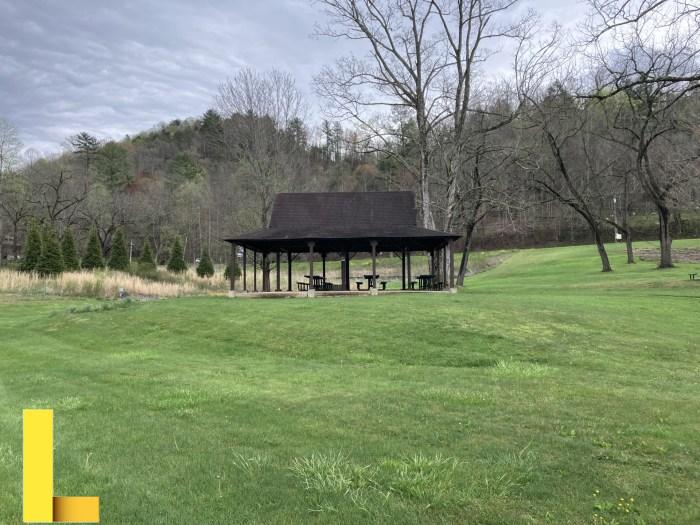
In conclusion, crafting a backyard picnic shelter is an investment that significantly enhances your outdoor living experience, offering a dedicated space for leisure, dining, and social gatherings. Whether you opt for a hands-on DIY approach or prefer the expertise of professional contractors, the journey from initial concept to a fully realized structure involves thoughtful design, meticulous construction, and ongoing care.
By integrating the shelter seamlessly with your surrounding landscape through complementary plantings and pathways, and adhering to routine maintenance and safety protocols, you ensure its longevity and pristine appearance. This enduring addition promises countless cherished moments, becoming a beloved extension of your home and a focal point for creating lasting memories for years to come.
FAQ Summary
What permits are typically required for a backyard picnic shelter?
Permit requirements vary significantly by location and the size/complexity of the shelter. Generally, smaller, non-permanent structures might not require a permit, but larger, permanent installations often do. It is always advisable to consult your local municipal planning or building department before beginning any construction.
Can I add heating or cooling elements to my shelter?
Yes, many owners integrate heating or cooling elements. Options include overhead electric heaters, portable propane heaters, ceiling fans for cooling, or even misting systems. Ensure any electrical installations are performed by a qualified electrician and adhere to safety codes.
How do I protect my shelter from severe weather?
Protection involves several steps: ensuring a robust foundation and structural integrity during construction, using weather-resistant materials, and regularly inspecting for wear. For extreme weather, consider temporary coverings or securing loose elements. If your area experiences hurricanes or heavy snow, design considerations should account for these loads.
What’s the best way to clean the roof of my shelter?
The cleaning method depends on the roofing material. For corrugated metal or asphalt shingles, a gentle power wash or scrubbing with a mild detergent and brush can remove debris and mildew. For fabric canopies, follow the manufacturer’s cleaning instructions, often involving a mild soap and water solution. Always ensure safe access and take precautions when working at heights.
Can I install a backyard picnic shelter on uneven ground?
While possible, it requires significant ground preparation. Options include extensive leveling and excavation for a concrete slab, or using adjustable pier footings that can compensate for variations in terrain. It is crucial to establish a stable and level base to ensure the structural integrity and safety of the shelter.

