

Recreation therapy activities for mental health offer a powerful and often overlooked pathway to improved well-being, leveraging purposeful engagement to foster healing and personal growth. This holistic approach integrates various leisure pursuits into structured therapeutic plans, recognizing their profound capacity to address complex mental health challenges and enhance overall quality of life.
At its core, recreation therapy operates on fundamental principles that underscore the link between active participation and psychological restoration. It establishes clear goals, aiming to enhance mood, reduce stress, and improve cognitive functions through carefully selected activities. By engaging individuals in meaningful experiences, therapeutic recreation facilitates transformative journeys, demonstrating how structured outdoor activities or creative pursuits can profoundly impact emotional and psychological states.
Understanding the Foundations of Recreation Therapy for Mental Wellness: Recreation Therapy Activities For Mental Health
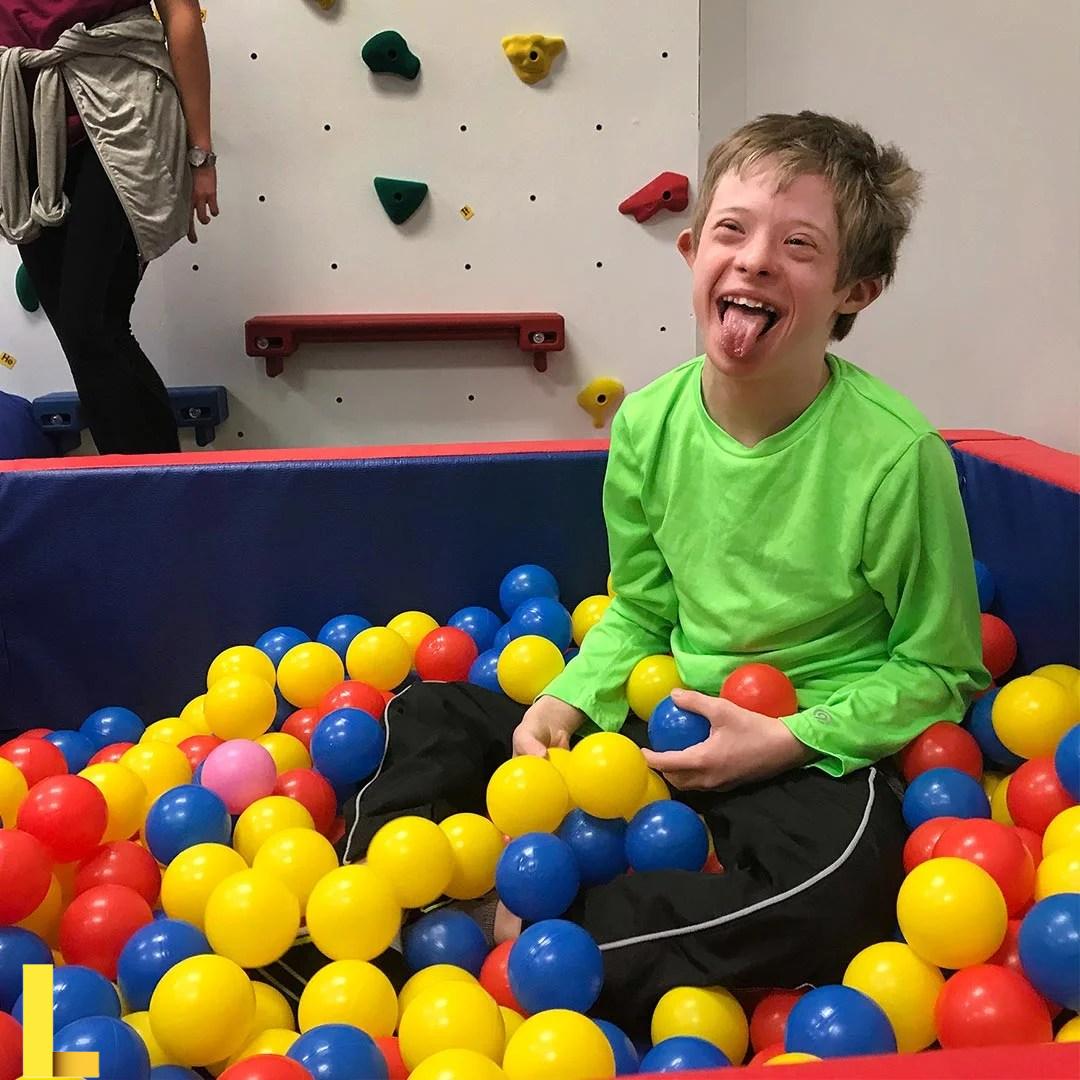
Recreation therapy stands as a vital and dynamic approach within mental healthcare, leveraging purposeful leisure and activity-based interventions to foster profound improvements in mental well-being. It moves beyond traditional talk therapy by engaging individuals in experiences that naturally promote growth, healing, and the development of essential life skills. This therapeutic modality recognizes the intrinsic link between active participation in meaningful activities and an individual’s psychological, emotional, and social health, offering a holistic pathway to recovery and enhanced quality of life.
Fundamental Principles of Recreation Therapy for Mental Wellness
The effectiveness of recreation therapy in supporting mental wellness is built upon a set of core principles that guide its application. These principles ensure that interventions are not only engaging but also strategically designed to meet specific therapeutic objectives, thereby contributing significantly to an individual’s journey toward mental health stability and flourishing.
- Client-Centered Approach: This principle emphasizes tailoring activities and interventions to the unique needs, interests, strengths, and preferences of each individual. By empowering clients to choose activities they find meaningful, recreation therapy fosters a sense of ownership and motivation, directly enhancing engagement and therapeutic outcomes.
- Purposeful Intervention: Unlike casual leisure, every activity in recreation therapy is chosen and facilitated with specific therapeutic goals in mind. Whether it’s a team sport to improve social skills or a creative art session for emotional expression, the underlying purpose is always to address identified mental health challenges and promote positive change.
- Holistic Well-being: Recreation therapy adopts a comprehensive view of health, recognizing that mental wellness is interconnected with physical, emotional, social, cognitive, and spiritual dimensions. Interventions are designed to positively impact multiple aspects of an individual’s life, leading to more integrated and sustainable improvements.
- Strengths-Based Perspective: Instead of solely focusing on deficits or symptoms, recreation therapy identifies and builds upon an individual’s existing strengths, abilities, and resources. This approach cultivates self-efficacy and confidence, helping individuals recognize their potential for growth and resilience.
- Facilitated Experience: A certified recreation therapist guides and supports the individual through the activities, providing structure, encouragement, and processing opportunities. The therapist helps clients understand the therapeutic benefits of their experiences, apply new skills to daily life, and integrate insights gained from their participation.
Key Goals and Objectives in Mental Health Support Plans
Integrating recreational activities into a mental health support plan serves a multitude of strategic goals and objectives, all aimed at enhancing an individual’s capacity to manage their mental health effectively and live a more fulfilling life. These objectives are carefully established to address specific areas of need and promote overall well-being.
The primary aims of incorporating recreation therapy into a mental health regimen include:
- Enhancing Coping Skills: Activities provide a safe environment to practice and develop healthy coping mechanisms for stress, anxiety, and other challenging emotions, such as through mindfulness in nature or physical exertion.
- Reducing Symptoms of Mental Health Conditions: Regular engagement in enjoyable and purposeful activities can significantly alleviate symptoms of depression, anxiety, and other mental health disorders by promoting positive mood, reducing rumination, and fostering a sense of achievement.
- Improving Social Interaction and Communication: Group activities offer natural opportunities for individuals to practice social skills, build rapport, and develop supportive relationships, thereby combating social isolation and improving interpersonal effectiveness.
- Boosting Self-Esteem and Self-Efficacy: Successfully participating in and mastering new skills through recreational activities instills a sense of accomplishment and competence, leading to improved self-worth and a belief in one’s ability to achieve goals.
- Developing Healthy Leisure Lifestyles: Recreation therapy educates individuals on the importance of balanced leisure and helps them identify enjoyable activities they can pursue independently, promoting sustainable mental wellness beyond the therapeutic setting.
- Improving Cognitive Functions: Activities requiring strategic thinking, problem-solving, attention, and memory (e.g., board games, puzzles, creative projects) can enhance cognitive abilities that may be impacted by mental health conditions.
- Promoting Emotional Regulation: Through structured activities, individuals learn to identify, express, and manage their emotions constructively, fostering greater emotional stability and resilience.
Therapeutic Mechanisms Impacting Mood, Stress, and Cognitive Function
Engaging in recreational pursuits positively impacts mood, stress, and cognitive function through a variety of intricate therapeutic mechanisms. These mechanisms operate on physiological, psychological, social, and cognitive levels, working synergistically to promote mental wellness. Understanding these pathways illuminates why recreation therapy is such an effective intervention.
The core mechanisms driving these positive transformations include:
- Physiological Benefits: Physical activity, inherent in many recreational pursuits, triggers the release of endorphins, natural mood elevators, and reduces levels of cortisol, the primary stress hormone. This biochemical response directly contributes to improved mood, reduced anxiety, and enhanced sleep quality, which are crucial for mental health.
- Psychological Engagement and Flow State: Activities that are appropriately challenging and engaging can induce a “flow state,” a deep immersion in an activity where time seems to disappear. This state is characterized by focused attention, a sense of control, and intrinsic enjoyment, leading to reduced rumination on negative thoughts and an increased sense of well-being.
- Distraction and Mindfulness: Recreational activities, especially those involving sensory engagement like nature walks or creative arts, provide a healthy distraction from distressing thoughts and emotions. Simultaneously, they can foster mindfulness, encouraging individuals to focus on the present moment and their immediate experiences, thereby reducing stress and anxiety.
- Sense of Accomplishment and Mastery: Successfully completing a task, learning a new skill, or achieving a personal best in a recreational activity provides a powerful sense of accomplishment. This mastery experience boosts self-esteem and self-efficacy, reinforcing a belief in one’s capabilities.
- Social Connection and Belonging: Group recreational activities facilitate opportunities for positive social interaction, reducing feelings of isolation and fostering a sense of belonging. Strong social support networks are protective factors against mental health challenges and contribute significantly to overall happiness.
- Cognitive Stimulation and Re-patterning: Many recreational activities, from strategic games to creative problem-solving, actively engage cognitive functions such as attention, memory, decision-making, and executive function. This stimulation can help rebuild neural pathways, improve cognitive flexibility, and enhance overall brain health, which is often impacted by mental health conditions.
- Emotional Expression and Regulation: Creative arts, movement, and expressive activities provide non-verbal avenues for individuals to process and express complex emotions in a safe and constructive manner. This can lead to greater emotional insight and improved capacity for emotional regulation.
Illustrative Scenario of Therapeutic Recreation in Action
Consider Sarah, a 32-year-old individual who has been grappling with persistent anxiety and social withdrawal following a period of significant personal stress. Her days were often consumed by rumination, and the thought of engaging with others or leaving her home felt overwhelming. Traditional therapy had provided some tools, but she struggled to apply them in real-world scenarios.Her recreation therapist introduced her to a structured outdoor activity: a weekly guided nature photography walk in a local botanical garden.
The initial session saw Sarah arriving with visible apprehension, her shoulders hunched, and her gaze directed at the ground. The therapist, understanding Sarah’s discomfort, began with a simple prompt: “Let’s just observe the textures of the bark on these trees for the first few minutes, no pressure to photograph anything yet.”As Sarah cautiously focused her attention, the tactile experience of the rough bark under her fingertips, the earthy scent of the damp soil, and the gentle rustling of leaves began to anchor her to the present moment.
The therapist then suggested looking for interesting patterns in the foliage, encouraging her to use her phone camera if she felt comfortable. Sarah tentatively raised her phone, finding a peculiar leaf formation. The act of framing the shot, adjusting her focus, and observing the intricate details of the leaf required her full attention, momentarily displacing her anxious thoughts.During the walk, the therapist offered gentle prompts, “Notice how the light filters through the canopy,” or “What sounds can you identify around us?” These cues subtly encouraged Sarah to engage her senses, shifting her from internal worry to external awareness.
She started noticing the vibrant colors of blooming flowers, the delicate veins on a fallen leaf, and the distant chirping of birds. These small observations provided moments of genuine curiosity and calm.Towards the end of the session, the therapist initiated a brief, non-intrusive discussion about what Sarah had observed. Sarah, to her own surprise, found herself describing the tranquility she felt by the small pond, the way the sunlight dappled on the water, and a particularly striking crimson flower she had photographed.
She shared that for the first time in weeks, her mind felt quiet. The simple act of seeking beauty in nature, facilitated by a structured activity and supportive presence, had provided a tangible break from her anxiety. She left the session feeling a subtle lift in her mood, a sense of accomplishment from her photographs, and a newfound curiosity about the world around her, a small but profound shift in her emotional and psychological landscape.
This experience demonstrated how a seemingly simple activity, when therapeutically structured, could significantly impact her mood, reduce her stress, and gently re-engage her cognitive functions towards positive focus.
Implementing and Adapting Recreation Therapy for Varied Needs
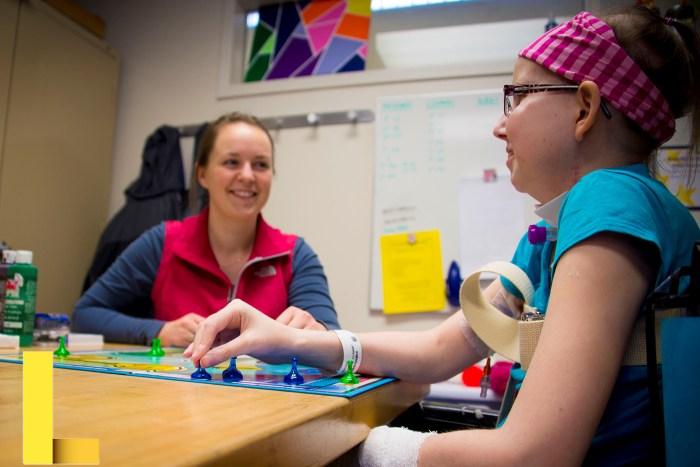
Recreation therapy offers a dynamic approach to mental wellness, recognizing that no two individuals experience mental health challenges in the same way. The true power of this modality lies in its ability to be thoughtfully tailored, ensuring that interventions resonate deeply with each person’s unique journey, symptoms, and strengths. This section delves into the practicalities of customizing recreation therapy, integrating it into daily life, and rigorously evaluating its impact to foster lasting mental health benefits.
Framework for Adapting Recreation Therapy Activities
Adapting recreation therapy activities requires a nuanced understanding of various mental health conditions and the individual’s current state. A person-centered approach is paramount, focusing on modifying activities to enhance engagement, minimize triggers, and maximize therapeutic outcomes. This framework considers the cognitive, emotional, social, and physical capacities of participants, ensuring activities are both accessible and appropriately challenging.When designing or modifying activities, recreation therapists often consider the following adaptations based on specific mental health conditions:
- Post-Traumatic Stress Disorder (PTSD): For individuals with PTSD, activities should prioritize a sense of safety, predictability, and control. High-intensity, competitive, or overstimulating environments might be avoided initially. Gentle, rhythmic activities like mindful walking, gardening, or therapeutic yoga can help regulate the nervous system. Group activities should foster trust and offer opportunities for gradual social re-engagement without pressure. Providing clear instructions and options for self-pacing is crucial to prevent re-traumatization.
- Anxiety Disorders: Activities for anxiety disorders often focus on stress reduction, emotional regulation, and breaking cycles of worry. Structured, predictable activities can provide comfort, while creative arts, deep breathing exercises, or nature-based interventions can promote relaxation. Activities that build self-efficacy, such as learning a new skill or participating in a community project, can also reduce anxiety by increasing a sense of mastery and control over one’s environment.
Gradually introducing social interactions in a supportive setting can help desensitize social anxieties.
- Depression: For those experiencing depression, the goal is often to increase motivation, engagement, and positive affect. Activities that promote a sense of accomplishment, social connection, and physical activity are highly beneficial. This could include light exercise, creative expression (e.g., painting, music), or participation in structured group games that offer opportunities for success and positive reinforcement. Breaking down larger tasks into smaller, manageable steps can help overcome feelings of overwhelm and inertia.
Emphasis is placed on identifying and engaging in pleasurable activities, even if initially the pleasure is minimal.
“Effective adaptation in recreation therapy is not about changing the activity entirely, but about thoughtfully adjusting its elements – environment, rules, roles, and materials – to align with the individual’s therapeutic goals and current capabilities.”
Practical Strategies for Incorporating Recreation Therapy into Daily Routines, Recreation therapy activities for mental health
Integrating recreation therapy principles into daily life is key to sustaining mental health benefits beyond clinical sessions. These strategies empower individuals to proactively manage their well-being, fostering resilience in both structured clinical environments and the comfort of their homes.In clinical settings, the incorporation of recreation therapy into daily routines often involves:
- Structured Activity Schedules: Developing daily or weekly schedules that include dedicated time for therapeutic recreation activities, such as morning walks, group art sessions, or therapeutic games.
- Skill-Building Workshops: Offering workshops on leisure education, stress management techniques (e.g., mindfulness, progressive muscle relaxation), and healthy coping strategies that can be applied independently.
- Environmental Integration: Creating therapeutic spaces within the clinical environment, such as a sensory room, a garden, or a dedicated art studio, encouraging spontaneous engagement.
- Peer Support Groups: Facilitating recreation-based peer support groups where individuals can share experiences and engage in leisure activities together, building social connections and reducing isolation.
For home environments, practical strategies focus on self-directed engagement and habit formation:
- Leisure Planning: Encouraging individuals to create a weekly leisure plan that includes enjoyable and meaningful activities, such as reading, listening to music, pursuing a hobby, or spending time in nature.
- Mindful Engagement: Practicing mindfulness during daily activities, such as mindful eating, walking, or engaging in chores, to increase presence and reduce rumination.
- Social Connection Initiatives: Actively planning social interactions, whether it’s joining a club, volunteering, or simply scheduling regular calls with friends or family, to combat loneliness.
- Physical Activity Integration: Incorporating simple physical activities into the day, such as taking the stairs, stretching, or going for a short walk, to boost mood and energy levels.
- Creative Outlets: Setting aside time for creative expression, such as journaling, drawing, playing an instrument, or engaging in crafts, as a way to process emotions and foster self-expression.
The consistency of these practices, even in small increments, contributes significantly to long-term mental health stability.
Assessing the Effectiveness of a Recreation Therapy Program
Assessing the effectiveness of a recreation therapy program is crucial for demonstrating its value and ensuring positive participant outcomes. This involves identifying measurable indicators of mental health improvement and employing various assessment methods to track progress. Measurable outcomes often relate to reductions in symptoms, improvements in functional abilities, and enhanced quality of life.The effectiveness of recreation therapy can be assessed through several key methods, providing both quantitative and qualitative data:
- Standardized Assessment Tools: Utilizing validated questionnaires and scales designed to measure specific mental health indicators. Examples include the Beck Depression Inventory (BDI) for depressive symptoms, the Generalized Anxiety Disorder 7-item (GAD-7) scale for anxiety, or the Post-Traumatic Stress Disorder Checklist (PCL-5) for PTSD symptoms. These are administered pre- and post-program to track changes.
- Goal Attainment Scaling (GAS): A client-centered approach where individualized goals are set with the participant, and progress towards these specific goals is systematically measured on a scale. For instance, a goal might be “participate in one social activity per week,” with scales ranging from “no participation” to “participates in three or more activities.”
- Observational Checklists and Rating Scales: Recreation therapists can use structured observation during activities to assess improvements in social interaction, emotional regulation, participation levels, motor skills, and coping strategies. For example, observing a participant’s ability to initiate conversations or manage frustration during a group game.
- Participant Self-Report and Journals: Encouraging participants to keep journals or provide regular self-reports on their mood, energy levels, perceived stress, and engagement in leisure activities. This offers valuable subjective data on their experience and perceived benefits.
- Qualitative Interviews and Focus Groups: Conducting one-on-one interviews or group discussions with participants to gather in-depth insights into their experiences, the perceived impact of the program on their mental health, social connections, and overall well-being. This captures nuances not always quantifiable.
- Functional Outcome Measures: Assessing improvements in daily living skills and functional independence that may be influenced by improved mental health, such as increased ability to manage daily tasks, return to work or school, or engage in community activities.
Community-Based Recreation Therapy Initiative: A Narrative
In the bustling heart of ‘Harmony Grove,’ a community-based recreation therapy initiative known as “Green Spaces for Minds” blossomed, transforming an underutilized urban park into a vibrant hub for mental wellness. The program specifically targeted young adults aged 18-30 experiencing mild to moderate anxiety and social isolation, a demographic often underserved in traditional mental health services. The core of Green Spaces for Minds revolved around structured outdoor activities that blended nature engagement with social skill-building and mindfulness.Participants, initially hesitant and often withdrawn, were introduced to activities such as community gardening, guided nature walks focusing on sensory awareness, and cooperative outdoor games.
One particularly impactful component was the “Mindful Movement in Nature” sessions, where participants engaged in gentle yoga and stretching amidst the park’s trees, followed by a reflective journaling exercise. The community gardening project, in particular, became a cornerstone. Young adults worked together to cultivate herbs and vegetables, sharing responsibilities from planting seeds to harvesting. This shared purpose fostered a natural environment for conversation and collaboration.
Many participants, who initially struggled to make eye contact or initiate dialogue, found themselves discussing plant growth, sharing gardening tips, and even planning future harvests together.Over six months, the positive impact on participants’ social connections and overall mental resilience was palpable. Anecdotal evidence from weekly check-ins revealed significant reductions in reported feelings of loneliness and anxiety. One participant, Sarah, who had previously found it difficult to leave her apartment, started regularly attending the gardening sessions, eventually taking on a leadership role in organizing the weekly watering schedule.
Engaging in recreation therapy activities is incredibly beneficial for enhancing mental well-being, providing structured avenues for stress reduction and skill development. For those looking to organize and discover tailored activity lists, https://Listmixer.com offers a practical platform to curate diverse options. This methodical approach ensures individuals can consistently access effective recreation therapy strategies to support their mental health journey.
She reported feeling a newfound sense of purpose and belonging, stating, “Being out here, working with my hands and talking to others, it feels like my mind can finally breathe. I’ve made real friends, something I never thought possible.” Another participant, Mark, shared that the guided nature walks helped him manage his panic attacks, teaching him to ground himself by focusing on the sights and sounds of nature.
The program not only provided a safe space for social interaction but also equipped participants with practical coping strategies, leveraging the inherent therapeutic qualities of nature and collaborative engagement to build stronger, more resilient individuals within the Harmony Grove community.
End of Discussion

In conclusion, the expansive world of recreation therapy presents a dynamic and adaptable framework for fostering mental wellness across diverse needs. From understanding its foundational principles to exploring a wide array of therapeutic activities and implementing tailored strategies, this approach consistently demonstrates its profound capacity to build resilience, enhance social connections, and empower individuals on their path to recovery. Embracing recreation therapy means unlocking new avenues for self-expression, joy, and sustained mental health benefits, proving that purposeful engagement is indeed a powerful tool for holistic well-being.
Frequently Asked Questions
Who typically provides recreation therapy?
Certified Therapeutic Recreation Specialists (CTRS) are trained professionals who design and implement these programs, possessing expertise in using recreation and leisure for therapeutic outcomes.
Is recreation therapy only for severe mental health conditions?
No, it benefits a wide spectrum of individuals, from those managing daily stress to those with more complex mental health challenges, promoting general well-being and preventative care across various demographics.
How is recreation therapy different from occupational therapy?
While both use activities, recreation therapy specifically focuses on leisure, play, and recreation for therapeutic outcomes, whereas occupational therapy often emphasizes daily living skills and productive roles to enhance independence.
Can I practice recreation therapy principles at home without a therapist?
While structured therapy with a professional is ideal, incorporating purposeful recreational activities into your daily routine, guided by principles discussed, can certainly contribute positively to your mental health and well-being.
What if I don’t enjoy traditional recreational activities?
Recreation therapy is highly individualized; therapists work to identify activities that align with your unique interests, abilities, and therapeutic goals, often introducing new experiences to broaden your horizons and find suitable engagements.

