

Bachelor of Science in Recreation offers a dynamic pathway for individuals passionate about enhancing quality of life through engaging activities and well-managed environments. This interdisciplinary degree prepares students to lead, organize, and implement programs that foster health, well-being, and community engagement across diverse settings.
Throughout this comprehensive program, students delve into foundational principles of recreation studies, exploring course categories such as program planning, park management, and therapeutic recreation. The curriculum is designed to cultivate essential professional skills, including strategic planning, effective communication, and problem-solving, all crucial for navigating the varied demands of the recreation field. Practical experiences, often culminating in capstone projects, ensure graduates are well-equipped to make significant contributions immediately upon entering their chosen careers.
Foundations and Academic Structure of Recreation Studies
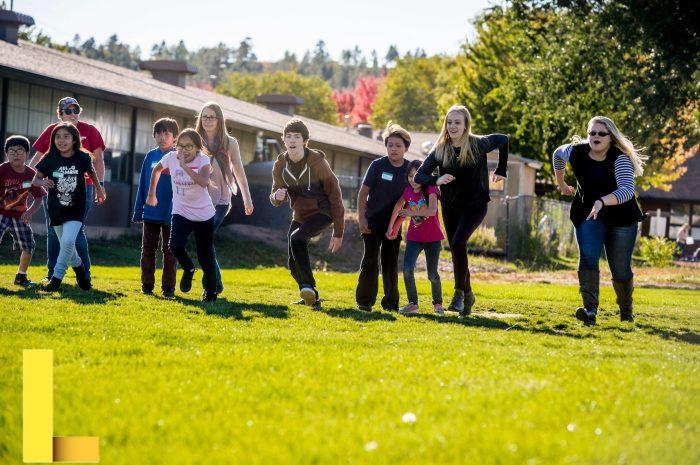
A Bachelor of Science in Recreation offers a comprehensive academic journey into the dynamic field of leisure, well-being, and community development. This degree is meticulously designed to equip students with the theoretical knowledge and practical skills necessary to plan, implement, and manage recreational programs and services across diverse settings. It prepares professionals to enhance the quality of life for individuals and communities through purposeful engagement in leisure activities.The core principles of recreation studies are deeply rooted in promoting health, fostering community cohesion, advocating for environmental stewardship, and ensuring equitable access to leisure opportunities for all.
The scope of this field is remarkably broad, encompassing everything from municipal park systems and commercial tourism ventures to therapeutic interventions in healthcare settings and outdoor adventure education. Its interdisciplinary nature is a defining characteristic, drawing extensively from disciplines such as psychology, sociology, public health, business administration, environmental science, and education, creating a holistic understanding of human behavior, societal needs, and resource management.
Common Course Categories in Recreation Studies
The curriculum for a Bachelor of Science in Recreation is structured to provide students with a robust and versatile skill set, covering various facets of the recreation profession. The following course categories represent the foundational knowledge areas essential for success in this field:
- Program Planning and Leadership: Courses focusing on the principles of designing, implementing, and evaluating recreation programs, alongside developing effective leadership and group facilitation skills.
- Park and Resource Management: Studies in the sustainable management of natural and cultural resources within parks, protected areas, and recreational facilities, including operations, maintenance, and conservation.
- Therapeutic Recreation: Specialized courses addressing the use of recreation as a clinical intervention to improve the physical, cognitive, emotional, social, and spiritual functioning of individuals with illnesses or disabilities.
- Outdoor Recreation and Adventure Education: Exploration of outdoor pursuits, environmental education, risk management, and the development of leadership skills in wilderness and adventure settings.
- Tourism and Commercial Recreation: Examination of the business aspects of recreation, including tourism development, marketing, event management, and the operation of commercial leisure enterprises.
- Recreation Administration and Policy: Focus on organizational structures, financial management, legal issues, policy development, and ethical considerations in recreation agencies.
- Research and Evaluation Methods in Recreation: Introduction to research methodologies, data collection, statistical analysis, and program evaluation techniques pertinent to the recreation field.
Key Competencies and Professional Skills Acquired, Bachelor of science in recreation
The Bachelor of Science in Recreation program is specifically designed to cultivate a diverse array of competencies and professional skills that are highly valued in the recreation, leisure, and public service sectors. Graduates emerge with both the theoretical understanding and practical expertise to excel in various professional roles, demonstrating readiness for immediate impact.
| Skill Category | Specific Skill | Description | Example Application |
|---|---|---|---|
| Leadership | Transformational Leadership | Inspiring and motivating individuals or groups towards a shared vision, fostering collaboration, and promoting personal growth and development within a team. | Leading a diverse team of community volunteers to organize a large-scale environmental clean-up event in a local park, ensuring all participants are engaged and contribute meaningfully to the conservation effort. |
| Program Management | Event Coordination | Meticulous planning, execution, and evaluation of recreational events, encompassing logistics management, budget allocation, vendor relations, and personnel supervision. | Orchestrating a multi-day youth sports tournament for a municipal recreation department, including venue booking, scheduling games, securing sponsorships, and managing safety protocols for hundreds of participants. |
| Environmental Stewardship | Sustainable Resource Management | Applying principles of sustainability to manage natural and cultural resources, balancing public access and recreational use with long-term ecological preservation and conservation. | Developing and implementing a comprehensive management plan for a wilderness park that integrates trail maintenance, wildlife protection, and visitor education programs to minimize human impact. |
| Client-Centered Practice | Needs Assessment and Program Adaptation | Identifying the diverse needs and interests of various participant groups and skillfully adapting recreation programs to ensure inclusivity, accessibility, and maximum benefit for all individuals. | Designing an adaptive fitness program for older adults with varying mobility levels, incorporating specialized exercises, equipment modifications, and personalized instruction to promote physical activity and social engagement. |
Typical Academic Project or Capstone Experience
A hallmark of the Bachelor of Science in Recreation program is often a culminating academic project or capstone experience, which serves as an invaluable opportunity for students to synthesize their accumulated knowledge and apply it to a real-world scenario. This experience is designed to bridge the gap between academic theory and professional practice, preparing students for the complexities of the recreation field.The primary objectives of such a project typically include demonstrating mastery of program planning and management principles, conducting original research or comprehensive program development, and proposing viable solutions to current challenges within recreation services.
Pursuing a Bachelor of Science in Recreation equips individuals with essential skills for developing engaging community programs. Effective program coordination often necessitates streamlined administrative processes. Professionals can significantly benefit from platforms like Listmixer to efficiently manage attendee registrations, track resource allocation, and organize event logistics. This integration of practical tools supports the comprehensive planning taught within recreation degree curricula.
Students are expected to showcase their critical thinking, problem-solving, and communication skills through an intensive, self-directed endeavor. The methodology often involves a systematic approach, beginning with a thorough literature review and needs assessment to identify a specific recreational problem or opportunity. This is followed by data collection, which might include surveys, interviews with stakeholders, or direct observation. Subsequently, students analyze their findings to inform the design of a new recreation program, the development of a strategic plan for a recreational facility, or an evaluation of an existing service.
Expected outcomes typically include a detailed professional report, a comprehensive program proposal, a policy recommendation document, or a formal presentation to a panel of faculty and industry professionals. These projects not only provide practical experience but also create a tangible portfolio piece that highlights the graduate’s capabilities and readiness to contribute meaningfully to the recreation sector.
Career Trajectories and Professional Roles in Recreation

A Bachelor of Science in Recreation degree opens doors to a dynamic and impactful professional landscape, offering graduates a diverse array of career paths focused on enhancing individual and community well-being through purposeful leisure and activity. Professionals in this field are instrumental in designing, implementing, and managing programs and services that promote health, foster social connections, and provide enriching experiences across various settings.
The versatility of this degree equips individuals with adaptable skills, enabling them to navigate roles that range from direct program delivery to administrative oversight and strategic planning.The recreation field is characterized by its broad reach, encompassing roles within public agencies, non-profit organizations, and commercial enterprises. Each sector presents unique opportunities and challenges, allowing graduates to tailor their career trajectory to align with their passions and professional aspirations.
Understanding these distinctions is crucial for aspiring recreation professionals as they envision their future contributions to the quality of life for diverse populations.
Diverse Career Opportunities and Specific Professional Roles
Graduates with a Bachelor of Science in Recreation are highly sought after across a multitude of sectors, each offering distinct environments for applying their expertise. These roles consistently focus on improving the quality of life through planned recreation, leisure, and wellness activities, catering to a wide range of demographics and needs.In the public sector, opportunities abound within government agencies at municipal, county, state, and national levels.
These roles often involve managing parks, community centers, and public lands, ensuring access to recreational resources for all citizens. Examples include:
- Recreation Specialist/Coordinator:
- Plans, organizes, and directs a variety of recreational activities and programs for specific populations (e.g., youth, seniors, individuals with disabilities).
- Manages program budgets, secures necessary resources, and oversees facilities.
- Recruits, trains, and supervises part-time staff and volunteers.
- Conducts program evaluations to assess effectiveness and participant satisfaction.
- Park Ranger:
- Protects natural and cultural resources within parks and wilderness areas.
- Provides interpretive programs and educational tours for visitors.
- Enforces park rules and regulations to ensure visitor safety and resource preservation.
- Conducts search and rescue operations and provides emergency medical assistance when needed.
The non-profit sector provides avenues for service-oriented professionals to work with organizations dedicated to community betterment and social impact. These roles often involve delivering programs that address specific community needs, such as youth development, healthy living, or environmental education. Examples include:
- Program Director (YMCA, Boys & Girls Clubs):
- Develops and implements comprehensive programs aligned with the organization’s mission and goals.
- Manages program staff, volunteers, and operational budgets.
- Engages with community partners and stakeholders to expand program reach and impact.
- Ensures programs meet safety standards and regulatory requirements.
- Therapeutic Recreation Specialist:
- Assesses individual needs and develops goal-oriented recreation programs for individuals with illnesses, disabilities, or other limiting conditions.
- Utilizes recreation and leisure activities as a form of treatment to improve physical, cognitive, emotional, and social functioning.
- Collaborates with healthcare teams, families, and caregivers to integrate therapeutic recreation into overall treatment plans.
- Documents client progress and adjusts interventions as necessary.
In the commercial sector, recreation professionals contribute to profit-driven enterprises that offer leisure and entertainment services. These roles often focus on customer experience, marketing, and business operations within resorts, fitness centers, cruise lines, or event management companies. Examples include:
- Event Coordinator/Manager:
- Plans, organizes, and executes a wide range of events, including festivals, conferences, concerts, and corporate gatherings.
- Manages logistics such as venue selection, vendor contracts, scheduling, and staffing.
- Develops marketing strategies and promotional materials to attract attendees.
- Oversees event budgets and ensures adherence to financial targets.
- Corporate Wellness Coordinator:
- Designs and implements wellness programs for employees, focusing on physical activity, nutrition, stress management, and work-life balance.
- Conducts health screenings, risk assessments, and educational workshops.
- Promotes employee participation through incentives and communication campaigns.
- Evaluates program effectiveness and reports on employee health outcomes and engagement.
Community Impact and Engagement Through Recreation Roles
Recreation professionals play a pivotal role in enhancing the quality of life within communities, fostering environments where individuals can thrive physically, mentally, and socially. Their work extends beyond simply organizing activities; it involves creating inclusive spaces, promoting healthy lifestyles, and building strong community bonds. Through thoughtful program design and dedicated engagement, these professionals address critical community needs, from youth development and senior well-being to environmental stewardship and cultural celebration.Consider the “Summer Fun Fest,” an annual community-wide event organized by the municipal Recreation Coordinator, Sarah, in a mid-sized city.
Sarah, leveraging her recreation degree, began planning six months in advance, collaborating with local businesses, schools, and non-profit groups. Her vision was to create a free, accessible day of activities for families, promoting active living and community cohesion. She secured permits for the main city park, coordinated with food truck vendors, and booked local musicians. A key element of her plan was the “Active Zones,” where local fitness instructors led mini-classes in yoga, Zumba, and martial arts, encouraging participation regardless of age or fitness level.
For children, she arranged a series of traditional field day games, a storytelling tent, and a mobile climbing wall, all supervised by trained recreation assistants and volunteers. Sarah also partnered with the local health department to offer free health screenings and information booths on nutrition and mental wellness, seamlessly integrating health education into the festive atmosphere. On the day of the event, thousands of residents converged, enjoying the diverse offerings, connecting with neighbors, and discovering new ways to stay active.
Sarah’s meticulous planning and dedication transformed a public park into a vibrant hub of community engagement, demonstrating how recreation professionals directly contribute to the social fabric and overall well-being of a city. The “Summer Fun Fest” became a testament to how strategic recreation programming can build stronger, healthier, and more connected communities.
Comparison of Daily Tasks in Different Recreation Settings
The daily experiences of recreation professionals can vary significantly depending on their operational setting, even though their overarching goal remains the enhancement of well-being through recreation. A professional working in a municipal park setting, for instance, faces different logistical, programmatic, and interpersonal dynamics compared to one embedded within a corporate wellness program. Understanding these distinctions helps illuminate the diverse applications of a recreation degree.Here is a comparison highlighting the typical daily tasks and key challenges in two distinct recreation settings:
| Setting | Typical Daily Tasks | Key Challenges |
|---|---|---|
| Municipal Park and Recreation Department |
|
|
| Corporate Wellness Program |
|
|
Outcome Summary
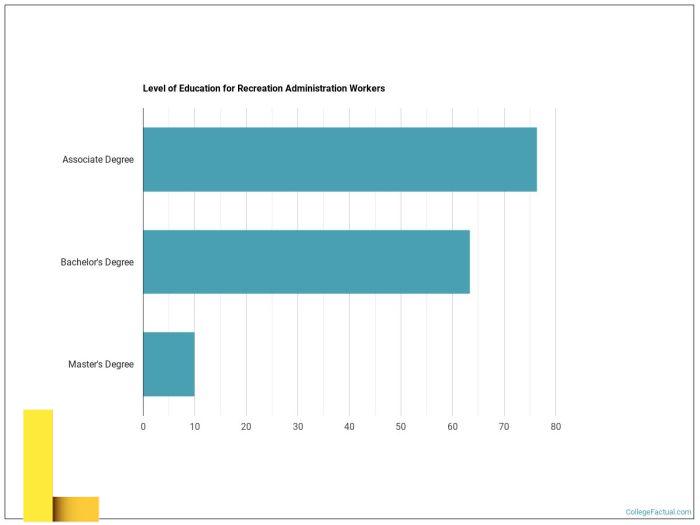
Ultimately, the Bachelor of Science in Recreation is more than just a degree; it’s a commitment to fostering vibrant communities and improving individual lives. Graduates emerge as versatile professionals, ready to design innovative programs, manage impactful facilities, and champion the profound societal benefits of recreation, from boosting physical health to strengthening social bonds. This degree truly empowers individuals to create meaningful experiences and lasting positive change in the world.
Questions Often Asked: Bachelor Of Science In Recreation
Is a Bachelor of Science in Recreation solely focused on sports?
Not at all. While sports can be a component, the degree encompasses a much broader scope, including outdoor adventure, therapeutic recreation, event planning, park management, and community programming, all aimed at enhancing quality of life.
What kind of job growth can I expect in the recreation field?
The field generally shows stable to positive growth, particularly in areas like corporate wellness, senior care, and therapeutic services, as demand for structured leisure and health-promoting activities increases.
Do I need to be an avid outdoors person or highly athletic to succeed in this program?
Not necessarily. While an appreciation for various activities is beneficial, the program emphasizes leadership, planning, and management skills. Success hinges more on your ability to organize, communicate, and facilitate engaging experiences for diverse populations.
Can I pursue further education after completing this degree?
Absolutely. Many graduates go on to pursue master’s degrees in fields such as Parks and Recreation Management, Public Health, Kinesiology, or even Business Administration, depending on their career aspirations.
What are some common certifications that complement this degree?
Popular certifications include Certified Park and Recreation Professional (CPRP), Certified Therapeutic Recreation Specialist (CTRS), Wilderness First Responder (WFR), and various sports-specific or outdoor leadership certifications, enhancing specialized career pathways.

