

Recreational diving invites enthusiasts into a breathtaking underwater world, offering an unparalleled blend of adventure, tranquility, and discovery. This journey begins with foundational steps, including essential certifications and understanding core equipment, ensuring every new diver is well-prepared for their aquatic explorations. From mastering buoyancy to navigating initial open water descents, the initial phases are crucial for building confidence and competence beneath the surface.
As divers progress, they uncover a myriad of premier global destinations, each presenting unique marine life and topographical wonders, alongside diverse experiences like vibrant reef dives or mysterious wreck explorations. The path continues with opportunities for skill advancement through specialized courses, reinforcing safety protocols and equipment maintenance, all contributing to a rich and secure diving experience.
The Fundamentals of Beginning Your Underwater Journey

Embarking on the journey into the underwater world is an incredibly rewarding experience, opening up a realm of breathtaking beauty and serene exploration. For those new to diving, understanding the foundational steps, essential gear, and crucial safety protocols is paramount to ensuring a safe, enjoyable, and memorable adventure beneath the waves. This segment provides a comprehensive guide to initiating your path as a certified recreational diver, detailing everything from the certification process to vital safety measures.The initial phase of becoming a diver involves structured training that combines theoretical knowledge with practical skills, designed to equip individuals with the confidence and competence required for independent underwater exploration.
This comprehensive approach ensures that every new diver is well-prepared to manage their equipment, understand marine environments, and respond effectively to various situations underwater.
The Essential Certification Process for Recreational Diving
To legally and safely engage in recreational diving, individuals must undergo a certification process provided by recognized training organizations. These programs are meticulously designed to teach the necessary skills and knowledge, ensuring divers can explore underwater environments responsibly. The typical path to becoming a certified Open Water Diver involves several key stages, each building upon the last to develop a comprehensive skill set.
- Knowledge Development: This initial stage focuses on theoretical understanding, covering dive physics, physiology, equipment principles, dive planning, and environmental considerations. It is often completed through self-study, online modules, or classroom sessions, culminating in quizzes and a final exam to ensure comprehension.
-
Confined Water Dives: Following theoretical understanding, participants move to confined water environments, such as swimming pools or calm, shallow areas. Here, instructors teach fundamental diving skills, including equipment assembly, buoyancy control, mask clearing, regulator recovery, emergency ascent procedures, and out-of-air drills. This phase is crucial for building comfort and proficiency with basic diving techniques in a controlled setting.
Recreational diving provides an incredible opportunity to explore vibrant underwater ecosystems, a truly rewarding experience. Should you also be considering other engaging community activities, perhaps finding a recreational basketball league near me could offer a different kind of challenge. Nevertheless, the serene beauty and adventure found beneath the waves continue to captivate diving enthusiasts.
-
Open Water Dives: The culmination of the certification process involves several open water dives, typically four, conducted in natural aquatic environments like oceans, lakes, or quarries. During these dives, students demonstrate mastery of the skills learned in confined water, applying them in a real-world setting under the direct supervision of an instructor. These dives also introduce divers to navigation, understanding currents, and interacting responsibly with marine life.
Exploring the vibrant underwater world through recreational diving is truly captivating. Beyond the ocean’s depths, many appreciate diverse outdoor pursuits. For excellent land-based leisure and community events, exploring kay park recreation offers superb options. Engaging in such varied activities can wonderfully enhance one’s overall fitness, proving beneficial for future diving adventures.
- Certification Issuance: Upon successful completion of all knowledge development, confined water skills, and open water performance requirements, the student is awarded an Open Water Diver certification. This internationally recognized credential permits the holder to dive with a buddy, independent of professional supervision, to a maximum depth typically around 18 meters (60 feet).
Core Equipment for Recreational Diving
Recreational diving relies on a specific set of equipment, each piece playing a critical role in enabling a diver to breathe, see, move, and control their buoyancy underwater. Understanding the function and proper maintenance of each item is fundamental for every diver. The following table details the core equipment, its primary function, key features, and essential maintenance tips.
| Equipment Item | Primary Function | Key Features | Maintenance Tip |
|---|---|---|---|
| Mask | Provides clear underwater vision by creating an air space in front of the eyes. | Tempered glass lens, silicone skirt for a comfortable seal, adjustable strap, low volume design. | Rinse thoroughly with fresh water after each dive; store in a cool, dry place away from direct sunlight. |
| Snorkel | Allows breathing at the surface without lifting the head, conserving air from the tank. | Ergonomic mouthpiece, purge valve for easy water clearing, splash guard or dry top to prevent water entry. | Rinse with fresh water, especially the mouthpiece; check for cracks or damage to the tube. |
| Fins | Propels the diver through water efficiently with minimal effort. | Open-heel (worn with booties) or full-foot design, various blade styles (paddle, split, force), comfortable foot pocket. | Rinse with fresh water; inspect straps and buckles for wear; store flat to prevent warping. |
| Buoyancy Control Device (BCD) | Allows the diver to control buoyancy by inflating or deflating an air bladder, enabling neutral buoyancy underwater and flotation at the surface. | Integrated weight pockets, adjustable straps, oral inflator, power inflator connected to the air tank, dump valves. | Rinse inside and out with fresh water, partially inflate to dry, ensure all salt is removed from power inflator mechanism. |
| Regulator | Reduces high-pressure air from the tank to ambient pressure, delivering breathable air to the diver on demand. | First stage (attaches to tank), second stage (mouthpiece), balanced or unbalanced design, environmental sealing. | Rinse with fresh water while attached to a tank with pressure (or with dust cap securely on first stage); annual servicing by a qualified technician. |
| Alternate Air Source (Octopus) | Provides a secondary second stage regulator for use by a buddy in an out-of-air emergency. | Often brightly colored for visibility, long hose for easy sharing, typically a simpler design than the primary regulator. | Same maintenance as the primary regulator; ensure it is easily accessible and clearly marked. |
| Submersible Pressure Gauge (SPG) | Displays the remaining air pressure in the dive tank. | Analog or digital display, often integrated into a console with a depth gauge, robust housing. | Rinse thoroughly with fresh water, especially around the swivel; protect the gauge face from impact. |
| Dive Computer | Monitors depth, bottom time, and calculates no-decompression limits, ascent rates, and surface intervals. | Wrist-mounted or console-integrated, air-integrated capabilities, various algorithms, backlight, logbook function. | Rinse with fresh water, dry completely, check battery levels, follow manufacturer’s instructions for software updates. |
| Exposure Suit (Wetsuit/Drysuit) | Provides thermal insulation to keep the diver warm in varying water temperatures. | Neoprene thickness (e.g., 3mm, 5mm, 7mm) for wetsuits, seals at wrists/neck/ankles, zippers, drysuits require specialized undergarments. | Rinse thoroughly with fresh water, hang to dry on a wide hanger (not wire), avoid prolonged sun exposure, lubricate zippers. |
| Weights and Weight System | Counteracts the diver’s natural buoyancy and the buoyancy of their exposure suit, allowing them to descend. | Lead weights, weight belt, integrated weight pockets in BCD, quick-release mechanisms. | Rinse weights and belt with fresh water; ensure quick-release mechanisms are free of sand and operate smoothly. |
Fundamental Safety Rules and Buddy System Protocols
Safety is the cornerstone of recreational diving. Adhering to fundamental safety rules and diligently practicing the buddy system are not merely recommendations but critical requirements for preventing incidents and ensuring a safe return to the surface after every dive. These protocols are instilled from the very first training sessions and are expected to be maintained throughout a diver’s career.Understanding and internalizing these safety rules is essential for every diver:
- Plan Your Dive, Dive Your Plan: Before entering the water, divers must plan their dive, considering depth, bottom time, air consumption, entry/exit points, and emergency procedures. Sticking to this plan helps prevent unexpected situations.
- Never Dive Alone: Always dive with a buddy. The buddy system provides an extra layer of safety, allowing divers to assist each other in emergencies, share air, or simply point out interesting marine life.
- Check Your Gear: Perform a thorough pre-dive safety check of all equipment, including your buddy’s gear. Ensure everything is correctly assembled, functioning properly, and that you have sufficient air.
- Stay Within Your Limits: Divers should only dive to depths and in conditions appropriate for their training, experience, and comfort level. Never push limits or exceed no-decompression limits calculated by your dive computer.
- Ascend Slowly and Perform a Safety Stop: A slow ascent rate (typically no faster than 18 meters/60 feet per minute) is crucial to allow the body to off-gas nitrogen safely. A safety stop, usually for three minutes at 5 meters (15 feet), provides an additional buffer against decompression sickness.
- Maintain Buoyancy Control: Proper buoyancy control protects the marine environment from accidental contact and conserves air by reducing unnecessary movement. It also allows for effortless hovering and controlled ascents/descents.
The buddy system is an indispensable safety measure in diving, founded on mutual support and responsibility.
The buddy system ensures that two divers always look out for each other, providing immediate assistance and enhancing overall dive safety.
Key protocols of the buddy system include:
- Pre-Dive Checks (BWRAF/BEGIN): Conduct a comprehensive buddy check before entering the water. Common mnemonics like BWRAF (BCD, Weights, Releases, Air, Final check) or BEGIN (BCD, Equipment, Gauge, In-water, Navigation) help ensure all gear is properly donned and functioning.
- Stay Together: Buddies should remain within close proximity and visual contact throughout the entire dive. The maximum distance between buddies should allow for immediate assistance if needed, typically within a few arm lengths.
- Communication: Establish clear hand signals and agreed-upon communication methods before the dive. Regularly check in with your buddy to ensure they are okay and to share observations.
- Mutual Assistance: Be prepared to assist your buddy with equipment issues, air sharing, cramps, or other minor problems. Conversely, your buddy should be ready to assist you.
- Emergency Procedures: Discuss and review emergency procedures with your buddy before the dive, including how to handle out-of-air situations, equipment malfunctions, and separation.
Illustration: A New Diver’s First Open Water Descent, Recreational diving
Imagine a vibrant, sun-drenched morning as a newly certified diver, their excitement palpable, prepares for their inaugural open water descent. The surface of the water, a shimmering expanse of sapphire blue, hints at the wonders below. As they gently roll backward from the dive boat, the initial splash quickly subsides, giving way to the gentle embrace of the ocean. Below, the water is astonishingly clear, with visibility extending for what feels like an infinite distance, allowing the sunlight to penetrate deep, creating ethereal shafts of light that dance through the water column.The diver, a figure of calm focus in their black wetsuit and streamlined gear, slowly begins their descent, exhaling steadily to control their buoyancy.
Small, iridescent bubbles stream gracefully upwards from their regulator, catching the light as they ascend. Their body is perfectly horizontal, fins barely fluttering, demonstrating excellent buoyancy control as they drift downwards with deliberate grace. Below them, a kaleidoscope of marine life begins to unfold: schools of iridescent blue tangs dart through intricate coral formations, their colors brilliant against the backdrop of the reef.
A curious parrotfish, with its vibrant green and purple scales, leisurely nibbles on a coral head, oblivious to the human visitor. Fan corals sway gently with the imperceptible currents, resembling delicate underwater gardens. The diver’s eyes, wide behind their mask, reflect a mixture of awe and tranquility, taking in every detail of this new, silent world. Their hands are relaxed, ready to make minor adjustments to their BCD, ensuring they maintain that perfect, effortless hover just above the reef, respecting the delicate ecosystem below.
This moment captures the profound beauty and serene wonder of a diver’s first true connection with the underwater realm, a testament to the meticulous training and the sheer magic of the ocean.
Exploring Premier Underwater Destinations and Experiences: Recreational Diving
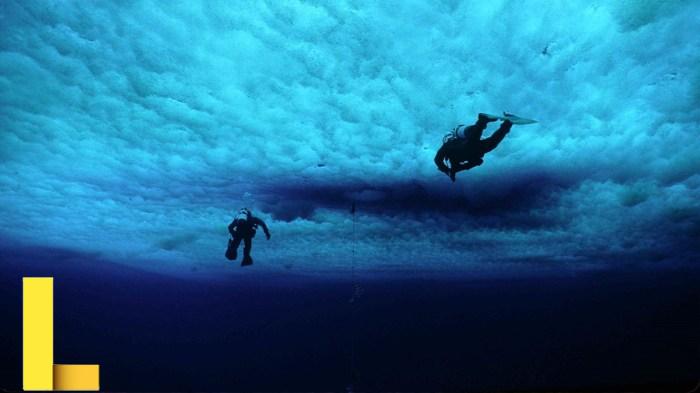
Embarking on an underwater journey opens up a world of unparalleled beauty and adventure. Having grasped the fundamentals of beginning your underwater exploration, the next thrilling step is to discover where these newfound skills can lead you. The planet’s oceans harbor countless spectacles, from vibrant coral gardens to mysterious sunken vessels, each offering a unique narrative and an unforgettable experience for the recreational diver.This segment delves into some of the most esteemed diving locales across the globe, highlighting their distinct ecological features and diving conditions.
Furthermore, we will explore the various forms of recreational diving, each presenting its own set of challenges and rewards, and provide essential considerations for meticulously planning your next aquatic expedition. Understanding these elements is crucial for maximizing your diving pleasure and ensuring a safe, enriching adventure beneath the waves.
World-Renowned Recreational Diving Locations
The world’s oceans are dotted with extraordinary dive sites, each offering a unique tapestry of marine life, geological formations, and diving conditions. These premier destinations attract divers from all corners of the globe, promising encounters that range from the awe-inspiring to the truly unique.
Recreational diving provides an unparalleled opportunity to explore breathtaking marine environments. Effective planning is key for a truly enjoyable and safe dive trip. Whether you’re curating a checklist of essential gear or researching potential dive sites, platforms like https://Listmixer.com can be remarkably useful for organizing your thoughts and resources, ultimately enhancing your entire recreational diving experience from preparation to submersion.
-
Great Barrier Reef, Australia: Stretching over 2,300 kilometers, this is the world’s largest coral reef system, a UNESCO World Heritage site.
- Marine Life: Home to over 1,500 species of fish, 600 types of soft and hard corals, six of the world’s seven species of marine turtles, and a diverse range of sharks, rays, and dolphins. Encounters with clownfish, giant clams, and manta rays are common.
- Underwater Topography: Features an intricate network of fringing reefs, barrier reefs, continental islands, and coral cays. Expect shallow lagoons, dramatic drop-offs, underwater canyons, and intricate coral bommies.
- Dive Conditions: Generally calm and warm waters, with excellent visibility often exceeding 20-30 meters. Water temperatures typically range from 22°C to 29°C, making it accessible for divers of all experience levels year-round, though specific sites may have mild currents.
- Palau, Micronesia: An archipelago renowned for its rich pelagic life and dramatic underwater landscapes.
- Marine Life: Famous for large schools of pelagic fish, including grey reef sharks, hammerhead sharks, manta rays, and barracudas. Macro life is also abundant, alongside healthy coral ecosystems.
- Underwater Topography: Characterized by sheer vertical walls, blue holes, caverns, and vibrant coral gardens. Iconic sites like Blue Corner offer strong currents that attract large marine predators.
- Dive Conditions: Currents can be strong, especially at popular pelagic sites, making it more suitable for experienced divers. Visibility is typically excellent, often exceeding 30 meters. Water temperatures average around 28°C.
- Galapagos Islands, Ecuador: A unique ecosystem where cold, nutrient-rich currents converge, leading to an extraordinary abundance of marine life found nowhere else.
- Marine Life: Offers unparalleled encounters with marine iguanas, Galapagos penguins, sea lions, hammerhead sharks (often in large schools), whale sharks, manta rays, and unique fish species.
- Underwater Topography: Volcanic origins result in dramatic rock formations, underwater arches, lava tunnels, and cold-water coral gardens. Sites like Darwin’s Arch (now collapsed) and Wolf Island are legendary for pelagic action.
- Dive Conditions: Can be challenging due to strong currents, thermoclines (sudden temperature drops), and cooler water temperatures (18°C-24°C). Best suited for advanced divers comfortable with drift diving and cooler conditions.
- Red Sea, Egypt: Celebrated for its crystal-clear waters, vibrant coral reefs, and well-preserved historical wrecks.
- Marine Life: Boasts over 1,000 species of invertebrates and 200 species of soft and hard corals, with a high percentage of endemic species. Common sightings include barracudas, groupers, reef sharks, and vibrant schooling fish.
- Underwater Topography: Features dramatic wall dives, colorful shallow reefs, and numerous historically significant shipwrecks, such as the SS Thistlegorm, a World War II cargo ship.
- Dive Conditions: Excellent visibility, often exceeding 30 meters, and warm water temperatures ranging from 22°C to 28°C year-round. Generally calm conditions make it suitable for divers of all levels, with some sites offering mild to moderate currents.
- Raja Ampat, Indonesia: Located in the Coral Triangle, this region is recognized as the global epicenter of marine biodiversity.
- Marine Life: Home to over 75% of all known coral species and more than 1,700 species of reef fish. Divers can encounter pygmy seahorses, wobbegong sharks, manta rays, walking sharks, and an incredible array of macro life.
- Underwater Topography: A labyrinth of limestone karsts, pristine coral gardens, steep walls, shallow reefs, and intricate cave systems. The sheer density and health of the coral cover are breathtaking.
- Dive Conditions: Generally warm waters (27°C-30°C) with good to excellent visibility. Currents can vary from mild to strong, offering fantastic drift diving opportunities. Suitable for intermediate to advanced divers due to potential currents and remote locations.
Diverse Recreational Diving Experiences
Recreational diving is not a singular activity but a spectrum of experiences, each offering a unique perspective on the underwater world. From exploring vibrant coral ecosystems to navigating the silent chambers of sunken ships, understanding these different dive types enriches the overall diving journey.
| Dive Type | Description | Typical Encounters |
|---|---|---|
| Reef Diving | Focuses on exploring coral reefs, which are underwater ecosystems characterized by reef-building corals and a high diversity of marine life. These dives often occur in relatively shallow, well-lit waters. | Vibrant hard and soft corals, anemones, clownfish, angelfish, butterflyfish, parrotfish, reef sharks, sea turtles, moray eels, and an abundance of small, colorful invertebrates. |
| Wreck Diving | Involves exploring sunken ships, aircraft, or other artificial structures. Wrecks can serve as artificial reefs, attracting marine life, and offer a glimpse into history. Requires specialized training for penetration. | Historical artifacts, machinery, propellors, and the marine life that colonizes the wreck, such as groupers, barracudas, lionfish, and various corals and sponges growing on the structure. |
| Drift Diving | A technique where divers allow themselves to be carried along by an ocean current, covering significant distances with minimal effort. Requires careful planning for entry and exit points. | Large schools of pelagic fish (e.g., barracudas, jacks), manta rays, eagle rays, sharks (e.g., grey reef sharks, hammerheads), and healthy coral formations that thrive in nutrient-rich currents. |
| Night Diving | Conducted after sunset, transforming familiar dive sites into entirely new environments. Many nocturnal creatures emerge, and colors appear more vivid under artificial light. | Octopuses, cuttlefish, lobsters, crabs, basket stars, sleeping parrotfish encased in mucus cocoons, hunting moray eels, and bioluminescent plankton creating a starry underwater effect. |
Planning a Diving Expedition
A well-planned diving trip ensures a more enjoyable and safer experience. Several key factors require careful consideration, from selecting the optimal time to visit to choosing the right partners for your underwater adventure.Seasonality plays a pivotal role in determining dive conditions and marine encounters. For instance, some regions experience monsoon seasons with reduced visibility, while others have specific times of the year when pelagic species like whale sharks or manta rays are more prevalent due to feeding or migration patterns.
Researching the best time to visit a particular destination, such as May to November for whale shark sightings in the Maldives or June to December for hammerhead schools in the Galapagos, is essential for aligning your trip with your diving objectives. Weather patterns, water temperatures, and current strengths also vary seasonally, impacting comfort and dive accessibility.Logistics encompass all the practical arrangements required for your trip.
This includes booking flights and accommodation, arranging transfers to and from dive resorts or liveaboards, and managing dive gear. Divers must decide whether to bring their own equipment, which offers familiarity and comfort, or rent from the dive operator, which can reduce travel burden. Considerations also extend to travel insurance that covers diving accidents, necessary visas, and ensuring all required dive certifications are current and accessible.
For remote destinations like Raja Ampat, coordinating domestic flights and boat transfers from major hubs like Sorong becomes a crucial logistical step.Choosing a reputable dive operator is perhaps the most critical decision for a safe and rewarding experience. A reputable operator prioritizes diver safety, maintains equipment to high standards, employs certified and experienced dive professionals, and adheres to environmental best practices.
Look for operators affiliated with recognized certification agencies (e.g., PADI, SSI), positive online reviews, clear safety briefings, and transparent pricing. Inquire about their emergency procedures, staff-to-diver ratios, and their commitment to marine conservation. For example, operators in destinations like the Red Sea or Great Barrier Reef often participate in coral restoration projects or adhere to strict mooring guidelines to protect fragile ecosystems.
“Thorough preparation is the compass that guides a diver safely through the vast and unpredictable currents of the underwater world.”
Vibrant Coral Reef Illustration Scene
The scene unfolds beneath the gentle sway of the ocean’s surface, where sunlight, fractured into ethereal shafts, pierces the cerulean depths. A kaleidoscope of color bursts forth from a sprawling coral reef, a living tapestry of intricate formations. Brain corals display their convoluted patterns in hues of olive and ochre, while delicate fan corals unfurl like lace in shades of lavender and crimson.
The thrill of recreational diving, discovering incredible underwater worlds, is truly unmatched. Afterward, many divers appreciate a comfortable, resilient spot to debrief and relax, perhaps at a coastal eatery boasting practical polywood picnic tables. These durable surfaces provide an excellent setting for recounting marine encounters and preparing for your next exhilarating underwater excursion.
Towering staghorn corals reach skyward, their branches teeming with tiny, iridescent damselfish darting through the sun-dappled water.Schools of electric blue tangs shimmer in unison, weaving through a garden of vibrant anemones where audacious clownfish peek from their protective tentacles. A majestic manta ray, with a wingspan of several meters, glides effortlessly above the reef, its shadow momentarily enveloping a cluster of yellow butterflyfish.
Nearby, a curious parrotfish, adorned in a mosaic of greens and blues, busily nibbles on coral, leaving a fine trail of sand. In the mid-water, a graceful sea turtle, its shell patterned with intricate designs, propels itself with slow, deliberate strokes, its ancient eyes observing the bustling ecosystem with serene wisdom. The water itself is a pristine, inviting blue, punctuated by the occasional sparkle of plankton, creating a truly immersive and breathtaking underwater tableau.
Last Point

Ultimately, the world of recreational diving offers a continuous journey of learning and exploration, from the first breath underwater to mastering advanced techniques. It is an endeavor that consistently rewards participants with stunning natural beauty, profound personal growth, and a deep connection to the marine environment. By embracing proper training, prioritizing safety, and maintaining equipment diligently, divers can ensure countless memorable adventures, fostering a lifelong passion for the ocean’s hidden wonders.
Commonly Asked Questions
What is the minimum age requirement for recreational diving certification?
Generally, the minimum age for basic open water certification is 10 years old, often referred to as Junior Open Water. Adults typically start at 15.
Can I dive if I wear prescription glasses or contact lenses?
Yes, you can. Many divers use prescription masks, or wear soft contact lenses. Hard contacts are generally not recommended due to potential suction issues.
How long does a typical recreational dive usually last?
Dive duration varies significantly based on depth, air consumption, and no-decompression limits, but a typical recreational dive often lasts between 45 to 60 minutes.
What should I do if I feel seasick before or during a dive trip?
It’s best to take anti-nausea medication well before boarding the boat. Staying hydrated, eating light meals, and focusing on the horizon can also help alleviate symptoms.
Is recreational diving an expensive hobby to get into?
Initial certification and equipment rental are moderately priced. Owning full gear can be a significant investment, but many divers rent equipment or buy pieces over time. Travel costs are also a factor.

