

Orlando parks and recreation offers a vibrant tapestry of green spaces and community programs, serving as the city’s pulsating heart for leisure, wellness, and environmental appreciation. From sprawling natural preserves to bustling urban playgrounds, these facilities are meticulously designed to enrich the lives of residents and visitors alike, fostering a sense of community and promoting active lifestyles.
This comprehensive system encompasses a diverse array of public parks and state-of-the-art facilities, providing engaging recreational programs for all ages, alongside dedicated efforts in preserving nature and promoting environmental stewardship. It’s a testament to Orlando’s commitment to creating accessible, inclusive, and sustainable outdoor experiences for everyone.
Orlando’s Diverse Public Parks and Facilities
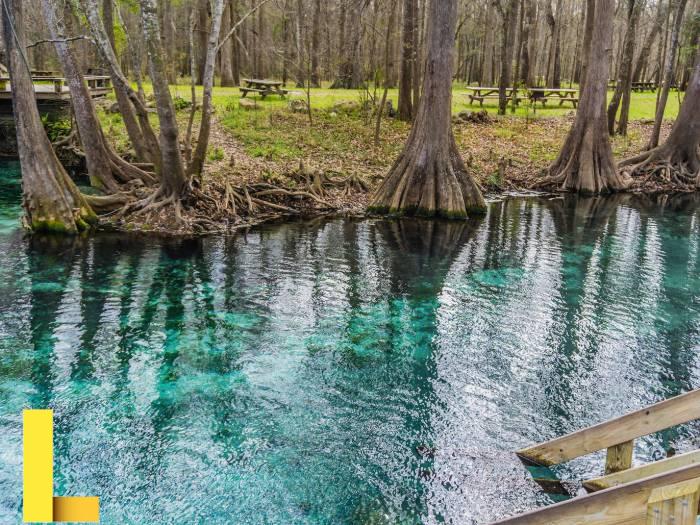
Orlando is renowned not only for its world-famous theme parks but also for its extensive and vibrant public parks and recreation system, offering residents and visitors alike a plethora of green spaces and recreational opportunities. The city’s commitment to fostering community well-being is evident in its meticulously maintained parks, which provide essential spaces for relaxation, physical activity, and social gatherings.
These diverse facilities contribute significantly to the quality of life, ensuring that every neighborhood has access to open spaces and structured recreational programs.The city’s park system encompasses a wide array of environments, from serene lakeside retreats to bustling urban greenways, each designed to cater to various interests and age groups. This network of parks and facilities serves as the backbone of community engagement, supporting active lifestyles and preserving natural beauty within the urban landscape.
From playgrounds for children to sports complexes for athletes and tranquil spots for nature lovers, Orlando’s public spaces are integral to the city’s identity and livability.
Orlando’s Top Five Most Visited Public Parks
Orlando boasts numerous beautiful parks, but some stand out due to their popularity, unique features, and the sheer volume of visitors they attract annually. These parks serve as central hubs for community events, family outings, and individual recreation, offering a wide range of activities that cater to diverse preferences. The following table details five of Orlando’s most frequented public parks, highlighting their distinctive characteristics and primary attractions.
| Park Name | Key Features | Primary Activities | Location Highlights |
|---|---|---|---|
| Lake Eola Park | Iconic Linton E. Allen Memorial Fountain, amphitheater, walking path (0.9 miles), swan boats. | Walking, jogging, swan boat rentals, picnicking, attending concerts and festivals, enjoying the farmers market. | Downtown Orlando, surrounded by city skyline, accessible via public transport and downtown amenities. |
| Bill Frederick Park at Turkey Lake | Expansive nature preserve, urban campground, disc golf course, fishing pier, large playground. | Camping, fishing, disc golf, picnicking, playground use, hiking, biking, bird watching, butterfly garden. | West Orlando, near Universal Orlando Resort, offering a natural escape close to major attractions. |
| Barnett Park | Large multi-purpose sports complex, accessible playground, community center, public pool, walking trails. | Playing various sports (soccer, baseball, basketball), swimming, using the playground, fitness classes at the community center. | Central Orlando, easily accessible, a major hub for organized sports leagues and community events. |
| Loch Haven Park | Cultural park housing museums (Orlando Museum of Art, Orlando Science Center), theaters, open green spaces. | Visiting museums and theaters, attending outdoor performances, picnicking, casual strolls, enjoying art installations. | North Orlando, a cultural and artistic epicenter, surrounded by serene lakes and historic neighborhoods. |
| Blanchard Park | East Orange County Trail access, large sports fields, playground, picnic areas, Little Econlockhatchee River access. | Hiking and biking on the trail, playing organized sports, canoeing/kayaking, picnicking, children’s play. | East Orlando, offering extensive recreational opportunities along the river and greenway. |
Types of Recreational Facilities Available
Orlando’s park system is designed to accommodate a wide range of recreational pursuits, providing state-of-the-art facilities that cater to all ages and interests. These facilities are strategically located throughout the city, ensuring equitable access for all residents. From competitive sports arenas to inclusive play areas and versatile community centers, the city continually invests in enhancing these public amenities.* Sports Fields and Courts: These facilities are essential for promoting physical activity and fostering community sports leagues.
Soccer Fields
Available at locations like Barnett Park and Blanchard Park, often lit for evening play.
Baseball/Softball Diamonds
Orlando’s dedication to exceptional parks and recreation areas truly shines. Ensuring these beloved public spaces remain inviting often involves robust amenities, and many facilities are now evaluating aluminum picnic tables for sale for their impressive durability and low maintenance. These practical choices significantly contribute to the continued enjoyment of Orlando’s community green spaces.
Found in numerous parks, including Conway Sports Complex and Lake Fairview Park.
Basketball Courts
Outdoor courts are prevalent in neighborhood parks, such as Park of the Americas and John H. Jackson Community Center.
Tennis Courts
Many parks offer well-maintained courts, like those at Fort Gatlin Recreation Complex and Lake Cane Tennis Center.
Volleyball Courts
Often found near picnic areas or community centers, with sand volleyball courts at some locations.* Playgrounds: Designed with safety and engagement in mind, Orlando’s playgrounds offer imaginative and accessible play experiences for children.
Themed Playgrounds
Featuring unique designs and structures that encourage creative play, such as the dragon-themed playground at Lake Eola Park.
Accessible Playgrounds
Incorporating features like ramp access, sensory play elements, and adaptive swings to ensure inclusivity for children of all abilities, exemplified at Barnett Park.
Splash Pads
Water play areas that provide a refreshing option during warmer months, often integrated into larger park complexes.* Community Centers: These serve as vital hubs for social interaction, learning, and fitness, offering a diverse range of programs and services.
Meeting Rooms and Event Spaces
Available for public and private rentals, hosting community meetings, workshops, and celebrations.
Orlando’s vibrant parks and recreation department consistently seeks innovative ways to enrich public spaces for residents and visitors alike. Considering sustainable furniture options, one might explore the practical and aesthetic benefits of a pallets picnic table. Integrating such creative, eco-friendly solutions could further enhance the welcoming atmosphere throughout Orlando’s diverse community parks.
Gymnasiums
Equipped for indoor sports like basketball and volleyball, as well as fitness classes.
Fitness Centers
Providing exercise equipment and guided programs for residents to maintain an active lifestyle.
After-School Programs and Summer Camps
Offering supervised activities and educational opportunities for children and teens.
Art and Craft Studios
Spaces for creative expression, hosting classes in various artistic disciplines.
Reserving Park Facilities for Residents
Orlando residents have the opportunity to reserve various park facilities for private events, gatherings, or organized activities. This process ensures fair access to popular amenities like picnic shelters, sports courts, and community rooms, allowing individuals and groups to plan their events with certainty. The reservation system is designed to be straightforward, typically managed through the City of Orlando’s Parks and Recreation Department.The steps for residents to reserve park facilities are as follows:
- Identify the Desired Facility and Date: Residents should first determine which specific facility (e.g., a picnic pavilion at Lake Eola Park, a tennis court at Fort Gatlin, or a room at a community center) they wish to reserve, along with their preferred date and time.
- Check Availability: The City of Orlando Parks and Recreation Department typically provides an online reservation portal or a contact number to check the availability of facilities. This step is crucial to avoid conflicts and ensure the desired slot is open.
- Submit a Reservation Application: A formal application, often available online or at a community center, must be completed. This application will require details about the event, the number of attendees, and any specific needs or equipment.
- Review and Approval: The Parks and Recreation Department will review the application. For certain facilities or larger events, additional permits or insurance might be required. Approval is usually granted based on availability and adherence to park rules.
- Pay Applicable Fees: Reservation fees vary depending on the facility, duration of use, and resident status. Payment is typically required to finalize the reservation. Some facilities may also require a refundable security deposit.
- Receive Confirmation: Once the application is approved and fees are paid, residents will receive a confirmation, often in the form of a permit or reservation number. This confirmation should be kept accessible for the day of the event.
A Bustling Orlando Community Park on a Sunny Weekend
Imagine a vibrant Orlando community park bathed in the warm, golden glow of a bright Saturday afternoon, where the air hums with joyous activity and the scent of freshly cut grass mingles with hints of barbecue. Families dot the expansive green lawns, their picnic blankets spread out like colorful patchwork quilts, laden with sandwiches, fruits, and refreshing drinks. Laughter rings out from a group of children chasing a brightly colored frisbee, their energy boundless as they weave between mature oak trees, whose sprawling branches provide generous pockets of shade.Near the park’s edge, a friendly soccer match is underway, with players of all ages enthusiastically kicking the ball across a well-maintained field, their calls echoing playfully.
On a nearby basketball court, the rhythmic bounce of a ball and the squeak of sneakers punctuate the air as teenagers engage in a lively pickup game. The state-of-the-art playground is a hive of activity, with children scaling climbing structures, whizzing down slides with delighted shrieks, and swinging high into the clear blue sky, their parents watching from benches, chatting and smiling.
Toddlers dig in the sandpit, meticulously constructing miniature castles, their small hands covered in soft, fine grains. Lush greenery abounds, with meticulously landscaped flowerbeds adding splashes of vibrant color, and well-worn walking paths inviting strollers and joggers to enjoy the idyllic setting. The scene is a perfect tableau of community life, a testament to the essential role these public spaces play in bringing people together.
Engaging Recreational Programs for All Ages in Orlando
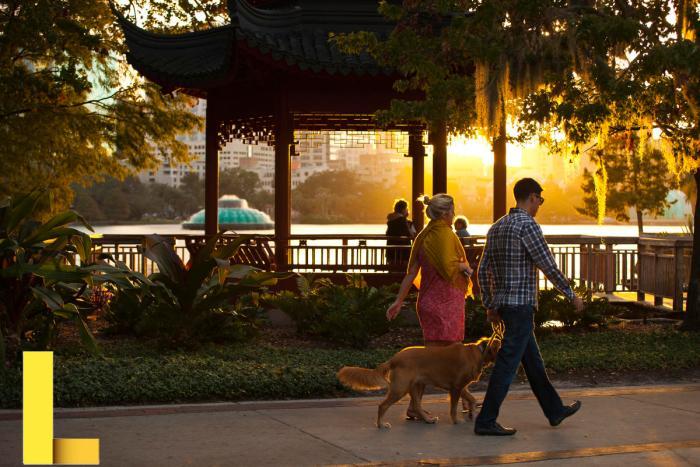
Orlando’s commitment to community well-being extends far beyond its beautiful parks and facilities, encompassing a vibrant array of recreational programs designed to enrich the lives of residents across all age groups. These diverse offerings ensure that every individual, from energetic youngsters to active seniors, has opportunities to engage in physical activity, learn new skills, and connect with their community.The city’s recreation department meticulously plans and executes a calendar full of activities aimed at fostering health, promoting social interaction, and developing talents.
From structured sports leagues that teach discipline and teamwork to invigorating fitness classes that cater to various wellness goals, and engaging community events that celebrate local culture, Orlando provides a comprehensive ecosystem for active living and personal growth within its public spaces.
Youth Sports Leagues and Programs
Orlando’s recreation department is dedicated to providing structured and enjoyable sports opportunities for young residents, promoting physical activity, teamwork, and sportsmanship in a supportive environment. These leagues and programs are designed to introduce children to various sports, help them develop fundamental skills, and instill a lifelong appreciation for active lifestyles.
-
Registration Periods: Registration for youth sports leagues typically follows a seasonal schedule to accommodate various sports throughout the year. For instance, fall sports like flag football and soccer often open for registration in late July or early August, with leagues running from September through November. Winter sports such as basketball generally have registration in October or November, with seasons from December to February.
Spring sports, including baseball and softball, usually open registration in January or February for leagues playing from March to May. Summer camps and clinics often have registration available from April through June.
-
Age Groups: Programs are carefully segmented into age-appropriate divisions to ensure fair play and skill development. Common age groups include “peewee” leagues for children aged 3-5 years, focusing on basic motor skills and fun. Older divisions typically range from 6-7 years, 8-9 years, 10-11 years, and 12-14 years, with some programs extending to high school age (15-17 years) for competitive play.
These groupings allow for tailored coaching and competition levels.
-
Popular Sports: A wide variety of sports are offered to cater to diverse interests. Consistently popular options include soccer, which is highly accessible and fosters teamwork; basketball, known for its fast pace and skill development; flag football, offering a safe introduction to football strategies; and baseball/softball, which teaches hand-eye coordination and strategic thinking.
Additionally, programs often include tennis, track and field, and sometimes specialized clinics for volleyball or martial arts, ensuring a broad spectrum of athletic pursuits.
Adult Fitness and Wellness Classes
Recognizing the importance of adult well-being, Orlando’s parks offer a diverse array of fitness and wellness classes designed to cater to various interests and fitness levels. These programs promote healthy lifestyles, stress reduction, and community connection in accessible outdoor and indoor settings.
Orlando’s commitment to fostering community through its parks and recreation department is commendable. Effectively coordinating numerous events and facilities necessitates robust administrative systems, much like how organizations find significant benefit in using apps daysmart recreation for streamlined management, thereby ensuring Orlando’s vibrant recreational programs remain accessible and well-organized for everyone.
| Program Type | Target Audience | Typical Venue | Frequency |
|---|---|---|---|
| Yoga in the Park | Adults (18+), All Fitness Levels | Lake Eola Park (East Lawn), Bill Frederick Park (Pavilion Area) | Weekly (e.g., Saturday mornings, Tuesday evenings) |
| Zumba Gold | Seniors (55+), Beginners, Low-Impact Enthusiasts | Dover Shores Community Center (Indoor Studio), Dr. Phillips Community Park (Multipurpose Room) | Bi-weekly (e.g., Monday & Wednesday afternoons) |
| Boot Camp Challenge | Adults (18+), Intermediate to Advanced Fitness Levels | Barnett Park (Open Field), Festival Park (Grassy Area) | Weekly (e.g., Thursday evenings, Saturday mornings) |
| Tai Chi for Balance | Seniors (55+), All Fitness Levels, Focus on Mobility | Colonialtown Recreation Center (Indoor Studio), Leu Gardens (Outdoor Pavilion) | Weekly (e.g., Wednesday mornings) |
| Aqua Fitness | Adults (18+), Low-Impact Exercise Seekers | Dover Shores Pool, College Park Pool | Multiple sessions weekly during pool season |
Special Community Events and Festivals, Orlando parks and recreation
Orlando’s parks serve as vibrant hubs for community engagement, regularly hosting a variety of special events and festivals throughout the year that bring residents together for cultural celebration, recreation, and shared experiences. These events enhance community spirit and offer unique opportunities to enjoy the city’s public spaces.
- Paws in the Park: This popular annual event, often held at Lake Eola Park in early spring, celebrates pets and their owners. Its purpose is to promote responsible pet ownership, facilitate pet adoptions, and provide a fun day out for animal lovers. Activities typically include a pet costume contest, dog agility demonstrations, a pet parade, numerous vendor booths offering pet products and services, and opportunities to learn about local animal welfare organizations.
- Movies in the Park: Hosted periodically throughout the year, especially during cooler months or summer evenings, at various larger parks such as Bill Frederick Park or Lake Eola Park. The purpose is to offer family-friendly entertainment in a relaxed outdoor setting, fostering community bonding. Attendees bring blankets and chairs to enjoy popular films projected onto a large outdoor screen under the stars, often accompanied by food trucks and pre-movie activities.
- Fiesta in the Park: An annual cultural festival, typically held at Festival Park or Lake Eola Park, celebrating Orlando’s rich and diverse Hispanic heritage. Its purpose is to showcase the vibrant traditions, music, and cuisine of various Latin American cultures. The event features live musical performances ranging from salsa to mariachi, traditional dance troupes, authentic food vendors offering a taste of different regions, artisan markets selling handcrafted goods, and family-friendly activities, creating a lively and immersive cultural experience.
An invigorating outdoor fitness class is captured in a vibrant Orlando park on a bright, sunny morning. Approximately 15-20 diverse participants, ranging from young adults to active seniors, are energetically engaged in their workout. Dressed in comfortable athletic wear, they are spread across a lush, manicured green lawn. An enthusiastic instructor leads the session from the front, demonstrating various exercises.
Some individuals are focused on performing deep lunges, while others maintain strong plank positions, and a few are enthusiastically executing jumping jacks, their movements fluid and coordinated. Smiles and determined expressions are visible among the participants, reflecting both the challenge and enjoyment of the workout. The backdrop features a clear, azure blue sky adorned with a few wispy white clouds, perfectly complementing the vibrant green landscape of the park.
Mature oak trees with expansive canopies dot the area, casting dappled shadows that add depth to the scene. A paved walking path can be seen winding gently in the distance, suggesting the park’s expansive nature. The overall impression conveyed is one of health, community, and the joy of embracing an active lifestyle in Orlando’s beautiful outdoor spaces.
Ending Remarks
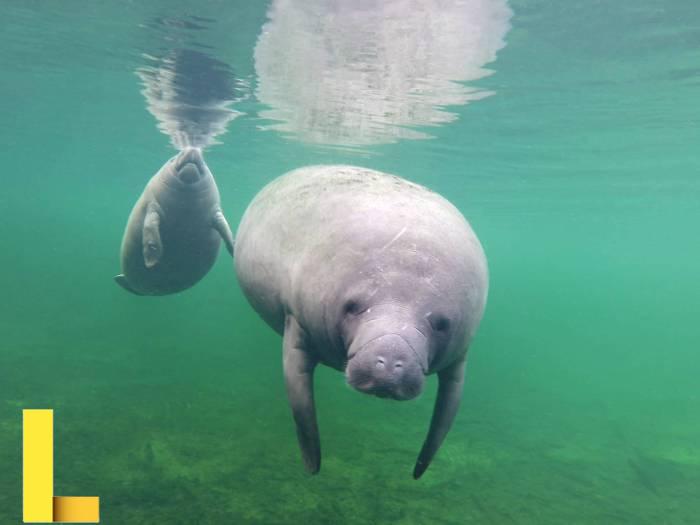
Ultimately, Orlando parks and recreation stands as a cornerstone of the community, weaving together opportunities for active recreation, tranquil contemplation, and dedicated environmental action. Its diverse offerings, from meticulously maintained sports fields to enriching conservation initiatives, collectively enhance the quality of life for all who engage with them.
By continually fostering community engagement and preserving its natural beauty, Orlando’s park system truly embodies the spirit of a city dedicated to its people and its planet, ensuring a vibrant legacy for generations to come.
Answers to Common Questions: Orlando Parks And Recreation
Are dogs allowed in Orlando parks?
Yes, many Orlando parks are dog-friendly, typically requiring leashes and responsible waste disposal. Some parks may have designated off-leash areas or specific restrictions, so it’s always best to check individual park rules beforehand.
What are the typical operating hours for Orlando’s public parks?
Most Orlando public parks are open from dawn until dusk, seven days a week. However, specific facilities like community centers or sports complexes may have varying operational hours, which are usually posted at the location or on the official website.
Is there an entrance fee to access Orlando’s public parks?
Generally, access to Orlando’s public parks is free for everyone. While some special events or specific amenities might have a fee, the vast majority of green spaces and recreational areas are open to the public without charge.
How can I volunteer with Orlando Parks and Recreation?
Orlando Parks and Recreation often welcomes volunteers for various initiatives, including park clean-ups, event support, and environmental projects. Interested individuals can usually find information on current opportunities and application processes through the official city website or by contacting the department directly.
Are Orlando’s park facilities accessible for people with disabilities?
Orlando Parks and Recreation is committed to providing accessible facilities. Many parks feature ADA-compliant pathways, restrooms, and play areas. It’s advisable to check the specific amenities of a park if you have particular accessibility needs.

