

Teak picnic table and benches represent a fascinating convergence of natural beauty and robust functionality, inviting us to explore the profound reasons behind their enduring appeal. These pieces are not merely outdoor furniture; they embody a legacy of resilience and sophisticated design that stands the test of time and elements, promising countless moments of shared enjoyment.
Our journey delves into the inherent properties of teak wood, a material renowned for its natural oils, exceptional density, and unique grain structure, all contributing to its superior resistance against weather, pests, and decay. We will further examine the thoughtful design and construction methods that elevate these sets, ensuring both comfort and remarkable durability, alongside practical advice for their care to preserve their distinct golden-brown hue or allow them to gracefully weather into a distinguished silver-grey patina.
Exploring Teak Wood for Outdoor Furniture

Teak wood stands as a distinguished choice for outdoor furniture, particularly for robust pieces like picnic tables and benches, due to its remarkable natural attributes. Its inherent qualities provide unparalleled durability and resistance, making it a premium material that gracefully withstands the rigors of various outdoor environments, from sun-drenched patios to humid garden settings. This section delves into the specific characteristics that elevate teak above many other woods for exterior applications.
Inherent Properties of Teak Wood
The exceptional performance of teak in outdoor settings is directly attributable to its unique biological composition and physical structure. These properties work in concert to protect the wood from degradation, ensuring longevity and maintaining structural integrity over decades. Understanding these intrinsic features helps to appreciate why teak is so highly valued for outdoor furniture.
Teak (Tectona grandis) is renowned globally for its natural resilience, a characteristic primarily derived from its high concentration of natural oils and dense grain structure.
These natural oils, particularly tectoquinones, are integrated throughout the wood fibers, acting as a built-in preservative. This oil content makes teak naturally water-resistant, repelling moisture rather than absorbing it, which significantly reduces the risk of swelling, warping, or cracking. Furthermore, these oils provide a natural barrier against fungal growth and decay, common issues that plague other wood types when exposed to the elements.The wood’s impressive density, typically ranging from 600 to 700 kg/m³ when air-dried, contributes to its strength and resistance to impact.
This density ensures that a teak picnic table or bench can endure heavy use and incidental knocks without easily denting or splintering. Coupled with its tight, straight grain structure, this density provides exceptional dimensional stability. The uniform alignment of wood fibers minimizes the wood’s tendency to expand and contract with changes in humidity and temperature, preserving the furniture’s form and preventing unsightly deformations over time.
Specific Benefits for Picnic Tables and Benches
For items like picnic tables and benches, which are constantly exposed to the elements and subject to frequent use, teak offers a suite of specific benefits that ensure both longevity and aesthetic appeal. These advantages make teak an investment that pays dividends in terms of durability and minimal maintenance.Teak’s natural resistance to weather is paramount for outdoor furniture. Its high oil content and dense structure mean it can withstand prolonged exposure to sun, rain, snow, and extreme temperatures without suffering significant damage.
Unlike many other woods that might rot, crack, or splinter under such conditions, teak simply weathers to a beautiful, silvery-grey patina over time, a highly sought-after aesthetic that many find enhances its charm. This natural aging process does not compromise the wood’s structural integrity.Beyond weather resistance, teak’s inherent properties provide robust protection against pests and decay. The natural oils act as a potent deterrent to common wood-boring insects such as termites, as well as marine borers, making it an excellent choice even in coastal or humid environments.
This natural insecticidal property eliminates the need for chemical treatments often required for other woods, ensuring a more eco-friendly and safer piece of furniture. Moreover, its resistance to fungal decay and rot means that even if left in damp conditions or direct contact with the ground, teak will resist the deterioration that would quickly ruin lesser woods.
Key Advantages of Teak Over Other Common Outdoor Furniture Woods
When selecting materials for outdoor furniture, consumers often weigh various options, each with its own set of characteristics. However, teak consistently emerges as a superior choice, offering a distinct set of advantages that differentiate it from other commonly used outdoor furniture woods. The following points highlight why teak is often considered the benchmark for outdoor durability and beauty.Teak provides several compelling advantages over other popular outdoor furniture woods, such as cedar, redwood, acacia, eucalyptus, or pressure-treated pine.
These benefits stem from its unique natural composition and contribute significantly to its long-term value and performance.
- Unmatched Durability and Lifespan: Teak furniture can last for decades, often exceeding 50 years with minimal maintenance, far outperforming woods like cedar or redwood which typically last 15-20 years, or acacia and eucalyptus which may require more frequent replacement or intensive care.
- Superior Weather Resistance: Its natural oils and dense grain provide inherent resistance to moisture, UV radiation, and temperature fluctuations, preventing warping, cracking, and rotting without the need for sealants or stains, unlike many other woods that require regular protective treatments.
- Natural Pest and Decay Resistance: Teak’s natural compounds act as deterrents to termites, marine borers, and fungi, eliminating the need for chemical insecticides or fungicides that are often applied to other woods, such as pressure-treated pine.
- Low Maintenance Requirements: While other woods often demand annual sanding, sealing, or painting to maintain their appearance and integrity, teak simply requires occasional cleaning. It can be left to weather naturally to a silver-grey patina or periodically treated with teak oil to retain its golden-brown hue.
- Exceptional Stability: The tight, straight grain structure of teak ensures greater dimensional stability, meaning it is less prone to shrinking, swelling, or splitting compared to woods with coarser grains or lower densities.
- Aesthetic Aging: Teak develops a distinctive silvery-grey patina when left untreated, an aesthetic highly valued for its natural elegance and ability to blend seamlessly into outdoor landscapes, a characteristic not universally shared by other woods.
Design and Construction of Teak Picnic Sets: Teak Picnic Table And Benches
The enduring appeal of teak picnic sets extends beyond the wood’s inherent beauty and durability; it is deeply rooted in thoughtful design and robust construction. Crafting outdoor furniture that withstands the elements while offering comfort and aesthetic pleasure requires a meticulous approach to both form and function. This section delves into the diverse design aesthetics, crucial ergonomic considerations, and the impact of various construction techniques that define a high-quality teak picnic set.Understanding these foundational aspects empowers consumers to appreciate the artistry and engineering behind their outdoor furniture investment, ensuring it not only looks good but also performs exceptionally for generations.
From the initial conceptualization of a style to the selection of joinery methods, every decision contributes to the overall longevity and user experience of the finished product.
Design Aesthetics for Teak Picnic Tables and Benches
Teak picnic sets are not monolithic in their appearance; they are skillfully crafted to fit a wide array of outdoor living spaces, each reflecting a distinct stylistic preference. Whether aiming for a classic garden feel or a sleek contemporary patio, teak’s versatility allows for diverse interpretations.
-
Traditional Style: Characterized by classic, often substantial lines, traditional teak picnic sets evoke a sense of timeless elegance. These designs frequently feature broad, slatted tabletops and bench seats, sometimes with slightly curved edges or turned legs that harken back to classic garden furniture. The proportions are typically generous, emphasizing comfort and a sturdy presence, making them a perfect fit for established gardens or heritage properties.
The aesthetic often prioritizes robust construction and a warm, inviting appearance.
Teak picnic tables and benches provide a superb blend of durability and classic aesthetics for any outdoor space. For grander family gatherings or commercial use, considering a robust 12 foot picnic table can be incredibly practical. Such expansive setups still greatly benefit from teak’s inherent weather resistance and timeless appeal, ensuring longevity and minimal upkeep for your outdoor furniture.
-
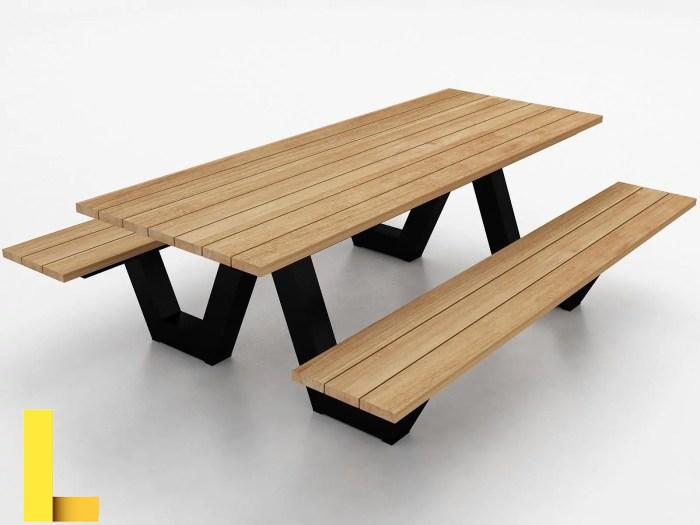
Modern Style: For those who appreciate minimalism and clean lines, modern teak picnic sets offer a sophisticated alternative. These designs typically feature sleek, unadorned surfaces, straight edges, and often incorporate a more geometric approach to their form. The focus is on functionality and understated elegance, with less ornamentation and a greater emphasis on the natural beauty of the teak grain.
Some modern designs might even integrate seating directly into the table structure for a seamless look, ideal for contemporary patios and architectural landscapes.
-
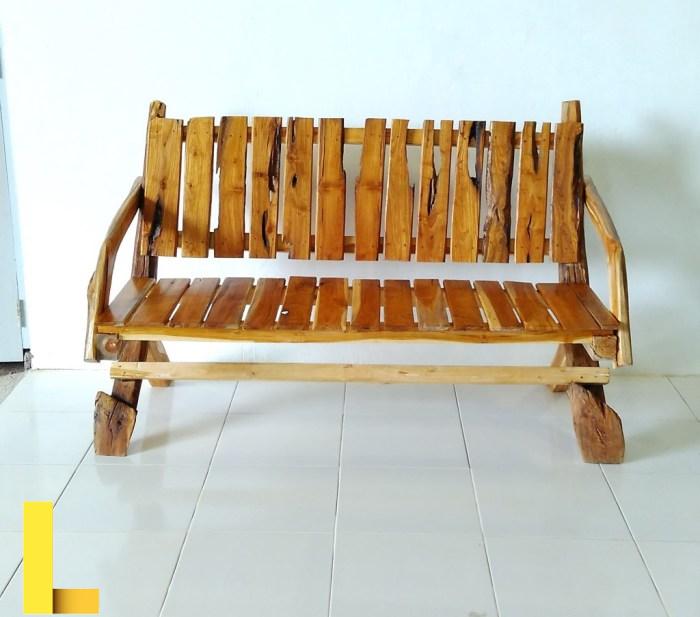
Rustic Style: Embracing the natural, rugged beauty of teak, rustic picnic sets often feature thicker cuts of wood, sometimes with visible knots or slightly irregular edges that highlight the timber’s organic origins. The finishes might be less refined, allowing the wood’s texture to be a prominent design element. These sets project a sense of earthy charm and durability, perfectly suited for cabins, naturalistic garden settings, or informal outdoor spaces where a connection to nature is desired.
The construction often appears robust and straightforward, reinforcing its hardy character.
Teak picnic tables and benches provide a classic, robust option for any outdoor space, celebrated for their natural elegance. However, should you be considering alternatives with different properties, you might explore the array of aluminum picnic tables for sale , which offer a distinct modern appeal. Ultimately, the timeless beauty and inherent durability of teak continue to make it an exceptional, long-lasting investment for refined outdoor gatherings.
Ergonomic Considerations for Outdoor Seating, Teak picnic table and benches
Beyond aesthetic appeal, the comfort and practicality of a picnic set are paramount, especially when designed for group use. Ergonomics, the science of designing equipment and devices that fit the human body, plays a critical role in ensuring that a teak picnic table and benches are not only beautiful but also genuinely enjoyable to use for extended periods.Designing for comfort involves careful attention to several key dimensions and features.
The height of the table must allow for comfortable dining and interaction, typically ranging between 29 to 30 inches, providing ample clearance for most adults’ legs. Bench seating requires a careful balance of height and depth; a seat height of approximately 17 to 18 inches allows for easy entry and exit, while a depth of 15 to 16 inches offers adequate support without restricting movement.
Considering the longevity of teak picnic tables and benches, they’re perfect for high-traffic park areas. Ensuring these facilities remain pristine often requires a skilled workforce; you might find relevant opportunities among san diego parks and recreation jobs dedicated to maintaining public spaces. Such resilient teak outdoor furniture significantly enhances visitor experiences.
For benches that include backrests, the angle and height of the backrest are crucial for lumbar support, promoting a relaxed posture during meals or conversations. Furthermore, ensuring sufficient space between the table edge and the bench, typically around 12 inches, prevents users from feeling cramped and allows for easy movement. Rounded edges on tabletops and benches are also an ergonomic consideration, preventing discomfort or minor injuries.
“Ergonomic design in outdoor furniture ensures that functionality meets comfort, transforming a simple picnic set into a welcoming hub for gathering and relaxation.”
Stability is another critical ergonomic factor. A well-constructed picnic set should not wobble or creak, even with multiple occupants. This stability contributes significantly to user confidence and overall comfort. Adequate legroom and clearance under the table are also essential, accommodating different body types and ensuring everyone can sit comfortably without bumping knees or feeling restricted.
Impact of Construction Features on Durability and Maintenance
The longevity and structural integrity of a teak picnic set are heavily influenced by its construction methods and the quality of its joinery. While teak wood itself is incredibly durable, how the pieces are assembled determines its ability to withstand constant use and the rigors of outdoor exposure over decades. Different construction features offer varying levels of strength, stability, and ease of maintenance.The following table details the impact of common construction features on the overall durability and maintenance requirements of teak picnic tables and benches:
| Feature | Benefit | Longevity Impact | Maintenance Requirement |
|---|---|---|---|
| Mortise and Tenon Joints | Exceptional mechanical strength, highly resistant to racking and twisting, traditional craftsmanship. | Significantly enhances structural integrity, providing decades of stability and resilience. Considered the gold standard for outdoor furniture. | Minimal; occasional inspection for tightness, extremely low likelihood of failure when properly constructed. |
| Dowelled Joints | Good strength, effective for alignment, often used in conjunction with glue for strong, hidden connections. | Durable for general use, but less resistant to severe racking forces compared to mortise and tenon over very long periods. | Low; generally stable, but can loosen if glue fails or dowels shrink significantly due to extreme moisture cycles. |
| Stainless Steel Hardware (Screws, Bolts) | Strong fastening, excellent corrosion resistance in outdoor environments, allows for easier assembly/disassembly. | Provides secure connections, but wood’s natural expansion and contraction can lead to minor loosening over several decades if not periodically checked. | Periodic checking and tightening (e.g., annually or bi-annually), especially after significant seasonal temperature and humidity changes. |
| Waterproof Wood Glue | Adds substantial strength to joints (especially when combined with joinery), seals against moisture ingress, prevents wood movement within joints. | Crucial for long-term joint integrity and preventing separation due to environmental stress; extends the life of mechanical joints. | Ensure proper initial application and curing; generally maintenance-free once cured, but re-gluing might be needed if joints are severely stressed or compromised. |
| Slatted Design (Tabletop/Bench) | Allows for efficient water drainage, prevents pooling, minimizes wood warping or cracking due to moisture accumulation. | Greatly extends the life of the wood by preventing rot, mildew, and excessive moisture absorption, which are common causes of outdoor furniture degradation. | Easy cleaning of gaps, less prone to mildew buildup than solid surfaces; requires less specific moisture management. |
Conclusive Thoughts
In summation, the teak picnic table and benches offer an unparalleled blend of aesthetic charm and practical longevity for any outdoor setting. From understanding the superior qualities of teak wood and appreciating the meticulous design considerations to mastering the simple yet effective care routines, one gains a comprehensive insight into maintaining these magnificent pieces. Investing in teak outdoor furniture is indeed a commitment to enduring style and robust functionality, ensuring a cherished gathering spot for years to come.
FAQ
Is teak wood sourced sustainably?
Reputable manufacturers often source teak from responsibly managed plantations, ensuring sustainable practices. Always inquire about certifications like FSC (Forest Stewardship Council) to verify ethical sourcing.
How does teak furniture compare in weight to other outdoor woods?
Teak is a dense hardwood, making it significantly heavier than common alternatives like cedar or pine. This density contributes to its stability and durability but also means it is less portable.
Can I paint or stain my teak picnic table and benches?
While technically possible, it is generally not recommended. Teak’s natural oils resist most paints and stains, which may peel or chip over time. Most owners prefer to let it weather naturally or apply a teak sealer to maintain its golden hue.
What is the difference between Grade A, B, and C teak?
Grade A teak is the highest quality, taken from the heartwood of mature trees, rich in natural oils, and free of knots. Grade B has less oil and some imperfections, while Grade C is the lowest quality, often from younger trees or sapwood, with more knots and less durability.
Does teak furniture require assembly upon delivery?
Most teak picnic tables and benches arrive partially assembled or require minimal assembly, such as attaching legs to tabletops or seats. Tools and instructions are typically included for straightforward setup.

