

Wood picnic table with detached benches represents a quintessential element for any outdoor setting, blending robust functionality with an inviting aesthetic. These versatile pieces of furniture are more than just a place to dine; they foster communal gatherings and enhance the overall experience of open-air living. Their thoughtful design, particularly the separation of table and seating, provides a degree of flexibility and comfort often overlooked in fixed designs.
The inherent charm of natural wood, coupled with engineering for durability, ensures these tables withstand the rigors of outdoor environments while maintaining their visual appeal. From selecting the ideal wood species for resilience against the elements to understanding the nuances of design that promote user comfort, every aspect contributes to creating a lasting and enjoyable outdoor dining solution. This exploration delves into the craftsmanship, user experience, and sustained beauty of these beloved outdoor staples.
Crafting Durable Outdoor Seating
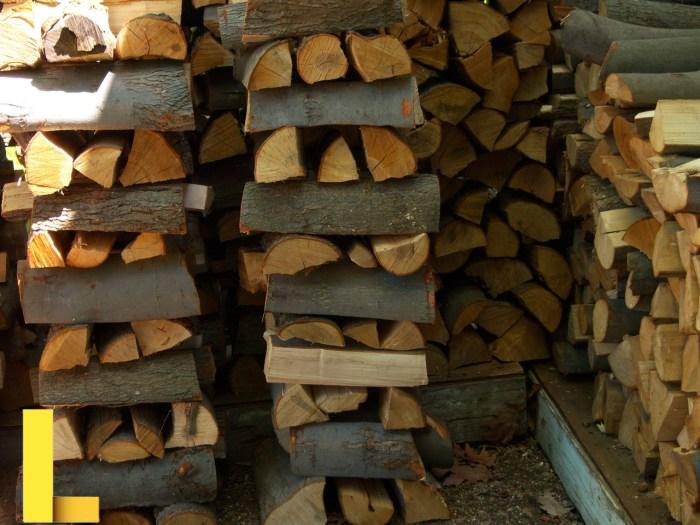
The creation of robust and enduring outdoor furniture, particularly a wood picnic table with detached benches, hinges critically on the judicious selection of materials and the application of appropriate protective measures. Ensuring longevity and aesthetic appeal in an outdoor setting demands a thorough understanding of wood’s inherent properties and its interaction with environmental elements. This foundational approach guarantees that the furniture not only withstands the rigors of weather but also continues to serve as a beautiful and functional centerpiece for years to come.
Superior Wood Species for Outdoor Furniture
Selecting the right wood species is paramount for outdoor furniture, as it dictates the material’s natural resilience against decay, insect infestation, and the relentless forces of weathering. Certain woods possess inherent characteristics, such as natural oils and dense cell structures, that provide superior protection without extensive treatment.A comparative analysis of superior wood types commonly utilized for outdoor picnic tables, highlighting their specific attributes, is presented below.
This table offers a concise overview for informed decision-making based on durability, visual characteristics, and maintenance commitment.
| Wood Type | Durability | Aesthetic Qualities | Maintenance Needs |
|---|---|---|---|
| Redwood | High natural resistance to rot, insects (termites, carpenter ants), and moisture due to natural tannins and oils. Excellent dimensional stability. | Rich reddish-brown hues, ranging from light pinkish-brown to deep brick red. Features a straight, fine grain that often ages to a distinguished silver-gray patina if left untreated. | Low to moderate. Benefits from periodic sealing or oiling to retain its vibrant color and enhance longevity. Untreated, it will gracefully weather to gray. |
| Cedar (Western Red Cedar) | High natural resistance to decay and insect damage, attributed to thujaplicins. Lightweight yet structurally sound, offering good dimensional stability. | Lighter reddish-brown to pinkish-brown, with a distinct aromatic scent. Exhibits a fine, straight grain pattern, often with subtle variations. | Low to moderate. Regular cleaning and an annual application of a UV-protective finish or sealant can preserve its color and prevent graying. |
| Teak | Exceptional natural resistance to virtually all outdoor elements, including rot, insects, fungi, and warping, due to extremely high natural oil content. Considered the gold standard for outdoor wood. | Luxurious golden-brown color with a pronounced grain pattern. Over time, it naturally weathers to a sophisticated silvery-gray patina, highly prized by many. | Very low. Requires minimal maintenance beyond occasional cleaning. No sealing or oiling is strictly necessary for durability, though oils can maintain its golden hue. |
| Cypress | Good natural resistance to rot and insects, particularly the “pecky” variety which features unique, naturally occurring pockets. Contains cypressene, a natural preservative. | Light yellowish-brown to tan, often featuring distinctive knot patterns and a textured grain that adds character. Can develop a grayish tone when exposed to sunlight. | Moderate. While naturally durable, sealing or staining can extend its life and maintain its original color, especially in humid environments. |
Each of these wood species offers a unique combination of resilience and beauty, making them excellent choices for outdoor furniture. The selection ultimately depends on the desired aesthetic, the specific environmental conditions of the installation, and the level of maintenance one is willing to commit to over the furniture’s lifespan.
A well-crafted wood picnic table with detached benches provides adaptable seating for any outdoor setting. It often serves as an ideal spot for engaging in various arts and recreation , from quiet reading to lively board games. This robust table ultimately enhances countless leisurely outdoor moments.
Essential Protective Treatments and Finishes
Even the most naturally durable wood species benefit significantly from essential protective treatments and finishes. These applications form a crucial barrier against the relentless assault of environmental factors, including intense UV radiation, fluctuating moisture levels, fungal growth, and general wear and tear. Proper finishing not only extends the functional life of the furniture but also preserves its aesthetic integrity.A range of protective treatments is available, each offering distinct advantages in safeguarding outdoor wood furniture.
Understanding their properties allows for a tailored approach to preservation.
- Penetrating Sealers: These treatments deeply soak into the wood fibers, creating an internal barrier that repels moisture and prevents water absorption, thereby minimizing swelling, shrinking, and cracking. They are often clear or lightly tinted, allowing the natural beauty of the wood grain to remain prominent while offering substantial protection against rot and mildew.
- Wood Stains: Pigmented stains are designed to impart color to the wood while simultaneously providing a protective layer. They contain UV inhibitors that significantly reduce sun damage, preventing the wood from fading or turning gray. Stains are available in various opacities, from transparent to solid, allowing for different levels of wood grain visibility and color enhancement.
- Varnishes and Polyurethanes: These finishes form a hard, durable film on the surface of the wood, creating an impermeable shield against moisture, abrasion, and chemical damage. They offer excellent UV protection and a glossy or satin sheen, enhancing the wood’s visual depth. However, these film-forming finishes can be prone to cracking or peeling over time if not properly maintained, especially in dynamic outdoor conditions.
- Exterior Oils: Specifically formulated for outdoor use, these oils penetrate the wood to nourish it from within, enhancing its natural color and grain while providing water repellency. They do not form a surface film, which means they will not crack or peel, but they require more frequent reapplication compared to film-forming finishes. They leave a natural, matte finish that is highly desirable for many wood types.
The strategic application of these treatments is a proactive measure against environmental degradation. It is a critical step in ensuring that the investment in quality wood furniture yields lasting returns in both utility and visual appeal.
The synergy of proper wood selection and appropriate protective treatments is paramount in ensuring the enduring beauty and structural integrity of outdoor furniture.
Visual Appeal of a Finely Crafted Redwood Picnic Table
A finely crafted redwood picnic table, complete with detached benches, embodies a unique aesthetic that is both inviting and enduring. Its visual appeal stems from a combination of inherent material characteristics and the artistry of its construction, creating a focal point that enhances any outdoor setting. The presence of such a table immediately suggests a space dedicated to gathering, comfort, and natural beauty.The rich color of redwood is arguably its most captivating feature.
Ranging from a soft, light pinkish-brown to a deep, lustrous brick red, these warm tones bring an organic vibrancy to the outdoor environment. This deep, consistent coloration creates a striking contrast against lush green landscapes or vibrant floral arrangements, making the table a natural centerpiece. Furthermore, redwood boasts a distinct and often straight grain pattern, which contributes to a clean, sophisticated look while retaining an undeniable connection to nature.
Occasionally, subtle burls or unique figuring may appear, adding an extra layer of character and ensuring that each piece possesses its own subtle individuality. This combination of rich color and refined grain gives redwood a timeless elegance. The material’s natural luster and smooth finish, when properly treated, reflect light in a way that accentuates its inherent beauty. This rustic charm is not merely about its raw appearance; it is about how the wood’s natural qualities evoke a sense of heritage and solidity, providing a warm, welcoming presence that beckons users to gather and enjoy the outdoors.
The way it gracefully ages, often developing a distinguished silver-gray patina if left untreated, further deepens its rustic appeal, telling a story of time and resilience.
Enhancing the Outdoor Dining Experience
A well-designed outdoor dining setup transcends mere functionality, transforming meals into memorable occasions. By carefully considering the dimensions and incorporating thoughtful design elements, a wood picnic table with detached benches can significantly elevate comfort and foster a more engaging atmosphere for all users, making every gathering a true pleasure.
Optimizing Dimensions for User Comfort
Establishing the correct dimensions for a picnic table and its accompanying benches is fundamental to ensuring a comfortable and accessible dining experience for a diverse range of individuals. These specifications are rooted in ergonomic principles, aiming to reduce strain and facilitate ease of use.
The following table Artikels recommended dimensions designed to maximize comfort and utility for typical adult users, while also accommodating children with appropriate spacing.
A classic wood picnic table with detached benches provides versatile seating for any outdoor space. While these offer a natural aesthetic, those seeking extreme durability might consider alternatives like galvanized picnic tables , which excel in harsh weather. Still, the inherent warmth and customizable finishes of a quality wooden picnic table with detached benches often remain a highly favored selection.
| Component | Recommended Dimension (Imperial) | Recommended Dimension (Metric) | Benefit |
|---|---|---|---|
| Table Surface Height | 29 – 31 inches | 74 – 79 cm | Allows comfortable leg room and arm reach for most adults. |
| Table Surface Width | 30 – 36 inches | 76 – 91 cm | Provides ample space for place settings, serving dishes, and centerpieces without feeling cramped. |
| Table Surface Length (6-8 people) | 72 – 96 inches | 183 – 244 cm | Accommodates 3-4 people comfortably on each side, ensuring personal space. |
| Bench Seating Height | 17 – 19 inches | 43 – 48 cm | Ensures feet can rest flat on the ground for proper posture and circulation, typically 12 inches (30 cm) below the tabletop. |
| Bench Seating Width (Depth) | 11 – 14 inches | 28 – 36 cm | Offers adequate support for the thighs without cutting off circulation at the knees. |
| Bench Seating Length | Matches table length or slightly shorter | Matches table length or slightly shorter | Allows flexible seating arrangements and movement. |
“Ergonomic design in outdoor furniture is not a luxury, but a necessity for truly enjoying the natural environment without physical discomfort.”
Design Elements for Enhanced Seating Comfort
Beyond mere dimensions, specific design elements can profoundly influence the comfort level of outdoor seating, transforming a simple bench into a more inviting and user-friendly experience. These considerations focus on how the user interacts physically with the furniture.
Thoughtful incorporation of the following design elements can significantly improve the seating experience:
- Contoured Edges: Rather than sharp, angular edges, rounding or chamfering the edges of both the table and bench surfaces prevents discomfort. This subtle curve distributes pressure more evenly across the body, particularly on the backs of the thighs when seated and forearms when resting on the table, preventing the “digging in” sensation that can occur with harsh lines. This attention to detail reduces pressure points and enhances the tactile experience.
- Bench Surface Angle: While most picnic benches feature a flat seat, a very slight incline (a fraction of a degree, almost imperceptible) towards the back of the bench can subtly encourage a more relaxed posture. More practically, ensuring the seat planks are perfectly level and smoothly joined prevents uneven pressure distribution. The primary comfort enhancement for detached benches often comes from their width and the smoothness of the finish, rather than complex angles.
Wider planks (12-14 inches) offer better support and stability.
- Smooth Finishes: A well-sanded and finished surface, free from splinters or rough patches, is paramount for comfort. This allows users to sit and move freely without concern for snagging clothing or skin irritation. A high-quality finish also contributes to the longevity and aesthetic appeal of the table.
The Lively Gathering: Freedom of Movement and Conversation, Wood picnic table with detached benches
Imagine a warm summer evening, the air filled with laughter and the aroma of grilled food. Around a generously sized wood picnic table, a lively gathering unfolds, characterized by ease and spontaneity, largely facilitated by the thoughtful design of detached benches.
This dynamic scenario highlights the practical advantages of a well-designed outdoor dining setup:
Families and friends mill about, some carrying platters of food, others refilling drinks. The detached benches are not fixed, allowing guests to effortlessly slide them in or out to accommodate newcomers or create more legroom. A child, having finished their meal, can easily slip off their bench to join a game on the lawn without disturbing others still dining. Later, as the conversation shifts from one end of the table to the other, guests can simply pivot on their benches, or even gently slide them a few inches to form a tighter conversational circle, fostering more intimate dialogue.
This fluidity contrasts sharply with traditional picnic tables where benches are often bolted, trapping diners and making movement cumbersome. The ability to rearrange the seating on a whim means that no one feels ‘stuck’ or isolated, and the natural flow of conversation is never interrupted by the physical constraints of the furniture. It’s a space where connections are made and memories are woven, unhindered by rigid design.
Sustaining Beauty and Functionality
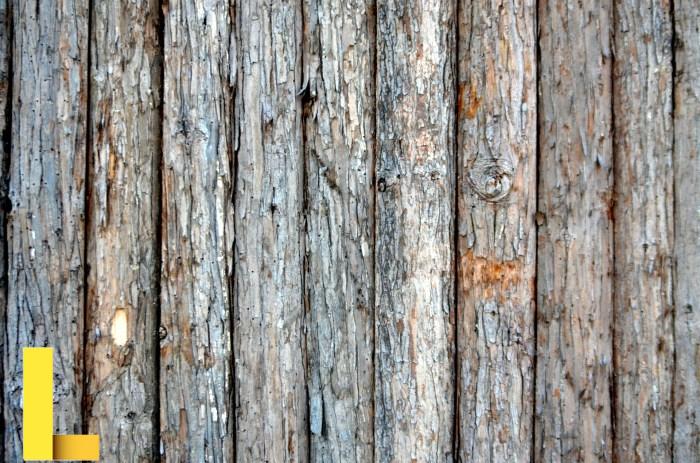
Maintaining the pristine condition and robust functionality of a wood picnic table with detached benches is paramount for its longevity and aesthetic appeal. While the initial craftsmanship provides a strong foundation, consistent care and attention are what truly transform it into a lasting centerpiece for outdoor gatherings, resisting the inevitable wear and tear from environmental exposure.The outdoors presents unique challenges to wooden furniture, from fluctuating temperatures and humidity to the relentless sun and potential biological growth like algae and mildew.
A proactive and systematic approach to cleaning and protection not only preserves the wood’s integrity but also enhances its natural beauty, ensuring it remains a welcoming spot for countless seasons.
Cleaning Regimen for Longevity
A consistent cleaning regimen is essential for preventing the accumulation of dirt, grime, and organic growth that can compromise both the appearance and structural integrity of a wood picnic table. Establishing a routine helps to address minor issues before they escalate, extending the life and maintaining the inviting appeal of the outdoor seating.The comprehensive cleaning schedule for a wood picnic table typically involves a tiered approach, combining routine surface cleaning with periodic deep treatments.
For general upkeep, a quick wipe-down with a damp cloth every few weeks or after heavy use helps remove surface dust, pollen, and light spills, preventing them from setting into the wood grain. Quarterly or bi-annual cleaning, ideally in spring and late autumn, should involve a more thorough wash to address accumulated grime and the early stages of algae or mildew formation.
This deeper clean is crucial for preventing discoloration and degradation of the wood fibers. Annually, especially before the peak outdoor season, a comprehensive deep clean may include a light sanding to smooth any rough spots and prepare the surface for a fresh application of protective finish, ensuring maximum resilience against the elements. When cleaning, always work with the wood grain to avoid scratching and ensure even application and removal of cleaning agents.
After washing, a thorough rinse with clean water is vital to remove all cleaning solution residues, followed by complete air drying before any protective treatments are applied or the table is covered.
A classic wood picnic table with detached benches offers superb flexibility for any outdoor setting. Businesses like the distinguished la jolla picnic company frequently select these versatile designs to create elegant and comfortable al fresco dining experiences, truly highlighting the enduring appeal of quality wood picnic tables with separate seating.
Essential Cleaning Agents and Tools
Selecting the appropriate cleaning agents and tools is crucial for effective maintenance without causing damage to the wood or its finish. The choice often depends on the type of wood, its current finish, and the nature of the blemishes being addressed.A thoughtful selection of cleaning agents and tools ensures that the wood picnic table receives the specific care it needs, whether for routine cleaning or more intensive treatment.
- Mild Dish Soap and Warm Water: Ideal for general cleaning, removing everyday dirt, pollen, and light food stains. Suitable for most wood finishes, including sealed and painted surfaces, without stripping protective layers.
- Soft-Bristle Brush or Sponge: Essential for gentle scrubbing, working the cleaning solution into the wood grain without causing abrasions. Microfiber cloths are excellent for wiping down surfaces and drying.
- Oxygen Bleach Solution (e.g., Sodium Percarbonate): Highly effective for removing stubborn algae, mildew, and graying from unfinished or heavily weathered wood. It brightens the wood without the harshness of chlorine bleach, which can damage wood fibers and finishes. Always dilute according to manufacturer instructions and test on an inconspicuous area first.
- Diluted White Vinegar (1:1 with water): A natural, mild acid useful for tackling light mildew and hard water spots. It can also help neutralize odors. Use sparingly on finished wood, as repeated use might dull some sealants.
- Commercial Wood Deck/Furniture Cleaners: Specifically formulated for outdoor wood, these products often contain inhibitors for mildew and UV protection. Ensure the product is compatible with your wood type and existing finish. Brands like Star Brite or Thompson’s WaterSeal offer various wood-specific solutions.
- Garden Hose with Spray Nozzle: Provides controlled rinsing, crucial for removing all cleaning residues without saturating the wood excessively.
- Safety Gear: Gloves and eye protection are indispensable when working with any cleaning agents, especially oxygen bleach or commercial cleaners, to prevent skin and eye irritation.
- Stiff Nylon Brush: For unfinished or very heavily soiled wood, a slightly stiffer nylon brush can be used with caution to dislodge deep-seated dirt, always scrubbing with the grain.
- Pressure Washer (with extreme caution): While effective for large, robust, and unfinished wooden surfaces, a pressure washer must be used on the lowest setting with a wide fan nozzle and kept at a safe distance (e.g., 12-18 inches). Improper use can easily damage wood fibers, create gouges, and strip finishes, making it generally not recommended for finished or softer woods.
“Regular cleaning is not just about aesthetics; it’s a critical defense against the elements, preserving the structural integrity and extending the lifespan of your outdoor wood furniture.”
The Enduring Charm of a Well-Kept Table
A wood picnic table that has been meticulously maintained over several seasons transforms into a testament to enduring craftsmanship and diligent care, showcasing a character that new furniture cannot replicate. Its appearance tells a story of countless gatherings and shared moments, gracefully adapting to its outdoor environment.The surface of a well-kept table develops a rich, inviting patina, a natural process where the wood’s color deepens or mellows over time, enhancing its inherent grain and unique characteristics.
For example, a redwood table might retain its vibrant hue with consistent UV protection, while a cedar table might achieve a distinguished silvery-gray, both exhibiting a consistent, even tone free from the splotchy discoloration of neglect. The texture remains smooth to the touch, devoid of splintering or excessive roughness, which is a direct result of regular cleaning, occasional light sanding, and reapplication of protective finishes.
Structurally, all joints remain tight and secure, exhibiting no signs of rot, significant warping, or loose components, underscoring its reliability and robust construction. This enduring quality makes the table a comforting and reliable fixture in any outdoor setting, exuding a warm, lived-in appeal that invites relaxation and enjoyment, standing as a beautiful and functional centerpiece through sun and seasons.
Last Word
Ultimately, the wood picnic table with detached benches stands as a testament to thoughtful outdoor furniture design, harmoniously combining durability, aesthetic appeal, and practical functionality. Through careful material selection, meticulous craftsmanship, and diligent maintenance, these tables not only endure but also gracefully evolve, acquiring a rich patina that tells stories of countless shared moments. They remain an invaluable asset for fostering connection and comfort in any garden or patio space.
Frequently Asked Questions: Wood Picnic Table With Detached Benches
Is a wood picnic table with detached benches difficult to assemble?
Most models are designed for straightforward assembly, typically requiring basic tools and following clear instructions. Pre-drilled holes and labeled components often simplify the process for convenient setup.
What is the typical weight capacity for the benches?
While varying by design and wood type, benches are generally built to accommodate multiple adults, often supporting 500-800 pounds or more, ensuring sturdy and safe seating for gatherings.
How should a wood picnic table with detached benches be protected during winter?
For optimal longevity, it is advisable to clean the table thoroughly, apply a fresh protective sealant, and store it in a covered, dry area. If outdoor storage is unavoidable, a breathable, waterproof cover is recommended.
Can the detached benches be used independently of the table?
Absolutely. A significant advantage of detached benches is their versatility; they can be moved freely for additional seating elsewhere, around a fire pit, or even indoors for temporary use, enhancing flexibility.

