

Recreational land loan Wisconsin opens the door to owning a slice of the Badger State’s picturesque wilderness, perfect for those dreaming of a private hunting retreat, a tranquil fishing spot, or a vibrant camping ground. This guide explores how to finance your very own outdoor haven, transforming aspirations into tangible reality for enthusiasts across the state.
Delving into the specifics, we will comprehensively describe what constitutes recreational land from a lender’s viewpoint, differentiating it from residential or agricultural properties. We will navigate the entire application process, from initial inquiry to loan closing, outlining essential documents and criteria. Furthermore, we will explore various land types, such as prime hunting grounds or serene lakefront parcels, and how their unique characteristics influence financing options and terms across Wisconsin’s diverse landscapes.
Specifics of Recreational Land Financing in Wisconsin
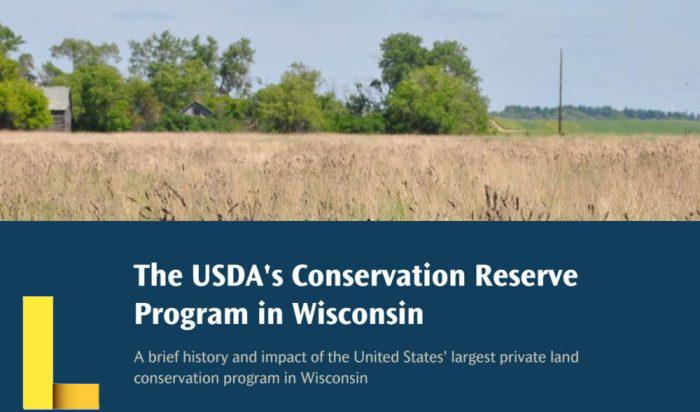
Understanding the nuances of financing recreational land in Wisconsin is crucial for anyone looking to invest in the state’s abundant outdoor opportunities. This segment delves into the specific definitions, uses, and financial instruments tailored for these unique properties, distinguishing them from other real estate categories. We’ll explore how lenders view these parcels and what potential buyers can expect when navigating the loan process.
Defining Recreational Land in Wisconsin
From a lending institution’s perspective, recreational land in Wisconsin is distinctly different from residential or agricultural properties, primarily due to its intended use and lack of permanent, year-round dwellings or intensive farming operations. Lenders evaluate these properties based on their potential for leisure activities rather than primary residence or income generation through agriculture.Key characteristics that define recreational land in Wisconsin for lending purposes include:
- Limited or No Permanent Structures: While small cabins, sheds, or outbuildings for seasonal use are common, the land typically lacks a primary, year-round habitable residence with utilities like municipal water, sewer, or extensive electrical service.
- Primary Use for Leisure: The property’s main purpose is for outdoor recreation, such as hunting, fishing, camping, ATV riding, snowmobiling, or hiking, rather than full-time living or commercial agricultural production.
- Zoning Classification: Often zoned as “recreational,” “forest,” “undeveloped,” or “conservation,” reflecting its intended non-residential and non-intensive commercial use.
- Lack of Income-Generating Potential (Primary): While some timber harvesting or hunting leases might occur, these are generally not the primary or substantial income generators that would classify the land as agricultural for lending purposes.
- Access: May have seasonal or unpaved access roads, differing from the year-round, maintained access typically required for residential properties.
- Environmental Considerations: Often includes significant natural features like wetlands, forests, or waterways, which can influence development potential and lending terms.
Qualifying Uses for Recreational Land
The appeal of Wisconsin’s diverse landscapes lies in the myriad of outdoor activities they support, and these activities are central to how lenders classify and value recreational land. Properties that facilitate these pursuits are prime candidates for recreational land financing.Common types of activities or uses that qualify land as recreational in Wisconsin include:
- Hunting: Properties with suitable wildlife habitat for deer, bear, turkey, grouse, or waterfowl are highly sought after.
- Fishing: Land with frontage on lakes, rivers, or streams, or proximity to public fishing access points.
- Camping: Sites suitable for primitive camping, RVs, or small cabins for seasonal stays.
- ATV and Snowmobile Riding: Land with existing trails or the potential to develop them, often connecting to state or county trail systems.
- Hiking and Nature Observation: Properties offering diverse ecosystems for walking, bird watching, and enjoying natural beauty.
- Timber Management (Non-Commercial Primary): Sustainable forestry practices for personal use or minor income, not large-scale commercial logging.
- Cross-country Skiing and Snowshoeing: Land with suitable terrain for winter sports.
A Glimpse into a Northern Wisconsin Recreational Parcel
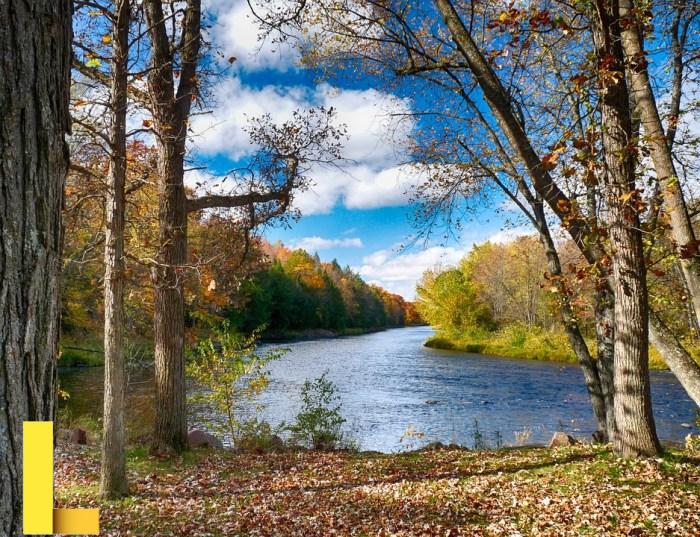
Imagine a typical 40-acre recreational parcel nestled deep within northern Wisconsin, perhaps near the Chequamegon-Nicolet National Forest or the vast expanses of Sawyer County. This particular parcel is characterized by gently rolling topography, transitioning from higher, drier ridges down to a lower, wetter area bordering a small, unnamed creek that meanders along its eastern boundary. The property is predominantly wooded, showcasing a classic northern Wisconsin mix of mature hardwoods and softwoods.
Towering red oaks and sugar maples dominate the higher ground, their canopies providing excellent shade in summer and vibrant colors in autumn, while stands of white pine and balsam fir thrive in the slightly moister depressions, offering year-round greenery and cover.Access to the property is via a gravel town road that dead-ends at the parcel’s western edge, ensuring privacy and minimal traffic.
Considering a recreational land loan in Wisconsin opens doors to fantastic outdoor opportunities. Professionals pursuing a masters in recreation administration often gain insights into optimizing such properties for public or private enjoyment, which can directly influence how you develop your Wisconsin land acquisition.
A rudimentary, two-track path, barely visible, snakes through the timber from the road, leading to a small, cleared area ideal for parking a camper or setting up a hunting blind. The creek, though narrow, provides a consistent water source, attracting various wildlife species, and offers potential for small-scale fishing for brook trout during specific seasons. Evidence of deer trails crisscross the property, indicating its suitability as a prime hunting ground.
Additionally, the varied terrain and tree cover create excellent opportunities for nature photography, birdwatching, and simply enjoying the tranquility of the Wisconsin wilderness. During winter, the dense woods offer shelter for snowshoeing or cross-country skiing, while nearby public trails provide access for snowmobiling.
Understanding Loan Terms and Rates for Wisconsin Recreational Land
When financing recreational land in Wisconsin, lenders typically offer terms that reflect the unique nature of these properties, often differing from traditional residential mortgages. These loans are generally considered higher risk due to the lack of permanent structures and the often remote locations, which can influence both rates and repayment structures.Typical loan terms for recreational land in Wisconsin often range from 10 to 20 years, though some lenders may extend to 25 years, especially for larger parcels or those with some existing infrastructure.
Interest rates can be either fixed or variable. Fixed-rate loans provide stability with consistent monthly payments throughout the loan term, offering predictability in budgeting. Variable-rate loans, on the other hand, might start with a lower introductory rate but can fluctuate with market conditions, potentially leading to higher or lower payments over time. For example, a borrower might secure a 15-year fixed-rate loan at 6.5% for a 40-acre parcel, while another might opt for a 10-year variable-rate loan starting at 5.75%, subject to annual adjustments.
Repayment schedules are almost always structured with monthly principal and interest payments, similar to residential mortgages, ensuring a steady reduction of the loan balance over time.
Securing a recreational land loan in Wisconsin can open doors to incredible outdoor experiences. Beyond just hunting or fishing, your property might host various activities, perhaps even inspiring community engagement. Discovering a local basketball recreational league could spark ideas for developing shared spaces on your land. Ultimately, such a loan empowers you to shape your ideal recreational retreat within Wisconsin’s beautiful landscape.
Recreational Land Loans vs. Other Property Loans in Wisconsin, Recreational land loan wisconsin
Comparing recreational land loans to traditional mortgages or raw land loans in Wisconsin highlights key differences in financial requirements and lender expectations. These distinctions primarily revolve around perceived risk, property utility, and market liquidity.
| Feature | Recreational Land Loan | Traditional Mortgage | Raw Land Loan |
|---|---|---|---|
| Down Payment Requirements | Typically higher, ranging from 20% to 35% or more, reflecting higher perceived risk and often limited resale market. | Generally lower, often 3% to 20% for primary residences, with various government-backed options (FHA, VA) offering even less. | Often the highest, 25% to 50%, due to maximum perceived risk, as the land has no immediate utility or income. |
| Loan-to-Value (LTV) Ratios | Lower LTVs, usually 65% to 80%, meaning the loan amount is a smaller percentage of the property’s appraised value. | Higher LTVs, commonly 80% to 97%, especially with private mortgage insurance (PMI) or government programs. | Lowest LTVs, often 50% to 75%, reflecting the highest risk profile and limited collateral value. |
| Approval Criteria | Focus on borrower’s creditworthiness, financial stability, and the property’s recreational appeal and marketability. Lenders may scrutinize specific uses and access. | Emphasis on borrower’s debt-to-income ratio, credit score, employment history, and the property’s appraisal value for a habitable residence. | Primarily on borrower’s strong financial standing and liquidity. The land’s potential for future development or use is less critical than the borrower’s ability to repay. |
| Interest Rates | Generally higher than traditional mortgages due to increased risk and specialized nature. Can be fixed or variable. | Typically the lowest rates available, reflecting the lower risk of a primary residence and robust secondary market. Mostly fixed. | Often higher than recreational land loans, as the land is purely speculative without immediate use or structures. |
Wisconsin’s Unique Regulatory Landscape for Recreational Land Lending
Wisconsin has specific state-level regulations and considerations that can influence recreational land lending, particularly concerning environmental protection, land use, and property taxation. Lenders and borrowers alike must be aware of these factors to ensure compliance and a smooth transaction.One significant consideration is Wisconsin’s Managed Forest Law (MFL). This program encourages sustainable forestry practices on private woodlands by offering reduced property taxes in exchange for following a forest management plan.
Obtaining a recreational land loan in Wisconsin is often the first step towards enjoying the state’s beautiful outdoors. While considering your ideal property, don’t forget the perfect companion vehicle; exploring dealers like scotts recreational vehicles manchester me could spark ideas. Ultimately, securing that Wisconsin land loan makes your recreational dreams a tangible reality.
Lenders often look favorably upon properties enrolled in MFL, as it indicates responsible land stewardship and can lower a borrower’s annual carrying costs, making the loan more sustainable. However, MFL enrollment comes with specific requirements and restrictions on land use, which must be understood. For example, a portion of the land may need to remain open to public access for hunting and fishing, depending on the MFL designation.Furthermore, wetland regulations and shoreland zoning ordinances are critical in Wisconsin.
Properties with significant wetland areas or frontage on lakes, rivers, or streams are subject to strict state and local rules regarding development, construction, and land alteration. These regulations, enforced by the Wisconsin Department of Natural Resources (DNR) and local municipalities, can impact a property’s appraised value and potential uses, which lenders will carefully consider. A parcel with extensive wetlands, for instance, might have limited buildable areas, influencing its overall utility and value from a lending perspective.
Additionally, the Wisconsin Farmland Preservation Program and Purchase of Agricultural Conservation Easement (PACE) programs, while primarily focused on agricultural land, can sometimes overlap with properties that have recreational components, potentially influencing development rights or tax assessments. Lenders need to ensure that any encumbrances or benefits from such programs are fully disclosed and understood.
Ultimate Conclusion: Recreational Land Loan Wisconsin
Ultimately, securing a recreational land loan Wisconsin is a journey toward realizing a deeply personal vision of outdoor enjoyment and investment. By understanding the unique financing specifics, navigating the application process with diligence, and appreciating the nuances of diverse land types, aspiring landowners can confidently pursue their ideal Wisconsin property. This comprehensive insight empowers you to make informed decisions, ensuring your recreational land acquisition is both successful and profoundly rewarding for years to come.
Quick FAQs
Can I build a permanent residence on recreational land financed in Wisconsin?
Generally, recreational land loans are for properties intended for leisure activities, not primary residences. Building a permanent home might require a different type of financing or zoning changes, which could significantly affect your loan terms and necessitate further approvals.
What if I want to sell the land before the loan is paid off?
You can typically sell the land, but the outstanding loan balance will need to be paid off from the sale proceeds. It is always wise to review your loan agreement for any specific clauses regarding early sale or potential prepayment penalties.
Are there any specific environmental considerations for recreational land in Wisconsin?
Yes, Wisconsin has various environmental regulations, especially concerning wetlands, shoreland zoning, and forest management. Lenders often consider these factors as they can impact land use, value, and future development potential, so thorough due diligence is crucial during the purchasing process.
What is the typical minimum down payment for a recreational land loan in Wisconsin?
While specifics vary by lender and the type of land, down payments for recreational land loans in Wisconsin are generally higher than traditional mortgages. They often range from 20% to 30% or even more, reflecting the perceived higher risk associated with undeveloped land.
Do I need a property appraisal for a recreational land loan?
Yes, a professional property appraisal is almost always required. Lenders use this to determine the fair market value of the recreational land, which is crucial for establishing the loan-to-value (LTV) ratio and mitigating financial risk.

