

Recreational golf league offers a delightful blend of sport and camaraderie, creating an accessible and enjoyable environment for golf enthusiasts of all skill levels. These leagues stand apart from highly competitive professional circuits, prioritizing social interaction, personal improvement, and the sheer pleasure of the game over intense rivalry.
They provide a structured yet relaxed setting where individuals can pursue their passion for golf, forge new friendships, and experience the numerous physical and mental benefits associated with regular play. From the initial concept to the final celebratory event, a well-organized recreational golf league cultivates a vibrant community spirit among its participants.
The Essence of Recreational Golf Leagues

Recreational golf leagues serve as a cornerstone for amateur golfers, providing a structured yet relaxed environment to enjoy the sport. Unlike the demanding circuits of professional golf, these leagues prioritize participation, social interaction, and a shared passion for the game, fostering a distinct culture that appeals to a broad spectrum of enthusiasts.
Distinguishing Characteristics of Recreational Golf Leagues
Recreational golf leagues are fundamentally different from professional tours or highly competitive amateur circuits, which are often characterized by intense pressure, significant prize money, and strict adherence to professional standards. The defining attributes of a recreational league emphasize accessibility and enjoyment above all else.
- Emphasis on Participation over Prize Money: The primary goal is to encourage regular play and enjoyment of golf, rather than competing for substantial financial rewards. Any prizes are typically symbolic, such as trophies, bragging rights, or small gift certificates.
- Flexible Rules and Handicapping Systems: Leagues often incorporate handicapping systems to ensure fair competition among players of varying skill levels. This allows beginners and experienced golfers to compete equitably, making the game accessible and enjoyable for everyone. Local rules may also be adapted for pace of play or specific course conditions.
- Social Interaction as a Core Element: Camaraderie and community building are central to the recreational league experience. Golfers often form friendships, network, and engage in friendly banter both on and off the course, transforming a solitary sport into a collective social event.
- Variety of Skill Levels: These leagues welcome golfers across the entire spectrum of ability, from those just learning the game to seasoned amateurs. This diversity enriches the experience, allowing players to learn from each other and enjoy a wider range of playing partners.
- Local and Community-Based Nature: Recreational leagues are typically organized at local golf courses, drawing participants from the immediate community. This localized focus strengthens community ties and supports local golf facilities, creating a familiar and welcoming atmosphere.
- Relaxed Atmosphere and Pace: While competition exists, it is generally friendly and low-pressure. The pace of play is often more relaxed, accommodating different speeds and allowing for more social interaction during rounds.
Motivations and Benefits for Joining a Recreational Golf League
Individuals choose to join recreational golf leagues for a myriad of reasons, each contributing to a rich and rewarding experience that extends beyond the golf course itself. These motivations often intertwine, creating a comprehensive package of advantages for participants.
| Motivation | Benefit |
|---|---|
| Social Connection and Community | Fostering new friendships, expanding one’s social circle, and building a sense of belonging within a local community of like-minded individuals. |
| Consistent Opportunity for Play | Ensuring a regular slot for golf, which helps maintain a routine for physical activity and leisure, especially beneficial for those with busy schedules. |
| Skill Development and Practice | Providing a structured environment for regular play and friendly competition, which naturally encourages improvement, learning new strategies, and refining techniques. |
| Stress Relief and Mental Well-being | Offering an enjoyable escape from daily pressures, promoting relaxation through outdoor activity, and providing a mental break in a beautiful natural setting. |
| Accessible Competitive Play | Allowing individuals to experience the thrill of competition without the intense pressure or high stakes associated with professional or elite amateur tournaments, often facilitated by handicaps. |
| Physical Activity and Exercise | Engaging in a low-impact sport that provides regular walking and movement, contributing positively to cardiovascular health and overall physical fitness. |
| Enjoyment of the Outdoors | Spending time in scenic environments, appreciating nature, and experiencing the changing seasons while participating in a beloved sport. |
A Typical Scene at a Recreational Golf League Event
A typical Tuesday evening at the local municipal course, the air is thick with anticipation and friendly chatter as members of the “Fairway Frolics” league gather. Golf carts, some adorned with playful team names, line up near the first tee, their occupants sharing last-minute tips or good-natured ribbing. Laughter often punctuates the calm before tee-off, a stark contrast to the hushed reverence found at professional tournaments.
Players of all ages and skill levels, from seasoned veterans to enthusiastic newcomers, mix effortlessly, their common bond being a love for the game and the camaraderie it fosters. The atmosphere is undeniably relaxed, punctuated by the occasional celebratory shout for a well-struck shot or a sympathetic groan for a wayward one. After their rounds, participants often reconvene at the clubhouse or a designated patio area, recounting their best shots, their worst putts, and sharing stories over refreshments.
Scorecards are tallied with a spirit of mutual encouragement rather than cutthroat competition, as the true victory lies in the shared experience and the strengthened bonds of friendship.
Establishing and Operating a Successful League
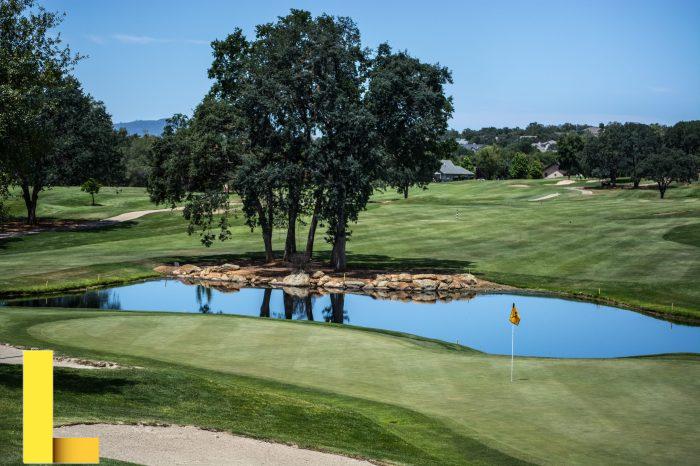
Establishing and operating a successful recreational golf league requires thoughtful planning and consistent management. A well-structured league not only provides a framework for fair competition but also fosters a vibrant community where players can enjoy the game, improve their skills, and build lasting relationships. This foundational work ensures the league’s longevity and enhances the overall experience for all participants, from the initial concept through to the weekly rounds.
Initiating a New Recreational Golf League
Launching a new golf league involves a series of sequential steps, each crucial for laying a solid groundwork. Careful execution of these stages helps ensure a smooth start, minimizes potential issues, and sets the stage for a highly enjoyable and sustainable league environment.
Participating in a recreational golf league provides an excellent social outlet for golfers of all skill levels. These leagues often benefit from robust municipal support, especially in areas where departments like parks and recreation las vegas oversee numerous public courses. Such support ensures affordable access and well-organized play, enhancing the overall experience for anyone looking to join a recreational golf league.
- Define Concept and Vision: Articulate the league’s core purpose, whether it is primarily social, moderately competitive, focused on skill development, or a blend of these. Identify the target demographic (e.g., beginners, experienced players, mixed genders) and the desired atmosphere.
- Form a Core Committee: Assemble a small, dedicated group of volunteers to manage the initial setup tasks. This committee will be instrumental in making key decisions and distributing the workload effectively.
- Select a Golf Course and Secure Tee Times: Research local golf courses that align with the league’s budget and desired playing conditions. Negotiate league rates, confirm availability for regular tee times (e.g., weekly, bi-weekly), and discuss amenities such as cart rentals, practice facilities, and pro shop support.
- Establish Basic Rules and Formats: Draft a preliminary set of league rules covering attendance, pace of play, and general etiquette. Decide on initial play formats (e.g., individual stroke play, team scramble) and select a suitable handicap system for fair competition.
- Develop a Budget and Set League Fees: Calculate anticipated expenses, including green fees, prizes, administrative costs, and any end-of-season events. Determine a reasonable league fee per player to cover these costs, ensuring transparency in financial management.
- Recruit Members and Manage Registration: Promote the league through local golf clubs, community centers, social media, and word-of-mouth. Create a clear registration process, collecting essential player information, contact details, and league fees.
- Create a Season Schedule: Design a comprehensive schedule outlining weekly pairings, specific play formats for each round, potential rain dates, and any special event days (e.g., scramble tournament, closest-to-the-pin contests).
- Implement a Communication Strategy: Establish effective channels for ongoing communication with league members. This might include a dedicated email list, a group messaging app, a private social media group, or a simple league website to share updates, results, and announcements.
- Host a Pre-Season Orientation Meeting: Organize a meeting for all registered players to review the league rules, explain the chosen play formats and handicap system, answer questions, and provide an opportunity for members to meet each other before the first round.
- Execute the First Tee-Off: Ensure all logistical arrangements are in place for the inaugural round. Confirm tee times, distribute scorecards, and provide any necessary instructions. The focus should be on creating a welcoming and organized experience for everyone.
Structuring League Play: Formats and Handicap Systems
The structure of league play, encompassing both game formats and handicap systems, is pivotal in maintaining player interest and ensuring fair competition. A variety of formats can keep the experience fresh and engaging, while an effective handicap system allows players of all skill levels to compete equitably.A diverse range of play formats can cater to different preferences and skill levels within a recreational league, enhancing overall enjoyment.
The following table provides a comparative analysis of common formats:
| Play Format | Description | Suitability for Recreational Leagues |
|---|---|---|
| Individual Stroke Play | Each player plays their own ball throughout the round, and their total strokes for 18 (or 9) holes constitute their gross score. A net score is calculated by subtracting their handicap. | Highly suitable for competitive leagues focused on individual performance. Requires players to track their own scores accurately and manage their game independently. Can be less forgiving for beginners. |
| Two-Person Scramble | Both players hit a drive, choose the best shot, and both play their next shot from that spot. This continues until the ball is holed out. One score is recorded for the team. | Excellent for social leagues and encouraging teamwork. Reduces pressure on individual players, making it very welcoming for beginners or those less confident in their game. Promotes faster play. |
| Two-Person Best Ball | Each player plays their own ball for the entire hole. The lower (best) net score of the two partners is recorded as the team’s score for that hole. | Very suitable for leagues seeking a balance between individual performance and team support. Allows players to contribute individually while having a partner to back them up, reducing the impact of a bad hole. |
| Individual Match Play | Two players compete hole-by-hole, with the player winning the most holes declared the winner. The game ends when one player is up by more holes than remain to be played. | Ideal for competitive leagues where head-to-head rivalry is desired. Matches can be quicker as not all holes may need to be played. Can be less appealing for players who prefer to complete all holes. |
To ensure equitable competition across all skill levels, a robust handicap system is indispensable. While official systems like the World Handicap System (WHS) exist, recreational leagues often benefit from simpler, league-specific adaptations. Common approaches include calculating handicaps based on a player’s average of their best recent scores (e.g., the best 5 of the last 10 rounds) or utilizing a modified Callaway system for one-off events where no prior handicap is available.
Adjustments can also involve applying a percentage (e.g., 80% or 90%) of a full handicap to further level the playing field.
For recreational leagues, the primary goal of a handicap system is to foster equitable competition and maximize enjoyment, rather than strict adherence to professional standards.
Scoring and Standings Tracking System
A clear, consistent, and easily manageable scoring and standings tracking system is essential for any successful recreational golf league. It ensures transparency, motivates players, and provides a tangible measure of progress and competition throughout the season.Establishing a consistent method for calculating and submitting scores is paramount. For formats utilizing handicaps, the calculation of net scores (Gross Score – Handicap) forms the basis of competition.
Many recreational leagues opt for a point system over raw stroke play for weekly standings, where points are awarded based on a player’s or team’s finish (e.g., 10 points for first place, 8 for second, etc.) or for match play wins and ties. A standardized scorecard submission process, requiring players to attest and sign their cards promptly after each round, is critical for accuracy.Maintaining up-to-date standings provides a continuous overview of league performance and builds anticipation.
The most common method involves accumulating points throughout the season, with players or teams ranked by their total points. For match play leagues, standings may track win/loss records. Some leagues implement “flighting,” where players are divided into skill-based groups, ensuring more competitive groupings within the standings and allowing for multiple winners or top finishers across different skill tiers.Addressing ties clearly and consistently is vital to maintain fairness and avoid ambiguity in weekly results and overall standings.
For individual stroke play, a “count-back” method is often used, comparing scores on the last nine, then six, then three, or even the last hole played. Alternatively, a pre-defined tie-breaker hole can be designated. In situations where a clear winner is not strictly necessary, such as for weekly prizes, points or prizes can simply be split among tied players. For season-long standings, head-to-head records or total net scores over the season might serve as tie-breakers.Regular and timely updates are crucial for keeping league members informed and engaged.
Results and updated standings should be published promptly, ideally within 24-48 hours of each round. Utilizing the established communication channels (email, website, or bulletin board) ensures that all members have easy access to the latest information. Transparency is key, meaning all scores, handicaps, and calculation methods should be clearly displayed. Furthermore, providing a mechanism for players to query results or raise concerns ensures fairness and builds trust within the league.
Fostering Engagement and Growth within a League

A thriving recreational golf league extends far beyond weekly tee times; it cultivates a vibrant community where camaraderie flourishes, and members feel genuinely connected. Sustained engagement is the bedrock of a successful league, driving not only participant satisfaction but also ensuring consistent growth through positive word-of-mouth and a welcoming atmosphere. By intentionally weaving social interactions and diverse competitive elements into the league’s fabric, organizers can transform a series of golf rounds into a rich, ongoing experience that resonates deeply with its members.
Integrating Social Events and Community-Building Activities
Incorporating social events and community-building activities is crucial for strengthening bonds among league members, moving beyond mere golfing partners to genuine friendships. These opportunities provide a relaxed environment for interaction, making the league more appealing and fostering a sense of belonging that encourages long-term participation.
-
Themed Golf Days: Introduce themed golf days that add a playful twist to regular rounds. Examples include “Decades Day” where players dress in attire from a specific era, “Hawaiian Shirt Day,” or “Team Colors Day.” These themes encourage lighthearted participation and offer easy conversation starters, often leading to memorable photo opportunities and shared laughter.
Participating in a recreational golf league provides an excellent opportunity for social engagement and friendly competition. Much like the festive atmosphere at a major gathering, say, willie nelsons fourth of july picnic , these leagues cultivate a strong sense of community. Ultimately, they offer a consistent and enjoyable way to connect with fellow enthusiasts on the course.
- Post-Round Socials and “19th Hole” Gatherings: Organize informal gatherings immediately following play at the clubhouse or a designated local establishment. This provides a natural transition from competition to conversation. Offering light appetizers or a discounted drink special can incentivize attendance, allowing players to recap their rounds, discuss strategies, and simply socialize in a relaxed setting.
- Charity Scramble or “Play for a Cause” Event: Dedicate one league day or an additional event to a charity scramble, where entry fees contribute to a local charity. This not only builds community within the league but also connects members to the broader local community through a shared philanthropic effort, fostering pride and collective purpose.
- Skill Clinics & Social Mixers: Host occasional clinics focusing on specific aspects of the game, such as putting, chipping, or driving, led by a local golf professional. Pair these clinics with a social mixer afterward, perhaps a casual BBQ or a coffee and pastry meet-up. This provides value through game improvement while also creating a low-pressure social environment.
- “Bring a Friend” / Family Golf Day: Designate a special day where members are encouraged to bring a friend or family member to play a casual, non-competitive round, perhaps a scramble format. This is an excellent growth strategy, allowing potential new members to experience the league’s atmosphere firsthand, and reinforces the league’s family-friendly appeal.
Sustaining Member Interest and Promoting Friendly Competition, Recreational golf league
Maintaining high levels of member interest throughout a season requires a dynamic approach that balances competitive spirit with inclusive fun. Strategies should focus on varied formats, fair play, and broad recognition, ensuring that every participant feels valued and motivated to continue engaging with the league.
Participating in a recreational golf league provides an excellent avenue for both exercise and camaraderie. Many vibrant areas, including those managed by boca raton parks and recreation , often feature superb courses and support structures. These well-organized leagues enhance skill development while ensuring a consistently enjoyable and engaging golf experience for everyone involved.
- Varied Game Formats: Rotate through different game formats beyond stroke play to keep the competition fresh and engaging. Introduce formats like Scramble, Best Ball, Stableford, or Match Play on specific weeks. This not only challenges players in new ways but also caters to different skill sets and preferences, preventing monotony.
- Handicap-Adjusted Flights and Divisions: Implement a robust handicapping system that creates fair competition across all skill levels. Dividing players into flights or divisions based on their handicaps ensures that everyone has a realistic chance to compete for weekly or seasonal honors, making the game enjoyable for beginners and experienced golfers alike.
- Weekly Challenges and Mini-Games: Introduce small, fun challenges each week, such as “Closest to the Pin” on a par 3, “Longest Drive” on a par 5, or “Longest Putt” on a designated hole. These mini-competitions provide additional opportunities for success and recognition, adding an extra layer of excitement to each round beyond the overall score.
- Recognition for Improvement and Participation: Go beyond simply awarding the lowest scores. Recognize players who show significant improvement over the season (e.g., “Most Improved Golfer” based on handicap changes), those with perfect attendance, or individuals who consistently demonstrate good sportsmanship. This broadens the scope of achievement and encourages consistent effort.
- Player Spotlights and League Newsletter: Feature a different league member each week or month in a brief “Player Spotlight” section within a league newsletter or on a dedicated league webpage. This can include a photo, a short bio, their favorite golf memory, or a fun fact, helping members get to know each other better and celebrating individual contributions to the league community.
The Annual League Celebration and Awards Gala
The culmination of a recreational golf season should be marked by a memorable celebration that acknowledges achievements, strengthens community bonds, and leaves members eagerly anticipating the next season. A well-planned awards gala serves as a capstone event, reinforcing the league’s value and the friendships forged throughout the year.
Imagine an “Emerald Fairways Gala,” hosted at a local country club or a well-appointed banquet hall, transformed into an elegant yet relaxed setting. The ambiance would feature subtle golf-themed decor, such as centerpieces with miniature golf bags and floral arrangements in shades of green and white, complemented by soft, warm lighting to create an inviting atmosphere. Upon arrival, guests would be greeted with a cocktail hour, offering a selection of hors d’oeuvres and a cash bar, allowing for informal mingling and photo opportunities against a branded league backdrop.
Background music, perhaps a live acoustic duo playing light jazz or contemporary hits, would set a sophisticated yet friendly tone. A buffet-style dinner featuring local culinary favorites would follow, ensuring a diverse selection to cater to various tastes. Key moments would include a brief welcoming address from the League Commissioner, reflecting on the season’s highlights and expressing gratitude to all participants.
The core of the evening would be the awards ceremony, recognizing not only the league champions and flight winners but also categories such as “Most Improved Golfer,” “Sportsmanship Award,” “Rookie of the Year,” and “Volunteer of the Year.” Each award would be presented with a short, personalized anecdote or commendation, emphasizing the community aspect. A highlight could be a season-in-review slideshow or video montage, showcasing candid photos and memorable moments from league play and social events, set to an uplifting soundtrack.
The evening would conclude with a raffle drawing for golf-related prizes, a final thank you, and an open invitation for dancing or continued socializing, fostering a sense of shared joy and anticipation for future seasons.
Ending Remarks: Recreational Golf League
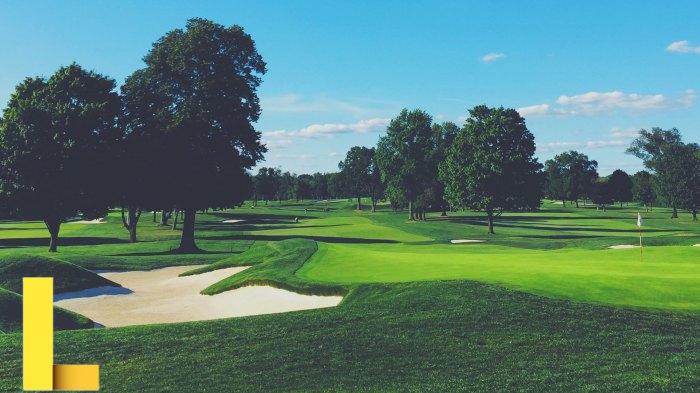
Ultimately, the essence of a recreational golf league lies in its capacity to unite individuals through a shared love for the game, fostering an atmosphere of mutual support and friendly competition. By carefully considering its fundamental characteristics, establishing robust operational procedures, and consistently nurturing engagement, a league can evolve into a cherished community institution.
Such leagues not only offer a consistent outlet for sporting activity but also build lasting relationships and create memorable experiences, ensuring that the spirit of recreational golf continues to thrive and attract new enthusiasts for seasons to come.
FAQ Summary
Do I need to be an experienced golfer to join a recreational golf league?
Absolutely not. Recreational leagues are specifically designed to be inclusive, welcoming players of all skill levels, from beginners to seasoned veterans. Many leagues utilize handicapping systems to ensure fair play, allowing everyone to compete on an even footing.
What kind of golf clubs or equipment do I need to participate?
Generally, you will need a standard set of golf clubs, golf balls, and appropriate golf attire, including comfortable shoes. Some leagues may have specific dress codes, but most are quite relaxed. If you are new to golf, many courses offer rental clubs, which can be a great way to start before investing in your own set.
How long does a typical recreational golf league season usually run?
The duration of a league season can vary significantly depending on the region and the league’s structure. Most recreational golf leagues run anywhere from 8 to 16 weeks, often aligning with warmer weather months, though some indoor or year-round leagues exist in certain areas.
Can I join a league as an individual, or do I need to form a team?
Many recreational leagues offer both options. You can often sign up as an individual and be placed on a team, or you can register with a pre-formed group of friends. It is best to check the specific league’s registration policies, as they often aim to accommodate various preferences to encourage participation.
What happens if the weather is bad on a scheduled league day?
League organizers typically have a clear policy for inclement weather. This usually involves canceling the round, rescheduling it for a later date, or offering a make-up week. Details on weather-related cancellations and postponements are generally communicated well in advance to all participants.

