

Dimensions picnic table sets the stage for understanding the crucial aspects of outdoor furniture, offering a comprehensive look into how size and design profoundly impact usability and aesthetic appeal. Exploring these fundamental measurements is key to maximizing both functionality and visual harmony in any outdoor setting.
This exploration delves into common sizes and designs, guides you through selecting optimal dimensions for various needs, and provides practical considerations for construction and customization, ensuring your outdoor space is perfectly appointed.
Exploring Common Picnic Table Sizes and Designs

Picnic tables are quintessential outdoor furniture, designed for durability and communal gatherings. Their design often prioritizes stability and functionality, catering to various settings from backyard barbecues to public parks. Understanding the typical dimensions and structural variations of these tables is key to appreciating their widespread utility and choosing the right one for specific needs.
Standard Rectangular Picnic Table Dimensions
A standard rectangular picnic table is a versatile and widely recognized design, offering ample space for dining and activities. Its dimensions are typically engineered to comfortably accommodate a group of people while maintaining a robust and stable structure.* Length: These tables commonly range from 6 to 8 feet (approximately 183 cm to 244 cm). An 8-foot table is particularly popular for public spaces, providing generous seating.
Width
The tabletop itself usually measures between 28 to 30 inches (approximately 71 cm to 76 cm) wide, offering sufficient surface area for food, drinks, and other items without feeling cramped.
Height
The standard tabletop height is around 30 inches (approximately 76 cm) from the ground. This height is ergonomically designed to be comfortable for most adults to sit at using the integrated benches.
Seat Height
The attached benches typically sit at a height of 17 to 18 inches (approximately 43 cm to 46 cm) from the ground. This specific height allows for comfortable legroom and easy access to the tabletop.
“The design of a standard picnic table balances the need for robust construction with ergonomic considerations, ensuring comfort and utility for users of varying ages and sizes.”
Popular Picnic Table Styles and Their Dimensions
Different picnic table styles cater to various aesthetic preferences and functional requirements, each with distinct dimensions and seating capacities. The following table provides a clear overview of some popular designs.When selecting a picnic table, considering both the available space and the desired seating capacity is crucial. The following table Artikels common dimensions for several popular styles, highlighting how their designs influence their utility.
Carefully determining the dimensions of a picnic table significantly impacts its usability and comfort. Such thoughtful design is particularly vital in environments where fostering engagement, like through diverse recreational therapy activities , is a primary goal. Therefore, selecting the correct table dimensions ensures everyone can comfortably participate, enhancing the overall experience of outdoor communal dining.
| Style | Length (approx.) | Width (approx.) | Height (Tabletop, approx.) | Seating Capacity |
|---|---|---|---|---|
| A-Frame (Standard) | 72-96 inches (183-244 cm) | 58-60 inches (147-152 cm) | 30 inches (76 cm) | 6-8 people |
| Traditional (Walk-through) | 72-96 inches (183-244 cm) | 58-60 inches (147-152 cm) | 30 inches (76 cm) | 6-8 people |
| Octagonal | 72-84 inches (183-213 cm) diameter | 72-84 inches (183-213 cm) diameter | 30 inches (76 cm) | 8 people |
A-Frame Picnic Table Design for 6-8 People
The A-frame picnic table is a classic and robust design, immediately recognizable by its distinctive triangular leg structure. This design is highly effective for stability and seating, particularly for models intended to accommodate 6 to 8 people.Visually, an A-frame table features a central tabletop with two attached benches. The “A” shape is formed by the legs and supports that extend from the ground upwards, meeting underneath the tabletop and benches to create a strong, unified structure.
For a 6-8 person capacity, these tables typically measure between 72 to 96 inches (183-244 cm) in length, providing ample linear space for seating. The overall width, including the benches, often spans 58 to 60 inches (147-152 cm), ensuring comfortable seating without the benches being too close to the table edge or too far away. The tabletop itself is usually around 30 inches (76 cm) wide and 30 inches (76 cm) high.The structural form of the A-frame is inherently stable.
The wide stance of the “A” legs, which splay outwards, creates a broad base of support, effectively distributing weight and resisting tipping. This design integrates the benches directly into the table’s support system, making the entire unit very sturdy. The dimensions contribute significantly to this stability; a longer table for 6-8 people necessitates a more robust A-frame structure to prevent sagging or wobbling, particularly in the middle.
Considering the precise dimensions for your picnic table is vital for comfortable outdoor enjoyment. For those envisioning an ideal setup, discovering the best picnic spots in orlando might spark inspiration for your next gathering. Ultimately, selecting the correct table dimensions ensures everyone can relax and dine with ease, enhancing any al fresco experience.
The strategic placement of cross-braces within the A-frame further enhances rigidity. This integrated design also means that the benches are always perfectly positioned relative to the tabletop, offering consistent and comfortable seating for everyone, whether it’s for a family meal or a larger gathering.
Selecting Optimal Dimensions for Various Needs: Dimensions Picnic Table
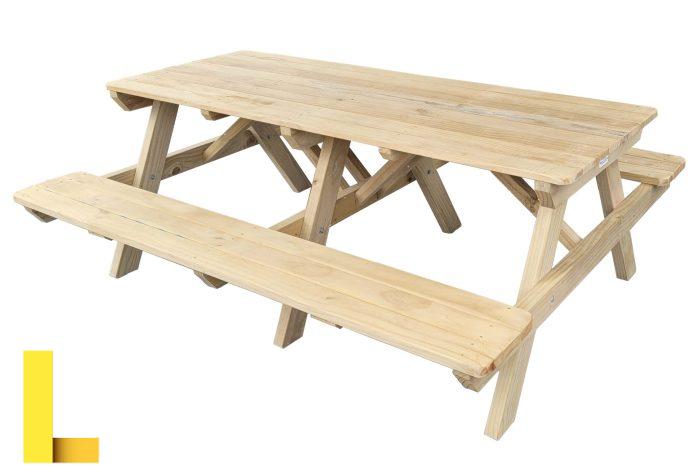
Optimizing picnic table dimensions is a critical step in ensuring functionality, comfort, and seamless integration into any outdoor setting. Beyond merely accommodating a certain number of people, the ideal size must consider the surrounding environment, potential activities, and the need for inclusive design. Thoughtful planning in this phase ensures the table serves its purpose effectively and enhances the overall outdoor experience.
Tailoring Dimensions for Diverse Outdoor Environments
The selection of appropriate picnic table dimensions is heavily influenced by the specific outdoor space it will occupy. Factors such as available footprint, surrounding pathways, and the desired aesthetic play a significant role in determining the most suitable size and configuration for maneuverability and overall harmony with the environment.
-
Small Patios: For compact spaces like small patios or balconies, the emphasis is on space efficiency. Dimensions must be carefully considered to allow for comfortable seating while leaving adequate room for movement around the table. Tables with narrower widths (e.g., 24-28 inches instead of the standard 30-36 inches) or shorter lengths (e.g., 48-60 inches for 4-6 people) are often preferred.
Foldable or convertible designs can also be excellent choices, offering flexibility when the space is needed for other purposes.
- Large Backyards: Expansive backyards offer greater flexibility in dimension choices. Here, tables can be larger and more substantial, becoming a focal point for gatherings. Considerations extend to the number of people regularly hosted, potential for multiple activities (e.g., dining, games, crafts), and the overall scale of the landscape. A large backyard might comfortably accommodate a table 96 inches or more in length, paired with generous surrounding space for movement and other outdoor furniture.
-
Public Parks: Picnic tables in public parks require dimensions that balance capacity, durability, and broad accessibility. Standardized sizes are often chosen for consistency and ease of maintenance, typically accommodating 6-8 people. Robust construction is paramount due to high usage. Furthermore, park tables often incorporate design features to ensure they are accessible to a wide range of users, which influences elements like table height and seating arrangements.
Determining the ideal dimensions for a picnic table ensures comfort and stability. Just as engineers might refine these measurements over time, data management benefits from similar version control. You can effectively trace changes, much like how databricks delta time travel allows access to previous data states, ensuring your picnic table plans remain robust and adaptable.
Maneuverability in public spaces also means ensuring clear pathways and sufficient area around the table for easy access.
Seating Capacity and its Impact on Table Dimensions
The primary function of a picnic table is to provide a communal dining or gathering surface, making seating capacity a direct determinant of its overall dimensions. Each person requires a certain amount of linear space for comfort, which then dictates the necessary length and, to some extent, the width of the table.
A general guideline suggests allocating approximately 24-30 inches of linear table edge per person for comfortable dining, allowing ample elbow room and space for individual place settings.
The following table illustrates how common seating capacities translate into recommended table dimensions, offering practical guidance for design and selection:
| Seating Capacity | Recommended Table Length (approx.) | Recommended Table Width (approx.) | Typical Configuration |
|---|---|---|---|
| 4 People | 48 – 60 inches (122 – 152 cm) | 30 – 36 inches (76 – 91 cm) | Often square or shorter rectangular; two per side, or one on each end and two on one side. |
| 6 People | 60 – 72 inches (152 – 183 cm) | 30 – 36 inches (76 – 91 cm) | Standard rectangular; three per side. |
| 8 People | 84 – 96 inches (213 – 244 cm) | 36 – 40 inches (91 – 102 cm) | Longer rectangular; four per side, or three per side and one on each end. |
| 10+ People | 108 – 120+ inches (274 – 305+ cm) | 36 – 42 inches (91 – 107 cm) | Very long rectangular or expandable designs; accommodating more individuals per side and at ends. |
These dimensions ensure not only enough space for individuals but also adequate surface area for food, drinks, and other items, enhancing the overall dining experience.
Enhancing Accessibility Through Thoughtful Dimensional Adjustments, Dimensions picnic table
Designing picnic tables to be accessible for individuals using wheelchairs is a crucial aspect of inclusive outdoor space planning. Specific dimensional adjustments ensure that everyone can comfortably use and enjoy the table, focusing on clearance, height, and seating arrangements.The following adjustments are key to creating a truly accessible picnic table:
- Table Height: Standard picnic tables are often too low for comfortable wheelchair access. An accessible table requires a higher tabletop surface, typically ranging from 32 to 34 inches (81 to 86 cm) from the ground. Crucially, the underside of the table (apron or support beams) must provide a clear knee space of at least 27 to 29 inches (68 to 74 cm) from the floor, extending back from the table edge.
- Overhang: To allow a wheelchair user to position themselves comfortably under the table, a sufficient clear depth (overhang) is essential. This typically means an unobstructed space of at least 19 inches (48 cm) deep and 30 inches (76 cm) wide under the table, free from any cross-braces or supports. This clearance allows for both knee and toe space, ensuring the user can get close enough to the table surface.
-
Seat Removal Options: For picnic tables with integrated benches, accessibility often necessitates the ability to remove or bypass a section of the bench. This allows a wheelchair to roll directly into the designated space. Designs often include extended tabletops with no bench underneath at one or both ends, or feature benches that are easily detachable or designed with gaps to accommodate a wheelchair.
For instance, a common accessible picnic table design features an extended tabletop section with an open space on one end, providing a clear 36-inch wide by 48-inch deep area for a wheelchair to maneuver into.
These modifications transform a standard picnic table into an inclusive gathering point, allowing individuals of all abilities to partake in outdoor activities.
Last Word

In essence, mastering the dimensions picnic table is about more than just measurements; it’s about crafting an outdoor experience that is both functional and inviting. Every carefully considered measurement contributes to the overall comfort and longevity of your outdoor gathering space.
Understanding these nuances empowers you to select or build a picnic table that perfectly complements your lifestyle and environment, ensuring enduring enjoyment for years to come.
Quick FAQs
What materials are commonly used for durable picnic tables?
Durable picnic tables are typically crafted from pressure-treated lumber, cedar, redwood, or recycled plastic, each offering distinct advantages in terms of weather resistance, longevity, and aesthetic appeal.
How often should I re-seal or treat my wooden picnic table?
For wooden picnic tables, it is generally recommended to re-seal or treat them annually, especially if exposed to harsh weather, to protect against moisture, UV damage, and rot, thereby extending their lifespan.
Can picnic tables be designed to be portable or foldable?
While many picnic tables are fixed, some designs do incorporate portability or foldability through hinged mechanisms, allowing for compact storage and easier transport, which is ideal for temporary setups or limited spaces.
What is the average assembly time for a DIY picnic table kit?
The average assembly time for a DIY picnic table kit can vary significantly, typically ranging from 2 to 4 hours, depending on the complexity of the design, the clarity of instructions, and the builder’s experience level.

