

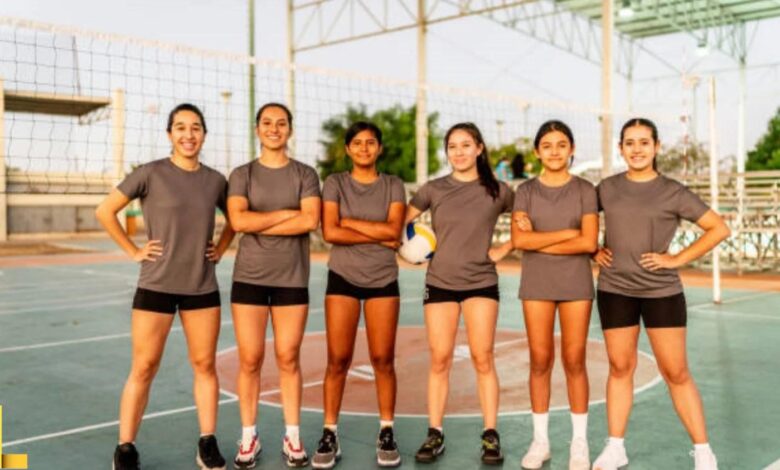
Recreational volleyball stands out as a wonderfully accessible and enjoyable activity, perfect for anyone looking to combine physical activity with social interaction in a relaxed setting. Far removed from the intense demands of competitive leagues, this casual approach to the sport emphasizes participation, camaraderie, and pure fun for players of all backgrounds.
This comprehensive guide explores everything from the fundamental rules and essential equipment for casual court play to effective strategies for connecting with groups and thriving in various recreational settings. It further delves into methods for elevating the fun through popular game variations and practical steps for organizing successful sessions, ensuring a rewarding experience for all involved.
The Essentials of Casual Court Play
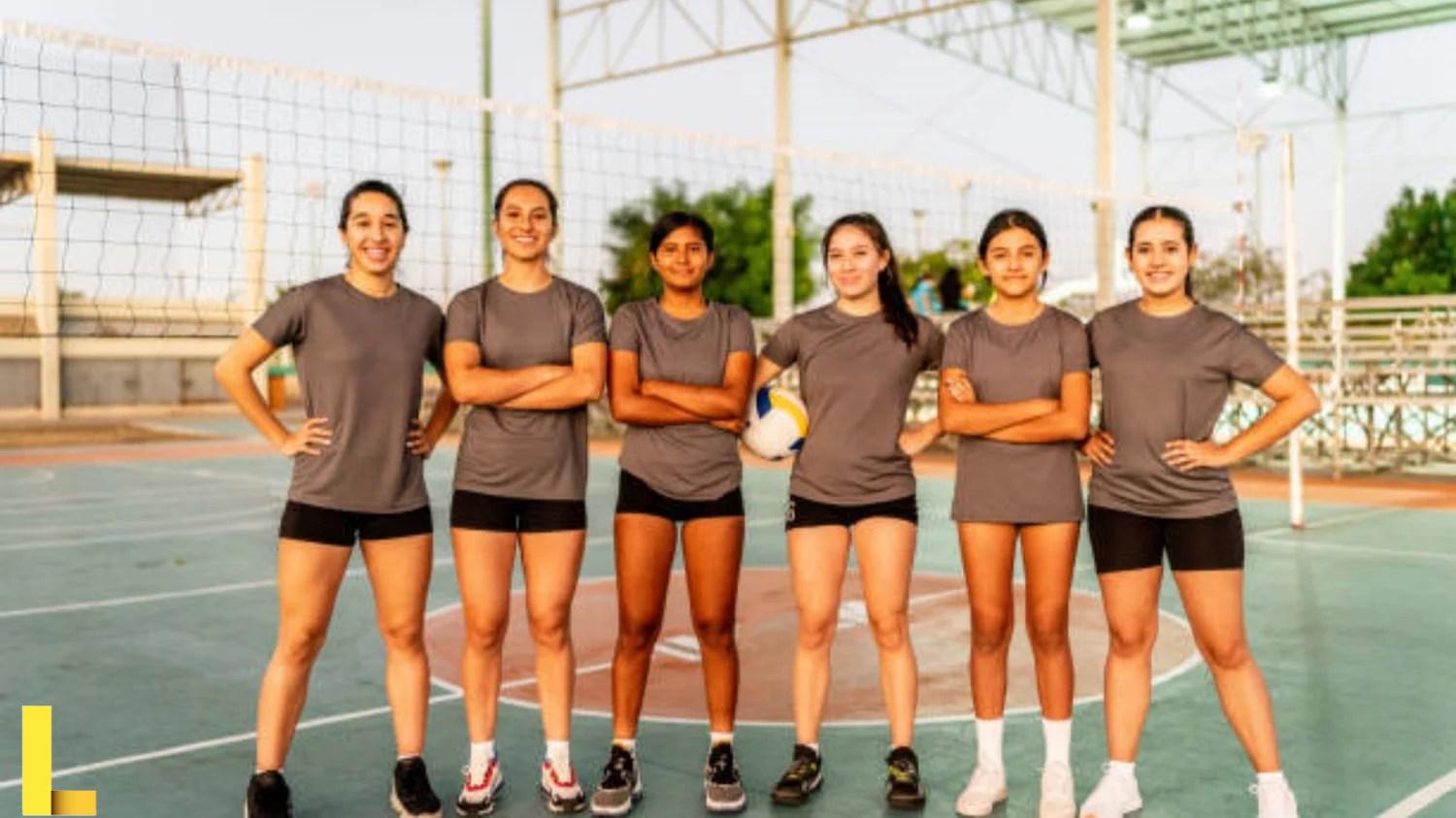
Casual court play offers a distinct and highly appealing alternative to the structured environment of competitive volleyball leagues. It provides a relaxed atmosphere where the primary focus shifts from winning at all costs to enjoyment, social interaction, and fundamental skill development. This less intense setting encourages participation from a wider range of players, from absolute beginners to seasoned enthusiasts looking for a low-pressure game.The appeal of casual court play lies in its flexibility and inclusive nature, making it a popular choice for many who wish to engage with the sport without the demands of rigorous training schedules or high-stakes matches.
It fosters a community feel where players can connect, share laughs, and simply enjoy the physical activity without the added pressure often associated with competitive environments.
Player Motivations for Casual Play
Individuals are drawn to casual volleyball for a variety of personal reasons, reflecting a desire for engagement that prioritizes enjoyment and social benefits over intense competition. These motivations often shape the dynamic and spirit of a casual game.
- Social Interaction: Many players seek a fun way to connect with friends, meet new people, or build community through shared activity. The game often serves as a backdrop for conversation and camaraderie.
- Light Exercise and Recreation: For those looking for physical activity without the intensity of a gym workout or competitive sport, casual volleyball offers an excellent opportunity to stay active, improve agility, and enjoy the outdoors or indoor courts.
- Skill Development Without Pressure: Beginners find casual play an ideal environment to learn the basics of serving, passing, and setting without fear of making mistakes. Experienced players can also refine specific techniques or try new strategies in a forgiving setting.
- Stress Relief and Fun: The sheer enjoyment of hitting a ball, making a good play, and sharing a laugh with teammates provides a significant outlet for stress relief and promotes overall well-being.
- Flexibility and Convenience: Casual games typically do not require long-term commitments, extensive travel, or specialized uniforms, making them easy to join spontaneously based on personal schedules.
Fundamental Rules of Casual Court Play
While casual volleyball embraces a relaxed approach, a basic understanding of the sport’s core rules is essential to ensure fair play and maintain the flow of the game. However, these rules are often adapted in casual settings to prioritize continuous play and enjoyment over strict adherence to regulations. The following table Artikels standard rules and their common casual adaptations.
| Rule Category | Description | Common Casual Adaptation |
|---|---|---|
| Scoring | Rally scoring is standard, meaning a point is awarded on every rally, regardless of which team served. Games typically go to 21 or 25 points, win by two. | Often, teams agree to play to a lower score (e.g., 15 points) or simply play for a set duration. Sometimes, “honor system” scoring is used, where players track points informally. |
| Rotations | Players rotate clockwise after winning the serve back from the opposing team, ensuring everyone plays all positions. | Rotations might be less strict or even ignored entirely. Players might simply switch positions with a teammate if they feel like it, or only rotate if a specific player wants to serve. |
| Ball Contacts | A team is allowed a maximum of three contacts (excluding a block) to return the ball over the net. Consecutive contacts by the same player are not allowed. | A “four-hit rule” might be leniently applied if the ball is clearly unplayable on the third hit, especially for beginners. Double hits on the first contact (e.g., a receive) are often overlooked. |
| Net Play | Players are not allowed to touch the net while the ball is in play. Crossing the centerline under the net into the opponent’s court is also a fault. | Incidental net touches, especially during a serve or an attempt to make a play, are frequently ignored unless they significantly interfere with the game. Minor centerline faults are also often overlooked. |
| Serving | The server must serve from behind the end line. The ball must clear the net without touching it on the serve. | Servers are often allowed to serve closer to the net, especially if they are beginners. “Let serves” (serves that touch the net but still go over) are almost always considered in play. Sometimes, a second serve attempt is granted if the first one is poor. |
“In casual volleyball, the spirit of the game often takes precedence over the letter of the law, fostering an environment where continuous play and collective enjoyment are paramount.”
Essential Equipment for a Casual Game
Engaging in a casual volleyball game requires minimal equipment, making it highly accessible. The primary components are a net, a ball, and a playable court surface. While a net and court are usually provided at public parks or recreational facilities, the volleyball itself is the most personal piece of equipment a player might bring.A standard recreational volleyball is designed for durability and a comfortable feel, suitable for players of all skill levels.
After an invigorating game of recreational volleyball, players often seek a comfortable spot to unwind. To enhance this post-game experience, consider adding convenient amenities like low picnic tables for rent , perfect for snacks and strategy discussions. These tables provide a relaxed setting, ensuring everyone stays refreshed and ready for the next round of friendly competition.
Typically, these balls are constructed from composite leather or a high-quality synthetic material, such as polyurethane or PVC, which offers a good balance of softness for passing and firmness for hitting. The official size for a volleyball has a circumference of 65-67 centimeters (approximately 25.5-26.5 inches) and weighs between 260-280 grams (9.2-9.9 ounces). Recreational balls often feature vibrant, multi-color patterns, commonly combining bright blue, yellow, and white, or sometimes red, white, and blue.
These color combinations enhance visibility against various backgrounds, making it easier for players to track the ball’s trajectory during play. The surface often has a dimpled or textured finish to improve grip and control.
Simple Techniques for Serving and Passing
Mastering basic serving and passing techniques is fundamental for enjoying casual volleyball, even for beginners. These skills are the foundation for keeping the ball in play and setting up offensive opportunities. Focusing on a few key steps can significantly improve a player’s contribution to the game.To serve effectively, especially as a beginner, the underhand serve is highly recommended due to its simplicity and consistency.
- Underhand Serve Technique:
- Stance: Stand facing the net, with your non-hitting shoulder pointing towards the net. Hold the ball in your non-hitting hand, waist-high, in front of your hitting arm. Your feet should be shoulder-width apart, with your non-hitting foot slightly forward.
- Arm Swing: Bring your hitting arm back in a straight line, like a pendulum.
- Ball Contact: As your hitting arm swings forward, drop the ball slightly and strike it with the flat, open palm of your hand or the heel of your hand. Aim for the center of the ball.
- Follow Through: Continue your arm swing towards the net, pointing at your target. This ensures power and accuracy.
For receiving the ball from an opponent or initiating an attack, the forearm pass (often called a “bump”) is the most common and reliable technique.
- Forearm Pass Technique:
- Ready Position: Stand with your feet shoulder-width apart, knees bent, and weight slightly forward on the balls of your feet. Your arms should be relaxed in front of you, ready to form a platform.
- Form the Platform: As the ball approaches, bring your arms together, clasping your hands or overlapping them. Lock your elbows and rotate your wrists downwards, creating a flat, rigid surface with your forearms.
- Move to the Ball: Shuffle your feet to get directly under the ball’s anticipated trajectory. The ball should ideally contact your forearms between your wrists and elbows.
- Absorb and Direct: Use your legs to push up and direct the ball, rather than swinging your arms. Your platform should angle towards your target (usually the setter or center of the court). Absorb some of the ball’s force by slightly extending your knees and hips as you make contact.
Connecting and Thriving in Recreational Settings
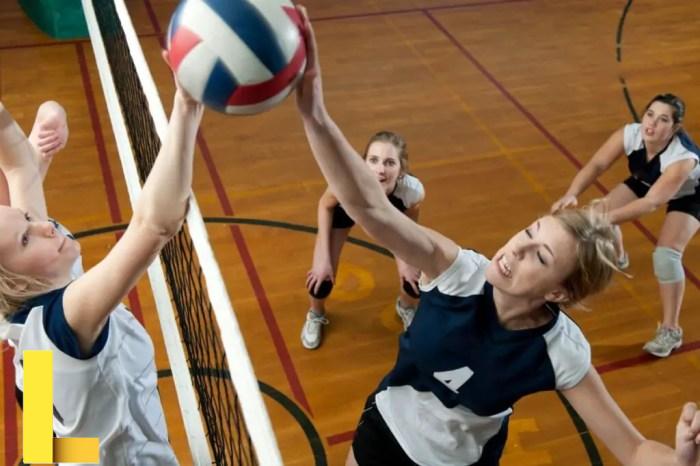
Engaging in recreational volleyball extends far beyond the physical act of playing; it serves as a powerful conduit for personal growth, community building, and overall well-being. These casual court settings offer a unique environment where individuals can not only hone their physical abilities but also cultivate mental resilience and forge meaningful social connections. Embracing these opportunities allows participants to experience a holistic approach to health and happiness.
Advantages of Casual Court Activities, Recreational volleyball
Participating in casual court activities, such as recreational volleyball, offers a myriad of benefits that extend beyond mere physical exertion, significantly enhancing both physical and mental well-being. These advantages contribute to a more balanced and fulfilling lifestyle, fostering a sense of accomplishment and belonging.
-
Physical Advantages:
- Cardiovascular Health: Regular engagement improves heart rate, stamina, and circulation, contributing to a stronger cardiovascular system.
- Muscle Strength and Coordination: Movements like jumping, spiking, digging, and quick directional changes build and tone various muscle groups while enhancing hand-eye coordination.
- Flexibility and Agility: The dynamic nature of the game requires constant movement, improving joint flexibility and overall body agility.
- Reduced Risk of Chronic Diseases: Consistent physical activity helps in managing weight, lowering blood pressure, and reducing the risk of conditions such as type 2 diabetes and heart disease. For instance, a weekly 60-minute game can significantly contribute to the recommended 150 minutes of moderate-intensity aerobic activity, similar to a brisk walk or cycling.
- Mental Advantages:
- Stress Reduction: The focus required during play provides a welcome distraction from daily stressors, and the release of endorphins naturally elevates mood.
- Improved Mood and Self-Esteem: Achieving a successful play, contributing to a team, or simply enjoying the activity can boost confidence and foster a positive self-image.
- Enhanced Cognitive Function: Quick decision-making, strategic thinking, and anticipating opponents’ moves sharpen cognitive abilities and reaction times.
- Social Connection and Belonging: Interacting with fellow players combats feelings of loneliness, builds friendships, and strengthens community ties, fostering a sense of shared experience. For example, the shared laughter over a missed serve or the collective cheer after a well-executed play can significantly enhance feelings of connection and belonging.
Methods for Discovering Casual Play Opportunities
Identifying avenues for casual play is the first step towards integrating these beneficial activities into one’s routine. Various platforms and community resources exist to connect individuals with suitable recreational groups and events, catering to different preferences and accessibility needs.
| Method Type | How to Use |
|---|---|
| Local Community Centers and Parks | Check bulletin boards, websites, or inquire directly about open gym times, drop-in sessions, or organized leagues. Many municipal facilities host regular, low-commitment volleyball nights. |
| Online Social Platforms and Apps | Utilize platforms like Meetup.com, Facebook groups dedicated to local sports, or specialized apps such as OpenSports. Search for “recreational volleyball [your city]” to find existing groups and events. |
| University and College Recreational Programs | Many institutions offer community access to their recreational facilities, including drop-in sports. Inquire about their non-student membership or public access schedules, which often include casual play opportunities. |
| Sports Leagues and Organizations | Look for local recreational sports leagues (e.g., city leagues, YMCA, JCC). Often, these offer different skill divisions, including beginner or casual options, and can help connect individuals to teams or open play sessions. |
| Word-of-Mouth and Local Businesses | Ask friends, colleagues, or inquire at local sports bars, coffee shops, or gyms. Sometimes, informal games are organized through personal networks, and local businesses might have flyers or community boards promoting such activities. |
Fostering a Positive Atmosphere in Casual Games
Beyond the rules of the game, a set of unwritten social etiquettes is crucial for cultivating a welcoming and enjoyable environment in casual recreational settings. Adhering to these principles ensures that all participants feel respected, included, and eager to return for future games.
- Prioritizing Inclusivity: Welcome all players regardless of their skill level, age, or background. Encourage participation from everyone and actively work to ensure no one feels marginalized or unwelcome.
- Respectful Communication: Maintain positive verbal interactions on the court. Offer encouragement to teammates and opponents alike, and avoid excessive criticism or negativity. A simple “good try” or “nice effort” can significantly boost morale.
- Fair Play and Sportsmanship: Uphold the spirit of the game by being honest about calls. Call your own fouls (e.g., net touches, lifts), be truthful about out-of-bounds balls, and always play with integrity, even if it means giving up a point.
- Rotation and Court Sharing: Ensure that everyone gets a fair turn to serve and play different positions. In crowded settings, be mindful of game limits or rotate players off the court periodically to allow others to join and participate.
- Managing Skill Disparities: When a significant skill gap exists within the group, more experienced players can adjust their intensity or focus on setting up less experienced players for successful plays, rather than dominating the game. This approach enhances enjoyment for all.
- Punctuality and Commitment: Arrive on time, especially if teams are being formed or a specific start time is established. If you commit to playing, try to stay for the duration or communicate early if you need to leave, ensuring the game flow is not disrupted.
- Handling Disputes Gracefully: Minor disagreements over calls are a natural part of competitive play. Resolve them quickly and amicably, perhaps by agreeing to re-do the point or simply moving on without lingering resentment. The emphasis should always be on enjoying the game together.
Illustration Scenario: The Joy of Inclusive Recreational Volleyball
This scenario describes an illustration that captures the essence of recreational volleyball, highlighting its inclusive and joyful nature. It portrays a moment where diverse individuals connect through shared activity, emphasizing community and accessibility over intense competition.The illustration depicts a vibrant, sun-drenched outdoor volleyball court, possibly in a community park or a well-maintained beachside setting, bustling with a diverse group of approximately eight to ten individuals engaged in a lively game.
In the foreground, a young woman with a bright, genuine smile, perhaps in her late twenties, is gracefully bumping the ball with perfect form, her eyes keenly focused on the trajectory. Adjacent to her, a slightly older gentleman, perhaps in his fifties with a relaxed posture and a chuckle on his face, is poised to set the ball, indicating a cooperative and fluid play.
On the opposing side of the net, a teenager with boundless energy is leaping for a gentle spike, while an older woman, perhaps in her sixties, stands ready to receive, her expression one of focused enjoyment rather than intense competition. The group includes individuals of various ethnicities, body types, and apparent skill levels, all dressed in comfortable, casual athletic wear, from shorts and t-shirts to light athletic pants.
Engaging in recreational volleyball offers a fantastic blend of exercise and social interaction. After an exhilarating match, one might seek comfort and a touch of elegance for post-game gatherings, perhaps finding inspiration in the whimsical charm of a for love and lemons picnic dress. This delightful contrast highlights how personal style can complement the active lifestyle fostered by recreational volleyball.
Some players are laughing freely, others are concentrating intently on the ball, but the overall atmosphere is one of shared joy, camaraderie, and mutual encouragement. The background features lush green trees or perhaps distant ocean waves, enhancing the serene yet active setting. The sun casts long, warm shadows, adding depth and a sense of timelessness to the scene, and a few spectators, perhaps family members or friends, are casually observing from the sidelines, reinforcing the community feel.
The central theme of the illustration is the effortless inclusion and the simple pleasure derived from playing together, transcending age, skill, and background, creating a true sense of belonging.
Elevating Your Fun and Organizing Sessions: Recreational Volleyball
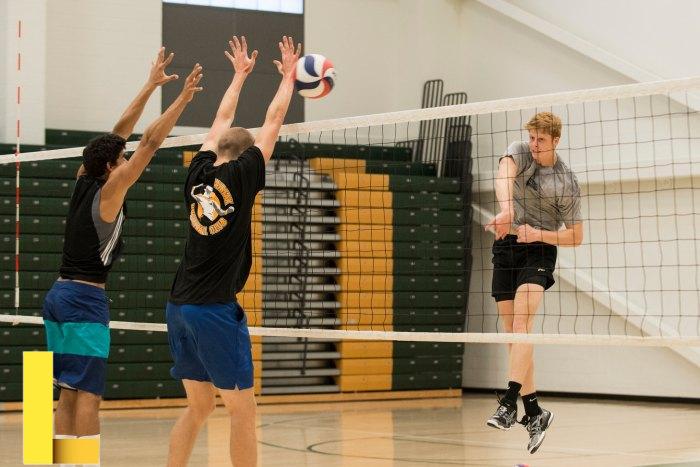
Recreational volleyball thrives on adaptability and a welcoming atmosphere, where the joy of play often takes precedence over strict adherence to professional rules. This section delves into practical strategies for enhancing the enjoyment of your sessions and Artikels a systematic approach to organizing them, ensuring a smooth and engaging experience for all participants. By exploring rule variations, establishing clear organizational steps, prioritizing safety, and incorporating simple skill-building drills, players can consistently elevate their casual court time.Beyond the fundamental aspects of casual play, fostering an environment that encourages both fun and incremental skill development is paramount.
Recreational volleyball provides a wonderful opportunity for exercise and social interaction. To easily discover where you can join the action, searching for recreational volleyball leagues near me is an excellent starting point. These local leagues foster a welcoming environment, ensuring that participating in recreational volleyball remains an enjoyable and engaging experience for everyone involved.
Thoughtful session organization and the integration of dynamic elements can significantly contribute to participant satisfaction and retention, transforming a simple game into a cherished community activity.
Popular Rule Variations for Enhanced Play
Introducing variations to standard volleyball rules can inject fresh excitement and adapt the game to different skill levels or group sizes, making play more inclusive and enjoyable for everyone involved. These modifications often simplify gameplay or introduce novel challenges, encouraging different strategic approaches.
- No Setter Rule: Players are encouraged to pass and hit the ball over the net without a dedicated setter. This variation promotes overall ball control and ensures that all players have opportunities to handle the ball in various capacities, reducing reliance on a single skilled player for offensive plays.
- Call Your Own Faults: Each player is responsible for acknowledging their own faults (e.g., net touches, lifts, double contacts). This fosters a strong sense of sportsmanship and honesty, building trust and camaraderie among participants, and reducing the need for a strict referee.
- Attack Line Only: Spiking or attacking the ball aggressively is only permitted from behind the 3-meter (10-foot) attack line. This rule is particularly beneficial for mixed-skill groups, as it reduces the power of front-row attacks, encourages more strategic play, and allows back-row players more time to react and defend.
- Three-Touch Rule Enforced: Teams are encouraged, or sometimes mandated, to use all three touches (pass, set, hit) before sending the ball over the net. This promotes teamwork, communication, and strategic ball movement, discouraging immediate returns and encouraging more developed rallies.
- Co-ed Rotation: For mixed-gender games, a specific rotation or court positioning might be enforced to ensure an equitable distribution of male and female players across the net and in serving order. This ensures balanced play and equal participation opportunities for all genders.
Steps for Organizing a Successful Casual Play Session
Effective organization is the cornerstone of any successful recreational gathering, ensuring that participants have a clear understanding of where, when, and how to join the fun. A structured approach to planning minimizes confusion and maximizes enjoyment, allowing everyone to focus on the game itself.
| Step Number | Action | Key Consideration | Tips for Success |
|---|---|---|---|
| 1 | Choose a Location and Time | Availability, accessibility, and cost of the court (e.g., public park, school gym, community center). Consider indoor vs. outdoor, lighting, and surface type. | Select a time that accommodates most potential players, such as evenings or weekends. Book courts in advance if required, especially for indoor venues, to secure prime slots. |
| 2 | Communicate Session Details | Clear, concise information about the date, time, location, and any specific rules or equipment needed. | Utilize group chat apps (e.g., WhatsApp, GroupMe), social media groups, or dedicated sports organizing platforms (e.g., Meetup). Send reminders closer to the session date. |
| 3 | Manage Attendance | Track RSVPs to ensure a suitable number of players for full teams without overcrowding or being short-handed. | Implement an RSVP system with a clear cut-off time. Consider a waiting list if capacity is limited and communicate openly about player limits. Aim for 10-14 players for 6v6 to allow for subs. |
| 4 | Gather Necessary Equipment | Ensure a net, volleyballs (at least two for continuous play), and any optional items like cones for drills or a basic first-aid kit are available. | Designate one or two individuals to be responsible for bringing and setting up equipment. Encourage players to bring extra balls if they have them. |
| 5 | Plan Session Flow | Artikel a general structure for the session, including warm-up, team formation, game play, and cool-down. | Start with a brief, collective warm-up. Use simple methods for team selection (e.g., counting off, captains picking). Be flexible with game duration and team swaps based on player energy and attendance. |
Safety Considerations and Injury Prevention
Prioritizing player safety is fundamental to ensuring a positive and sustainable recreational volleyball experience. Simple precautions and awareness can significantly reduce the risk of common injuries, allowing everyone to enjoy the game without undue concern.
- Dynamic Warm-up and Cool-down: Always begin with a 10-15 minute dynamic warm-up (e.g., light jogging, arm circles, leg swings) to prepare muscles and joints. Conclude with a 5-10 minute cool-down and static stretches to improve flexibility and aid recovery.
- Appropriate Footwear: Wear athletic shoes that provide good ankle support and traction, suitable for court surfaces. Running shoes are generally not ideal for the lateral movements required in volleyball.
- Hydration: Drink plenty of water before, during, and after play, especially in warm conditions. Dehydration can lead to fatigue, cramps, and decreased performance.
- Court Awareness: Be mindful of your surroundings. Check the playing area for hazards like uneven surfaces, obstacles, or debris before starting. Be aware of other players to avoid collisions, especially when going for a ball.
- Effective Communication: Call out “Mine!” or “Got it!” when going for a ball to prevent collisions and ensure clear communication with teammates.
- Listen to Your Body: Do not push through pain. If you feel discomfort or fatigue, take a break. Overexertion is a common cause of injury in recreational sports.
- Basic First Aid: Have a readily accessible basic first-aid kit containing essentials like bandages, antiseptic wipes, and ice packs for minor scrapes or sprains.
- Sun Protection: For outdoor play, use sunscreen, wear a hat, and consider sunglasses to protect against UV radiation.
Simple Drills for Skill Development
Even in a casual setting, incorporating simple, fun drills can help players naturally improve their fundamental skills without the need for formal coaching or intense training. These drills focus on repetition and muscle memory, enhancing confidence and overall game performance.
- Partner Passing: This drill focuses on consistent forearm passing. Two players stand 10-15 feet apart and repeatedly pass the ball back and forth using only their forearms, aiming for accuracy and control. They can gradually increase the distance or speed.
- Self-Setting: Players toss the ball to themselves, then set it upwards with soft hands, trying to keep the ball directly above their head. The goal is to develop consistent hand placement and touch for accurate sets. They can try to set it 5-10 times in a row without the ball drifting too far.
- Wall Taps: Stand 3-5 feet from a wall and gently tap the ball against it repeatedly with alternating hands, focusing on keeping the ball in control and close to the wall. This improves hand-eye coordination and quick reflexes, crucial for quick adjustments during play.
- Serve Practice: Players stand at the serving line and practice underhand or overhand serves towards a target area on the opposite side of the court. The emphasis is on consistent contact and sending the ball over the net with control, rather than power.
An illustration for the “Partner Passing” drill might depict two individuals on a grassy outdoor court, perhaps a local park. One player, positioned slightly forward, is in the middle of executing a forearm pass, their arms extended and locked together, knees slightly bent, eyes focused on the ball as it leaves their forearms in a smooth upward trajectory. The ball is shown just a few feet in front of them, heading towards their partner.
The second player, standing about 15 feet away, is in a ready stance, knees slightly bent, hands ready to form a platform, anticipating the ball’s arrival. Both players are smiling, engaged in the relaxed practice, with a net visible in the background suggesting a volleyball court, but the focus is clearly on their individual interaction with the ball. The setting is bright and casual, emphasizing the fun and informal nature of skill development.
Final Wrap-Up
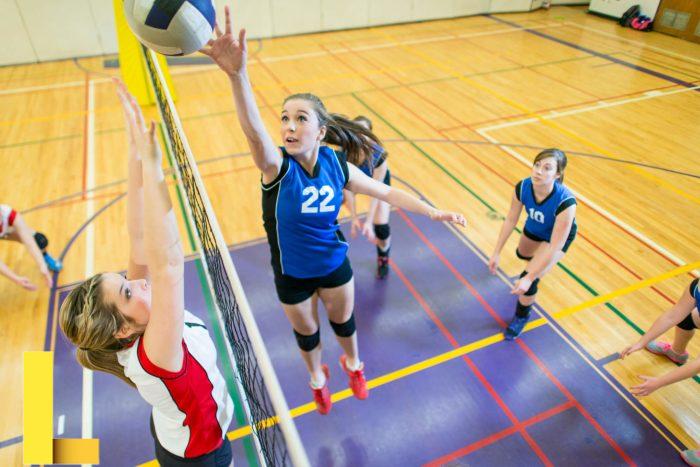
Ultimately, recreational volleyball provides a fantastic avenue for physical well-being, mental relaxation, and genuine social connection. By understanding the basics, embracing positive etiquette, and exploring various play opportunities, participants can consistently enjoy the inclusive and spirited nature of the game. It truly is a versatile sport that continues to bring joy and activity to countless individuals, proving that a good game is always within reach.
Helpful Answers
Do I need to be a skilled player to join recreational volleyball?
Not at all! Recreational volleyball is designed for all skill levels, focusing on fun and participation rather than competitive mastery. Many groups warmly welcome beginners.
What’s the ideal number of players for a casual game?
While official games are 6v6, casual play is very flexible. Anywhere from 2v2 to 4v4 or even 6v6 works well, depending on court space and player availability.
Are there specific shoes recommended for recreational volleyball?
Comfortable athletic shoes with good grip are generally recommended. Court shoes are ideal, but any supportive sports shoe will suffice for casual play, prioritizing comfort and stability.
Can recreational volleyball be played both indoors and outdoors?
Absolutely. Recreational volleyball thrives in both environments, whether on indoor gym courts or outdoor grass/sand courts. Each setting offers a slightly different experience and charm.

