

Cypress picnic table invites you to discover an exceptional blend of natural beauty and robust functionality, offering a compelling solution for any outdoor gathering space. This remarkable piece of furniture transcends mere utility, embodying a legacy of durability and aesthetic appeal that transforms ordinary moments into cherished memories.
Crafted from a wood renowned for its inherent resistance to the elements, cypress wood naturally stands apart. Its distinctive grain, subtle color variations, and aromatic qualities contribute to its unique charm, while its remarkable resistance to rot, decay, and insect infestation ensures longevity. This makes it a superior choice when compared to other outdoor woods, providing a sustainable and visually transforming addition to your garden or patio, adapting gracefully as it weathers over time.
Understanding Cypress Wood for Outdoor Furniture
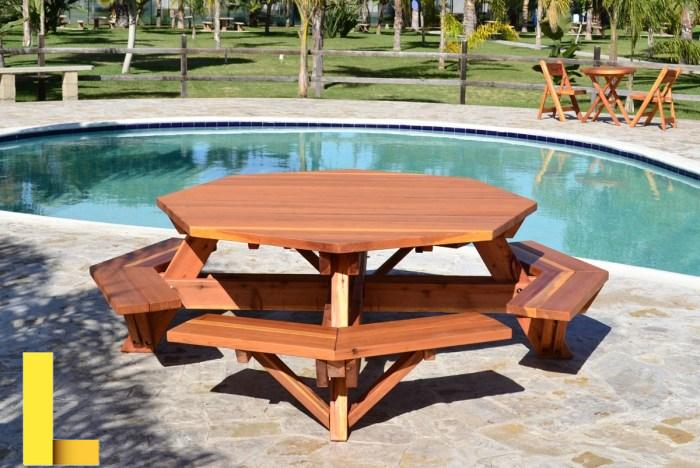
Cypress wood stands as a distinguished choice for outdoor furniture, revered for its intrinsic qualities that marry aesthetic appeal with robust performance. Its natural resilience and unique characteristics make it an ideal material for pieces like picnic tables, offering both enduring beauty and exceptional longevity in diverse environmental conditions. This exploration delves into the core attributes that position cypress as a superior option for outdoor living spaces.
Natural Characteristics of Cypress Wood
Cypress wood possesses a distinctive set of natural characteristics that contribute to its appeal and functionality. The grain patterns are typically straight and fine, offering a clean, understated aesthetic that complements various design styles. This fine grain also contributes to its smooth finish when milled and sanded.The inherent color variations in cypress are quite beautiful, ranging from a pale, light honey or yellowish-brown in its sapwood to a richer, reddish-brown in the heartwood.
These variations create a warm and inviting appearance that deepens slightly with age before weathering. Furthermore, cypress is known for its aromatic qualities; it emits a subtle, pleasant, and slightly spicy scent, particularly when freshly cut or worked. This aroma is attributed to the natural oils and resins within the wood, which also play a crucial role in its protective properties.
Exceptional Natural Resistance of Cypress
One of the most compelling attributes of cypress wood for outdoor applications is its exceptional natural resistance to rot, decay, and insect infestation. This inherent durability is not merely a characteristic but a result of specific chemical compounds naturally present within the wood’s structure.The primary compound responsible for these protective properties is cypressene, a natural oil and resin found predominantly in the heartwood of the cypress tree.
Cypressene acts as a natural preservative, making the wood highly resistant to moisture absorption and microbial growth, which are the main culprits behind rot and decay. Additionally, the presence of these natural extractives renders cypress wood unpalatable and toxic to common wood-boring insects, such as termites and carpenter bees, effectively deterring infestations without the need for chemical treatments. This natural defense mechanism allows cypress furniture to withstand harsh outdoor elements for decades with minimal intervention.
Cypressene, a potent natural oil, imbues cypress wood with unparalleled resistance to moisture, microbial decay, and insect attack, making it a self-preserving material for outdoor use.
Comparative Durability: Cypress, Cedar, and Redwood
When selecting wood for outdoor furniture, understanding the comparative durability of common species is crucial. Cypress, Western Red Cedar, and Redwood are all highly regarded for their outdoor performance, each possessing unique attributes that contribute to their longevity and maintenance profiles. The following table provides a detailed comparison to highlight their differences and similarities, aiding in informed material selection for projects like a picnic table.
| Wood Type | Primary Durability Factor | Maintenance Requirements | Expected Lifespan |
|---|---|---|---|
| Cypress | Cypressene (natural oil/resin) | Low; primarily cleaning, optional sealing for color retention. | 20-30+ years, often longer with proper care. |
| Western Red Cedar | Thujaplicins (natural fungicides) | Moderate; regular cleaning, sealing/staining recommended to prevent graying and extend life. | 15-25 years, depending on climate and exposure. |
| Redwood | Tannins (natural extractives) | Low; cleaning, optional sealing for color retention. | 20-30+ years, especially heartwood grades. |
Environmental Sustainability of Cypress Sourcing
The environmental sustainability of wood sourcing is an increasingly important consideration for consumers and manufacturers alike. For cypress, responsible forestry practices play a pivotal role in ensuring its continued availability and ecological health. The focus on sustainability encompasses both reforestation efforts and ethical harvesting practices, which collectively minimize environmental impact and promote long-term resource viability.Reforestation efforts for cypress are robust, particularly in the Southern United States where much of the commercial cypress is harvested.
Many timber companies and land managers actively engage in replanting initiatives, often exceeding the rate of harvesting. These efforts ensure that new growth replaces harvested trees, maintaining forest cover and biodiversity. Furthermore, a significant portion of cypress timber comes from managed forests that adhere to sustainable yield principles, ensuring that harvesting rates do not deplete the resource.Responsible harvesting practices are also central to cypress’s environmental sustainability.
This includes selective logging, which targets mature trees while leaving younger trees to grow, thus preserving the forest ecosystem. Avoiding old-growth cypress, which is often found in sensitive wetland areas, is another key aspect of ethical sourcing. Certifications from organizations like the Forest Stewardship Council (FSC) or the Sustainable Forestry Initiative (SFI) provide assurances that the cypress wood has been harvested in an environmentally sound, socially beneficial, and economically viable manner, promoting biodiversity and protecting water quality.
Visual Transformation of Weathered Cypress Wood
Raw cypress wood, when first introduced to the outdoor environment, typically exhibits its warm, natural hues ranging from pale yellow to a reddish-brown. However, its true character emerges as it weathers over time, undergoing a beautiful visual transformation that many find highly desirable for outdoor furniture. This natural aging process is a testament to its resilience and adds to its rustic charm.As raw cypress wood is exposed to the sun’s UV rays, rain, and fluctuating temperatures, its initial vibrant color gradually fades.
Over a period of several months to a couple of years, depending on the intensity of exposure, the wood develops a soft, elegant silvery-gray patina. This color change is a natural oxidation process, where the surface fibers of the wood react with the elements. Concurrently, the texture of the wood may become slightly more pronounced, with the grain becoming more defined, giving it a subtle, weathered roughness without compromising its structural integrity.
The surface appearance transitions from a smooth, milled finish to one that reflects its journey through the elements, creating a unique character for each piece. For example, a newly installed cypress picnic table, initially displaying its characteristic honey-brown tones, will progressively transform. After a year or two in an open garden setting, its surface will evolve into a beautiful, uniform silvery-gray, a natural protective layer that not only enhances its aesthetic but also signifies its enduring resistance to the outdoor environment.
Design and Functionality of Cypress Picnic Tables
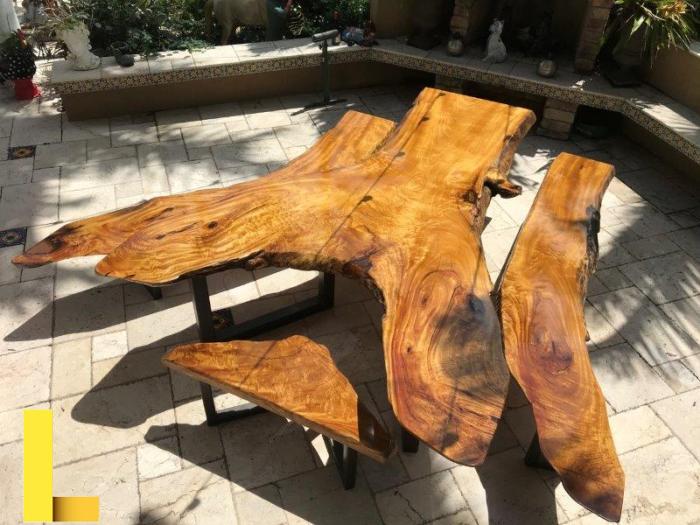
Cypress wood, renowned for its natural durability and aesthetic appeal, lends itself exceptionally well to the creation of outdoor furniture, particularly picnic tables. The thoughtful design and robust functionality of these tables are paramount, ensuring they not only withstand the elements but also provide comfortable and practical spaces for gatherings. This section delves into the various configurations, dimensions, and innovative features that define modern cypress picnic tables, culminating in a detailed look at their assembly and overall utility.Understanding the nuances of each design configuration allows consumers to select a picnic table that perfectly complements their outdoor living area and specific needs.
A beautifully crafted cypress picnic table provides an excellent focal point for any outdoor gathering. When envisioning the perfect ambiance, one might consider the ideal attire, perhaps a charming zimmermann picnic dress , which perfectly complements the natural setting. Ultimately, a durable cypress picnic table truly enhances the relaxed elegance of your al fresco dining experiences.
From classic styles to more contemporary interpretations, cypress picnic tables offer a blend of enduring strength and visual charm.
Popular Design Configurations for Cypress Picnic Tables
Cypress picnic tables come in several popular design configurations, each offering distinct features and aesthetic appeals that cater to different preferences and spatial requirements. These designs are engineered to maximize stability and comfort while showcasing the natural beauty of the cypress wood.
-
A-Frame Style: This classic design features two benches directly attached to the tabletop, with the support structure forming an ‘A’ shape at each end.
- Distinct Features: Known for its inherent stability and robust construction, the A-frame design minimizes the number of individual pieces, leading to a very sturdy unit. The benches are typically fixed, providing a consistent seating arrangement.
- Aesthetic Appeal: Offers a traditional, timeless look that blends seamlessly into various outdoor settings, from rustic gardens to modern patios. Its symmetrical form creates a sense of balance and strength.
- Traditional Rectangular Style (Separate Benches): This configuration features a rectangular tabletop supported by legs, with two separate, freestanding benches.
- Distinct Features: The separation of benches from the table allows for greater flexibility in seating arrangements and easier access for cleaning around the table. It also provides more legroom for users.
- Aesthetic Appeal: Provides a more versatile and open feel compared to the fixed A-frame. This style can appear lighter and more adaptable, suitable for dynamic outdoor spaces where furniture might be rearranged.
- Round Style: Featuring a circular tabletop, often with attached or separate curved benches.
- Distinct Features: The round shape promotes more intimate conversations as everyone faces each other. It eliminates sharp corners, making it a safer option, especially in areas with children. Seating can be more fluid, accommodating an extra person if needed.
- Aesthetic Appeal: Offers a softer, more inviting aesthetic that can act as a focal point in a garden or patio. Its unique shape breaks the monotony of linear furniture, adding a touch of elegance.
Common Dimensions and Seating Capacities for Cypress Picnic Table Models
Selecting the appropriate size for a cypress picnic table is crucial for optimizing its functionality within a given outdoor space and accommodating the intended number of users comfortably. Standard dimensions cater to a range of group sizes, from intimate family meals to larger social gatherings.The following table Artikels common dimensions and seating capacities, offering guidance for optimal sizing considerations:
| Table Style/Size | Approximate Length (inches) | Approximate Width (inches) | Approximate Height (inches) | Seating Capacity | Optimal Sizing Considerations |
|---|---|---|---|---|---|
| Small Rectangular/A-Frame | 48 – 60 | 28 – 30 | 29 – 30 | 4 – 6 people | Ideal for smaller patios, balconies, or cozy family meals. Perfect for limited outdoor spaces where maximizing seating without overwhelming the area is key. |
| Standard Rectangular/A-Frame | 72 – 84 | 30 – 36 | 29 – 30 | 6 – 8 people | A versatile choice for most average-sized backyards and family gatherings. Accommodates typical BBQ parties and provides ample space for food and conversation. |
| Large Rectangular/A-Frame | 96 – 120 | 36 – 40 | 29 – 30 | 8 – 12 people | Suited for larger outdoor spaces, commercial settings, or homes that frequently host big groups. Provides generous elbow room and can serve as a central gathering point. |
| Round (4-6 seater) | 48 – 60 (diameter) | N/A | 29 – 30 | 4 – 6 people | Excellent for creating an intimate dining experience in a smaller, square, or circular patio area. Promotes easy conversation among all seated. |
| Round (6-8 seater) | 60 – 72 (diameter) | N/A | 29 – 30 | 6 – 8 people | Suitable for larger circular spaces or as a central feature in a more expansive garden, offering a communal feel for larger family gatherings. |
“When selecting a picnic table, ensure there is at least 3 feet of clear space around all sides of the table for comfortable movement and seating access.”
Innovative Functional Enhancements for Picnic Tables
Modern cypress picnic tables often incorporate innovative functional enhancements that significantly improve the user experience, moving beyond mere basic utility. These features are designed to add convenience, versatility, and comfort, making the outdoor dining experience more enjoyable and practical.
-
Integrated Umbrella Holes: A pre-drilled hole in the center of the tabletop, often with a protective sleeve or cap, allows for the easy insertion of a patio umbrella.
- User Experience Improvement: Provides instant shade and protection from sun or light rain, enhancing comfort during various weather conditions. This eliminates the need for a separate, bulky umbrella stand, freeing up valuable ground space and ensuring stability of the umbrella.
- Built-in Storage Compartments: These can be integrated beneath the benches or within the tabletop structure, often with hinged lids for access.
- User Experience Improvement: Offers convenient storage for outdoor essentials such as cushions, placemats, games, or even beverages. This reduces clutter on the table surface and keeps items protected from the elements, making outdoor entertaining more organized and efficient.
- Convertible Bench Designs: Some designs allow benches to be folded up or adjusted to create backrests, transforming a standard picnic table into a bench-and-table combination or even a single large bench.
- User Experience Improvement: Provides exceptional versatility for multi-purpose outdoor spaces. A table can quickly convert into a comfortable seating area for lounging, or benches can be used independently.
This adaptability maximizes the utility of the furniture for different activities, from dining to relaxing.
- User Experience Improvement: Provides exceptional versatility for multi-purpose outdoor spaces. A table can quickly convert into a comfortable seating area for lounging, or benches can be used independently.
Comprehensive Description of a Robust Cypress Picnic Table
Imagine a truly robust cypress picnic table, a testament to enduring craftsmanship and natural beauty, perfectly suited for any outdoor setting. This particular illustration depicts a classic A-frame design, meticulously constructed from thick, solid cypress planks, showcasing the wood’s distinctive grain patterns and warm, honey-toned hues. The tabletop, a generous 84 inches long and 36 inches wide, is composed of several wide planks seamlessly joined, providing ample space for a family feast or a lively game night.
Its surface has been expertly sanded to a smooth, splinter-free finish, inviting touch and ensuring comfort, while a subtle, natural oil sealant enhances its inherent weather resistance without masking the wood’s organic texture.The supporting A-frame structures at each end are built with equally substantial cypress timbers, secured with heavy-duty, corrosion-resistant hardware, visible as understated, dark metal accents that contrast beautifully with the light wood.
These sturdy supports extend down to broad base feet, ensuring exceptional stability even on uneven ground, making it resilient against strong winds or enthusiastic gatherings. The attached benches, ergonomically designed for comfort, are positioned at an optimal height and depth, allowing for relaxed seating for up to eight adults. Their edges are gently rounded, further contributing to user comfort and safety.
A classic cypress picnic table provides a wonderfully inviting spot for al fresco meals. Should you prefer a fully organized affair, you might consider how convenient it is to book a picnic near me , ensuring a delightful experience. Regardless, the enduring quality of a cypress table truly enhances any outdoor setting.
An integrated umbrella hole, discreetly placed at the center of the tabletop, comes equipped with a removable cypress plug, ready to accommodate a patio umbrella for sunny days. This cypress picnic table stands as a functional centerpiece, embodying durability, thoughtful design, and an inviting readiness for countless outdoor memories.
Step-by-Step Procedure for the Assembly of a Flat-Pack Cypress Picnic Table Kit
Assembling a flat-pack cypress picnic table kit can be a straightforward process when approached systematically, ensuring all components are correctly fitted and secured for maximum stability and longevity. Proper preparation, including gathering the necessary tools and understanding safety precautions, is key to a successful build.Before commencing assembly, ensure you have the following tools readily available:
- Adjustable wrench or socket set (to match bolt sizes)
- Hex key set (Allen wrenches, often included with the kit)
- Rubber mallet (for gently tapping components into place)
- Tape measure
- Pencil
- Safety glasses
- Work gloves
It is important to observe safety precautions throughout the assembly process to prevent injury:
- Always wear safety glasses to protect your eyes from wood splinters or debris.
- Wear work gloves to prevent splinters and provide a better grip.
- Ensure your work area is clear of obstructions and well-lit.
- Lift heavy components with assistance if needed to avoid strain.
- Follow the manufacturer’s instructions precisely, as variations may exist between kits.
Here is a clear, step-by-step procedure for assembling a typical flat-pack cypress picnic table kit:
- Unpack and Inventory Components: Carefully unpack all parts from the box. Lay them out on a clean, flat surface, preferably on a protective sheet or cardboard, to prevent scratching. Compare all pieces against the parts list provided in the instruction manual to ensure everything is present and undamaged.
- Attach Leg Assemblies to Tabletop (Initial Fastening): Begin by identifying the main tabletop planks and the leg support beams. Position the tabletop upside down on your work surface. Align the leg support beams with the pre-drilled holes on the underside of the tabletop. Insert the long bolts through the designated holes, typically using washers and nuts. Hand-tighten these fasteners initially to allow for minor adjustments.
Cypress picnic tables are a superb choice for their natural beauty and impressive resistance to outdoor elements. However, for those prioritizing ultimate longevity with zero maintenance, exploring options like an hdpe picnic table could be beneficial. Yet, the distinct character and sustainable sourcing of cypress often remain highly appealing for a classic patio setup.
- Assemble Bench Supports: Identify the bench seat planks and their corresponding support beams. Attach the bench support beams to the underside of the bench planks, again using the provided bolts, washers, and nuts. Ensure the supports are evenly spaced and flush with the ends of the planks. Hand-tighten these connections.
- Connect Leg Assemblies to Bench Supports: Once the tabletop and bench sub-assemblies are ready, attach the main leg assemblies to the bench supports. This usually involves bolting the A-frame or individual leg pieces to the ends of the bench supports. Ensure all connections are square and aligned before proceeding.
- Insert Cross Braces (if applicable): Many designs include diagonal cross braces for added stability. Attach these braces between the leg assemblies, following the pre-drilled holes. These often use shorter bolts or screws. This step is crucial for preventing wobble.
- Final Tightening of All Fasteners: Once all components are in place and the table is upright, systematically go back and fully tighten all bolts and nuts using your wrench or socket set and hex keys.
“Crucial fastening technique: Always tighten bolts gradually and evenly across the entire structure. Overtightening one bolt before others can cause stress on the wood or misalignment. Aim for a snug fit that prevents movement without crushing the wood.”
Periodically check for any remaining looseness.
- Inspect and Test Stability: After all fasteners are tightened, gently rock the table to check for any wobble. If any movement is detected, re-examine the connections and tighten as necessary. Ensure the table sits level on a flat surface.
Concluding Remarks
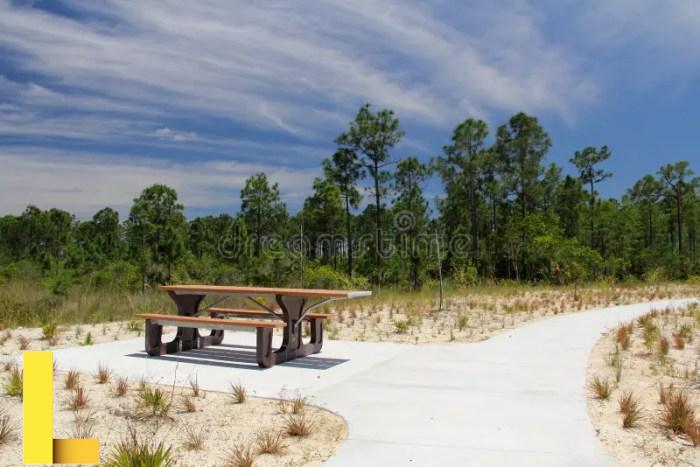
Ultimately, the cypress picnic table stands as a testament to enduring quality and thoughtful design. From its initial sturdy construction and elegant form to the nuanced care that ensures its sustained beauty, every aspect underscores a commitment to outdoor living. Embracing its natural resilience or enhancing it with protective finishes, this versatile piece promises countless seasons of enjoyment, making it an invaluable centerpiece for shared moments and lasting memories in any outdoor setting.
User Queries: Cypress Picnic Table
What is the typical price range for a cypress picnic table?
The price for a cypress picnic table can vary significantly based on its size, design complexity, and the manufacturer. Generally, you might expect to pay anywhere from $300 for a basic model to over $1,000 for larger, more intricately designed tables with enhanced features.
Are cypress picnic tables generally heavy or easy to move?
Cypress wood is moderately dense, making cypress picnic tables quite sturdy and stable, yet generally lighter than those made from dense hardwoods like oak. While not feather-light, they are typically manageable for two people to relocate when needed, especially if they are designed for flat-pack assembly.
Can I paint my cypress picnic table, or is staining better?
While cypress can certainly be painted, many prefer staining or clear sealing. Staining allows the wood’s beautiful natural grain to show through while offering protection, whereas paint provides a solid color finish. The choice depends on your desired aesthetic and the level of maintenance you’re willing to undertake.
Is the cypress wood naturally safe for direct food contact?
Yes, cypress wood is generally considered safe for incidental food contact. It’s a natural, non-toxic wood. However, for direct food preparation or serving, it’s always recommended to use cutting boards or placemats to protect both the table and ensure optimal hygiene.

