

Composite wood picnic table represents a revolutionary approach to outdoor dining, blending innovative material science with timeless design for an unparalleled experience. This modern furniture solution redefines expectations for durability and aesthetics in any outdoor setting, from bustling public parks to serene backyard patios, offering a smart upgrade from traditional options.
This advanced material is typically crafted from a sophisticated blend of recycled plastics and reclaimed wood fibers, engineered to create a product that surpasses the performance of conventional timber. Its unique composition provides exceptional resistance to the elements, including moisture, UV radiation, and insect damage, ensuring longevity and consistent appearance. Available in a variety of textures, grain patterns, and appealing color variations, composite wood planks effectively mimic the natural beauty of wood while offering enhanced structural integrity and minimal maintenance requirements.
Understanding Composite Wood for Outdoor Furniture
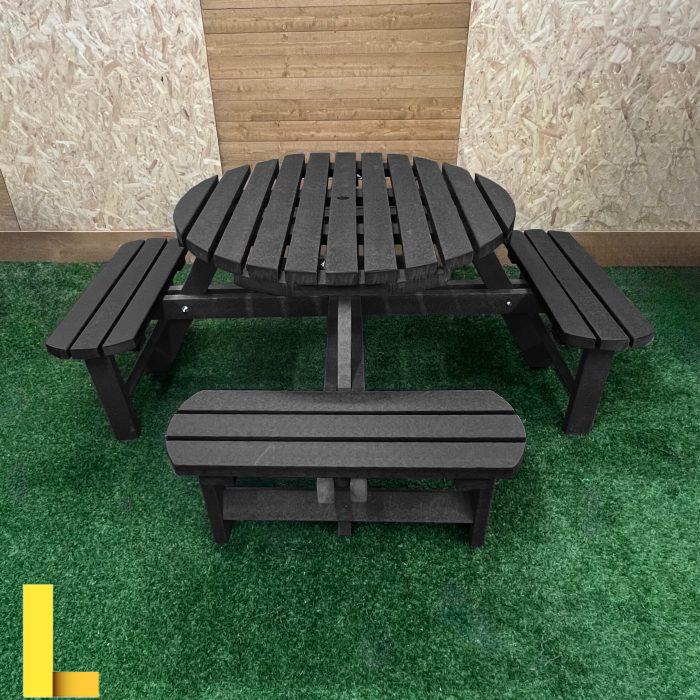
Composite wood has emerged as a highly practical and sustainable material for outdoor furniture, particularly for items like picnic tables that endure varying weather conditions. This innovative material offers a compelling alternative to traditional timber, blending the aesthetic appeal of wood with enhanced durability and reduced maintenance requirements. Its increasing popularity stems from its engineered properties, which are specifically designed to withstand the rigors of outdoor environments.At its core, composite wood, often referred to as Wood-Plastic Composite (WPC), is a sophisticated blend of recycled plastics and wood fibers.
The plastic component typically includes high-density polyethylene (HDPE), polypropylene (PP), or polyvinyl chloride (PVC), chosen for their resilience and weather resistance. These plastics are combined with fine wood particles, such as sawdust, wood flour, or even agricultural fibers like rice hulls, which are often by-products of other industries. This careful amalgamation creates a material that leverages the strengths of both constituents: the structural integrity and natural feel of wood, combined with the moisture resistance and longevity of plastic.
Key Advantages of Composite Wood for Picnic Tables
When considering materials for outdoor furniture, especially picnic tables that face constant exposure to the elements and frequent use, composite wood presents a significant upgrade over traditional lumber. The engineered nature of composite materials addresses many of the common drawbacks associated with natural wood, offering a suite of benefits that contribute to a longer lifespan and reduced upkeep.
- Superior Weather Resistance: Unlike natural wood, composite wood does not absorb moisture, making it highly resistant to rot, mold, and mildew. This prevents warping, cracking, and splintering often seen in wooden tables exposed to rain, humidity, and temperature fluctuations.
- Low Maintenance: Composite picnic tables eliminate the need for regular staining, sealing, or painting. A simple cleaning with soap and water is typically sufficient to maintain their appearance, saving significant time and effort over the years.
- Pest and Insect Resistance: The plastic content in composite wood makes it impervious to common wood pests such as termites and carpenter ants, which can cause extensive damage to traditional wooden furniture.
- Enhanced Durability and Longevity: Designed for resilience, composite materials are less prone to scratching, fading, and structural degradation. This results in a picnic table that retains its aesthetic and functional integrity for many years longer than conventional wood.
- Splinter-Free Surface: The uniform composition of composite planks ensures a smooth, splinter-free surface, making it safer and more comfortable for users, especially in high-traffic areas like picnic tables.
- Eco-Friendly Composition: Utilizing recycled plastics and wood waste diverts materials from landfills, making composite wood a more environmentally responsible choice. This closed-loop approach reduces demand for virgin timber.
- Consistent Appearance: Manufacturing processes allow for uniform color and texture throughout the material, ensuring that each plank maintains a consistent look without the natural variations or imperfections found in wood.
Manufacturing Process of Composite Lumber
The production of composite lumber is a sophisticated industrial process that transforms raw materials into durable, weather-resistant planks. This multi-step manufacturing ensures the consistent quality and performance that defines composite wood products, starting from the careful selection and preparation of components through to the final shaping and finishing.The process begins with the meticulous preparation of raw materials. Recycled plastics, such as HDPE pellets, are sorted, cleaned, and ground into fine particles.
Simultaneously, wood fibers, often in the form of sawdust or wood flour, are dried to precise moisture content levels to prevent issues during processing. These prepared materials are then fed into large industrial mixers, where they are thoroughly blended along with various additives. These additives include UV stabilizers to prevent fading, pigments for color, coupling agents to ensure strong bonding between the wood and plastic, and anti-fungal agents for enhanced resistance.
Once uniformly mixed, this composite material, now a homogeneous blend, is introduced into an extruder. Inside the extruder, the mixture is heated to a molten state and then forced through a die, which shapes the material into the desired profile, such as a plank for a picnic table. As the molten plank exits the die, it enters a cooling stage, often involving water baths or air cooling, which solidifies the material and helps it retain its shape.
Finally, the cooled planks are cut to specific lengths and may undergo further finishing processes, such as embossing to create a wood-grain texture or brushing to achieve a specific surface feel, before being stacked and packaged for distribution.
Typical Appearance of a Composite Wood Plank
A composite wood plank is engineered to offer an aesthetic that often mimics natural timber while providing superior consistency and a range of contemporary finishes. Its visual characteristics are a direct result of its manufacturing process, allowing for predictable beauty and functionality.Typically, a composite wood plank presents a uniform color throughout its profile, ranging from earthy browns and grays to more contemporary shades like charcoal or even lighter tones.
This consistency means there are no natural knots, significant color variations, or sapwood/heartwood distinctions found in real wood. The surface often features an embossed texture, meticulously designed to replicate the subtle, uneven patterns of wood grain, providing a tactile experience similar to that of natural timber. Some planks may also have a brushed finish, which gives them a slightly less glossy, more matte appearance, enhancing their resemblance to weathered wood.
The edges are usually clean and precisely cut, reflecting the engineered nature of the material. When viewed up close, one might observe tiny flecks of wood fiber embedded within the plastic matrix, subtly hinting at its composite nature. This combination of consistent color, engineered texture, and clean lines makes composite planks a versatile choice for outdoor furniture, offering a polished yet natural-looking finish that withstands the elements without the typical maintenance demands of solid wood.
Practical Applications and Sustainability of Composite Wood Tables: Composite Wood Picnic Table
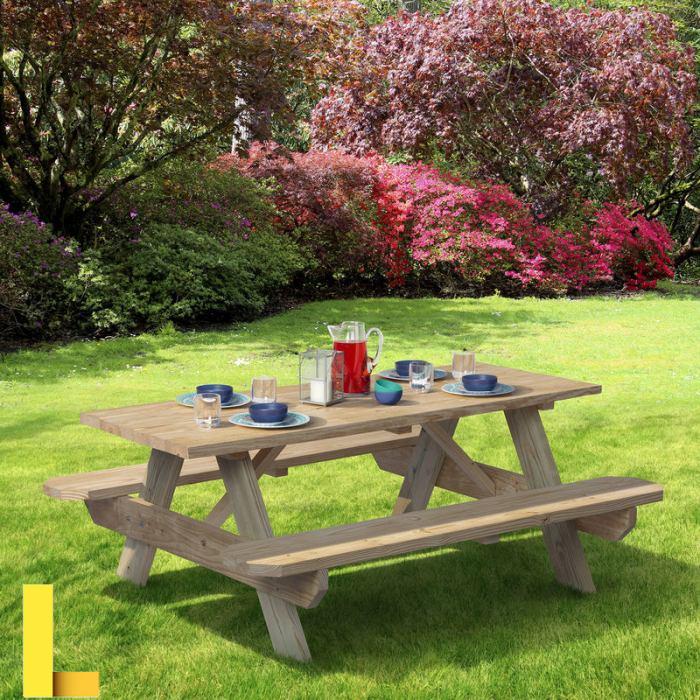
Composite wood picnic tables represent a versatile and robust solution for outdoor seating, extending their utility far beyond simple backyard gatherings. Their engineered properties make them exceptionally well-suited for a wide array of environments, from private residences to high-traffic public areas and demanding commercial settings.
Beyond their practical durability and aesthetic appeal, these tables offer significant environmental advantages. By incorporating recycled materials and reducing reliance on virgin timber, composite wood contributes positively to resource conservation and waste reduction efforts, aligning with contemporary sustainability goals for outdoor furniture.
Diverse Applications and Optimal Environments, Composite wood picnic table
Composite wood picnic tables excel in various settings due to their inherent durability, low maintenance requirements, and resistance to environmental stressors. Their design flexibility also allows them to blend seamlessly into diverse aesthetic themes, making them a preferred choice for long-term outdoor use.
-
Residential Backyards: For homeowners, composite wood tables offer a worry-free option for family meals, barbecues, and casual outdoor entertaining. Unlike traditional wood, they resist splintering, fading, and insect damage, ensuring a safe and attractive gathering spot for years without the need for regular staining or sealing. This makes them ideal for busy families seeking a low-maintenance, long-lasting investment.
-
Public Parks and Recreational Areas: In high-traffic public spaces, the resilience of composite wood is invaluable. These tables withstand constant use, exposure to the elements, and are less susceptible to vandalism compared to natural wood. Their ease of cleaning makes them perfect for community picnic areas, playgrounds, and rest stops, where hygiene and robust construction are paramount for public safety and enjoyment.
-
Commercial and Hospitality Settings: Businesses such as outdoor cafes, corporate campuses, schools, and resort properties benefit from the professional appearance and longevity of composite wood tables. They maintain their pristine look with minimal effort, reducing operational costs associated with maintenance and replacement. Their resistance to spills, scuffs, and heavy usage ensures a consistently inviting and functional outdoor dining or break area for patrons and employees.
Environmental Advantages Over Virgin Timber
The choice of composite wood for outdoor furniture provides substantial environmental benefits when compared to traditional virgin timber, significantly contributing to a more sustainable approach to material consumption and waste management.
-
Resource Conservation: Composite wood typically incorporates a blend of recycled plastics and wood fibers, drastically reducing the demand for newly harvested timber. This directly alleviates pressure on natural forests, preserving vital ecosystems and biodiversity that would otherwise be impacted by logging operations for virgin wood products.
Composite wood picnic tables are an excellent choice for their impressive longevity and minimal upkeep, providing a dependable outdoor solution. For those interested in diverse material options, exploring a bamboo picnic table might reveal a sustainable and aesthetically pleasing alternative. Nevertheless, composite wood truly stands out as a premier option for durable and low-maintenance outdoor dining experiences.
-
Waste Reduction and Recycling: A primary component of composite wood is post-consumer and post-industrial recycled plastic, such as milk jugs and plastic bags, along with reclaimed wood waste like sawdust and wood chips. Utilizing these materials diverts considerable volumes of waste from landfills, transforming potential pollutants into durable, valuable products.
Composite wood picnic tables offer exceptional durability, making them ideal for various outdoor settings. Their robust nature is particularly beneficial in therapeutic environments where activities frequently occur outdoors. Professionals seeking fulfilling recreational therapy jobs often find such sturdy, low-maintenance furniture essential for facilitating engaging group sessions, ensuring participants have a reliable and comfortable space, much like these resilient composite wood picnic tables provide.
-
Reduced Deforestation: By offering a viable and superior alternative to solid wood, composite products play a crucial role in mitigating deforestation. This helps in maintaining forest carbon sinks, which are essential for combating climate change, and protects habitats for countless species.
-
Lower Maintenance Chemical Usage: Unlike natural wood, which often requires regular treatments with stains, sealants, and paints containing volatile organic compounds (VOCs) to protect against rot, insects, and weathering, composite wood is inherently resistant. This eliminates the need for such chemical applications, reducing the release of harmful substances into the environment and water systems.
Resilience Across Diverse Weather Conditions
Composite wood picnic tables are engineered to perform consistently and maintain their integrity across a broad spectrum of environmental challenges, making them exceptionally durable in outdoor settings.
-
UV Exposure: Modern composite wood formulations include UV inhibitors that significantly slow down the degradation and fading caused by prolonged sun exposure. While natural wood will typically gray and crack after just a few seasons in intense sunlight, a composite table in a sunny climate like Florida or Southern California can retain its original rich color and structural stability for many years, showcasing minimal discoloration or material breakdown.
Choosing a composite wood picnic table ensures lasting enjoyment for your outdoor space. It’s a foundational piece, much like how serious adventurers value a reliable shelter such as the freespirit recreation evolution hard top tent , for unparalleled comfort. Both elevate the outdoor experience, making that composite wood picnic table an excellent, worry-free investment.
-
Rain and Moisture: Unlike natural wood, which is highly susceptible to rot, warping, swelling, and fungal growth when exposed to consistent moisture, composite wood is virtually impervious to water absorption. A composite picnic table situated in a perpetually damp environment, such as a park in the Pacific Northwest or near a coastal area, will not splinter, swell, or develop mold, ensuring its structural integrity and aesthetic appeal remain intact over decades of rainy seasons.
-
Temperature Fluctuations: Composite materials are designed to withstand significant temperature swings without compromising their physical properties. They remain stable and robust whether subjected to the intense heat of a desert summer, where temperatures can exceed 40°C, or the freezing conditions of a continental winter, where temperatures plummet below -20°C. This stability prevents the cracking, brittleness, or expansion and contraction issues often observed in less resilient materials, ensuring the table remains safe and functional year-round.
Visualizing Durability in a Public Setting
Imagine a vibrant public park on a bustling Saturday afternoon, filled with families, friends, and the general public enjoying the outdoors. Centrally located within a grove of mature oak trees, a large, rectangular composite wood picnic table stands as a testament to enduring design and functionality.
The table, a deep, inviting charcoal gray, exhibits a subtle, embossed wood grain texture that offers a natural aesthetic without the imperfections of real timber. Its robust construction is evident in the thick, solid planks of the tabletop and benches, supported by a reinforced frame that shows no signs of warping, splintering, or fading despite countless seasons of use. Children are perched on its benches, their laughter echoing as they share snacks, while parents comfortably converse over board games.
The surface is free from graffiti, deep scratches, or water stains, a stark contrast to typical wear and tear seen on traditional park furniture. Its clean lines and consistent color blend harmoniously with the green grass and surrounding foliage, underscoring its seamless integration into the natural environment while providing a reliable and attractive gathering point for the community.
Outcome Summary
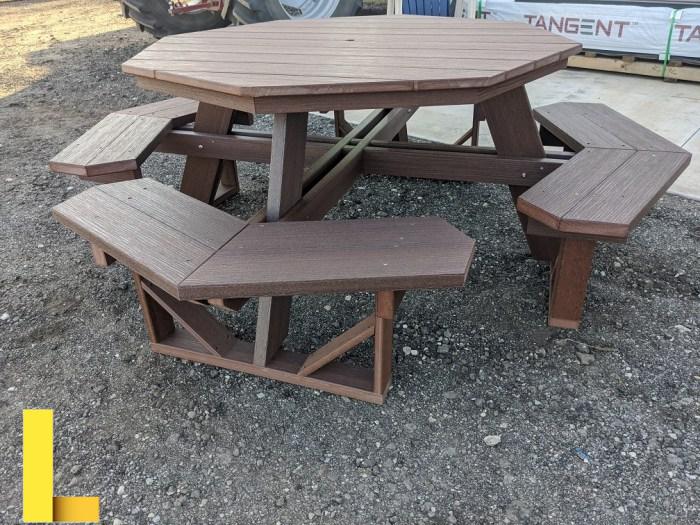
Ultimately, the composite wood picnic table stands as a testament to intelligent design and sustainable living. Its robust construction ensures years of reliable use in diverse environments, from bustling public parks to serene backyard patios, all while demanding minimal upkeep. By choosing composite, one embraces an eco-conscious solution that doesn’t compromise on style or functionality, truly elevating outdoor spaces with a durable, beautiful, and responsible choice for gathering and enjoyment.
Frequently Asked Questions
How does the initial cost of a composite wood picnic table compare to a traditional wood one?
Composite tables often have a higher upfront cost, but their long-term value is superior due to minimal maintenance and exceptional durability, negating frequent repairs or replacements.
Can composite wood picnic tables be painted or stained?
Generally, composite wood tables do not require painting or staining as they are designed to maintain their color and finish. Attempting to paint or stain them may void warranties and might not adhere properly.
Are composite wood picnic tables heavy and difficult to move?
While generally heavier than some lightweight plastic or aluminum tables, their weight contributes to stability. Most are designed for stationary use, but some models can be disassembled or are lighter for occasional relocation.
What is the typical lifespan of a composite wood picnic table?
With proper care, a composite wood picnic table can last 15-25 years or even longer, significantly outperforming traditional wood alternatives in longevity.
Are composite wood tables resistant to mold and mildew?
Yes, composite materials are highly resistant to mold and mildew growth because they do not absorb moisture like natural wood, though surface growth can occur if not cleaned regularly.

