

Recreational volleyball league offers a fantastic blend of physical activity and social interaction, presenting an accessible entry point into the sport for individuals of all skill levels. It prioritizes enjoyment, community building, and personal well-being over intense competition, fostering an environment where laughter and camaraderie are just as important as scoring points. This casual approach makes it an ideal avenue for those looking to stay active, meet new people, and unwind in a supportive setting.
Exploring this world reveals a vibrant scene distinct from professional play, emphasizing inclusive participation and stress relief through organized games. Participants gain numerous benefits, from improved physical fitness and coordination to enhanced social connections and mental relaxation. Joining involves straightforward steps to find local leagues, understand basic rules, and prepare for games, all while navigating common expectations. Ultimately, the focus remains on cultivating a welcoming community where sportsmanship and friendly engagement thrive both on and off the court.
Exploring the World of Casual Volleyball

Recreational volleyball leagues offer a vibrant and accessible entry point into the sport, distinguishing themselves significantly from their highly competitive counterparts. This segment delves into the unique aspects that define casual play, highlighting its inclusive nature and the multifaceted advantages it provides to participants. Unlike professional or elite-level volleyball, which often demands rigorous training, strategic mastery, and intense competition, casual leagues prioritize enjoyment, participation, and community building.
These leagues create an environment where individuals of varying skill levels can engage with the sport, fostering a sense of belonging and promoting a healthy lifestyle without the pressure of high-stakes performance.
Core Characteristics of Recreational Volleyball
Understanding the fundamental differences between recreational and competitive volleyball is crucial for new players to align their expectations with the league’s ethos. The following distinctions underscore the core characteristics that define a casual playing environment.
- Emphasis on Participation and Enjoyment: The primary goal in recreational leagues is to ensure everyone gets to play, have fun, and enjoy the social interaction. Winning is secondary to the overall experience.
- Flexible Skill Levels: Teams are often formed to balance skill, or players join individually, accommodating a wide range of abilities from beginners to seasoned players seeking a relaxed game. This fosters an environment of learning and mutual support rather than intense rivalry.
- Relaxed Rules and Officiating: While basic volleyball rules are followed, enforcement is generally more lenient. Self-officiating or friendly calls are common, reducing pressure and allowing for a smoother flow of play without constant interruptions.
- Social Interaction Over Strategic Intensity: Breaks, pre-game, and post-game interactions are as important as the game itself. The focus is on building friendships and community, rather than executing complex offensive or defensive strategies.
- Casual Attire and Equipment: There is no requirement for specialized uniforms or high-performance gear. Participants typically wear comfortable athletic clothing, reflecting the laid-back nature of the league.
- No High-Stakes Consequences: Unlike competitive leagues where rankings, sponsorships, or professional advancement are at stake, recreational leagues typically have no significant consequences for wins or losses, allowing players to experiment and enjoy without fear of failure.
Benefits of Casual Volleyball League Participation
Engaging in a casual volleyball league offers a wealth of advantages that extend beyond the court, positively impacting participants’ physical health, mental well-being, and social lives. These benefits contribute significantly to a balanced and fulfilling lifestyle.
- Enhanced Physical Activity: Regular participation provides a moderate-intensity workout, improving cardiovascular health, agility, coordination, and muscle strength. It is an enjoyable way to stay active without feeling like a chore.
- Robust Social Connection: Leagues serve as excellent platforms for meeting new people, forging friendships, and strengthening community ties. The shared experience of teamwork and camaraderie fosters a strong sense of belonging.
- Effective Stress Relief: The combination of physical exertion and social interaction provides a healthy outlet for stress and tension. Focusing on the game and enjoying the company of others can significantly reduce mental fatigue and improve mood.
- Skill Development in a Low-Pressure Setting: New players can learn the fundamentals of volleyball, while experienced players can refine their techniques in a supportive environment. The emphasis is on improvement and enjoyment rather than flawless execution.
- Boosted Mental Well-being: The sense of accomplishment from learning new skills, the positive social interactions, and the release of endorphins from physical activity all contribute to improved self-esteem and overall mental health.
- Accessible and Inclusive Fun: Casual leagues are typically open to a wide demographic, making volleyball accessible to individuals of various ages, genders, and backgrounds, promoting inclusivity and diversity.
Illustrative Scene: A Moment of Camaraderie
A vibrant outdoor scene unfolds under a clear, sunny sky, capturing a break in a recreational volleyball game. In the foreground, a diverse group of adults, ranging in age from late twenties to early fifties, are gathered near the net, their faces alight with genuine smiles and laughter. One woman, with sun-kissed skin and wearing a bright blue athletic tank top and shorts, enthusiastically high-fives a man next to her, who sports a relaxed grey t-shirt and cargo shorts.
His eyes crinkle at the corners as he returns the gesture, a bead of sweat glistening on his forehead. Another player, a younger man with a baseball cap turned backward, leans against the net post, chuckling as he sips from a water bottle, his posture entirely at ease. In the background, a few other players are casually chatting, some stretching lightly, while the soft, golden sand of the court gleams.
The overall atmosphere is one of pure enjoyment and effortless camaraderie, devoid of any competitive tension, with everyone dressed in comfortable, practical attire suitable for a leisurely game. The scene vividly depicts the social and relaxed essence of casual volleyball.
Expectations Versus Realities for New Players
New players often approach recreational volleyball leagues with certain preconceived notions about the game and its environment. While some expectations align with reality, others can be pleasantly surprising or require a slight adjustment in perspective. The following table Artikels common expectations versus the typical realities encountered in a casual league setting.
| Common Expectation | Typical Reality |
|---|---|
| Everyone will be highly skilled, and I might feel out of place as a beginner. | Leagues often have mixed skill levels, with many beginners or rusty players. The focus is on inclusion and fun, not elite performance. |
| Games will be intensely competitive, with strict adherence to all rules. | Competition is usually friendly and light-hearted. Rules are generally more relaxed, and players often self-officiate with an emphasis on keeping the game flowing and enjoyable. |
| I need to know all the complex strategies and positions before joining. | Basic understanding is helpful, but most learning happens on the court. Teammates are typically supportive in guiding new players on positioning and simple plays. |
| It’s just about the game; social interaction will be minimal. | Socializing is a huge component. Many players join specifically for the community aspect, leading to friendships, post-game gatherings, and lively conversations. |
| I might be judged for making mistakes or not playing perfectly. | Mistakes are expected and part of the learning process. The atmosphere is forgiving, and encouragement is far more common than criticism, fostering a safe space for growth. |
| The league will demand a significant time commitment for practice and games. | Most recreational leagues have a set game time once or twice a week, with no mandatory practices, making it easy to fit into a busy schedule. |
Joining and Playing in a League

Engaging with a recreational volleyball league offers a fantastic opportunity to combine physical activity with social interaction, fostering community and skill development. This section provides a comprehensive guide for individuals looking to immerse themselves in the world of casual volleyball, detailing the process from initial search to game-day preparation and on-court etiquette. Understanding these foundational elements ensures a smooth entry and an enjoyable experience for all participants, regardless of their prior experience.Successfully navigating the landscape of local recreational sports leagues requires a clear understanding of where to look and what to consider, ensuring the chosen league aligns with personal skill levels and time commitments.
Following an energetic recreational volleyball league session, a relaxing cool-down with friends is often welcome. You might find it beneficial to check out various picnic venues near me , perfect for a casual team social. Such gatherings foster camaraderie, which is invaluable for our ongoing recreational volleyball league performance.
This proactive approach helps potential players find a community that fosters both competitive spirit and friendly camaraderie, making the experience truly rewarding.
Finding and Registering for a Local Recreational Volleyball League
Prospective players can discover local recreational volleyball leagues through various channels, each offering unique insights into available opportunities. The registration process typically involves several key steps designed to ensure players are appropriately placed and aware of league expectations.
- Online Searches and Community Boards: Begin by searching online using terms like “recreational volleyball league [your city/town]” or checking local community center websites and bulletin boards. Many cities maintain parks and recreation departments that list adult sports leagues.
- Social Media Groups: Explore local sports-specific Facebook groups or community forums where leagues often post announcements for new seasons and player recruitment. These platforms can also connect individuals seeking teams or looking to form one.
- Word of Mouth: Inquire with friends, colleagues, or local gym staff who might be involved in recreational sports. Personal recommendations can often lead to well-established and enjoyable leagues.
- Skill Level Assessment: Most leagues categorize themselves by skill level:
- Beginner/Social: Focuses on learning fundamentals and having fun, ideal for new players or those returning after a long break.
- Intermediate: Players have a grasp of basic skills (serving, passing, setting) and understand game flow, seeking slightly more competitive play.
- Advanced Recreational: For experienced players with solid skills and strategic understanding, offering a higher level of competition without the intensity of competitive club play.
Consider your own comfort and experience level to select a league that provides appropriate challenge and enjoyment.
- Availability Matching: Evaluate your weekly schedule to determine the best fit for league play. Leagues typically offer various options, such as weeknight evenings (e.g., Tuesday or Thursday) or weekend afternoons, to accommodate different work and personal commitments. Confirm the typical game times and frequency (e.g., once a week for 8-10 weeks).
- Registration Process: Once a suitable league is identified, registration usually involves completing an online form, paying a league fee (which covers court rental, equipment, and sometimes jerseys), and agreeing to league rules and waivers. Some leagues allow individual sign-ups and then assign players to teams, while others require full team registration.
Understanding the core mechanics and unspoken rules of recreational volleyball is crucial for a harmonious and enjoyable game. These guidelines ensure fair play and foster an environment of mutual respect among participants, contributing to a positive experience for everyone on the court.
Fundamental Rules and Common Courtesies in Recreational Volleyball
Recreational volleyball adheres to simplified versions of official rules, prioritizing fun and participation over strict adherence to professional regulations. Alongside these rules, certain courtesies enhance the social aspect of the game.
- Serving Guidelines:
- The server must stand behind the end line until after contact with the ball.
- The ball must be tossed and hit, not thrown or held.
- A serve hitting the net and going over into the opponent’s court (a “let” serve) is generally considered a playable ball in recreational leagues, unlike in more competitive settings where it might result in a fault.
- Teams typically rotate service positions after winning a rally on the opponent’s serve (side-out).
- Receiving and Ball Handling:
- Each team is allowed a maximum of three contacts with the ball to return it over the net, excluding a block.
- A player cannot hit the ball twice consecutively (a “double hit”), though simultaneous contact by two teammates on the first touch is usually allowed and counts as one hit.
- “Lifts” or “carries” (holding the ball for too long) are generally called less strictly than in competitive play, but blatant holds should be avoided.
- Players should call “mine” or “I got it” to avoid collisions and confusion when multiple players are near the ball.
- Basic Court Movement and Positions:
- Players must maintain their rotational position relative to their teammates until the serve is contacted. After the serve, players can move freely.
- In recreational settings, players are encouraged to rotate through all positions, allowing everyone to experience different roles on the court (e.g., front row hitting, back row defense).
- Avoid reaching over the net to block or hit the ball before the opponent has completed their attack, unless the ball is clearly on your side of the net.
- Common Courtesies:
- Call Your Own Faults: If you touch the net, hit the ball out, or commit another clear fault, call it on yourself. This promotes sportsmanship.
- Positive Encouragement: Cheer for your teammates and acknowledge good plays from opponents. Maintain a positive and supportive attitude.
- Net Play Etiquette: Avoid unnecessary contact with the net. If you do touch it, acknowledge it.
- Ball Retrieval: When a ball goes out of bounds, retrieve it promptly and return it to the serving team.
- Fair Play: Respect calls made by the designated scorekeeper or agreed-upon rules. Discussions should be constructive and brief.
“Good sportsmanship is the foundation of recreational play, ensuring enjoyment and respect for all participants.”
Preparing for a first game can be both exciting and slightly nerve-wracking for a new player. A structured approach to what to bring, how to warm up, and how to communicate effectively can significantly boost confidence and ensure a positive debut on the court.
Preparing for Your First Game as a New Player
A successful first game experience begins before stepping onto the court, encompassing appropriate gear, a proper warm-up, and an understanding of effective in-game communication. These preparations are essential for both performance and safety.
- What to Bring:
- Athletic Attire: Wear comfortable, breathable clothing that allows for a full range of motion, such as shorts or athletic pants and a t-shirt or jersey.
- Court Shoes: Invest in non-marking court shoes with good ankle support and grip. Running shoes are generally not recommended due to their lack of lateral support.
- Water Bottle: Stay hydrated throughout the game. A large, reusable water bottle is essential.
- Knee Pads (Optional but Recommended): While not strictly necessary for all recreational play, knee pads can provide protection during dives or falls, especially as you become more comfortable with court movement.
- Towel: Useful for wiping off sweat during breaks.
- Pre-Game Warm-ups:
- Light Cardiovascular Activity: Begin with 5-10 minutes of light jogging, dynamic stretching (e.g., arm circles, leg swings), or shuffling to elevate your heart rate and warm up your muscles.
- Volleyball-Specific Drills: If time and space allow, perform some light passing, setting, and serving drills with teammates to get a feel for the ball and court.
- Stretching: Focus on dynamic stretches before play and static stretches (holding stretches) after the game to aid recovery. Target hamstrings, quadriceps, shoulders, and back.
- In-Game Communication:
- Calling the Ball: Clearly call “mine,” “I got it,” or “help” to indicate who is taking the ball and to avoid collisions. This is perhaps the most critical piece of communication.
- Calling “Out”: If you believe a ball is going out of bounds, call “out” early to alert teammates not to play it. Conversely, call “in” if you believe it will land within the court.
- Encouragement: Offer positive reinforcement to your teammates, such as “good try,” “nice effort,” or “next one!”
- Simple Calls: For setting, a simple “setter” or “up” can indicate you’re passing to the setter. For hitting, a call like “tip” or “hit” can alert blockers.
The variety of recreational volleyball leagues available ensures that individuals of all backgrounds and preferences can find a suitable environment. These leagues are typically structured to cater to different skill levels and scheduling needs within a community, providing diverse options for participation.
Participating in a recreational volleyball league provides a wonderful opportunity for exercise and camaraderie. If you’re exploring options in the area, you might find comprehensive programs and facilities through the north lauderdale parks and recreation department, which often organizes various adult recreational volleyball divisions for all skill levels.
Comparison of Recreational Volleyball League Types
The following table Artikels various recreational volleyball league types, offering a quick comparison based on their typical target skill level and scheduling. This helps prospective players identify which league best aligns with their expectations and availability.
| League Type | Target Skill Level | Typical Schedule |
|---|---|---|
| Social/Beginner Co-ed League | Primarily beginners and casual players focused on fun and learning fundamentals. Minimal competitive pressure. | One evening per week (e.g., Monday or Wednesday), typically 7:00 PM – 9:00 PM, for 8-10 weeks. |
| Intermediate Recreational League | Players with a solid grasp of basic skills (pass, set, hit) and understanding of game flow. Moderate competition. | One to two evenings per week (e.g., Tuesday/Thursday), 6:30 PM – 9:30 PM, for 10-12 weeks. |
| Competitive Recreational League | Experienced players with strong skills and strategic play, seeking a higher level of competition without professional intensity. | One weeknight evening (e.g., Wednesday or Friday), 7:30 PM – 10:00 PM, for 10-12 weeks, often with playoffs. |
| Outdoor Grass/Sand League | All skill levels, often focused on 2v2 or 4v4 formats. Emphasizes athleticism and different ball control. | Weekend mornings or weekday evenings during warmer months, typically 9:00 AM – 12:00 PM or 6:00 PM – 9:00 PM. |
| Corporate/Workplace League | Mixed skill levels, designed for team building and inter-company competition. Focus on camaraderie. | One specific weeknight, often directly after work (e.g., 5:30 PM – 7:30 PM), for 6-8 weeks. |
Cultivating a Vibrant Volleyball Community

Building a thriving recreational volleyball league extends far beyond simply organizing games; it involves intentionally fostering a community where every participant feels valued, included, and connected. A strong sense of community transforms a league from a series of matches into a shared experience, enriching the lives of its members both on and off the court. This communal spirit is the bedrock of sustained engagement and enjoyment for all involved.Creating such an environment requires thoughtful strategies from organizers and proactive participation from players.
When individuals feel a sense of belonging, they are more likely to commit, improve, and contribute positively to the overall atmosphere. This section delves into the actionable steps necessary to nurture a dynamic and welcoming volleyball community, ensuring longevity and satisfaction for everyone.
Strategies for Inclusive League Atmosphere
League organizers play a pivotal role in shaping the social fabric of a recreational volleyball league. By implementing deliberate strategies, they can ensure that the atmosphere is inclusive and enjoyable for players of all skill levels, promoting camaraderie over competition. This approach helps to mitigate potential divisions and encourages mutual respect among participants.
Participating in a recreational volleyball league provides a wonderful opportunity for exercise and camaraderie. If you’re exploring options in the area, you might find comprehensive programs and facilities through the north lauderdale parks and recreation department, which often organizes various adult recreational volleyball divisions for all skill levels.
- Balanced Team Formation: Implement a system for creating teams that balances skill levels. This could involve a draft, a self-assessment questionnaire, or a “hat pick” system where captains select players to ensure a mix of experienced and novice players on each team. For instance, many successful leagues utilize a tiered rating system (e.g., A, B, C players) to distribute talent evenly, preventing one team from consistently dominating or being perpetually outmatched.
- Designated Social Time: Schedule specific times before or after games for informal mingling. Providing a dedicated space, even if it’s just a designated corner of the facility or a nearby cafe, encourages players to interact beyond the immediate game context. Some leagues organize “pizza nights” after the first few games of a season to help new teams bond.
- Skill-Building Clinics: Offer optional, low-pressure clinics focused on fundamental skills. These sessions can be segregated by skill level or designed to be all-inclusive, providing an opportunity for players to learn and improve without the pressure of a game. This not only enhances player capabilities but also serves as a valuable social outlet.
- Recognition for Sportsmanship: Institute awards or acknowledgments for excellent sportsmanship, team spirit, or helpfulness, rather than solely focusing on wins and losses. A “Spirit of the League” award, voted on by players, can significantly reinforce positive behaviors and attitudes.
- Open Communication Channels: Establish accessible channels for feedback and suggestions, such as a dedicated email address, a suggestion box, or regular check-ins with team captains. This ensures that players feel heard and can contribute to the league’s evolution, fostering a sense of shared ownership.
Integrating into a Recreational Volleyball Team
For new players, joining an existing recreational volleyball team can sometimes feel daunting. However, with a proactive and positive approach, new members can quickly integrate, build rapport, and become an indispensable part of the team’s social dynamic. Effective integration hinges on respectful communication and a commitment to good sportsmanship.
- Embrace Open Communication: Be approachable and willing to engage in conversation, both on and off the court. Introduce yourself to teammates and opponents, asking questions about their experiences or general interests. Active listening and sharing small anecdotes can help break the ice and establish personal connections.
- Demonstrate Positive Sportsmanship: Always play fairly, respect calls, and show appreciation for good plays by both your team and opponents. Offer encouragement to teammates, especially after errors, and maintain a positive demeanor regardless of the score. A simple “good try” or “next one” can go a long way.
- Offer Assistance and Support: Be a supportive teammate by helping with equipment, offering to shag balls, or providing constructive encouragement. If you see a teammate struggling, offer a word of advice or a high-five, showing you are invested in their success and the team’s overall morale.
- Learn Team Dynamics: Observe how the team communicates and interacts during games. Understand established plays, preferred positions, and unwritten rules. Adapt your play style to complement the team’s existing rhythm, showing flexibility and a willingness to contribute effectively.
- Participate in Social Activities: Make an effort to attend any post-game gatherings or league social events. These informal settings are prime opportunities to build relationships outside the competitive environment, fostering deeper bonds and a sense of belonging.
Illustrative Post-Game Social Gathering, Recreational volleyball league
Imagine the vibrant scene unfolding on the sidelines of a well-lit gymnasium court, just moments after the final whistle of a recreational volleyball match. The air, still carrying the faint scent of exertion and anticipation, is now filled with the easy hum of conversation and laughter. Players, a mix of various ages and skill levels, are gathered around a makeshift refreshment station, which features an array of water bottles, sports drinks, and a large cooler filled with ice, alongside a platter of fruit and some light snacks.One group of players, still clad in their team jerseys, leans against a low wall, animatedly recounting a particularly thrilling rally, their hands gesturing to illustrate spikes and blocks.
A newer player, initially a bit reserved, is now engaged in a lively discussion with a veteran teammate about strategies for improving their serve, their expressions friendly and open. Nearby, another cluster of individuals, some from opposing teams, are sharing jokes and planning to meet up for a casual coffee later in the week. The atmosphere is palpably relaxed and convivial, a stark contrast to the competitive intensity of the game that just concluded.
Smiles are abundant, and the shared experience of the game has clearly dissolved any on-court rivalries, replaced by a genuine sense of camaraderie and community. This gathering beautifully exemplifies the league’s success in fostering connections that extend beyond the boundaries of the court.
Social Events for Strengthening Player Bonds
Beyond the regular game schedule, organizing additional social events provides invaluable opportunities for players to connect on a more personal level, strengthening bonds and reinforcing the league’s community spirit. These events encourage interaction outside of competitive play, allowing friendships to flourish.
- League Potluck Dinners: Host a potluck dinner where each team or individual brings a dish to share. This casual setting encourages culinary sharing and conversation, moving the focus away from volleyball performance.
- “Meet the League” Mixer: Organize an informal mixer early in the season, perhaps at a local pub or community center, specifically designed for players to meet individuals from other teams. Icebreaker games can facilitate initial introductions.
- Themed Game Nights: Beyond volleyball, host a board game night, a trivia competition, or a video game tournament. These alternative activities cater to different interests and allow players to interact in novel ways.
- Volunteer Community Service Day: Organize a league-wide volunteer event, such as cleaning a local park or helping at a food bank. Working together for a common cause outside of sports can build strong, shared experiences and a sense of collective purpose.
- Seasonal Celebrations: Host events tied to holidays or seasons, like a summer BBQ, a Halloween costume game night, or an end-of-season awards banquet that celebrates participation and spirit, not just wins.
- Local Sports Outings: Arrange for the league to attend a professional or collegiate volleyball match, or even a game of another sport. This shared experience can be a great bonding activity and inspire players.
End of Discussion
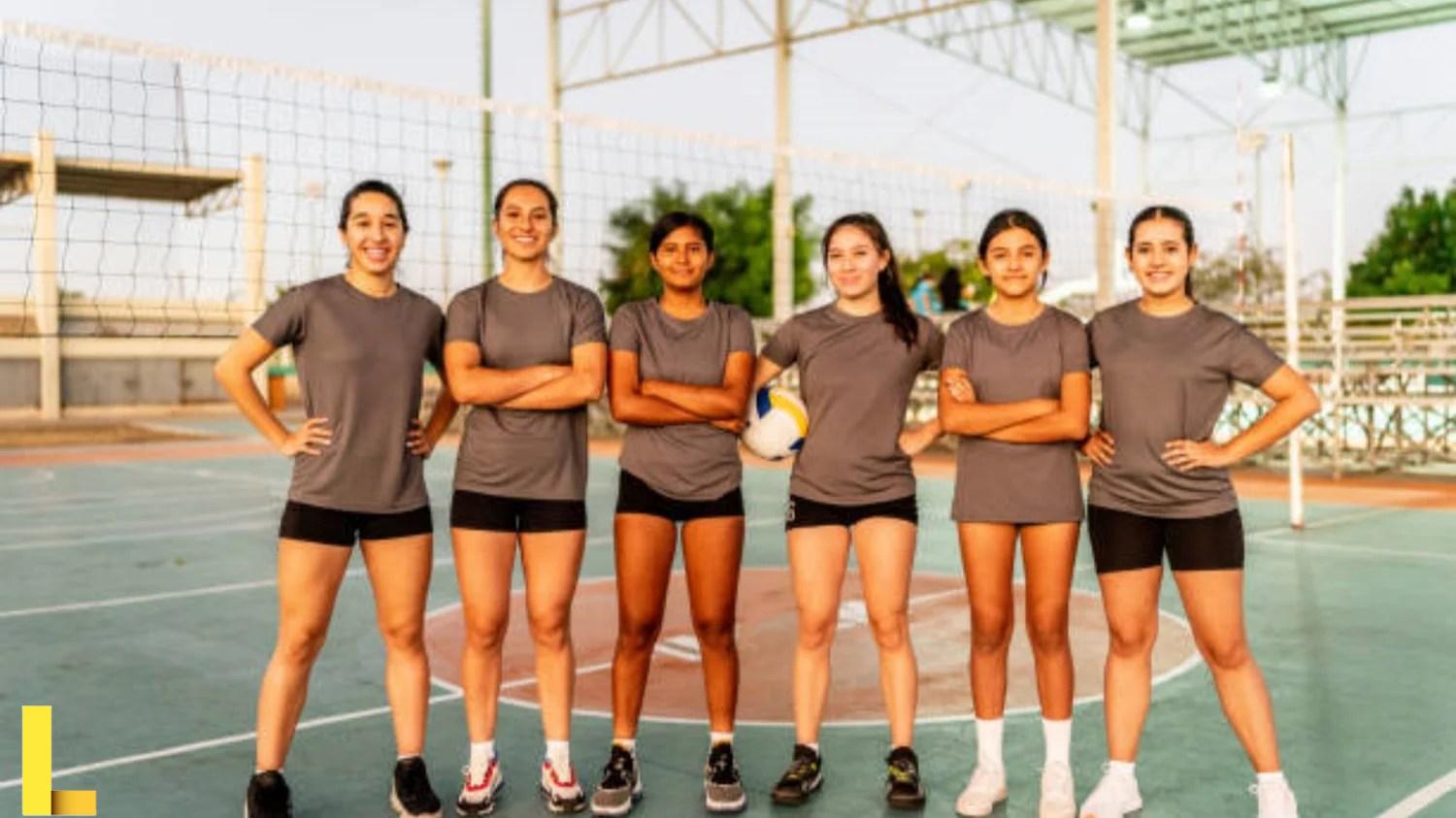
Ultimately, the recreational volleyball league stands as a testament to the power of sport in fostering community, promoting health, and providing a joyful escape. From the initial serve to the post-game gathering, it offers a holistic experience that extends beyond mere physical exertion, creating lasting friendships and cherished memories. Whether seeking a new hobby, a way to stay fit, or simply a friendly social outlet, embracing the casual court promises a rewarding journey filled with fun, growth, and genuine connection.
Expert Answers: Recreational Volleyball League
Do I need prior experience to join a recreational volleyball league?
No, most recreational leagues are designed for players of all skill levels, including absolute beginners. The focus is on participation and fun, often with basic skill clinics available.
What kind of equipment do I need to play?
Typically, you only need comfortable athletic attire and appropriate athletic shoes. Some players opt for knee pads for added comfort and protection, but it’s not usually mandatory. The league provides the net and ball.
Are there age restrictions for joining a recreational league?
While specific age requirements vary by league, most adult recreational leagues are open to individuals 18 years and older. Some communities also offer youth or senior-specific leagues.
Can I join a league as an individual, or do I need to form a full team?
Many leagues welcome individual sign-ups, often referred to as “free agents,” and will place you on a team that needs players. This is a great way to meet new people and integrate into the community.
What happens if I miss a game due to a scheduling conflict?
Recreational leagues are generally flexible. It’s common for players to miss a game occasionally. Informing your team captain or league organizer in advance is good etiquette, and many teams have substitute players available.

