

Steel picnic table frame designs stand as a testament to enduring outdoor utility, serving as the unsung heroes of countless gatherings and shared meals in various public and private settings. These robust structures form the foundational backbone for tables that withstand the elements and heavy use, embodying a blend of practical engineering and thoughtful design.
Our exploration delves into the sophisticated world of these frames, beginning with the meticulous selection of steel alloys for optimal strength and corrosion resistance. We will uncover the diverse array of design styles and structural innovations that enhance both aesthetics and functionality, alongside a detailed look at the protective layers that ensure longevity. Furthermore, we examine the straightforward assembly processes, essential maintenance practices, and the broad spectrum of applications, culminating in the exciting possibilities for customization that allow these frames to perfectly integrate into any environment.
Assembly, Durability, and Care for Steel Picnic Table Frames
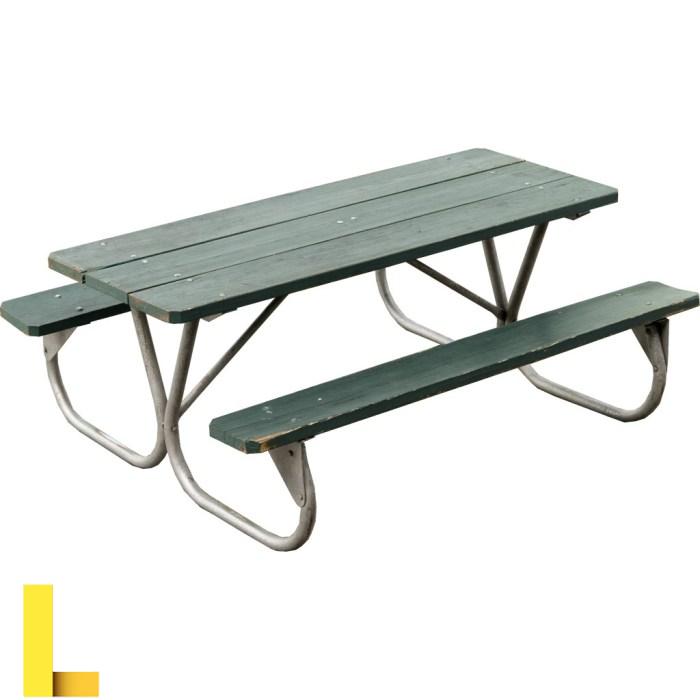
Understanding the full lifecycle of a steel picnic table frame, from its initial construction to its long-term preservation, is crucial for maximizing its utility and investment value. This segment delves into the practical aspects of putting these robust structures together, the inherent qualities that contribute to their resilience, and the essential routines required to maintain their aesthetic and functional integrity over many years of outdoor exposure.
Assembling a Standard Steel Picnic Table Frame
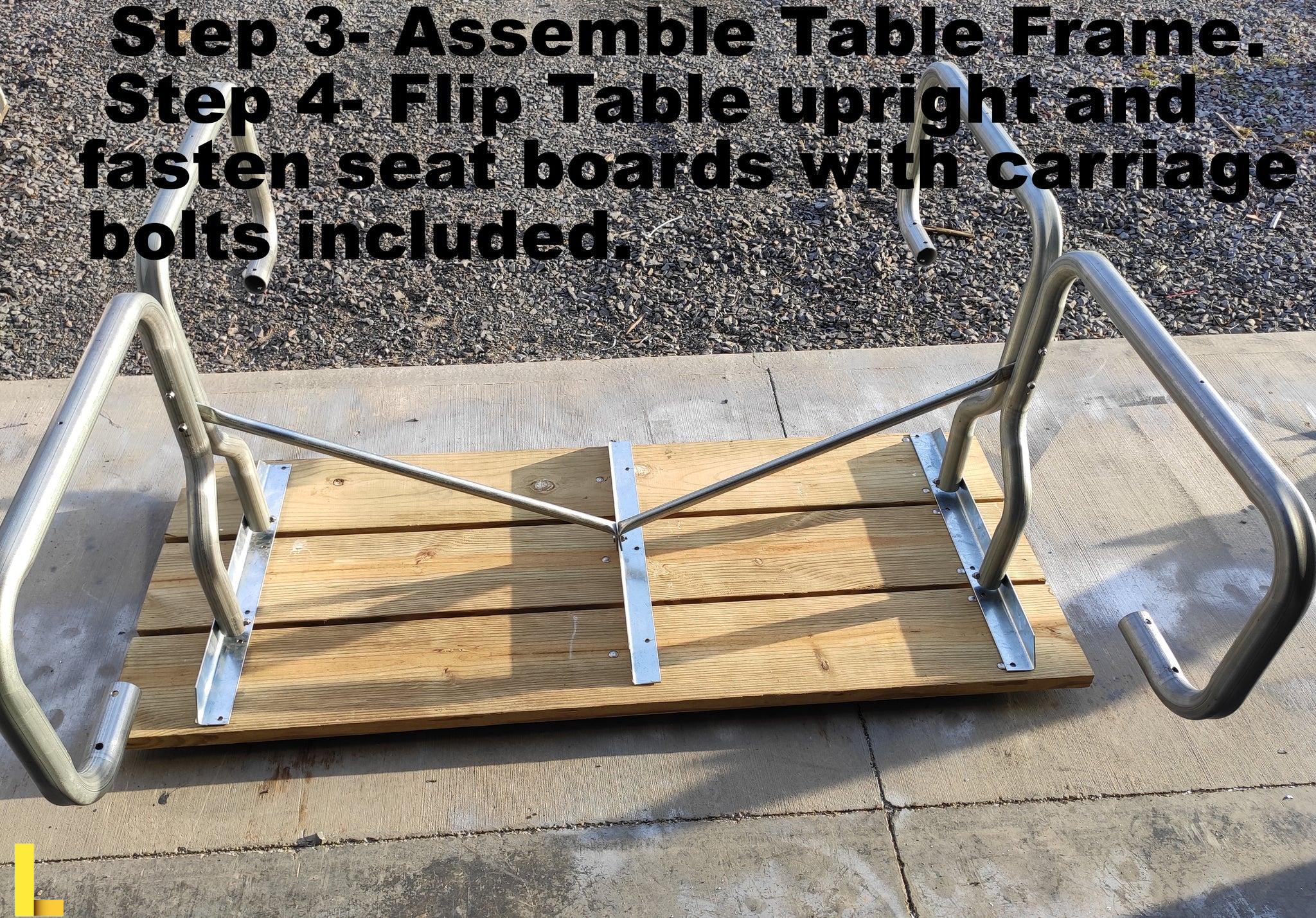
The assembly of a steel picnic table frame is generally a straightforward process, designed for efficiency and stability. It typically involves connecting pre-fabricated components using standard hardware, transforming individual pieces into a rigid, functional unit. Proper assembly ensures the table’s structural soundness and safety for users.To facilitate a smooth and secure assembly, the following tools and steps are commonly employed:
- Required Tools: A set of open-end or box wrenches (typically 1/2″ or 13mm, 9/16″ or 14mm, 3/4″ or 19mm depending on hardware size), a socket wrench set with corresponding sockets, a rubber mallet (optional, for gentle persuasion), and safety gloves are generally sufficient.
- Unpack and Identify Components: Lay out all frame components and hardware. Verify against the parts list provided in the manufacturer’s instructions to ensure all pieces are present and undamaged. Common components include leg assemblies, cross braces, and hardware kits (bolts, nuts, washers).
- Attach Leg Assemblies to Cross Braces: Begin by attaching the leg assemblies to the main cross braces that will support the tabletop. This usually involves aligning pre-drilled holes and inserting bolts.
- Secure Bench Supports: Next, connect the bench support frames to the leg assemblies. These often attach at a lower point on the legs, providing the base for the seating planks.
- Insert Fasteners and Hand-Tighten: For all connections, insert the appropriate bolts, washers (typically flat washers under the bolt head and lock washers under the nut for added security), and nuts. Initially, hand-tighten all fasteners to allow for minor adjustments and alignment during the assembly process. This prevents components from binding or becoming misaligned before final tightening.
- Align and Square the Frame: Once all components are loosely assembled, gently rock the frame to ensure it sits level and square. Make any necessary minor adjustments to align the pieces perfectly.
- Final Tightening of Hardware: Systematically tighten all nuts and bolts using the appropriate wrenches or sockets. Start from one end and work your way around, ensuring each fastener is snug and secure. Overtightening should be avoided as it can strip threads or deform components, but they must be tight enough to prevent wobbling.
- Check for Stability: After all fasteners are tightened, test the table frame for stability. It should not wobble or creak under gentle pressure. If any movement is detected, re-check the tightness of all connections.
“The integrity of a steel picnic table frame begins with meticulous assembly; every tightened bolt contributes to its foundational strength and longevity.”
The durable steel picnic table frame is fundamental to any well-utilized public park or communal area. Its strategic selection and upkeep fall under the critical purview of recreation administration , ensuring optimal community enjoyment. Therefore, investing in quality frames directly supports the long-term integrity and accessibility of every steel picnic table frame.
Factors Contributing to Long-Term Durability
The inherent strength of steel is significantly enhanced by specific treatments and design considerations, making these frames exceptionally durable in diverse outdoor conditions. The longevity of a steel picnic table frame hinges on its material composition, protective coatings, and structural engineering.Several primary factors contribute to the long-term durability of steel picnic table frames:
- Material Grade and Gauge: High-quality steel, often commercial-grade carbon steel, provides the foundational strength. The gauge (thickness) of the steel tubing or plate used is critical; heavier gauges offer greater resistance to bending, impact, and fatigue. For instance, frames made from 11-gauge steel tubing (approximately 0.120 inches thick) are considerably more robust than those made from thinner 14-gauge steel (approximately 0.075 inches thick), offering superior resistance to deformation from heavy use or environmental stressors.
Crafting a robust steel picnic table frame requires thoughtful planning to ensure both structural integrity and user comfort. It’s truly beneficial to review precise measurements for a picnic table , as these dimensions are critical for the proper fabrication of all components. Adhering to these guidelines ensures your finished steel picnic table frame will be perfectly balanced and exceptionally durable for any setting.
- Protective Coatings:
- Powder Coating: This is one of the most common and effective treatments. Powder coating involves applying a dry powder (a mixture of finely ground plastic particles, pigments, and resins) electrostatically to the steel, which is then cured under heat to form a hard, protective layer. This finish is highly resistant to chipping, scratching, UV radiation, and corrosion, often outperforming liquid paints in harsh outdoor environments.
High-quality powder coatings can last 10-20 years or more with proper care, depending on exposure.
- Galvanization: Hot-dip galvanization involves immersing the steel frame in a bath of molten zinc. The zinc forms a metallurgical bond with the steel, creating a highly durable, corrosion-resistant coating that can self-heal minor scratches. This process is particularly effective in coastal or high-humidity environments and can provide protection for 50 years or longer in many applications.
- E-coating (Electrocoating): Often used as a primer beneath powder coating, e-coating provides excellent edge coverage and uniform film thickness, enhancing overall corrosion resistance. It’s particularly effective in reaching complex shapes and interior surfaces of tubular components.
- Powder Coating: This is one of the most common and effective treatments. Powder coating involves applying a dry powder (a mixture of finely ground plastic particles, pigments, and resins) electrostatically to the steel, which is then cured under heat to form a hard, protective layer. This finish is highly resistant to chipping, scratching, UV radiation, and corrosion, often outperforming liquid paints in harsh outdoor environments.
- Structural Integrity and Design:
- Welding Quality: Strong, continuous welds are essential for connecting frame components securely. Poor welds can lead to structural failure over time, especially under dynamic loads. Robotic welding processes often ensure consistent, high-quality welds.
- Reinforcement and Bracing: Strategic placement of cross braces, gussets, and reinforcement plates at stress points significantly enhances the frame’s ability to withstand heavy loads and resist deformation.
- Design for Water Drainage: Thoughtful design that minimizes flat surfaces where water can pool, or incorporates drainage holes in tubular sections, prevents standing water that could accelerate corrosion, even on coated surfaces.
Best Practices for Routine Maintenance and Preventative Care, Steel picnic table frame
To ensure a steel picnic table frame provides decades of reliable service, a regimen of routine maintenance and preventative care is indispensable. These practices protect the investment, preserve the aesthetic appeal, and extend the functional lifespan of the frame, mitigating the effects of continuous outdoor exposure.Implementing the following best practices will significantly extend the lifespan of a steel picnic table frame:
- Regular Cleaning:
- Frequency: Clean the frame at least quarterly, or more frequently if located in areas with high pollen, dust, or salty air.
- Method: Use a mild soap or detergent mixed with water and a soft cloth or brush. Avoid abrasive cleaners or harsh chemicals, which can damage protective coatings. Rinse thoroughly with clean water to remove all soap residue. For stubborn grime, a pressure washer on a low setting can be effective, but avoid directing high-pressure streams directly at seams or areas where coatings might be compromised.
- Drying: Allow the frame to air dry completely, or wipe it down with a clean, dry cloth to prevent water spots and minimize the time moisture sits on the surface.
- Routine Inspection:
- Hardware Check: Annually, or bi-annually, inspect all bolts, nuts, and washers. Over time, vibrations and temperature fluctuations can cause hardware to loosen. Tighten any loose fasteners to maintain structural rigidity. Replace any rusted or stripped hardware immediately with new, galvanized or stainless steel components.
- Coating Integrity: Carefully examine the entire frame for any signs of chipping, scratching, or peeling of the protective coating. Pay close attention to corners, edges, and areas prone to impact. These are often the first places where the coating might fail, exposing the underlying steel to moisture and oxygen, initiating rust.
- Rust Detection: Look for any visible rust spots, even small ones. Early detection is key to preventing widespread corrosion.
- Repair of Protective Finishes:
- Touch-Up Paint: For minor scratches or chips in powder-coated or painted frames, clean the affected area thoroughly, lightly sand with fine-grit sandpaper (e.g., 220-grit) to create a good adhesion surface, and apply a rust-inhibiting primer. Once dry, apply a matching exterior-grade spray paint or touch-up paint specifically designed for metal. Multiple thin coats are better than one thick coat.
- Rust Treatment: If rust is present, gently remove it using a wire brush or sandpaper until the bare metal is exposed. Clean the area, apply a rust converter (which chemically changes rust into a stable, paintable surface), and then prime and paint as described above. For galvanized frames, a zinc-rich paint can be used to repair damaged areas, providing cathodic protection similar to the original galvanization.
A sturdy steel picnic table frame is designed for lasting outdoor enjoyment, much like the convenience and freedom offered by a zoome 3 wheel recreational scooter for effortless movement. Both exemplify practical engineering, ensuring dependable performance whether navigating paths or providing a stable gathering point with that durable steel picnic table frame.
- Professional Refinishing: For extensive damage or widespread coating failure, consider professional sandblasting and re-powder coating or re-galvanization. While a larger investment, this can effectively restore the frame to near-new condition and extend its life for many more years. For example, a commercial picnic table in a high-traffic park might warrant professional re-powder coating every 10-15 years to maintain its appearance and structural integrity against constant public use and environmental exposure.
End of Discussion
In essence, the steel picnic table frame is far more than a simple structural component; it represents a fusion of durability, versatility, and thoughtful design. From the careful selection of high-performance steel alloys and innovative structural configurations to the essential maintenance practices that prolong its life, every aspect contributes to its unwavering utility. The extensive customization options further ensure that these frames are not merely functional but also aesthetically integrated into diverse landscapes, solidifying their role as indispensable fixtures in outdoor spaces for generations to come.
Their enduring presence continues to facilitate community, comfort, and countless cherished memories.
Question & Answer Hub: Steel Picnic Table Frame
What is the typical weight of a steel picnic table frame?
The weight of a steel picnic table frame can vary significantly based on its size, design, and steel gauge, but a standard commercial frame for an 8-foot table might weigh between 70 to 120 pounds (30-55 kg) without the tabletop.
Are steel picnic table frames recyclable?
Yes, steel is one of the most recycled materials globally. At the end of its long service life, a steel picnic table frame can be fully recycled, contributing to sustainable practices and reducing environmental impact.
How do steel frames compare to aluminum frames in terms of cost?
Generally, steel picnic table frames tend to be more cost-effective upfront than aluminum frames. While aluminum offers lighter weight and inherent corrosion resistance, steel provides superior strength and durability at a lower material cost, especially when properly treated and coated.
Can steel picnic table frames be left outdoors year-round?
Absolutely. High-quality steel picnic table frames are specifically designed and treated, often with powder coating or galvanization, to withstand continuous outdoor exposure to various weather conditions throughout the year, requiring minimal maintenance.
What is the typical lifespan of a well-maintained steel picnic table frame?
With proper initial treatment, such as powder coating, and routine maintenance, a well-constructed steel picnic table frame can last for 20 years or even significantly longer, often exceeding the lifespan of the tabletop material it supports.

