

Hex picnic table, a distinctive centerpiece for any outdoor space, offers a unique blend of aesthetic appeal and functional superiority. Moving beyond the conventional, its unique geometric design not only captivates the eye but also significantly enhances social interaction, fostering a more intimate and inclusive dining or gathering experience for everyone seated around it. This comprehensive guide explores the multifaceted world of these remarkable tables, from their initial design and robust construction to optimal material selection and strategic placement.
Delving into the specifics, we will uncover the advantages of its hexagonal form, providing practical construction guidance and highlighting key structural elements that ensure durability. Furthermore, we examine various material choices, discussing their impact on longevity and maintenance requirements. The aim is to equip you with all the necessary insights to select, build, or maintain a hexagonal picnic table that perfectly suits your needs, transforming any outdoor area into a vibrant and welcoming hub for activities and relaxation.
Hexagonal Picnic Table Design and Construction
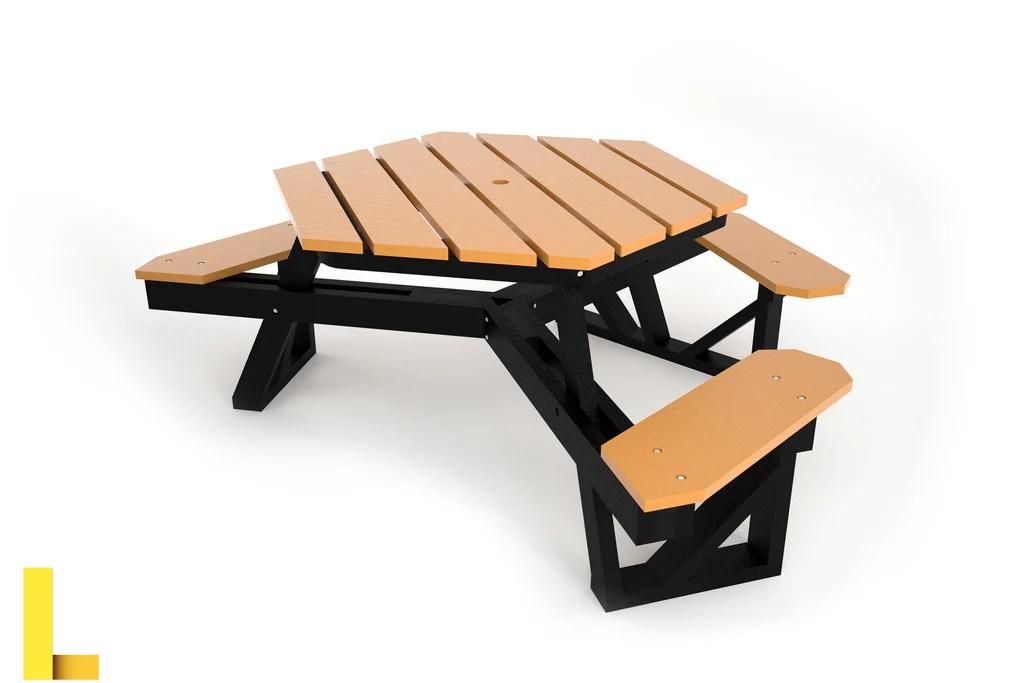
The hexagonal picnic table stands as a testament to thoughtful design, blending functionality with aesthetic appeal in outdoor settings. Its unique geometry offers a compelling alternative to more conventional rectangular or circular tables, providing distinct advantages in terms of space utilization, structural integrity, and fostering a more engaging social atmosphere. This section delves into the specifics of its design, construction methods, and various adaptable configurations.
Distinct Geometric Advantages of Hexagonal Picnic Tables
The inherent geometry of a hexagonal picnic table presents several significant advantages over its rectangular or purely round counterparts, particularly in optimizing social interaction and spatial efficiency. Its six equal sides and angles create a more inclusive seating arrangement, encouraging conversation among all seated individuals.The hexagonal shape inherently promotes better sightlines, as no one is seated directly at a “head” or “foot” of the table, nor are individuals pushed to the extreme edges as in a long rectangle.
This facilitates a natural flow of conversation, allowing everyone to easily engage with multiple people across the table. Furthermore, a hexagonal table often occupies less overall footprint for a comparable seating capacity when compared to a large circular table, and it offers more efficient use of space than a long rectangular table, especially in areas where corners might otherwise be wasted.
The angular design also contributes to a sturdy base, distributing weight more evenly across its supports and offering enhanced stability against tipping.
Step-by-Step Guide for Constructing a Basic Wooden Hex Picnic Table
Building a hexagonal picnic table requires precision in cuts and thoughtful assembly to ensure both stability and longevity. The following steps Artikel a common approach for constructing a durable wooden hex picnic table, focusing on fundamental woodworking techniques suitable for intermediate DIY enthusiasts.
- Material Preparation: Begin by selecting weather-resistant lumber such as cedar, redwood, or pressure-treated pine. Cut all pieces to their specified lengths: six top planks, six apron pieces, six seat planks, six leg pieces, and six seat support braces. Ensure all edges are smooth and free of splinters.
- Tabletop Assembly: Cut the six tabletop planks with a 30-degree angle on each end where they meet, forming a perfect hexagon when joined. Use waterproof wood glue and screws or pocket hole joinery to secure these planks together, creating the solid hexagonal tabletop. Reinforce the underside with two parallel cleats running across the width of the table, perpendicular to the plank seams, for added stability.
Optimizing your outdoor space, a hex picnic table provides ample, inclusive seating. It’s the ideal centerpiece, perhaps even for a legendary celebration like the willie nelson july 4th picnic , ensuring everyone feels connected. Such a distinct hex table design certainly elevates any casual get-together.
- Apron Construction: Attach the six apron pieces around the perimeter of the assembled tabletop. These pieces should be cut with appropriate angles (typically 30 degrees at each end) to form a hexagon that perfectly fits the tabletop’s underside. Use strong wood glue and screws, driven from the underside of the tabletop into the apron, or use pocket hole screws from the inside of the apron for a cleaner exterior finish.
- Leg Fabrication: Cut the six leg pieces to the desired height, typically with a slight angle at the bottom for stability on uneven ground. For robust joinery, consider cutting a half-lap joint or a simple butt joint with ample fastening where the legs meet the apron. Each leg should be positioned at an interior corner created by the apron pieces, ensuring it provides direct support to the tabletop structure.
- Seat Support Attachment: Secure the six seat support braces from the legs to the underside of the seat planks. These braces typically extend outwards and slightly downwards from the legs. Ensure they are level and parallel to the ground where the seats will rest. Use strong lag screws or carriage bolts to attach these supports firmly to the legs, providing a stable foundation for the seating.
- Seat Installation: Cut the six seat planks, again with 30-degree angles on their ends to form a hexagon. Position these planks onto the seat support braces, ensuring they are evenly spaced around the table. Secure the seat planks to the supports using screws, pre-drilling holes to prevent splitting.
- Finishing: Once assembled, sand all surfaces smooth. Apply a suitable outdoor wood finish, such as a stain, sealant, or paint, to protect the wood from weathering and enhance its longevity.
Detailed Description for a Cutaway View of a Hexagonal Picnic Table’s Sturdy Leg and Seat Support Structure, Hex picnic table
Imagine a detailed illustration presenting a cutaway view of a hexagonal picnic table’s leg and seat support, designed to highlight its robust joinery and structural integrity. The view focuses on one of the six leg assemblies, revealing the internal connections. The tabletop, depicted in a light, durable wood like cedar, is partially visible at the top, showing its hexagonal edge.
Directly beneath the tabletop, the apron piece, a substantial timber, is firmly attached. This apron piece forms one side of the hexagonal frame supporting the tabletop.The leg, a thick, square-profile timber, descends vertically from an interior corner of the apron. At the junction where the leg meets the apron, a strong mortise and tenon joint is clearly illustrated. The tenon, precisely cut into the top of the leg, slots snugly into a corresponding mortise carved into the underside of the apron, secured further with a weather-resistant adhesive and a through-bolt or two heavy-gauge screws driven at an angle (toe-screwed) for added pull-out resistance.
This type of joinery ensures exceptional vertical load-bearing capacity and resistance to lateral movement.Extending horizontally outwards from the leg, approximately halfway down its length, is a substantial seat support brace. This brace is also made of robust timber and is attached to the leg using a half-lap joint. The half-lap joint involves removing half the thickness from both the leg and the brace at their meeting point, creating a flush, strong connection that is then reinforced with two carriage bolts, passing entirely through both pieces and secured with washers and nuts.
This connection is critical for distributing the weight of seated individuals efficiently. The seat plank, a wide, flat piece of wood, rests directly on top of this seat support brace, secured from above with countersunk deck screws, ensuring a smooth, snag-free seating surface. The overall impression is one of solid, interlocking components designed for maximum stability and endurance in an outdoor environment.
Common Design Variations for Hexagonal Picnic Tables
Hexagonal picnic tables offer versatility in design, allowing for various configurations to suit different needs and preferences. These variations primarily focus on seating arrangements and integrated features, enhancing functionality and user experience.
| Design Type | Key Feature | Benefit |
|---|---|---|
| Attached Benches | Six benches are permanently affixed to the table’s frame, radiating outwards from the center. | Provides a cohesive, space-saving unit; ensures benches are always available and properly positioned; offers robust stability. |
| Separate Seating | The hexagonal tabletop stands independently, allowing for individual chairs or benches to be placed around it. | Offers maximum flexibility in seating arrangements and capacity; allows for diverse chair styles and mobility; easier to clean around the table. |
| Integrated Umbrella Hole | A central hole is drilled through the tabletop, designed to accommodate a standard patio umbrella pole. | Provides immediate shade and protection from light rain; eliminates the need for a separate umbrella stand, saving space and reducing clutter. |
| Foldable Design | Sections of the tabletop or benches are hinged, allowing them to collapse for storage or transport. | Optimizes storage in off-seasons or when not in use; facilitates easier relocation; ideal for temporary setups or smaller storage spaces. |
| Child-Friendly Height | The overall height of the table and benches is scaled down to accommodate younger children comfortably. | Enhances accessibility and comfort for families with young children; promotes independent seating for kids; safer design for specific age groups. |
| Built-in Cooler/Planter | A central section of the tabletop is designed as a removable lid, revealing a recessed cooler or planter box. | Convenient access to chilled beverages or integrated greenery; reduces table clutter; adds a unique functional or decorative element. |
Material Choices, Durability, and Upkeep for Hex Tables
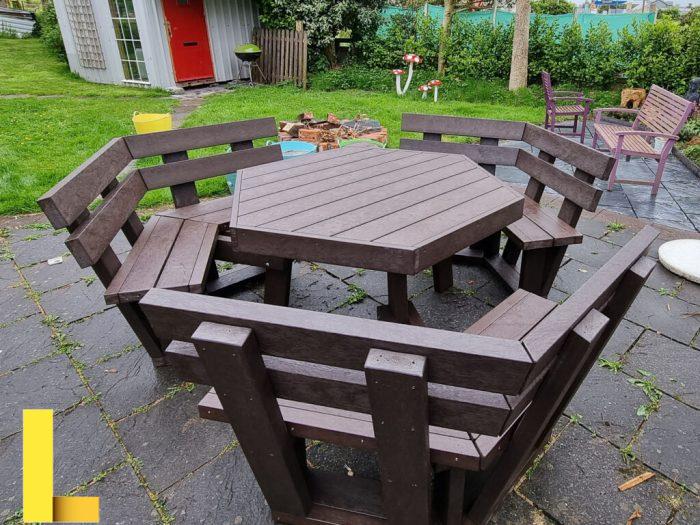
The selection of materials for a hexagonal picnic table significantly influences its longevity, aesthetic appeal, and the level of maintenance required over its lifespan. Understanding the characteristics of various options, from natural woods to modern composites, is crucial for ensuring the table withstands environmental elements and continues to serve its purpose beautifully for years to come. Thoughtful material choice directly impacts a table’s resilience against weather, pests, and daily wear.
Comparing Popular Materials for Hexagonal Picnic Tables
Choosing the right material is paramount for a hex table’s resilience against the elements and daily use, directly impacting its lifespan and required maintenance. Each material offers a unique balance of durability, cost, and aesthetic, making it important to weigh these factors against the intended use and environmental conditions.
| Material | Weather Resistance | Pest/Rot Resistance | Typical Lifespan |
|---|---|---|---|
| Pressure-Treated Pine | Good; chemically treated to resist moisture and decay, but requires regular sealing to maintain appearance and prevent warping. | Good; chemicals (e.g., alkaline copper quaternary) are highly effective against insects and fungal rot. | 10-20 years, depending on treatment quality and maintenance. |
| Cedar | Excellent; naturally resistant to moisture absorption and cracking due to its cellular structure and natural oils. Develops a beautiful silver-grey patina if left untreated. | Excellent; contains natural oils (thujaplicins) that act as fungicides and insecticides, deterring most common pests and rot. | 15-25 years, often longer with minimal maintenance. |
| Redwood | Excellent; high tannin content and natural oils provide superior resistance to moisture, warping, and splintering. Maintains structural integrity well in various climates. | Excellent; natural tannins and heartwood components are highly effective against insect infestation and fungal decay, comparable to cedar. | 20-30+ years, particularly with proper care and if using heartwood. |
| Recycled Plastic | Outstanding; impervious to moisture, UV radiation, and extreme temperatures. Does not warp, crack, or splinter, making it virtually maintenance-free in terms of weather damage. | Outstanding; made from non-organic materials, it is completely immune to insect damage, rot, and mold growth. | 20-50+ years, often comes with extensive warranties due to its extreme durability. |
Essential Maintenance for Wooden Hexagonal Picnic Tables
Proper and regular maintenance is key to preserving the beauty and structural integrity of a wooden hexagonal picnic table, significantly extending its service life in outdoor conditions. Neglecting these steps can lead to premature deterioration, loss of aesthetic appeal, and costly repairs.
- Regular Cleaning: Annually, or as needed, clean the table with a mild soap and water solution, using a soft brush or cloth to remove dirt, pollen, mildew, and other debris. For stubborn mildew, a diluted bleach solution (one part bleach to three parts water) can be used, followed by a thorough rinse.
- Sealing and Staining: Apply a high-quality water-repellent sealant or stain every 1-3 years, depending on the product and exposure to elements. This protects the wood from UV damage, moisture absorption, and helps prevent rot and splintering. Oil-based sealants penetrate deeply, while water-based options offer easier cleanup. Always clean and dry the table thoroughly before application.
- Tightening Fasteners: Periodically check all bolts, screws, and other fasteners. Wood can expand and contract with temperature and humidity changes, potentially loosening connections. Tightening these ensures the table remains stable and safe for use.
- Minor Repairs: Address any small cracks or splinters promptly. Sand rough spots smooth to prevent injury and further damage. Use exterior-grade wood filler for larger cracks or small holes. If a board becomes severely damaged or rotted, replace it to prevent the issue from spreading and compromising the table’s structure.
- Winter Protection: In regions with harsh winters, consider covering the table with a breathable, waterproof cover or storing it in a shed or garage. This protects the wood from extreme cold, snow, and ice, which can accelerate wear and tear.
Benefits and Drawbacks of Metal Frames with Hybrid Tops
Hybrid designs, which combine robust metal frames with wooden or composite tops, offer a distinct set of advantages and disadvantages for hexagonal picnic tables, influencing their performance, longevity, and aesthetic. This construction method caters to specific preferences for durability and style.The primary benefits of incorporating metal frames, typically made from powder-coated steel or aluminum, include enhanced stability and superior strength.
Metal frames provide exceptional structural integrity, making the table highly resistant to tipping, swaying, and general wear from heavy use. Powder-coated steel, for instance, offers excellent corrosion resistance and requires minimal maintenance for the frame itself, often just a wipe-down. Aluminum frames, while also strong and rust-resistant, tend to be lighter, making the table easier to move if necessary. Aesthetically, metal frames can lend a modern, industrial, or sleek look that contrasts beautifully with the natural warmth of a wooden top or the consistent finish of a composite material.However, there are also notable drawbacks.
Metal frames, particularly those made of steel, can be significantly heavier than all-wood constructions, making the table more challenging to reposition. In direct sunlight, metal frames can absorb and retain heat, potentially becoming hot to the touch. While powder coating helps prevent rust, any chips or scratches in the finish on steel frames can expose the metal to moisture, leading to corrosion over time.
The initial cost for hybrid tables can also be higher due to the manufacturing processes involved in working with both materials. Furthermore, while the wooden or composite top can be repaired or replaced, significant damage to a metal frame often requires specialized welding or fabrication, which can be more complex and expensive than repairing a wooden component.
A Well-Maintained Weathered Cedar Hexagonal Picnic Table
Nestled within a vibrant, meticulously cared-for garden, a hexagonal picnic table crafted from weathered cedar stands as a testament to enduring quality and thoughtful upkeep. Dappled sunlight filters through the overhead canopy of mature oak leaves, creating a shifting mosaic of light and shadow across its surface. The cedar has gracefully aged to a soft, silvery-grey patina, a natural transformation that speaks of years spent outdoors, yet its texture remains invitingly smooth, free of splinters or rough patches, a clear indication of regular sanding and sealing.
Subtle variations in the grain are still visible beneath the weathered surface, hinting at the wood’s original warmth.Despite its age, the table exhibits robust functionality; its six sides meet perfectly, and the sturdy legs show no sign of wobble or instability, thanks to consistently tightened joinery. A faint, almost imperceptible ring from a forgotten glass of water might mark one corner, and the edges of the benches show a slightly deeper shade from countless hands resting upon them, but these are not flaws.
Instead, they are the charming marks of a beloved and well-used piece of furniture. The table feels grounded and permanent, a focal point in the garden where one can imagine lively family meals or quiet moments of contemplation, perfectly blending the beauty of natural aging with the assurance of lasting strength.
Maximizing Utility and Placement of Your Hex Picnic Table
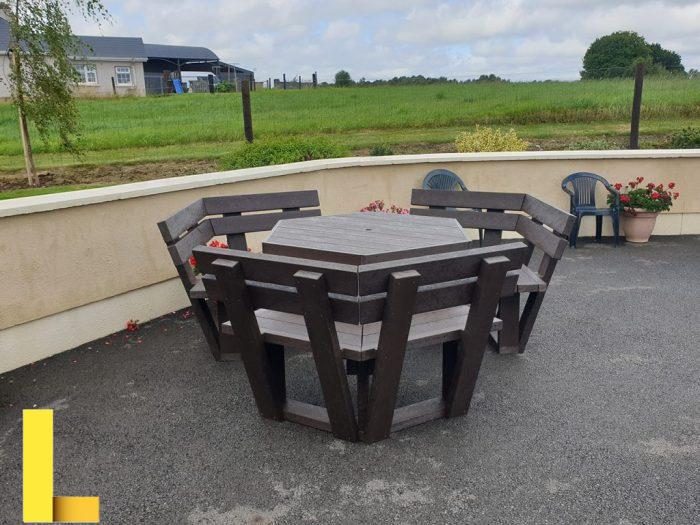
A hexagonal picnic table, with its distinctive six-sided design, offers more than just a place to eat; it presents a unique opportunity to enhance the functionality and aesthetic appeal of any outdoor space. Thoughtful placement and creative accessorizing can transform this versatile piece into a dynamic hub for various activities, extending its utility far beyond traditional dining. Optimizing its position in your backyard ensures it becomes a focal point that integrates seamlessly with other outdoor features, providing comfort and convenience for all users.
Consider a hex picnic table for its inviting, multi-sided design, fostering excellent interaction among guests. For those seeking an elevated outdoor experience, exploring options like luxury picnic san antonio can inspire truly memorable gatherings. Such thoughtful planning perfectly complements the social advantages a hex table provides, making any outdoor meal special.
Optimal Placement for Enhanced Enjoyment
Strategic positioning of your hexagonal picnic table is paramount for maximizing its utility and ensuring comfort throughout the day. Key considerations include sun exposure, ground stability, and proximity to complementary outdoor features. An ideal location balances convenience with environmental factors, creating an inviting atmosphere for gathering.
- Sun Exposure Management: For daytime use, positioning the table under a mature tree or a permanent pergola provides natural shade, making it comfortable during peak sun hours. Conversely, for evening gatherings, a spot that catches the late afternoon sun can be pleasant, transitioning into a cooler, well-lit area as dusk settles. Consider the sun’s path throughout the day and year to determine the most beneficial orientation.
-
Ground Stability and Leveling: A stable foundation is crucial for safety and comfort. Placing the table on a level, compacted surface such as a patio, deck, or a well-prepared gravel area prevents wobbling and ensures a secure dining or activity space. If placed directly on grass, ensure the ground is firm and level, or consider using paver stones beneath the legs to prevent sinking, especially after rain.
Opting for a hex picnic table provides a fantastic communal space for any outdoor event. When planning such gatherings, remember the practicalities, like fueling up recreational vehicles. Ensuring your watercraft or generator runs efficiently often requires specific options like 90 recreational fuel , making your entire outdoor experience, including the hex table setup, truly complete.
-
Proximity to Outdoor Features: Integrating the table with other elements of your outdoor living space enhances its functionality.
- Near the Grill or Outdoor Kitchen: Placing the table within easy reach of a barbecue grill or outdoor kitchen facilitates seamless serving and reduces the effort of transporting food, keeping hot dishes hot and cold dishes cold.
- Adjacent to Play Areas: For families with children, a location that allows adults to supervise play while relaxing or dining at the table offers peace of mind and convenience.
- Close to Garden Beds or Water Features: A spot that offers pleasant views of a garden, a tranquil water feature, or a vibrant landscape enhances the dining experience, providing a serene backdrop for meals and conversations.
- By a Fire Pit: For evening use, a table positioned near a fire pit can create a cozy, communal atmosphere, perfect for s’mores and storytelling after dinner.
Creative Decor and Accessories for Every Occasion
The hexagonal shape offers a distinctive canvas for decoration, allowing for creative arrangements that can adapt the table’s ambiance to suit any event. With a few thoughtful additions, your picnic table can transition effortlessly from a casual family meal spot to an elegant evening setting or a vibrant activity hub.To inspire varied uses, consider these decorative and accessory ideas:
-
For a Family BBQ:
- Tablecloth: A classic red-and-white checkered tablecloth or a vibrant, easy-to-clean vinyl cover.
- Centerpiece: A sturdy, low-profile caddy holding condiments, napkins, and cutlery, easily accessible from all sides.
- Lighting: Solar-powered lanterns or battery-operated LED candles for a soft glow as evening approaches.
- Pest Control: Citronella candles or a small fan to deter insects, ensuring comfort.
- For a Children’s Craft Session:
- Protective Cover: A large, disposable paper roll or a plastic tablecloth to protect the table surface from paint, glue, and glitter.
- Organization: Small, colorful buckets or caddies placed in the center for art supplies like crayons, markers, scissors, and glue sticks, allowing each child easy access.
- Seating: Cushions or small, comfortable seating pads for the benches to make long crafting sessions more enjoyable.
- Theme: Decorations matching the craft theme, such as construction paper cutouts or balloons.
- For an Evening Gathering:
- Elegant Linens: A sophisticated tablecloth, perhaps in a solid color or subtle pattern, draped elegantly over the table.
- Atmospheric Lighting: String lights draped overhead or small, decorative lanterns placed on the table to create a warm, inviting glow.
- Centerpiece: A vase with fresh flowers, a collection of pillar candles in varying heights, or a decorative tray with small appetizers.
- Comfort: Soft throws or blankets draped over the benches for guests to use as the evening air cools, adding a touch of coziness.
Beyond Dining: Leveraging the Hexagonal Advantage
The unique geometry of a hexagonal table naturally encourages interaction and provides distinct advantages for activities beyond simply eating. Its six sides offer individual yet connected spaces, fostering collaboration and focused engagement. This design makes it particularly suitable for group-oriented tasks where each participant benefits from both personal space and easy access to a central shared area.
“The hexagonal form, with its inherent symmetry and six distinct segments, naturally promotes inclusive engagement, ensuring every participant feels equally connected to the central activity and to one another.”
For instance, when hosting a board game night, each player can comfortably occupy one segment of the table, having ample personal space for their game pieces and cards, while the game board itself rests centrally, visible and accessible to everyone. This arrangement minimizes awkward reaching and maximizes strategic visibility. Similarly, for group projects or small workshops, the hexagonal layout allows participants to spread out their individual materials at their segment, with shared tools, reference materials, or a common project piece located in the center.
This facilitates easy collaboration and discussion, as everyone is equidistant from the focal point. For children’s activities, such as drawing or building, the distinct segments can help define individual workspaces, reducing conflict over space while still allowing for shared resources and social interaction. This unique shape transforms the table into a versatile platform for creativity, learning, and social connection.
Envisioning Your Backyard Oasis: An Aerial Perspective
Imagine a vibrant backyard, meticulously designed for both leisure and functionality, viewed from an aerial perspective. At its heart lies a beautifully crafted hexagonal picnic table, serving as the central gathering point. This table, perhaps in a natural wood finish, is strategically placed on a circular paver patio, defining its space and providing a stable, level surface. Radiating outwards from this central hub are various zones, each connected by a winding, permeable pathway made of crushed gravel.To the northeast, a cozy fire pit area is nestled, featuring a ring of Adirondack chairs arranged to face both the fire and the picnic table, encouraging interaction between the two zones.
South of the table, a meticulously maintained raised garden bed flourishes with herbs and seasonal flowers, offering a sensory delight and a convenient source for fresh ingredients. A gentle curve of the pathway leads from the garden past the picnic table, continuing towards the western edge of the yard where a compact, aesthetically pleasing shed stands, housing gardening tools and outdoor cushions.
To the northwest, a dedicated open lawn area provides space for children’s play or simply for enjoying the expansive sky. This layout demonstrates efficient space utilization, where the hexagonal table acts as an anchor, drawing together diverse elements of the backyard into a cohesive, inviting outdoor living environment, optimized for flow and varied activities.
Conclusion
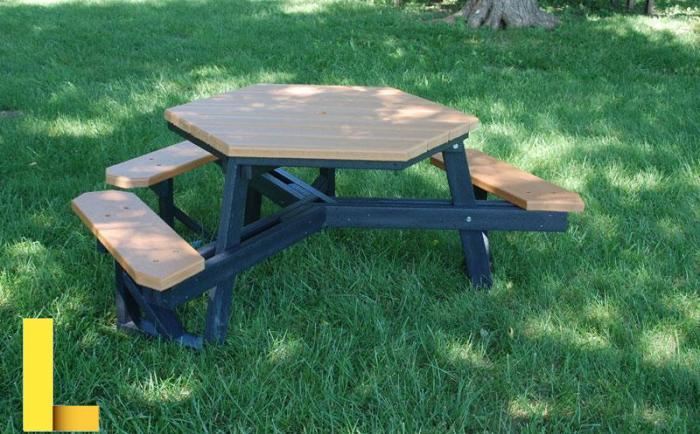
In conclusion, the hex picnic table stands as a testament to thoughtful design, blending geometric efficiency with social functionality to create an unparalleled outdoor experience. From the meticulous selection of materials that promise enduring beauty and resilience against the elements, to strategic placement that maximizes its utility and charm within your landscape, every aspect contributes to its appeal. This exploration has highlighted not just the practicalities of construction and upkeep, but also the myriad ways this unique table can enrich gatherings and daily life.
Embracing a hex picnic table means investing in a piece that is both a practical furnishing and a focal point for connection, promising countless memories to be made. Its versatility, durability, and inherent ability to bring people together make it a truly worthwhile addition to any garden, patio, or backyard, inviting all to gather, share, and enjoy the great outdoors in comfort and style.
Helpful Answers: Hex Picnic Table
What tools are typically needed to build a hex picnic table?
Basic woodworking tools are generally sufficient, including a miter saw or circular saw for precise cuts, an electric drill for pilot holes and fasteners, a tape measure, a level, and clamps to hold pieces securely during assembly.
Can a hex picnic table be disassembled for storage?
While most hexagonal picnic tables are designed as permanent structures for stability, some models or DIY plans incorporate bolt-together frames that allow for partial disassembly, making seasonal storage or relocation more manageable.
How many people can a standard hex picnic table comfortably seat?
A standard hexagonal picnic table is typically designed to comfortably accommodate six adults, with each person having ample space on one of the six sides. Larger custom designs may seat more.
Are plans readily available for building a hex picnic table?
Yes, numerous free and paid plans are widely available online through woodworking websites, DIY communities, and hardware store resources. These often include detailed cut lists, material recommendations, and step-by-step assembly instructions.
What are the benefits of a hexagonal shape for a picnic table compared to other shapes?
The hexagonal shape fosters more inclusive social interaction by bringing everyone closer and allowing for easier eye contact and conversation among all seated individuals. It also offers a unique aesthetic appeal and can efficiently utilize space in certain outdoor layouts.

