

composite picnic tables represent a significant advancement in outdoor furniture, offering a sophisticated blend of durability, aesthetic versatility, and minimal maintenance. These innovative pieces are rapidly becoming the preferred choice for those seeking long-lasting and attractive solutions for various outdoor settings, from bustling urban parks to tranquil backyard patios.
Crafted from engineered materials, typically a combination of recycled plastics and wood fibers, these tables are designed to withstand the rigors of outdoor environments far better than traditional wood or metal. This unique composition grants them exceptional resistance to moisture, UV radiation, insect damage, and rot, ensuring their structural integrity and vibrant appearance for years. Furthermore, their manufacturing process allows for unparalleled design versatility, enabling a wide array of finishes, colors, and shapes to complement any outdoor aesthetic.
Understanding Composite Materials and Their Advantages: Composite Picnic Tables
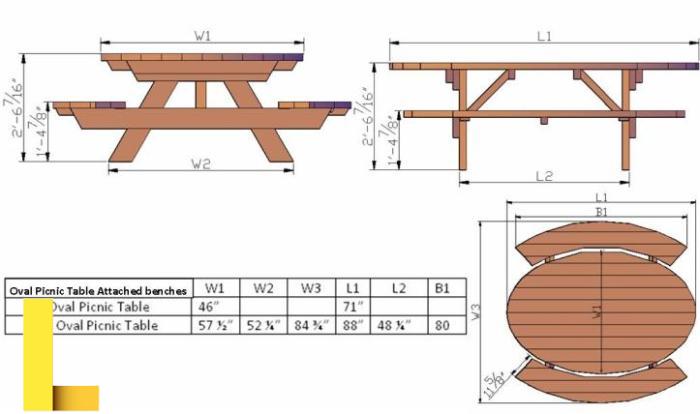
Composite materials have revolutionized the outdoor furniture industry, offering a superior alternative to traditional wood or metal options for items like picnic tables. These engineered materials combine the best properties of different components, resulting in products that are not only aesthetically pleasing but also exceptionally durable and low-maintenance, making them ideal for various outdoor environments.
Composition of Common Materials in Composite Outdoor Furniture
The creation of composite outdoor furniture primarily involves blending various materials to achieve enhanced performance characteristics. The most prevalent type for outdoor applications is Wood-Plastic Composite (WPC), which typically consists of finely ground wood fibers or flour combined with recycled or virgin plastic polymers.The primary components and their purposes are detailed below:
- Wood Fibers: These are often derived from reclaimed wood waste, such as sawdust, wood chips, or pulp by-products. Their purpose is to provide the natural look and feel of wood, add structural rigidity, and enhance stiffness.
- Plastic Polymers: Commonly used plastics include High-Density Polyethylene (HDPE), Polypropylene (PP), or Polyvinyl Chloride (PVC). These plastics act as a binding matrix, encapsulating the wood fibers. Their role is crucial for moisture resistance, preventing rot and decay, and providing structural integrity and flexibility. Using recycled plastics significantly contributes to the environmental benefits of composites.
- Binding Agents and Additives: Various chemical additives are incorporated during the manufacturing process. These include coupling agents to improve adhesion between wood and plastic, UV stabilizers to prevent degradation and fading from sunlight, pigments for color, and anti-fungal agents to inhibit mold and mildew growth. These additives are essential for enhancing the material’s performance, durability, and aesthetic longevity in outdoor conditions.
Significant Advantages of Composite Materials for Outdoor Tables
When selecting materials for outdoor furniture, the benefits of composites over traditional options like wood or metal are substantial and long-lasting. These advantages contribute significantly to the overall value and user experience of composite picnic tables.Here are at least five significant advantages of using composite materials for outdoor tables compared to wood or metal:
- Exceptional Durability and Longevity: Composite materials are engineered to withstand harsh outdoor conditions without warping, cracking, or splintering, unlike natural wood. Their robust composition ensures a significantly longer lifespan than traditional materials, often extending decades with minimal degradation.
- Low Maintenance Requirements: Unlike wood, which requires regular sealing, staining, or painting, composite tables need only occasional cleaning with soap and water. They do not rust like metal, nor do they require specialized treatments to maintain their appearance and structural integrity.
- Superior Resistance to Outdoor Elements: Composites are highly resistant to moisture, humidity, UV radiation, and extreme temperatures. This prevents issues such as rot, decay, insect infestation, and significant fading or discoloration, which are common problems with wood and some metals.
- Splinter-Free and Safe Surface: The manufacturing process creates a consistent, smooth surface that is free from splinters, knots, or sharp edges often found in natural wood. This makes composite tables a safer option, particularly in public spaces or family environments.
- Consistent Aesthetic Appeal: Composite materials offer a uniform color and texture throughout the material, which can be maintained over time with minimal effort. They are available in a wide range of colors and finishes that mimic natural wood or offer modern designs, providing versatile aesthetic options without the natural variations or imperfections of real wood.
Environmental Benefits of Composite Outdoor Tables
The production and lifespan of composite outdoor tables offer several compelling environmental benefits, positioning them as a more sustainable choice in many applications. These advantages stem from both the materials used and the product’s extended utility.The environmental benefits are multifaceted:
- Utilization of Recycled Materials: Many composite products, especially WPC, incorporate a significant percentage of recycled plastics (such as post-consumer HDPE from milk jugs or detergent bottles) and reclaimed wood fibers (like sawdust or wood flour). This diverts waste from landfills and reduces the demand for virgin resources, contributing to a circular economy.
- Reduced Deforestation: By using wood waste and recycled plastics, composite materials lessen the reliance on newly harvested timber. This helps in preserving forests, which are vital for biodiversity, carbon sequestration, and maintaining ecological balance.
- Extended Product Lifespan: The inherent durability and resistance of composite tables mean they last significantly longer than their traditional counterparts. A longer product life reduces the frequency of replacement, thereby decreasing resource consumption, manufacturing energy, and waste generation over time. For instance, a composite picnic table designed to last 25 years can prevent the need for 2-3 wooden tables over the same period, significantly reducing its overall environmental footprint.
- Lower Maintenance Chemical Use: The low-maintenance nature of composites eliminates the need for harsh chemical cleaners, stains, paints, or sealants that are often required for wood. This reduces the release of volatile organic compounds (VOCs) and other pollutants into the environment.
- Potential for Recyclability: While challenging, advancements in recycling technologies are making it increasingly possible to recycle composite materials at the end of their long life, further closing the loop and minimizing waste sent to landfills.
Detailed Description of a Composite Board Cross-Section
An illustration depicting a cross-section of a typical co-extruded composite board for outdoor furniture would reveal a sophisticated layered structure designed for optimal performance and aesthetics. The drawing would present a rectangular profile, showing the internal composition and the external finish.The detailed features of the cross-section would include:
- Outer Cap Layer (Co-extruded Shell): This outermost layer, typically 0.5 to 1.5 mm thick, would be shown as a distinct, uniform polymer shell encasing the core. It would appear smooth and dense, potentially with a subtle, embossed wood-grain texture on the top surface, indicating its role in aesthetics and protection. The color of this layer would be consistent, representing its UV-resistant and stain-resistant properties.
This cap layer is typically made from a high-performance polymer like Surlyn or advanced PVC, providing superior protection against fading, scratching, and moisture penetration.
- Core Material (Wood-Plastic Composite): Beneath the cap layer, the main body of the board would be visible. This core would show a heterogeneous mixture of fine wood fibers (appearing as small, irregular, darker particles) evenly dispersed within a lighter-colored plastic matrix. The plastic matrix would appear as a continuous, dense background material, illustrating how it encapsulates each wood fiber. This blend would demonstrate the structural integrity and the material’s bulk properties.
The texture here would be less uniform than the cap layer, reflecting its composite nature.
- Internal Structure: For some designs, the core might feature a series of small, evenly spaced, hollow channels running longitudinally through the board. These channels would appear as circular or rectangular voids within the composite matrix, indicating a design choice to reduce weight, improve thermal expansion properties, or enhance structural rigidity. If solid, the core would simply show the dense, consistent composite mixture throughout.
- Bonding Interface: A subtle line or gradient between the cap layer and the core material would signify the strong, permanent bond achieved through the co-extrusion process. This bond is critical for preventing delamination and ensuring the integrity of the protective shell.
- Overall Texture and Density: The entire cross-section would convey a sense of density and engineered strength. The internal components, particularly the plastic matrix, would suggest impermeability, reinforcing the material’s resistance to moisture and pests.
Superior Resistance to Outdoor Elements
The engineered nature of composite materials provides them with an inherent advantage over traditional materials when exposed to the rigors of the outdoor environment. Their formulation is specifically designed to counteract the common degrading effects of weather and biological threats.The superior resistance of composite surfaces to common outdoor elements is demonstrated through several key aspects:
- Moisture Resistance: Unlike natural wood, which is highly porous and susceptible to water absorption, composite materials feature a plastic encapsulation of wood fibers. This creates a nearly impermeable barrier, preventing moisture from penetrating the core. This impermeability means composite tables do not rot, swell, or warp when exposed to rain, humidity, or ground contact. For example, a composite picnic table left uncovered in a wet climate will maintain its structural integrity and dimensions, whereas a wooden table would quickly show signs of decay and dimensional instability.
- UV Radiation Stability: Composite materials are typically formulated with UV stabilizers integrated into their plastic components, particularly in the outer cap layer of co-extruded boards. These additives absorb or reflect harmful ultraviolet rays, significantly mitigating the photodegradation process that causes fading, chalking, and material breakdown in plastics and wood. This ensures that the table’s color and surface finish remain vibrant and consistent over many years of sun exposure, unlike untreated wood which greys or discolors rapidly, or some plastics that become brittle.
- Insect and Fungal Damage Deterrence: The synthetic nature of the plastic matrix within composite materials makes them unappealing and largely indigestible to common wood-boring insects like termites and carpenter ants. Furthermore, the low moisture absorption and the inclusion of anti-fungal agents in the material inhibit the growth of mold, mildew, and other fungi that cause rot and decay in natural wood. This eliminates the need for chemical treatments or pesticides often required to protect wooden furniture, providing a naturally resistant and healthier outdoor product.
Opting for composite picnic tables ensures lasting quality for community spaces. With recent legislative changes, such as the emergence of mn recreational pot , these resilient tables offer ideal spots for relaxed social interaction. They are truly an excellent, sustainable choice for modern outdoor amenities.
Design Versatility and Aesthetic Options
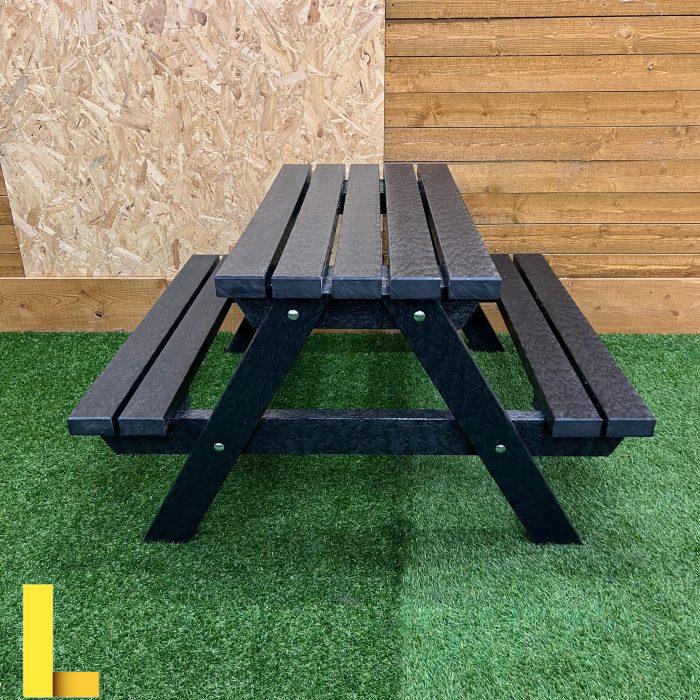
Composite picnic tables stand out not only for their durability and low maintenance but also for their remarkable adaptability in design and aesthetic appeal. This versatility allows them to seamlessly integrate into a wide array of environments, from natural landscapes to modern urban settings, offering solutions that traditional materials often cannot match. The ability to craft diverse forms and finishes makes composite materials a prime choice for designers and consumers seeking both functionality and visual harmony.The inherent properties of composite materials enable a broad spectrum of design possibilities, moving beyond mere functional structures to become integral elements of a space’s overall aesthetic.
This section delves into the rich array of aesthetic finishes, the comparison of design flexibility with traditional materials, specific scenarios where different styles excel, and conceptual designs that highlight the material’s potential.
Diverse Aesthetic Finishes and Color Palettes
Composite outdoor tables offer an impressive array of aesthetic finishes and color palettes, providing designers with extensive creative freedom. These materials can be engineered to mimic the natural beauty of traditional substances or to present entirely new, modern looks.A significant advantage lies in their ability to replicate natural materials with remarkable fidelity, ensuring that outdoor spaces retain a connection to nature while benefiting from enhanced performance.
- Wood-Look Finishes: Composite tables can emulate various wood species, from the rich, deep tones of mahogany and walnut to the lighter, weathered appearance of reclaimed barn wood or cedar. Textures can also be incorporated to mimic wood grain, offering a tactile experience that closely resembles real timber. Examples include finishes that replicate “weathered oak” for a rustic appeal or “dark cherry” for a more formal setting.
- Stone-Look Finishes: For those seeking the gravitas and texture of stone, composites can be formulated to mimic granite, slate, concrete, or marble. These finishes often include subtle flecks or veining, providing depth and authenticity. A “charcoal granite” finish, for instance, offers a sophisticated, robust appearance, while a “light travertine” finish can brighten a space with an earthy elegance.
Beyond natural imitations, composite materials excel in offering contemporary and abstract aesthetic options, allowing for bold statements or minimalist integration.
- Solid Colors: A vast spectrum of solid colors is available, from vibrant hues like “ocean blue” or “lime green” that inject energy into a space, to muted, sophisticated tones such as “matte black,” “pure white,” or various shades of gray. These colors are often UV-stabilized, ensuring long-lasting vibrancy without significant fading over time, a common issue with painted traditional materials.
- Textured and Metallic Effects: Composites can be given unique textures, such as a subtle matte finish, a high-gloss sheen, or even a brushed metallic effect. A “brushed aluminum” composite finish can provide a sleek, industrial look without the weight or thermal conductivity of actual metal, while a “satin charcoal” finish offers a sophisticated, understated elegance.
Design Flexibility Comparison
The design flexibility of composite materials for outdoor tables significantly surpasses that of many traditional options, primarily due to their moldability and consistency. This allows for greater innovation in shapes, sizes, and the integration of features. The following table illustrates this comparison across key design attributes.
The table below provides a clear comparison of design flexibility between composite and traditional materials, highlighting how composites offer superior adaptability for various outdoor table requirements.
| Feature | Composite Table | Wood Table | Metal Table |
|---|---|---|---|
| Shapes | Highly versatile; easily molded into complex geometric forms (e.g., hexagons, organic curves, custom asymmetrical designs), and seamless, fluid shapes. | Limited to shapes achievable by cutting and joining planks (e.g., rectangles, squares, circles, ovals). Complex curves are difficult and costly. | Moderate versatility; can be cut, bent, and welded into various shapes, but complex curves or seamless forms often require specialized machinery and high costs. |
| Sizes | Excellent flexibility; can be manufactured in virtually any custom dimension, from compact bistro tables to expansive communal dining surfaces, often with fewer visible seams. | Good flexibility for standard sizes, but very large or custom dimensions can be limited by timber availability, warping risks, and structural integrity without extensive reinforcement. | Good flexibility; large tables are possible through welding sections, but can be heavy and require robust support structures. Custom sizes are generally feasible. |
| Integrated Features | Superior integration; features like umbrella holes, built-in seating, cable management, or recessed areas can be seamlessly molded directly into the table during manufacturing. | Features are typically added post-construction by drilling or attaching, which can compromise structural integrity or aesthetic flow, and may require additional sealing. | Features are added by cutting, drilling, or welding, which can be visible, create potential weak points, or require specific finishing treatments to prevent rust or sharp edges. |
| Molding Capabilities | Exceptional; allows for intricate details, seamless edges, complex contours, and even hollow core designs for reduced weight without sacrificing strength. | Limited to carving and joint work; complex three-dimensional forms are highly labor-intensive and expensive. | Good for bending and stamping, but seamless, organic forms are challenging and expensive to achieve without visible welds or joints. |
Scenarios for Different Design Styles
The adaptable nature of composite tables means their design can be specifically tailored to complement and enhance various environments, from public spaces to private residences. Understanding these applications helps in selecting the most appropriate style.Different design styles of composite tables are best suited for particular environments, leveraging their aesthetic and functional advantages.
- Urban Parks and Public Spaces: For these high-traffic areas, composite tables designed with durability and ease of maintenance in mind are paramount. Styles often lean towards robust, perhaps minimalist designs with a modern or industrial aesthetic. Finishes mimicking dark concrete, weathered steel, or solid, deep grays and blacks are common. These designs often feature clean lines, robust pedestals, and anti-graffiti coatings, blending seamlessly with contemporary urban infrastructure while resisting vandalism and heavy use.
- Residential Patios and Gardens: In home settings, the focus shifts to comfort, personal style, and integration with the surrounding architecture and landscape. Wood-look composites, replicating the warmth of teak or the rustic charm of distressed oak, are highly popular, offering a natural feel without the maintenance. Lighter color palettes, such as sandy beige, soft gray, or even vibrant pastels, can complement garden flora or contemporary home designs.
Styles range from classic farmhouse designs to sleek, modern outdoor dining sets, often featuring integrated seating or subtle decorative elements.
- Commercial Outdoor Dining Areas (Cafes, Restaurants): For commercial establishments, composite tables need to be visually appealing, easy to clean, and capable of withstanding frequent use and diverse weather conditions. Here, a wide range of styles can be employed to match the brand’s aesthetic. Bright, bold colors might be used for a casual, energetic cafe, while elegant stone-look finishes (like polished granite or marble composites) could elevate a high-end restaurant’s patio.
Designs prioritize stability, ergonomic comfort, and stackability for efficient storage, often incorporating features like umbrella holes or easily accessible surfaces.
Modern, Minimalist Composite Outdoor Table Concept, Composite picnic tables
A modern, minimalist composite outdoor table can achieve a striking presence through refined simplicity, leveraging the material’s ability to create seamless forms and precise lines. This concept emphasizes purity of form and understated elegance.Consider a design featuring a slim, rectangular tabletop, approximately 8 feet long and 3 feet wide, crafted from a single, continuous piece of composite material. The tabletop itself would appear to float, with a subtle bevel along its underside edges, creating a visually lighter profile.
The surface would be a smooth, matte charcoal gray, perhaps with a very fine, almost imperceptible texture that diffuses light rather than reflecting it brightly, giving it a sophisticated, tactile quality.The table’s support structure would consist of two inverted “L” shaped legs, positioned at each end, flush with the tabletop’s edges. These legs would be crafted from the same composite material, in the identical matte charcoal gray, ensuring a monolithic appearance.
The joinery between the legs and the tabletop would be entirely concealed, achieved through advanced bonding techniques or integrated molding, giving the impression that the table is carved from a single block. The interior corners of the “L” legs would feature a gentle radius, softening the otherwise sharp, geometric lines. The overall impression would be one of effortless stability and contemporary grace, a functional sculpture that enhances any modern outdoor space.
Composite picnic tables are fantastic for any patio, offering weather resistance and minimal upkeep. Their enduring quality aligns with the desire for durable outdoor gear, much like choosing a reliable ocean kayak malibu two tandem sit on top recreational kayak 2 for leisurely water excursions. Ultimately, the smart investment in composite picnic tables provides years of hassle-free outdoor enjoyment.
Integrating Additional Features
The inherent moldability and structural integrity of composite materials make them exceptionally well-suited for integrating a variety of additional features directly into the table design. This capability enhances both functionality and user experience, often resulting in a more cohesive and durable product compared to add-on solutions.The integration of features into composite table designs is streamlined due to the material’s properties, allowing for precision and durability.
- Umbrella Holes: These can be seamlessly molded into the tabletop during the manufacturing process, ensuring a perfectly circular and reinforced opening. This eliminates the need for post-production drilling, which can compromise the material’s finish or structural integrity in traditional tables. Composite umbrella holes can also be designed with integrated caps for a flush finish when not in use.
- Built-in Seating: Composite materials allow for the creation of unified picnic table sets where benches are structurally integrated with the table. This means the entire unit is a single, robust piece, reducing assembly time and enhancing stability. Designs can range from attached benches that cantilever from the table frame to fully integrated seating units that form part of the table’s overall aesthetic.
- Accessibility Modifications: Designing for inclusivity is greatly facilitated by composites. Tables can be molded with extended overhangs at one or both ends to comfortably accommodate wheelchairs, ensuring sufficient knee and toe clearance. Custom heights can also be achieved without complex modifications. Additionally, subtle integrated handholds or support bars can be molded into the table’s edges or legs for individuals requiring extra assistance.
- Integrated Storage and Utility: Recessed compartments for condiments, napkins, or even small waste bins can be molded directly into the tabletop or side panels. For commercial applications, composite tables can include concealed channels for power cables, USB charging ports, or even integrated LED lighting, making them highly functional for modern outdoor environments.
Installation, Care, and Long-Term Value

The selection of outdoor furniture extends beyond initial aesthetics and material properties; it significantly involves practical considerations such as installation ease, routine maintenance, and the overall long-term investment. Composite picnic tables distinguish themselves in these areas, offering a streamlined experience from setup to years of enjoyment, alongside a compelling value proposition that often surpasses traditional materials.Understanding the practical aspects of composite tables ensures that owners can fully leverage their benefits, from simple assembly to minimal upkeep, ultimately contributing to a lasting and satisfying outdoor living experience.
Composite picnic tables are celebrated for their remarkable longevity and minimal upkeep, providing a sustainable solution for outdoor seating. However, for situations demanding unparalleled stability and resistance to severe conditions, a robust concrete picnic table often proves to be the ultimate selection. Nevertheless, the modern composite table continues to excel, offering a comfortable, splinter-free experience with sophisticated designs for diverse environments.
This section delves into the specifics of setting up, maintaining, and evaluating the enduring worth of composite picnic tables.
Typical Installation Process
The installation of composite outdoor tables is generally straightforward, designed for efficient assembly and placement without requiring specialized tools or extensive expertise. Most composite tables arrive in a modular fashion, allowing for a systematic approach to construction that quickly transitions from boxed components to a fully functional outdoor centerpiece.The following steps Artikel a typical installation process, ensuring a stable and ready-to-use picnic table:
- Unpacking and Inventory: Carefully unbox all components and verify against the provided parts list. Ensure all hardware, such as bolts, nuts, and washers, is present.
- Tool Gathering: Assemble the necessary tools, which typically include a wrench (often provided), a screwdriver, and potentially a rubber mallet for gentle tapping if components are snug.
- Frame Assembly: Begin by assembling the table frame, which usually involves attaching the leg structures to the main support beams. Follow the manufacturer’s instructions closely, ensuring all connections are secure but not overtightened initially.
- Tabletop Attachment: Once the frame is stable, carefully position the composite tabletop onto the assembled base. Align pre-drilled holes and secure the tabletop using the provided fasteners. This step often benefits from a second person to help with alignment and stability.
- Bench Assembly (if applicable): For tables with integrated or separate benches, follow a similar process to attach the bench seats to their respective frames or supports, ensuring they are level and secure.
- Final Tightening: Once all components are in place and aligned, go back and firmly tighten all bolts and screws. Avoid overtightening, which can strip threads or stress the material.
- Placement and Leveling: Move the assembled table to its desired outdoor location. Check for stability and levelness. If the ground is uneven, consider using shims under the legs or adjusting any integrated leveling feet to prevent wobbling.
Routine Care and Cleaning Procedures
Maintaining the pristine appearance and structural integrity of composite outdoor tables is remarkably simple, largely due to their inherent resistance to common outdoor challenges. Unlike traditional materials that may demand frequent treatments or repairs, composite surfaces are designed for minimal intervention, allowing owners more time to enjoy their outdoor spaces.A consistent yet simple cleaning regimen will ensure your composite table remains an inviting and attractive fixture for years to come:
- Regular Wiping: For everyday dust, pollen, or light spills, a quick wipe-down with a damp cloth or sponge is usually sufficient. This prevents accumulation and keeps the surface looking fresh.
- Mild Soap and Water Cleaning: For more persistent dirt or general grime, prepare a solution of warm water and a mild dish soap. Apply with a soft-bristled brush or sponge, gently scrubbing the surface in a circular motion.
- Rinsing Thoroughly: After cleaning, rinse the entire table thoroughly with clean water using a garden hose on a low-pressure setting. Ensure all soap residue is removed to prevent streaking or film buildup.
- Spot Treatment for Stains: For tougher stains like food spills, grease, or mildew, a diluted solution of bleach (e.g., 1 part bleach to 10 parts water) or a specialized composite deck cleaner can be used. Always test in an inconspicuous area first and follow the product’s instructions. Rinse immediately and thoroughly after application.
- Avoid Abrasive Cleaners and Tools: Harsh chemicals, abrasive scrubbers, steel wool, or high-pressure washers can damage the surface of composite materials, leading to scratches or discoloration. Stick to soft brushes, cloths, and mild cleaning agents.
- Winter Storage (Optional): While composite tables are designed to withstand various weather conditions, covering them during harsh winter months or storing them in a sheltered area can further extend their lifespan and maintain their aesthetic appeal.
Long-Term Cost of Ownership Comparison
When evaluating outdoor furniture, the initial purchase price is only one part of the financial equation; the long-term cost of ownership, encompassing maintenance and potential replacement, often reveals the true value. Composite tables, despite sometimes having a higher upfront cost than their wooden counterparts, typically offer significant savings over their lifespan due to their durability and minimal maintenance requirements.This comparison highlights the financial advantages of investing in composite tables over traditional wood:
| Cost Factor | Composite Table | Wood Table |
|---|---|---|
| Initial Investment | Moderate to High (reflects advanced materials and manufacturing) | Low to Moderate (can vary widely based on wood type and craftsmanship) |
| Annual Maintenance Costs | Very Low (minimal cleaning supplies, occasional mild soap) | High (annual sealing/staining, pest treatments, sanding, repair of rot/splinters) |
| Maintenance Frequency | Infrequent (periodic cleaning as needed) | Frequent (yearly or bi-yearly sealing/staining, regular inspections) |
| Replacement Frequency | Very Low (lifespan often 15-25+ years, or longer with proper care) | High (5-10 years for untreated/poorly maintained wood, 10-15 years for well-maintained quality wood) |
| Resale Value | Moderate to High (retains value due to durability and low maintenance) | Low to Moderate (depends heavily on condition, wood type, and age) |
| Total Cost Over 15 Years | Lower (initial cost + minimal cleaning) | Higher (initial cost + significant cumulative maintenance + potential replacement) |
“Investing in composite outdoor furniture represents a commitment to long-term value, where upfront costs are offset by significant savings in maintenance and replacement over decades.”
Family Enjoyment and Aesthetic Appeal
Imagine a vibrant, sun-drenched garden on a clear summer afternoon, where laughter and conversation fill the air. At the heart of this idyllic scene stands a composite outdoor table, a testament to modern design and practical elegance. The table, with its sleek, unblemished surface in a rich, deep charcoal gray, offers a striking contrast to the lush green lawn and the colorful blooms of surrounding flowerbeds.
Its clean lines and minimalist form blend seamlessly with the natural environment, providing a sophisticated yet inviting focal point.Around the table, a family of four is gathered, enjoying a leisurely picnic lunch. A mother and father are seated on the integrated benches, engaged in cheerful conversation, while their two young children, a boy and a girl, are happily sharing a plate of fresh fruit.
The table’s surface, resistant to spills and scratches, remains spotless, reflecting the bright sky. There are no signs of wear, fading, or splintering, underscoring the material’s durability and low-maintenance appeal. The family’s relaxed postures and the bright, welcoming atmosphere emphasize the comfort and functionality the table provides, making it an integral part of their cherished outdoor moments. This illustration captures not just a piece of furniture, but a hub of family activity, radiating an aura of enduring quality and effortless style.
Extended Lifespan and Resale Value
The extended lifespan and robust resale value of composite outdoor tables are key factors that solidify their position as a durable and wise investment for any homeowner. These attributes stem directly from the advanced engineering and material properties inherent in composite construction, which fundamentally outperform traditional wood in many critical areas.Several factors contribute to their exceptional longevity and sustained market appeal:
- Superior Material Composition: Composite materials are engineered from a blend of recycled plastics and wood fibers, creating a dense, non-porous product that is inherently resistant to moisture absorption, rot, and decay. This prevents common issues like warping, cracking, and splintering that plague natural wood over time.
- Pest Resistance: Unlike wood, which is susceptible to termites, carpenter ants, and other wood-boring insects, composite tables offer no nutritional value to pests, effectively eliminating the need for costly and recurring pest treatments.
- UV Stability: High-quality composite tables are manufactured with UV inhibitors integrated into the material, providing excellent resistance to fading and discoloration from prolonged sun exposure. This ensures the table retains its aesthetic appeal for many years without the need for regular staining or painting.
- Weather Endurance: Composite materials are designed to withstand extreme weather conditions, from intense heat and humidity to freezing temperatures and heavy snow. They do not expand or contract significantly with temperature changes, maintaining their structural integrity and appearance.
- Low Maintenance Requirement: The minimal need for maintenance directly translates to a longer effective lifespan. Without the constant cycle of sanding, sealing, painting, or repairing, the material is less subjected to wear and tear from maintenance processes themselves, preserving its original condition.
- Consistent Appearance: The uniform composition of composite materials means that their color and texture are consistent throughout, and they do not develop knots, splits, or other natural imperfections that can weaken wood or detract from its appearance over time.
- Strong Resale Market: Due to their reputation for durability, low maintenance, and sustained aesthetic quality, composite outdoor tables tend to hold their value well. Homebuyers and those seeking used furniture often prioritize items that require minimal upkeep and offer long-term reliability, making composite tables an attractive second-hand purchase.
Last Point

In conclusion, composite picnic tables stand out as an exemplary choice for modern outdoor spaces, effectively combining cutting-edge material science with practical design. Their superior durability, extensive aesthetic options, and minimal maintenance requirements not only offer immediate visual appeal but also promise significant long-term value and environmental responsibility. Investing in these tables means choosing a future-proof solution that enhances any setting while enduring the test of time and elements with remarkable grace.
FAQ Corner
Are composite picnic tables truly eco-friendly?
Yes, many composite materials utilize recycled plastics and sustainable wood fibers, significantly reducing landfill waste and demand for virgin timber, making them an environmentally conscious choice.
Can composite tables be painted or stained?
Generally, composite tables do not require painting or staining as their color is integrated throughout the material. Attempting to paint them might void warranties and could lead to peeling or an uneven finish.
How do composite tables handle extreme temperatures?
High-quality composite tables are engineered to perform well across a broad range of temperatures, resisting warping, cracking, or fading due to heat or cold. However, extreme, prolonged heat might cause minor expansion.
Are composite tables heavy and difficult to move?
While composite materials are denser than some woods, tables are designed for stability. Their weight varies by size and design, but they are generally manageable for assembly and placement, often requiring two people for larger models.
Do composite tables scratch easily?
Composite surfaces are quite resistant to scratches and abrasions from everyday use. Minor scuffs can often be buffed out, and their integrated color helps hide any deeper marks compared to painted or stained surfaces.

