

Recreating wedding photos offers a delightful journey back in time, allowing couples to revisit their most cherished day with a fresh, contemporary perspective. This unique endeavor transforms beloved memories into new experiences, blending nostalgia with creativity to produce heartwarming and often humorous results. It’s more than just a photoshoot; it’s an opportunity to celebrate enduring love and create new, unforgettable moments.
The process begins with careful planning and conceptualization, where couples select original wedding photos based on emotional significance, pose, and location. This foundational step is crucial for setting the tone, whether aiming for a humorous, sentimental, or artistic recreation. Essential preparations follow, encompassing wardrobe, props, and setting adjustments, ensuring a harmonious blend with the original imagery or an intentional, playful contrast.
Furthermore, involving family and friends adds a layer of shared joy and authenticity to the entire experience, making it a truly collective celebration.
Planning and Conceptualization for Photo Recreations: Recreating Wedding Photos

Embarking on the journey of recreating cherished wedding photos requires meticulous planning and a clear vision. This initial phase is crucial for ensuring the project is not only feasible but also results in meaningful and visually engaging images that honor the original while potentially adding a contemporary twist. Thoughtful conceptualization lays the groundwork for a successful and enjoyable experience for everyone involved.
Selecting Original Wedding Photos for Recreation
The first step in this exciting endeavor involves a careful review of your original wedding album to identify the perfect candidates for recreation. This process is more than just picking pretty pictures; it’s about finding those iconic moments that resonate deeply and offer creative potential for a modern interpretation.When selecting photos, several factors should be thoroughly considered:
- Pose: Evaluate the original poses for their distinctiveness and replicability. Some poses are universally recognized and easily mimicked, while others might be unique to the moment. Consider if the pose can be faithfully recreated, or if a slight adaptation would enhance its modern rendition. For instance, a classic bridal portrait might be easy to replicate, whereas a dynamic action shot might require more coordination.
- Location: Assess the original setting of the photographs. Is the location still accessible, or has it changed significantly over time? If the original venue is no longer available, consider finding a similar backdrop that evokes the same ambiance or architectural style. For example, if the original was taken in a historic garden, a local botanical garden might serve as an excellent substitute.
- Emotional Significance: Prioritize photos that hold profound personal meaning. These are often the images that capture a specific emotion, a significant glance, or a tender interaction. Recreating these shots allows you to revisit and celebrate those powerful memories, adding new layers of sentiment with the passage of time and the growth of your relationship or family.
- Technical Feasibility: Consider the practical aspects of recreating the image, such as lighting conditions, time of day, and the availability of similar props or backdrops. While some elements can be simulated, a realistic assessment of what can be achieved with current resources is vital for managing expectations.
Creative Themes and Scenarios for Modern Recreations
Once the original photos are selected, the next exciting phase involves conceptualizing the creative direction for their modern recreations. This is where you can infuse personality and contemporary elements, transforming a simple re-shoot into a unique artistic statement. There are various approaches, each offering a distinct flavor to the final outcome.Consider these creative themes and scenarios to guide your recreation process:
- Humorous Approaches: These recreations aim to bring a smile, often through playful exaggeration or unexpected contrasts.
- Exaggerating original poses with comedic expressions or over-the-top gestures.
- Introducing anachronistic elements, such as a smartphone in a vintage setting, or a modern casual outfit in a formal wedding scene.
- Role reversal, where participants swap traditional wedding roles or outfits for a lighthearted effect, like the groom wearing the veil.
- Incorporating pets in amusing ways, perhaps having them “photobomb” a serious original pose.
- Sentimental Approaches: Focused on evoking warmth, nostalgia, and the enduring nature of love, these recreations emphasize emotional depth.
- Striving for an exact replica of the original pose, wardrobe, and location to highlight the passage of time and the continuity of love.
- Including children or grandchildren in the same poses as the original couple, symbolizing the family’s growth and legacy.
- Revisiting the exact original location to rekindle memories and capture the present moment in the same meaningful space.
- Focusing on tender, intimate close-ups that emphasize the couple’s enduring connection and affection.
- Artistic Approaches: These recreations explore creative photographic techniques and stylistic interpretations to offer a fresh, often dramatic, perspective.
- Experimenting with different lighting techniques, such as dramatic shadows, silhouettes, or selective focus, to add a contemporary artistic flair.
- Utilizing unique photographic effects like black and white conversion, sepia tones, or color grading to create a distinct mood.
- Abstracting elements of the original image while retaining its core essence, perhaps by focusing on a specific detail or emotion.
- Incorporating subtle modern art references or contemporary design elements that blend seamlessly with the original’s composition.
Preparations for Wardrobe, Props, and Setting
The success of your photo recreations hinges significantly on the meticulous preparation of wardrobe, props, and the chosen setting. These elements are critical in either faithfully matching the original aesthetic or deliberately creating a compelling contrast. Careful attention to detail in this stage ensures authenticity and visual impact.When planning these essential components, consider the following:
- Wardrobe: The choice of attire sets the tone for the recreation. You might opt for an exact match, which could involve sourcing similar fabrics, colors, or even attempting to fit into the original wedding garments if they are still available and suitable. Alternatively, an intentional contrast can be highly effective, such as wearing casual modern clothes to recreate a formal wedding portrait, or dressing in a themed costume that adds a humorous or artistic layer.
Ensure that all wardrobe choices are comfortable for the participants, allowing for natural movement and expressions during the shoot.
- Props: Identify any key props featured in the original photographs, such as the bridal bouquet, wedding rings, specific accessories, or even a particular vehicle. The goal is to source items that closely resemble these originals or to create modern interpretations. For instance, a vintage bouquet could be replaced with a contemporary floral arrangement, or a classic car could be updated to a modern equivalent.
For humorous or artistic recreations, consider introducing new, unexpected props that create a delightful juxtaposition with the original scene.
- Setting: The backdrop plays a crucial role in framing your recreated images. If aiming for a faithful recreation, every effort should be made to find the exact original location. If this is not possible, seek out a location that shares similar architectural characteristics, natural elements, or overall ambiance. For a contrasting effect, choose a completely different environment that highlights the passage of time or creates a comedic juxtaposition, such as recreating a solemn church ceremony pose in a bustling urban park.
Always consider the practicalities of the chosen setting, including lighting conditions, accessibility, and any necessary permits or permissions.
“The essence of a memorable photo recreation lies not just in mimicry, but in the thoughtful infusion of new meaning through intentional wardrobe, prop, and setting choices.”
Involving Family Members or Friends
Transforming wedding photo recreations into a truly special and memorable event often involves the participation of family members or close friends. Their involvement can add depth, humor, and a sense of shared history to the project. Ensuring their comfort and enthusiasm is paramount for a smooth and enjoyable experience for everyone.To effectively involve your loved ones, consider these strategies:
- Early Communication and Vision Sharing: Begin by openly discussing the concept and vision for the photo recreations with potential participants well in advance. Explain the emotional significance of the project, the fun aspects of revisiting old memories, and how their involvement would make it even more special. Providing examples of successful recreations can help them visualize the outcome.
- Prioritizing Comfort and Enthusiasm: It is crucial to respect individual comfort levels. Not everyone may feel at ease recreating specific poses, wearing certain outfits, or being the center of attention. Offer alternatives or adjust the scope of the project to accommodate their preferences. Frame the entire process as a fun, lighthearted activity rather than a demanding task. Creating a relaxed atmosphere with music, snacks, and plenty of laughter can significantly boost morale.
- Assigning Inclusive Roles: Even if some family members or friends prefer not to be directly in front of the camera, they can still be actively involved. Assign them roles such as “prop master,” “mood setter” (responsible for music or refreshments), or even “behind-the-scenes photographer” to capture candid moments of the recreation process. This fosters a sense of inclusion and shared purpose.
- Managing Expectations and Appreciation: Clearly communicate the schedule, what is expected from each person, and the estimated duration of the shoot to avoid any confusion or frustration. After the recreation, express genuine gratitude for their time and effort. Promptly sharing the final recreated photos with everyone involved is a wonderful way to show appreciation and allow them to relive the fun.
Execution and Photography Techniques for Recreated Moments

Executing the recreation of wedding photographs demands meticulous attention to detail, blending artistic vision with technical precision. This phase is where planning translates into tangible results, requiring a deep understanding of lighting, composition, and camera mechanics to faithfully capture the essence and aesthetic of the original images. The goal is not merely to copy, but to evoke the same emotional resonance and visual style, ensuring the recreated moments stand as a beautiful homage to the past.
Staging the Recreated Scenes
Effective staging is fundamental to achieving authentic photo recreations, requiring a methodical approach to ensure every element aligns with the original photograph. This step-by-step guide Artikels the critical considerations for lighting, angles, and subject positioning to bring the old photos back to life.
- Analyze the Original Photo’s Composition: Begin by thoroughly studying the original image. Identify the primary subjects, background elements, foreground details, and the overall depth of field. Note the direction and quality of light, the camera’s angle relative to the subjects, and the specific expressions or poses. This initial analysis forms the blueprint for your staging.
- Location and Prop Matching: Select a location that closely mirrors the original setting. If the exact location is unavailable, find a spot with similar architectural features, natural backdrops, or environmental characteristics. Gather props that are identical or very similar to those in the original photo, paying attention to color, texture, and scale. For instance, if the original features a vintage car, securing a similar model or a prop that conveys the same era is crucial.
- Lighting Replication: Lighting is paramount for mood and authenticity.
-
Natural Light: If the original was taken outdoors, observe the time of day and weather conditions to replicate the natural light. Golden hour (shortly after sunrise or before sunset) provides soft, warm light, while midday sun creates harsher shadows.
Use diffusers or reflectors to soften direct sunlight or add fill light as needed.
- Artificial Light: For indoor or controlled environments, analyze the original photo for light sources. Was it a window, a lamp, or a flash? Position studio strobes or continuous lights to mimic the direction, intensity, and quality (hard or soft) of the original light. Gels can be used to match color temperature.
-
Natural Light: If the original was taken outdoors, observe the time of day and weather conditions to replicate the natural light. Golden hour (shortly after sunrise or before sunset) provides soft, warm light, while midday sun creates harsher shadows.
- Subject Positioning and Posing: Guide your subjects to replicate the exact positions, postures, and expressions from the original photo.
-
Angles and Lines: Pay close attention to the angles of their bodies, the tilt of their heads, and the placement of their hands and feet.
Use reference points in the background or foreground to ensure accurate spatial relationships.
- Expressions: Coach subjects to capture the same emotion – a joyful laugh, a tender gaze, a contemplative look. Sometimes, showing them the original photo on a screen can help them internalize the pose and emotion.
-
Angles and Lines: Pay close attention to the angles of their bodies, the tilt of their heads, and the placement of their hands and feet.
- Camera Angle and Lens Choice: Position your camera at the identical height and angle as the original photographer. Experiment with different focal lengths to match the perspective. A wider lens might be needed for expansive scenes, while a telephoto lens can compress perspective, similar to older lenses. Often, older photos might exhibit slight lens distortion; replicating this with a similar focal length or even post-processing can enhance authenticity.
Overcoming Photography Challenges in Mimicking Old Photos
Recreating vintage photographs often presents unique hurdles, from matching archaic photographic characteristics to navigating modern equipment limitations. Addressing these challenges effectively ensures a more faithful and convincing recreation.
-
Challenge: Matching Grain and Texture of Film Photography. Old film photographs inherently possess a certain grain structure and texture that digital sensors, with their clean, high-resolution output, often lack.
- Solution: Utilize post-processing software (e.g., Adobe Lightroom, Photoshop) to add a realistic film grain overlay. Experiment with different grain types and intensities to match the original. Additionally, some photographers use specific presets or plugins designed to emulate various film stocks.
- Challenge: Replicating Color Shifts and Fades. Over decades, physical prints and negatives can experience color shifts, fading, or yellowing due to light exposure and chemical processes.
-
Solution: Carefully analyze the color palette of the original photo. Use color grading tools in post-processing to adjust hues, saturation, and luminance.
Applying a subtle sepia tone, desaturating specific colors, or adding a warm color cast can mimic the aged look. Reference the original image side-by-side during editing for accuracy.
-
Solution: Carefully analyze the color palette of the original photo. Use color grading tools in post-processing to adjust hues, saturation, and luminance.
- Challenge: Dealing with Different Lens Characteristics. Modern lenses are often sharper, with better chromatic aberration control and less distortion than vintage lenses.
-
Solution: Consider using vintage lenses with modern camera bodies via adapters. These lenses naturally introduce characteristics like softer focus, unique bokeh, and specific distortions that can closely match older photos.
If using modern lenses, a slight softening in post-processing or the addition of subtle lens flares can help.
-
Solution: Consider using vintage lenses with modern camera bodies via adapters. These lenses naturally introduce characteristics like softer focus, unique bokeh, and specific distortions that can closely match older photos.
- Challenge: Dynamic Range Discrepancies. Older film often had a different dynamic range compared to modern digital sensors, sometimes leading to clipped highlights or crushed shadows in specific conditions.
-
Solution: When shooting, aim for a balanced exposure that captures detail in both highlights and shadows.
In post-processing, intentionally adjust the black and white points to mimic the limited dynamic range of the original. For example, slightly crushing the blacks or blowing out subtle highlights can add to the vintage feel, but always do so judiciously to maintain key details.
-
Solution: When shooting, aim for a balanced exposure that captures detail in both highlights and shadows.
Optimal Camera Settings for Various Lighting Conditions, Recreating wedding photos
Selecting the appropriate camera settings is critical for capturing the desired mood and technical quality in recreated wedding photos, adapting to the specific lighting conditions encountered during the shoot. The following table provides a general guide for aperture, shutter speed, ISO, and white balance across different scenarios.
Recreating your cherished wedding photos is a delightful way to revisit those special moments, ensuring the magic endures. Just as specialized equipment often requires specific inputs, like 90 recreational fuel for peak performance, careful planning ensures your recreated photos capture that original joy and perfection all over again.
Achieving a faithful recreation often hinges on the nuanced application of camera settings, which must be adjusted to match the light present during the shoot while also considering the characteristics of the original photograph. This table offers a foundational approach to setting your camera.
| Lighting Condition | Aperture (f-stop) | Shutter Speed | ISO | White Balance |
|---|---|---|---|---|
| Bright Daylight (Outdoor, Sunny) | f/8 – f/16 (for sharp details, deep DOF) | 1/250 – 1/1000 sec (to freeze motion, prevent overexposure) | 100 – 200 (lowest possible for cleanest image) | Daylight / Sunny (5200K – 6000K) |
| Overcast / Open Shade (Outdoor) | f/4 – f/8 (for good subject isolation, moderate DOF) | 1/125 – 1/500 sec (to manage softer light) | 200 – 400 (slightly higher to compensate for less light) | Cloudy / Shade (6500K – 8000K) |
| Indoor (Natural Window Light) | f/2.8 – f/5.6 (for shallow DOF, maximize light) | 1/60 – 1/250 sec (depending on light intensity and desired motion blur) | 400 – 1600 (variable, higher to maintain shutter speed) | Daylight / Auto (adjust for specific window light color) |
| Indoor (Low Light / Artificial) | f/1.8 – f/4 (widest possible for maximum light gathering) | 1/30 – 1/125 sec (use tripod for slower speeds if possible) | 1600 – 6400+ (high ISO is often necessary, manage noise in post) | Tungsten / Fluorescent / Custom (match specific light source) |
“The camera settings are merely tools; the true artistry lies in how they are manipulated to capture light and emotion, mirroring the past while embracing the present.”
Behind-the-Scenes Moments and Bloopers
Even the most meticulously planned photo recreations are fertile ground for unexpected and often humorous bloopers, adding a unique layer of memories to the experience. These unscripted moments, while sometimes challenging, contribute to the charm and narrative of the shoot.
During one recreation aiming to mimic a serene outdoor wedding portrait from the 1970s, the couple was positioned gracefully near a small pond, the bride’s veil flowing gently. Suddenly, a very enthusiastic golden retriever, belonging to a nearby homeowner, decided the veil was an excellent new toy. It bounded into the frame, playfully tugging at the delicate fabric, transforming the elegant pose into a chaotic, albeit hilarious, scramble to retrieve the veil.
The resulting “outtakes” featured genuine laughter and surprise, a stark contrast to the intended calm, but equally cherished by the couple.
Another instance involved recreating a formal indoor shot where the original featured a grand, ornate chandelier. The team managed to source a similar-looking, albeit slightly smaller, prop chandelier to hang for the shot. As the photographer was fine-tuning the lighting, the string holding the prop chandelier decided it had had enough, sending the faux fixture crashing to the floor with a dramatic clatter.
Fortunately, no one was hurt, but the bride’s initial gasp quickly turned into uncontrollable giggles, providing a wonderfully candid reaction that, while not part of the original plan, became a memorable part of their recreated wedding album.
Then there was the attempt to recreate a candid shot of the original couple sharing a piece of wedding cake. The modern couple, keen to be authentic, had a replica cake prepared. As the groom playfully attempted to ‘smash’ a tiny piece into the bride’s face, a miscalculation in pressure resulted in a substantial portion of frosting landing squarely on his own nose and glasses.
The bride’s look of mock horror, followed by an eruption of laughter from both of them, perfectly encapsulated the joy and imperfection of real moments, even when trying to recreate perfection.
Post-Production and Sharing of Reimagined Wedding Photos
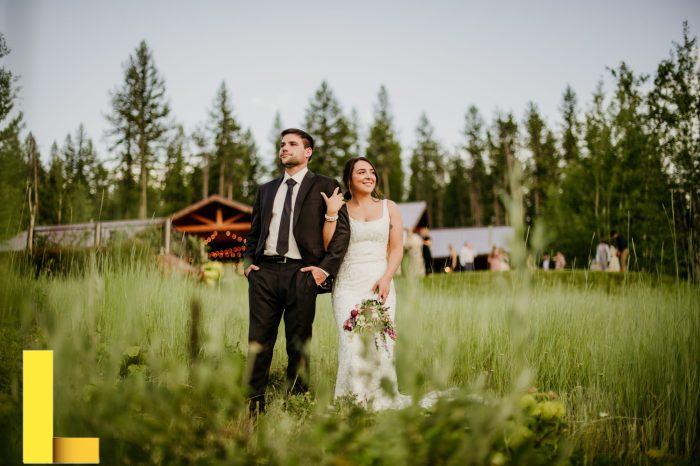
After the successful execution of the photo recreation, the journey continues into the crucial phases of post-production and sharing. This stage is where the magic truly happens, transforming raw captures into a cohesive narrative that honors the past while celebrating the present. Careful editing ensures the reimagined photos resonate with the original’s spirit, and thoughtful presentation amplifies their emotional impact, making the entire project a memorable experience for everyone involved.
Editing Techniques for Aesthetic Matching
Achieving a similar aesthetic to the original wedding photos is paramount in post-production, as it bridges the gap between different eras and photographic styles. This involves a meticulous approach to various editing techniques, ensuring the recreated images feel like a natural extension or echo of their predecessors, rather than merely modern imitations. The goal is to evoke the same mood, tone, and visual texture.
-
Color Grading: This is perhaps the most impactful technique for aesthetic matching. Analyzing the original photo’s color palette, including its white balance, saturation levels, and overall color cast, is the first step. For instance, many vintage photos exhibit warmer tones, a slight sepia tint, or desaturated colors. Modern editing software allows for precise adjustments to color temperature, tint, hue, and saturation to replicate these characteristics.
Tools like color mixers and HSL (Hue, Saturation, Luminance) sliders can fine-tune specific colors, while split toning can introduce subtle color casts into highlights and shadows, mimicking the chemical processes of older film stocks.
-
Cropping and Composition: While the initial shot aims to replicate the original composition, minor adjustments in post-production cropping can perfect the alignment and framing. This ensures that the recreated photo maintains the same visual weight and balance as the original. Sometimes, subtle cropping can eliminate distracting elements or bring the focus back to the primary subjects, enhancing the connection to the original’s intent.
-
Vintage Effects and Textures: To truly capture the essence of older photographs, applying vintage effects is often necessary. This includes adding a subtle grain or noise to mimic film texture, which can vary in intensity depending on the original film stock used. Vignetting, a darkening of the image edges, is another common characteristic of older lenses and can be added subtly to draw attention to the center.
Furthermore, introducing light leaks or subtle dust and scratch overlays can further enhance the antique feel, though these should be used judiciously to avoid an artificial appearance.
Recreating your wedding photos offers a wonderful trip down memory lane. Consider how locations such as the robinson township recreation center , with its diverse facilities, might provide an unexpected yet charming backdrop for updated anniversary pictures. This approach adds a contemporary flair to those beloved original wedding day moments.
-
Contrast and Brightness Adjustments: Older photos often have a specific dynamic range. Replicating this involves adjusting the contrast to match the original, which might mean slightly reducing it for a softer, more ethereal look, or increasing it for a more dramatic, punchy feel. Brightness adjustments ensure the overall exposure aligns, preventing the recreated photo from looking either too dark or overly bright compared to its counterpart.
Presentation Methods for Recreated Photos
Presenting the recreated photos alongside their originals is a powerful way to highlight the transformation and the emotional narrative. The method of presentation can significantly influence how viewers perceive the project, emphasizing either the continuity, the passage of time, or the delightful juxtaposition. Thoughtful presentation elevates the project from a simple photo collection to a compelling visual story.There are several effective methods for showcasing these unique photo projects, each offering a distinct viewing experience:
-
Side-by-Side Layouts: This is a straightforward and highly effective method. The original photo is placed directly next to its recreated version, allowing for immediate comparison of details, expressions, and overall aesthetic. This layout clearly demonstrates the fidelity of the recreation and the passage of time, making it easy for viewers to appreciate the effort and success of the project.
It is particularly effective in print albums and static digital galleries.
-
Animated Transitions: For digital platforms, animated transitions offer a dynamic and engaging way to present the photos. This could involve a slow dissolve from the original to the recreated photo, a “morphing” effect that subtly transforms one into the other, or a wipe transition. These animations create a sense of movement and evolution, visually narrating the journey from past to present and enhancing the nostalgic impact.
-
Overlay and Blend Modes: A more artistic approach involves overlaying the recreated photo directly onto the original, using blend modes or opacity adjustments to reveal elements of both simultaneously. This can create a ghostly, ethereal effect, symbolizing the lingering presence of the past within the present. It requires precise alignment but can yield incredibly poignant results, especially when focusing on specific details like faces or hands.
-
Interactive Sliders: For web-based galleries, an interactive slider where users can drag a vertical or horizontal bar across the image to reveal either the original or the recreation is highly engaging. This puts the control in the viewer’s hands, allowing them to discover the differences and similarities at their own pace, making the experience more personal and interactive.
-
Storytelling Sequence: Instead of strict side-by-side, presenting the photos in a narrative sequence can also be compelling. This might involve showing the original, then the recreated, followed by a close-up of a key detail from the recreation, perhaps interspersed with behind-the-scenes shots or text explaining the context. This method works well in blog posts or longer digital presentations.
Creating a Memorable Physical Photo Album or Digital Gallery
The final presentation format, whether a tangible album or an interactive digital gallery, plays a crucial role in preserving and sharing the reimagined wedding photos. Crafting a memorable collection requires thoughtful design and curation, transforming the individual images into a cohesive and emotionally resonant experience. The goal is to create an artifact that can be cherished and revisited for years to come.For a physical photo album:
-
Thematic Layouts: Design each spread to tell a mini-story. For instance, dedicate a page to a specific original photo and its recreation, perhaps with a smaller, accompanying text block. Consider grouping photos by location or pose. A common approach is to have the original on the left page and the recreation on the right, or to dedicate a full spread to each pair.
-
Quality Materials: Invest in a high-quality album with durable pages and a beautiful cover. Materials like linen, leather, or custom-printed hardcovers add to the album’s tactile appeal and longevity. Archival-quality paper ensures the prints resist fading over time, preserving the colors and details.
-
Personal Touches: Include handwritten notes, anecdotes about the recreation process, or quotes that resonate with the couple’s journey. Small mementos, like a pressed flower or a ribbon, could be carefully integrated if the album design allows. These personal elements transform a simple photo album into a cherished heirloom.
-
Introductory and Concluding Pages: Begin the album with a title page that introduces the project, perhaps with the original wedding date and the recreation date. Conclude with a page for reflections or a thank you message to those who participated.
For a digital gallery:
-
Intuitive Navigation: Design the gallery with clear and easy navigation. Categories could include “Originals,” “Recreations,” and “Side-by-Side Comparisons.” Ensure it’s accessible across various devices, from desktops to mobile phones.
-
Interactive Elements: Incorporate the animated transitions or interactive sliders discussed earlier. Allow viewers to zoom in on details or share their favorite images directly from the gallery. A comment section can foster engagement and allow others to share their appreciation.
-
Background Music and Video: Consider adding a subtle, nostalgic background music track that complements the photos. If behind-the-scenes video footage was captured, integrate short clips to provide context and show the fun of the recreation process.
-
Storytelling Text: Accompany each photo or section with descriptive text. Share the inspiration behind specific recreations, humorous anecdotes from the photoshoot, or heartfelt reflections on the meaning of the original photo. This adds depth and emotional resonance to the visual experience.
-
Password Protection: If the gallery contains very personal photos, offer an option for password protection, allowing the couple to share it selectively with family and close friends.
Designing Captions and Accompanying Stories for Sharing
When sharing these unique photo projects on personal platforms, the captions and accompanying stories are as vital as the images themselves. They provide context, evoke emotion, and invite viewers into the narrative, emphasizing the nostalgia and joy inherent in revisiting cherished memories. Well-crafted captions transform a simple photo post into a heartfelt communication, fostering deeper engagement and appreciation.Effective captions and stories for these projects should focus on:
-
Emphasizing Nostalgia: Begin by acknowledging the original moment. Phrases like “Throwback to [Year]!” or “A timeless memory from our wedding day…” immediately set a nostalgic tone. Highlight what made the original moment special and how it feels to revisit it.
“Thirty years ago, these two said ‘I do’ and embarked on an incredible journey. Recreating this iconic shot felt like stepping back in time, filled with so much love and laughter.”
Recreating your cherished wedding photos can be a wonderfully nostalgic experience. When seeking ideal, scenic backdrops for these special retakes, consider the fantastic options available through parks and recreation columbia mo. Their diverse natural settings offer the perfect environment to beautifully capture those updated, heartwarming renditions of your original wedding day memories.
-
Highlighting the Joy of Recreation: Share the fun and excitement of the recreation process. Mention specific humorous moments, challenges overcome, or the sheer delight of seeing the vision come to life. This makes the project relatable and enjoyable for the audience.
“Who knew trying to perfectly match a 1990s pose could be so much fun? The giggles were endless, and the result? Pure magic! So much joy in reliving this moment.”
-
Connecting Past and Present: Draw clear connections between the original and the new photo. Discuss what has changed and, more importantly, what has remained the same – the love, the bond, the spirit. This reinforces the enduring nature of their relationship.
“Same love, different decade. While the outfits (thankfully!) have changed, the sparkle in their eyes is just as bright. A beautiful testament to enduring love.”
-
Including Personal Anecdotes: Share a brief story behind the original photo, if known. What was happening? Who was there? What emotions were felt? For the recreation, mention who helped, where it was shot, or any funny incidents.
These personal touches make the story more intimate and engaging.
“This was taken right after their first dance, a moment of quiet reflection before the party truly kicked off. Recreating it, we felt that same serene happiness, only now with a few more wrinkles and a lot more wisdom!”
-
Engaging the Audience: Pose questions to encourage comments and interaction. For example, “Which one is your favorite?” or “What’s your favorite wedding memory?” Use relevant hashtags to increase visibility, such as #WeddingPhotoRecreation #ThenAndNow #AnniversaryGoals #TimelessLove #FamilyTradition.
-
Acknowledging Contributors: If friends or family helped with outfits, props, or photography, give them a shout-out. This fosters community and acknowledges their role in making the project a success.
Epilogue

Ultimately, recreating wedding photos is a deeply rewarding experience, bridging the past and present through thoughtful planning, meticulous execution, and creative post-production. From selecting the perfect original image to staging scenes with precision and sharing the reimagined collection, each step contributes to a vibrant narrative of enduring love and shared history. These unique projects not only preserve cherished memories but also forge new ones, leaving participants with a treasure trove of laughter, nostalgia, and beautiful, tangible reminders of their journey together.
It’s a testament to love’s lasting power, celebrated anew.
Commonly Asked Questions
Is recreating wedding photos expensive?
The cost varies widely depending on whether you hire a professional photographer, rent locations or props, and the complexity of your chosen theme. It can be done on a budget with DIY approaches or can involve significant investment for a high-end production.
Do we need to use the exact same location as the original photos?
Not necessarily. While using the original location adds a layer of authenticity, creative alternatives like similar settings, green screen techniques, or even abstract backdrops can be employed to capture the essence of the original image, especially if the original location is inaccessible.
What if some people from the original wedding photos are no longer available?
This is a common situation. You can choose to recreate photos that primarily feature the couple, or thoughtfully include new family members, friends, or even pets in their place. Some opt for artistic interpretations that subtly acknowledge the absence, focusing on the couple’s continued journey.
How long does a typical recreation photoshoot take?
The duration depends on the number of photos being recreated and their complexity. A simple recreation of a few key shots might take a couple of hours, while a more elaborate project with multiple scenes and wardrobe changes could extend to a full day or even multiple sessions.
Can we recreate photos from different life stages, not just the wedding day?
Absolutely! While the focus here is on wedding photos, the concept of recreating cherished moments extends beautifully to any significant life stage, such as childhood photos, engagement pictures, or family portraits. It’s a versatile and heartwarming trend.

