

Handicap picnic tables represent a vital component in fostering genuinely inclusive outdoor environments, ensuring that everyone, regardless of mobility challenges, can partake in shared meals and social gatherings in public spaces. This thoughtful integration transforms ordinary recreational areas into welcoming hubs, promoting equity and shared experiences for all community members.
These specially designed tables prioritize accessibility through meticulous engineering, incorporating essential features like ample clear ground space, optimal table heights, and sufficient knee clearance to comfortably accommodate wheelchair users. Beyond their functional design, the strategic choice of durable, low-maintenance materials further enhances their practicality and longevity, contributing significantly to community well-being by providing accessible outdoor dining and gathering options.
Enhancing Outdoor Inclusion and Community Spaces
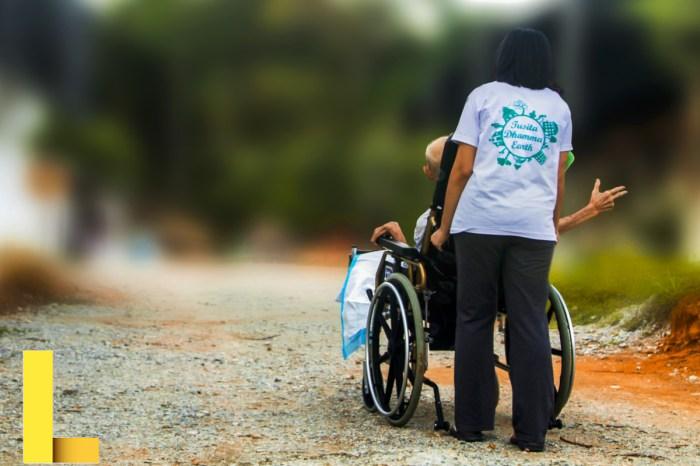
Accessible outdoor spaces are fundamental to fostering a truly inclusive society, ensuring that everyone, regardless of their mobility, can enjoy the benefits of nature and community interaction. Integrating accessible picnic tables into these environments is a crucial step towards breaking down physical barriers and promoting equitable access for all individuals.Accessible picnic tables play a pivotal role in creating outdoor environments where individuals with diverse mobility needs can participate fully and comfortably.
These specially designed tables, often featuring extended tops for wheelchair access or cut-outs for easier approach, transform what might otherwise be an exclusionary space into a welcoming gathering point. For instance, at a family reunion in a public park, a grandparent using a wheelchair can sit comfortably at the same table as their family members, rather than being relegated to the end or a separate spot.
During a school field trip, a student with a mobility impairment can join their classmates for lunch, fostering a sense of belonging and reducing feelings of isolation. Similarly, community festivals become genuinely inclusive when attendees with walkers or scooters can easily gather around a table to share a meal or conversation, promoting social engagement that might otherwise be hindered by inaccessible furniture.
The presence of these tables signifies a community’s commitment to equity, allowing individuals to enjoy outdoor dining, engage in recreational activities, and simply relax in nature without encountering unnecessary obstacles.
Handicap picnic tables are fundamental for promoting inclusive outdoor experiences for everyone. Individuals passionate about enhancing well-being, often found pursuing dynamic recreation therapy careers , frequently advocate for the widespread availability of such thoughtful designs. These tables significantly contribute to creating genuinely accessible public spaces, ensuring all visitors can comfortably enjoy their surroundings.
Assessing Needs and Integrating Accessible Picnic Tables, Handicap picnic tables
For community organizations and park planners, a systematic approach is essential to accurately assess the need for and effectively integrate accessible picnic tables into public parks, recreation areas, and school grounds. Thoughtful planning ensures resources are allocated efficiently and maximum benefit is achieved for the community.
Handicap picnic tables are crucial for ensuring everyone can comfortably participate in outdoor activities. Envision a beautifully accessible setting for a special occasion, like planning the perfect proposal picnic. This thoughtful design truly elevates public spaces, making these handicap picnic tables indispensable for fostering inclusive community enjoyment and memorable moments for all.
- Conduct Community Needs Assessments: Engage local disability advocacy groups, senior citizen organizations, and parent-teacher associations through surveys, focus groups, and public forums. This direct input provides invaluable insights into specific accessibility challenges and preferences within the community.
- Perform Accessibility Audits: Systematically evaluate existing outdoor facilities, identifying areas where current infrastructure falls short of accessibility standards. This includes assessing pathways, restroom access, parking, and the availability of accessible seating options.
- Consult with Disability Experts: Partner with occupational therapists, accessibility consultants, and individuals with lived experience of mobility impairments. Their expertise can guide decisions on table design, placement, and the overall accessibility of the surrounding environment.
- Analyze Demographic Data: Review local demographic information to identify populations with higher rates of mobility impairments, such as an aging population or areas with a significant number of residents using mobility aids. This data can help prioritize locations for accessible installations.
- Develop a Phased Implementation Plan: Create a strategic plan that Artikels the gradual integration of accessible tables, prioritizing high-traffic areas and popular gathering spots first. This allows for budget management and continuous evaluation of effectiveness.
- Secure Diverse Funding: Explore funding opportunities through grants from government agencies, private foundations, community fundraising initiatives, and partnerships with local businesses. Clearly articulate the social and economic benefits of inclusive outdoor spaces to potential funders.
Positive Social Impact of Accessible Outdoor Gathering Options
Providing accessible outdoor dining and gathering options generates a profound positive social impact, significantly enhancing community cohesion and individual well-being. When parks and public spaces are equipped with accessible picnic tables, they naturally encourage broader participation in community events, family outings, and casual social interactions. Individuals who previously felt excluded due to physical barriers can now comfortably join in, reducing feelings of isolation and fostering a stronger sense of belonging.
This inclusion extends to multi-generational families, allowing grandparents with mobility challenges to share meals with their children and grandchildren at the same table, creating cherished memories. Community festivals, farmers’ markets, and outdoor concerts become truly communal experiences when everyone can find a comfortable and accessible spot to sit, eat, and socialize. The presence of these tables signals a welcoming environment, encouraging diverse groups to interact, build relationships, and strengthen the social fabric of the community.
It transforms public spaces into vibrant hubs where shared experiences and mutual understanding can flourish.
Comparing Standard and Accessible Picnic Table Experiences
The contrast between using a standard picnic table and an accessible one highlights fundamental differences in comfort, independence, and the quality of social interaction for individuals with mobility challenges. This comparison underscores the critical importance of thoughtful design in fostering true inclusion.
When planning any outdoor gathering, readily available handicap picnic tables are truly essential for accommodating everyone comfortably. Imagine combining this accessibility with the excitement of a mystery picnic orlando , adding an adventurous element to your outing. Such inclusive design ensures that all guests can partake in the joy of shared meals, making handicap picnic tables invaluable.
“Attempting to use a standard picnic table often means navigating awkward transfers, struggling to fit a wheelchair underneath, or being forced to sit at the end, physically separated from the group. It can feel isolating, diminishing one’s independence and making casual conversation challenging, as you’re often not at eye level with others. The physical discomfort and the feeling of being an ‘outsider’ can significantly detract from the enjoyment of an outdoor gathering.”
“In stark contrast, an accessible picnic table offers a seamless and dignified experience. The extended tabletop or open-ended design allows for easy approach and comfortable positioning, placing individuals using wheelchairs or walkers directly within the group. This promotes true independence, as there’s no need for assistance to join the table, and fosters natural social interaction by enabling eye-level conversation and shared activities. The comfort and ease of access transform a potentially frustrating experience into an enjoyable and inclusive one.”
Outcome Summary: Handicap Picnic Tables
Ultimately, the integration of accessible picnic tables transcends mere furniture provision; it signifies a profound commitment to equity and universal design in our public spaces. From meticulous installation and diligent maintenance to strategic site planning, every aspect contributes to creating environments where comfort, independence, and social connection are universally attainable.
By embracing these inclusive solutions, communities not only meet essential accessibility standards but also cultivate a richer, more vibrant tapestry of shared outdoor experiences, ensuring that the joy of outdoor gathering is truly accessible to everyone.
FAQ Resource
Are there specific ADA requirements for handicap picnic tables?
Yes, the Americans with Disabilities Act (ADA) provides guidelines for accessible outdoor furniture, specifying requirements for clear ground space, table height, knee and toe clearance, and approach. These ensure usability for individuals using wheelchairs or other mobility aids.
What is the typical cost range for an accessible picnic table?
The cost can vary significantly based on material, size, and features, generally ranging from $500 for basic recycled plastic models to over $3,000 for robust concrete or custom-designed aluminum tables.
Can accessible picnic tables be customized to match park aesthetics?
Absolutely. Many manufacturers offer customization options for materials, colors, and finishes, allowing communities to select tables that seamlessly blend with the existing design and natural beauty of their parks and outdoor spaces.
How many accessible picnic tables should a public park include?
While there’s no fixed universal number, best practice suggests providing a reasonable percentage of accessible tables relative to the total number of picnic areas. A common recommendation is to ensure at least 5% of tables, or a minimum of one if fewer than 20 tables are present, are fully accessible.
Are there portable accessible picnic table options available?
Yes, some manufacturers offer portable or semi-portable accessible picnic tables, typically made from lighter materials like aluminum or recycled plastic. These can be useful for temporary events or areas where permanent installation isn’t feasible, though anchoring is still often recommended for stability.

