

Raleigh Parks and Recreation serves as the vibrant heart of community life, offering an extensive array of green spaces, facilities, and programs designed to enrich the lives of its residents. From expansive natural preserves to state-of-the-art athletic complexes, the system provides countless opportunities for engagement, relaxation, and personal growth.
Delving deeper, the system encompasses iconic destinations like Dorothea Dix Park, with its vast open fields and ambitious future plans, alongside a robust network of athletic fields for various sports. Aquatic centers provide refreshing escapes and learning opportunities, while diverse youth and senior programs foster active lifestyles and social connections. Accessibility and environmental stewardship remain core tenets, ensuring that these vital resources are enjoyed by all and preserved for future generations.
Engaging Programs and Community Activities: Raleigh Parks And Recreation
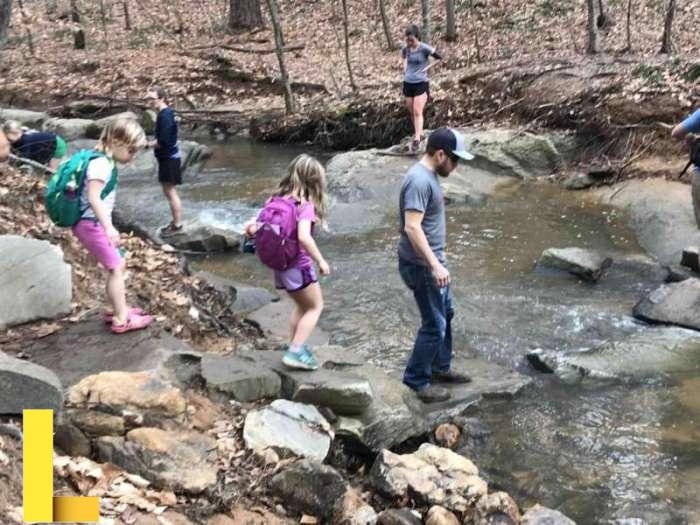
Raleigh Parks and Recreation is dedicated to enriching the lives of its community members through a wide array of programs and activities designed for all ages and interests. From fostering youth development to promoting active aging, the department strives to create inclusive opportunities that encourage health, learning, and social connection within Raleigh’s vibrant parks and community centers.
Diverse Range of Youth Programs
The department offers an extensive selection of youth programs aimed at providing constructive engagement, skill development, and memorable experiences for children and teenagers. These programs are carefully crafted to cater to various age groups and interests, ensuring that every young person can find an activity that sparks their curiosity and supports their growth.
-
Summer Camps: These camps provide immersive experiences during school breaks, focusing on specific themes or activities. Examples include:
- Nature Explorers Camp: Children engage in outdoor adventures, learning about local flora and fauna through hikes, scavenger hunts, and environmental crafts at Lake Johnson Park.
- Junior Sports Academy: Young athletes develop fundamental skills in various sports like soccer, basketball, and tennis, emphasizing teamwork and sportsmanship at local athletic complexes.
- Creative Arts Camp: Participants explore visual arts, drama, and music, culminating in a showcase for families at a community arts center.
-
After-School Activities: Designed to provide a safe and stimulating environment post-school hours, these programs combine educational support with recreational fun. Examples include:
- Homework Club and Tutoring: Dedicated time and assistance for academic tasks, ensuring students stay on track with their studies.
- Recreational Sports Leagues: Non-competitive leagues for sports like flag football or kickball, promoting physical activity and social interaction.
- Robotics and Coding Workshops: Hands-on sessions introducing STEM concepts, encouraging problem-solving and critical thinking through engaging projects.
-
Educational Workshops: These focused sessions offer specialized learning opportunities beyond the traditional classroom setting. Examples include:
- Young Naturalist Series: Monthly workshops focusing on different aspects of local ecology, such as bird watching, plant identification, or pond life.
- Junior Chef Classes: Interactive cooking lessons teaching basic culinary skills, nutrition, and food safety.
- Leadership Development Program: Activities and discussions designed to build confidence, communication skills, and community engagement among pre-teens and teenagers.
Popular Senior Citizen Programs and Activities
Raleigh Parks and Recreation places significant emphasis on providing enriching and accessible programs for its senior population, promoting active lifestyles, social engagement, and continued learning. These offerings are crucial for maintaining physical and mental well-being, fostering a strong sense of community among older adults.
-
Fitness Classes: Tailored to various mobility levels, these classes help seniors maintain strength, flexibility, and cardiovascular health. Examples include:
- Chair Yoga and Tai Chi: Gentle exercises that improve balance, flexibility, and relaxation, often conducted in community center multipurpose rooms.
- Low-Impact Aerobics: Energizing classes designed to elevate heart rate without stressing joints, sometimes incorporating light weights or resistance bands.
- Walking Clubs: Organized group walks in parks or along greenways, providing a social way to stay active and enjoy nature.
-
Social Gatherings: These activities provide opportunities for seniors to connect with peers, combat loneliness, and build lasting friendships. Examples include:
- Bingo and Game Days: Regular sessions for popular games, offering lighthearted competition and social interaction.
- Book Clubs and Discussion Groups: Forums for literary engagement and lively conversations on various topics.
- Day Trips and Cultural Outings: Organized excursions to local museums, historical sites, or seasonal events, expanding horizons and creating shared experiences.
-
Volunteer Opportunities: Seniors can contribute their time and talents to support the community, finding purpose and connection through service. Examples include:
- Park Beautification Projects: Participating in gardening, litter clean-up, or trail maintenance efforts in local parks.
- Mentorship Programs: Sharing life experience and knowledge with younger generations or new community members.
- Community Event Support: Assisting with registration, guiding attendees, or providing logistical help at local festivals and events.
Registering for Recreation Programs
The process for registering for Raleigh Parks and Recreation programs is designed to be straightforward and accessible, ensuring that residents can easily enroll in activities of interest. The department utilizes a user-friendly system that guides participants from browsing available options to securing their spot in a desired program.
- Access the Program Catalog: Begin by visiting the official Raleigh Parks and Recreation website or by picking up a physical program guide at any community center. This catalog provides comprehensive details on all available programs, including descriptions, schedules, locations, and fees.
- Browse and Select Programs: Utilize search filters on the online portal to narrow down options by age group, activity type (e.g., sports, arts, fitness), location, or specific dates. Review program descriptions carefully to ensure they meet individual interests and requirements.
- Create or Log In to Account: New users will need to create a household account, providing necessary contact and participant information. Returning users can simply log in with their existing credentials. This account manages all family registrations and transaction history.
- Add Programs to Cart: Once desired programs are identified, add them to a virtual shopping cart, similar to online retail experiences. The system will indicate if a program is full or has specific prerequisites.
- Complete Registration Forms: For each participant and program, complete any required registration forms, which may include emergency contact information, medical considerations, or waivers. Ensure all mandatory fields are accurately filled.
- Process Payment: Securely submit payment for the selected programs. Payment options typically include credit/debit card online, or cash/check in person at a community center. Financial assistance options may be available for qualifying families.
- Receive Confirmation: Upon successful registration and payment, an email confirmation will be sent, detailing the program enrollment, schedule, and any important pre-program instructions. Participants are encouraged to review this confirmation thoroughly.
Promotional Image Scenario: Outdoor Fitness Class
To visually capture the essence of community engagement and healthy living, a promotional image could depict a vibrant outdoor fitness class taking place in a lush Raleigh park. The scene would radiate energy, inclusivity, and the joy of physical activity amidst nature.The image features a diverse group of individuals, ranging from young adults to active seniors, all enthusiastically participating in a dynamic fitness class.
Raleigh Parks and Recreation significantly enhances local well-being through its extensive programs and green spaces. Sustaining such high-quality community offerings critically relies on adept personnel strategies, highlighting the profound relevance of comprehensive human resource management in sport and recreation. This crucial focus ensures the continued operational excellence and vibrant future of Raleigh’s recreational services for everyone.
The setting is a sun-drenched, open grassy area within a well-maintained city park, bordered by mature oak trees with dappled sunlight filtering through their leaves, creating natural highlights and shadows. In the foreground, an energetic instructor, perhaps in their 30s, demonstrates a modified plank position, smiling encouragingly at the participants. Surrounding the instructor, participants are spread out on colorful yoga mats or directly on the grass, executing various exercises such as lunges, stretches, and core movements.
Raleigh Parks and Recreation consistently delivers outstanding community programs, enriching lives across the city. While exploring various engaging opportunities for children, one might discover the well-structured activities available through hackensack recreation summer camp , providing similar enriching experiences. Nevertheless, Raleigh continues to prioritize public health and recreation, ensuring its parks and facilities remain accessible and beneficial for all residents.
Their attire is typical activewear – breathable fabrics, bright sneakers – reflecting comfort and readiness for movement. The group includes people of various ethnicities, body types, and ages, all showing focused effort and genuine enjoyment. Some are laughing, others are concentrating, but all exude a sense of camaraderie and shared purpose. In the background, a paved greenway path is visible, with a few individuals jogging or cycling, subtly reinforcing the park’s multi-use appeal.
The overall atmosphere is one of vitality, community, and the invigorating power of exercising outdoors. A clear blue sky with a few wispy clouds completes the idyllic scene, emphasizing the beautiful natural environment that Raleigh Parks and Recreation provides for such activities.
“Embrace the outdoors, embrace well-being, and connect with your community through movement.”
Enhancing Community Well-being and Access
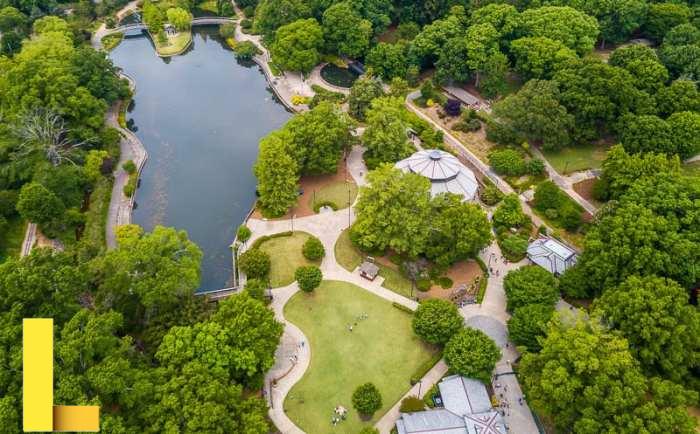
Raleigh Parks and Recreation is deeply committed to fostering a thriving community where every resident has opportunities to connect, grow, and enjoy the city’s natural and recreational assets. This commitment extends beyond structured programs, encompassing initiatives that ensure inclusivity, support local engagement, and protect our environment for future generations. Our approach integrates accessible infrastructure with robust community partnerships, creating a holistic framework for public service.
Raleigh Parks and Recreation consistently enhances our community’s green spaces, providing ideal settings for various activities. For those organizing events, understanding the standard dimensions picnic table ensures comfortable seating arrangements. This attention to detail helps Raleigh’s parks remain inviting and perfectly suited for every resident’s outdoor leisure needs.
Community Centers as Local Engagement Hubs
Community centers serve as vital anchors within Raleigh’s neighborhoods, acting as dynamic hubs for social interaction, learning, and resource access far beyond their scheduled program offerings. These facilities are intentionally designed to be welcoming spaces where residents can gather, share, and find support, embodying the spirit of local community.These centers provide a diverse array of services and resources, acting as essential points of connection for residents.
Beyond the scheduled fitness classes or art workshops, they often facilitate crucial community functions:
- Informal Gathering Spaces: Offering lounges, meeting rooms, and common areas where residents can socialize, hold impromptu meetings, or simply relax in a safe, public environment.
- Information and Referral Services: Acting as local knowledge centers, providing information on city services, public health initiatives, and connecting residents with social support networks or local aid organizations.
- Digital Inclusion: Many centers offer public computer access, free Wi-Fi, and assistance with digital literacy, bridging the technology gap for residents who may lack home internet or devices.
- Voting and Emergency Shelters: During election cycles, community centers frequently serve as polling places, and in times of crisis, they can be designated as emergency shelters or distribution points for essential resources.
- Volunteer Coordination: They often serve as bases for local volunteer groups, coordinating efforts for neighborhood clean-ups, food drives, or support for local events.
“Our community centers are more than just buildings; they are the living rooms of our neighborhoods, reflecting the diverse needs and vibrant spirit of Raleigh’s residents.”
Accessibility Initiatives in Parks and Recreation, Raleigh parks and recreation
Raleigh Parks is dedicated to ensuring that all individuals, regardless of ability, can fully experience and enjoy our parks and recreational facilities. This commitment involves a continuous effort to implement universal design principles and provide specialized resources, making public spaces truly inclusive. The goal is to remove barriers and create welcoming environments for everyone.Significant progress has been made in enhancing accessibility across the park system through various initiatives:
- Accessible Trails: Many of Raleigh’s greenways and park trails feature paved, wide, and relatively flat surfaces, making them suitable for wheelchairs, strollers, and individuals with mobility challenges. Examples include sections of the Neuse River Greenway Trail and the paved loops within Lake Johnson Park, which offer smooth, navigable pathways through natural settings.
- Inclusive Playgrounds: New and renovated playgrounds are designed with universal access in mind, incorporating features like ramp systems, sensory play elements, accessible swings (including bucket swings), and specialized surfacing such as poured-in-place rubber to allow for easy mobility for children using wheelchairs or other mobility aids. The playground at Dix Park, for instance, is a prime example of an intentionally inclusive design.
- Adaptive Programs: Raleigh Parks offers a range of adaptive recreation programs specifically tailored for individuals with disabilities. These include adaptive sports leagues (such as wheelchair basketball or adaptive tennis), specialized art classes, and nature programs designed to accommodate diverse needs, fostering participation and skill development in a supportive environment.
- Accessible Restrooms and Facilities: Upgrades to park restrooms, picnic shelters, and other amenities consistently include ADA-compliant features, ensuring ease of use and comfort for all visitors.
Collaboration with Local Organizations and Volunteers
The strength and beauty of Raleigh’s public spaces are significantly bolstered by robust partnerships with local organizations and the invaluable contributions of volunteers. Raleigh Parks actively collaborates with a diverse network of community groups, non-profits, and dedicated individuals to maintain, enhance, and activate its parks and recreation facilities. These collaborations amplify our capacity to serve the community and protect our natural resources.These vital partnerships take many forms, contributing to various aspects of park management and community engagement:
- “Friends Of” Groups: Dedicated volunteer organizations, such as the “Friends of Hemlock Bluffs” or “Friends of Shelley Lake,” work directly with park staff to support specific park sites through trail maintenance, invasive species removal, and educational programming.
- Environmental Stewardship Organizations: Partnerships with groups like the Neuse River Foundation or Capital Area Greenway System volunteers facilitate large-scale clean-up events, tree planting initiatives, and habitat restoration projects along waterways and greenways.
- Corporate Volunteer Programs: Local businesses often organize corporate social responsibility days, sending teams of employees to assist with park beautification projects, playground renovations, or trail construction, providing significant labor and financial support.
- Youth and Student Engagement: Collaborations with local schools, universities, and youth organizations (e.g., Boy Scouts, Girl Scouts) involve students in service-learning projects, such as building birdhouses, maintaining community gardens, or assisting with park events, fostering a sense of civic responsibility.
- Special Event Partnerships: Raleigh Parks works with various community groups to host cultural festivals, athletic competitions, and educational events within park spaces, expanding programming options and drawing diverse audiences.
Environmental Conservation Efforts
Raleigh’s park system is not only a place for recreation but also a critical network of green infrastructure that supports biodiversity and ecological health. Raleigh Parks and Recreation is deeply committed to environmental stewardship, implementing a range of conservation efforts to protect and enhance these vital natural resources for current and future generations. These initiatives focus on preserving natural habitats, managing resources sustainably, and educating the public on ecological best practices.Our environmental conservation efforts are multifaceted, addressing various aspects of ecological preservation and sustainable management:
- Trail Maintenance and Erosion Control: Regular maintenance of hiking and greenway trails includes addressing erosion issues through natural channel design, installing water bars, and reinforcing trail surfaces to prevent sediment runoff into waterways and protect surrounding vegetation.
- Natural Habitat Preservation and Restoration: This involves protecting sensitive ecosystems like wetlands, forests, and meadows within parks. Initiatives include invasive species removal programs (e.g., Chinese privet, kudzu), native plant restoration projects, and the creation of pollinator gardens to support local wildlife. For example, efforts at Hemlock Bluffs Nature Preserve focus on protecting the unique relict hemlock community.
- Stormwater Management: Parks play a crucial role in managing stormwater runoff. Initiatives include maintaining permeable surfaces, creating rain gardens, and preserving natural drainage areas to filter pollutants and reduce flooding, protecting the quality of local streams and rivers.
- Sustainable Landscaping Practices: The use of native, drought-tolerant plants in park landscaping reduces water consumption and the need for chemical fertilizers and pesticides, supporting local ecosystems and minimizing environmental impact.
- Waste Reduction and Recycling: Implementing comprehensive recycling programs throughout parks and facilities, alongside efforts to reduce waste generation, promotes sustainable consumption habits among park visitors and staff.
- Environmental Education: Nature centers and park rangers offer educational programs for all ages, focusing on local ecology, wildlife conservation, and the importance of environmental stewardship, fostering a deeper connection to nature within the community.
Outcome Summary
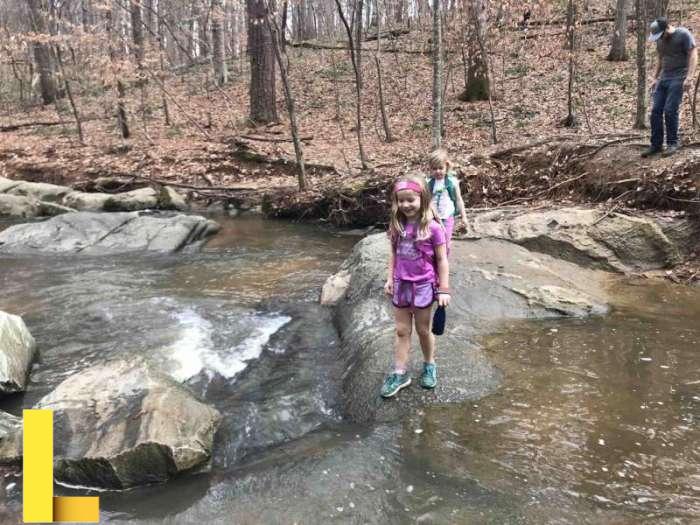
Ultimately, Raleigh Parks and Recreation stands as a testament to community well-being, weaving together natural beauty, recreational opportunities, and inclusive programs into the fabric of daily life. It’s more than just parks and facilities; it’s a dynamic ecosystem fostering health, connection, and environmental responsibility, inviting everyone to explore, engage, and thrive within Raleigh’s cherished public spaces.
Answers to Common Questions
How can I report a maintenance issue or concern in a park?
Maintenance issues can typically be reported through the official Raleigh Parks and Recreation website or by contacting their customer service line directly. Specific details like location and the nature of the issue are helpful.
Are dogs allowed in Raleigh’s parks, and are there specific rules?
Most Raleigh parks welcome leashed dogs, but specific rules apply, including leash laws and waste removal requirements. Designated off-leash dog parks are also available for canine companions to play freely.
How do I reserve a specific park facility, such as a picnic shelter or athletic field?
Facility reservations for picnic shelters, athletic fields, or community center rooms can usually be made online via the Raleigh Parks and Recreation reservation portal or by contacting the specific facility directly for availability and booking procedures.
What are the typical operating hours for Raleigh’s parks?
Most outdoor parks are open daily from dawn until dusk, though specific facility hours for community centers, aquatic centers, or special attractions may vary. It’s always best to check the official website for current schedules.
Are there opportunities for individuals or groups to volunteer with Raleigh Parks and Recreation?
Yes, Raleigh Parks and Recreation actively encourages volunteer participation. Opportunities range from park clean-ups and trail maintenance to assisting with special events or programs. Information on how to get involved is available on their website.

