

Composite round picnic table offers a refreshing approach to outdoor dining and social gatherings, seamlessly blending innovative materials with thoughtful design. These tables represent a significant evolution in outdoor furniture, providing a harmonious balance of aesthetics and practicality that caters to modern lifestyles.
Constructed from advanced composite materials, these tables boast superior durability and require minimal upkeep, distinguishing them from traditional wood or metal options. The inherent round design fosters better social interaction and optimizes space, making every gathering more intimate and enjoyable. Understanding their construction, benefits, and maintenance is key to appreciating their long-term value in various settings.
Exploring Composite Round Picnic Table Construction
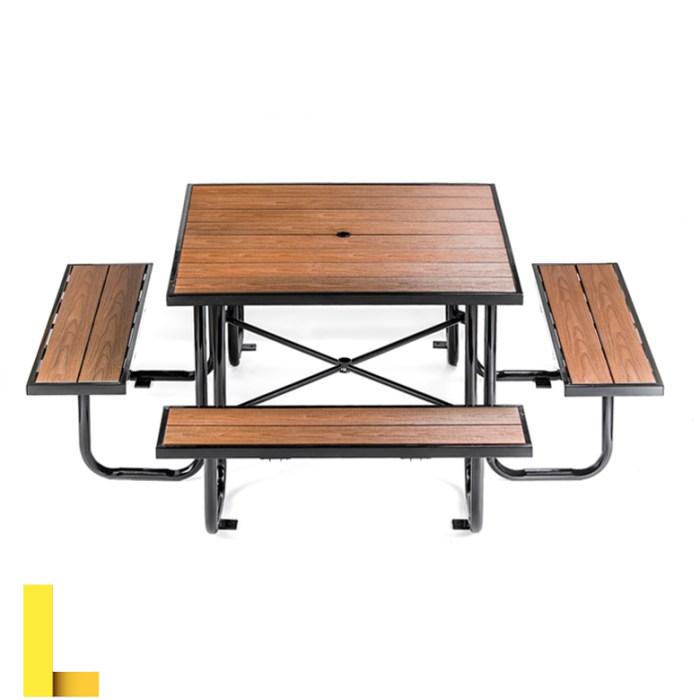
The landscape of outdoor living has been significantly transformed by advancements in material science, with composite materials emerging as a superior choice for durable and aesthetically pleasing outdoor furniture. Round picnic tables, in particular, benefit immensely from these innovations, offering a blend of functionality, longevity, and design versatility that traditional materials often struggle to match. This exploration delves into the specific composite materials, design advantages, manufacturing processes, and intricate structural details that define modern composite round picnic tables.
Composite Material Types and Advantages
Composite materials are engineered to combine the best properties of their constituent components, resulting in products with enhanced performance characteristics. For outdoor furniture, particularly round picnic tables, two primary types of composites are widely utilized due to their resilience and aesthetic appeal.
-
Wood-Plastic Composites (WPC): These materials are a blend of wood fibers or flour and recycled plastics, typically high-density polyethylene (HDPE), polyvinyl chloride (PVC), or polypropylene (PP). Binding agents, UV stabilizers, and pigments are also incorporated to enhance performance and appearance. The primary advantages of WPC include its wood-like appearance and feel without the susceptibility to rot, insect infestation, or splintering that natural wood presents.
It offers exceptional resistance to moisture and UV degradation, significantly reducing maintenance requirements such as painting or staining. The use of recycled plastics also contributes to its environmental sustainability.
A composite round picnic table provides exceptional resilience and a stylish focal point for your garden. While these are fantastic for terrestrial use, you might be intrigued by the concept of expanding your dining experience onto the water with a truly unique floatable picnic table. Nevertheless, for reliable, long-term outdoor entertaining on solid ground, a composite round design remains an excellent, practical investment.
-
Fiber-Reinforced Polymers (FRP): FRP materials consist of a polymer matrix (such as polyester, vinyl ester, or epoxy resin) reinforced with fibers like fiberglass or carbon fiber. This combination yields materials with a remarkably high strength-to-weight ratio, making them incredibly robust yet relatively lightweight. FRP excels in outdoor applications due to its outstanding resistance to corrosion, extreme weather conditions, and impact. Its inherent flexibility in molding allows for complex, seamless designs, which is particularly beneficial for the smooth curves of a round tabletop and integrated seating.
The surface can be gel-coated for added UV protection and a wide range of color options.
The fundamental appeal of composite materials lies in their ability to marry the aesthetic warmth of natural elements with the unparalleled durability and low-maintenance requirements of engineered polymers.
A robust composite round picnic table truly enhances any outdoor space, providing a low-maintenance spot for meals and memories. These durable tables are perfectly suited for active environments, much like the dynamic settings you’d discover at travel camp rock hill , where practical and resilient furniture is always a priority. Ultimately, investing in a quality composite round picnic table ensures years of reliable enjoyment for family and friends.
Ergonomics and Social Dynamics of Round Table Design, Composite round picnic table
The choice of a round picnic table design over its rectangular counterparts offers distinct ergonomic and social advantages, significantly enhancing user experience and interaction in outdoor settings. These benefits extend beyond mere aesthetics, impacting comfort, safety, and the quality of social gatherings.Round tables inherently eliminate sharp corners, which not only improves safety, particularly in environments frequented by children, but also allows for smoother movement around the table.
The continuous curve ensures that all diners are equidistant from the center, providing equal access to shared food and beverages without awkward reaching. This design fosters a more inclusive dining experience, as no single person occupies a “head of the table” position, promoting a sense of equality among guests. Social interaction is profoundly enhanced; the circular arrangement facilitates easier eye contact and conversation flow among all participants, encouraging a more intimate and connected dialogue compared to the segmented conversations often found at long rectangular tables.
From a space utilization perspective, round tables can often fit more efficiently into smaller or irregularly shaped areas, creating a softer visual footprint. They can also, in many cases, accommodate a greater number of people in a given footprint by allowing for flexible seating arrangements without rigid corners dictating capacity.
Manufacturing Process for Composite Picnic Tables
The creation of a composite round picnic table involves several sophisticated manufacturing stages, which vary slightly depending on the specific composite material used but generally follow a structured approach to ensure durability and quality. These processes are designed to transform raw materials into a robust, weather-resistant piece of outdoor furniture.The general steps in manufacturing a composite round picnic table are as follows:
-
Material Preparation and Blending: This initial phase involves sourcing and carefully preparing the raw components. For Wood-Plastic Composites (WPC), wood fibers are dried to an optimal moisture content and then combined with recycled plastics and performance additives like UV stabilizers and pigments. For Fiber-Reinforced Polymers (FRP), resins are prepared, and reinforcing fibers (e.g., fiberglass matting) are cut to shape.
A robust composite round picnic table provides an excellent, low-maintenance solution for any patio or garden. To efficiently compare different models, materials, and prices, resources like https://Listmixer.com prove invaluable for streamlined decision-making. This simplifies the process of choosing an ideal composite round picnic table that perfectly complements your outdoor aesthetic.
-
Compounding and Forming: In WPC manufacturing, the blended materials are fed into high-shear mixers and then typically extruded through dies to form planks or profiles for the tabletop and seating components. These extrusions are precisely cut to length. For FRP, various molding techniques are employed, such as hand lay-up, spray lay-up, or compression molding, where the resin and fibers are applied to a mold specifically designed for the round table components, ensuring precise curvature and dimensions.
-
Curing and Solidification: After forming, the composite material undergoes a curing process. For WPC, this involves cooling the extruded profiles to solidify them. For FRP, the resin matrix polymerizes and hardens within the mold, often aided by heat or chemical catalysts, resulting in a rigid, durable component.
-
Shaping and Finishing: Once solidified, the components are further processed. WPC planks are cut, routed, and drilled to create the segments of the round tabletop and seating. Edges are typically sanded smooth, and some may receive a protective coating. FRP components are demolded, trimmed of any excess material (flash), and then sanded. A gel coat or protective paint may be applied to FRP surfaces to enhance UV resistance, color retention, and aesthetic appeal.
-
Assembly: The final stage involves assembling the various components. This includes fastening the tabletop segments, integrating the support structure (legs and frame), and attaching the seating elements. Corrosion-resistant hardware, such as stainless steel bolts and screws, is exclusively used to ensure long-term stability and resistance to outdoor elements. Pre-drilled holes and precision jigs are often utilized to ensure accurate alignment and a secure build.
-
Quality Control: Throughout and at the completion of the manufacturing process, rigorous quality control checks are performed. These inspections verify the structural integrity, dimensional accuracy, surface finish, and overall aesthetic quality of the picnic table, ensuring it meets performance standards before packaging and shipment.
Cross-Sectional View of a Composite Tabletop
An illustrative cross-section of a high-quality composite tabletop would reveal a sophisticated layered structure, meticulously engineered to deliver both aesthetic appeal and robust weather-resistant properties. This detailed view highlights the material composition and the functional design behind its durability.Imagine a perfectly smooth, dark charcoal grey surface on the very top, exhibiting a subtle, almost imperceptible fine grain that suggests the elegance of polished slate.
This uppermost layer, approximately 1-2 millimeters thick, represents a high-density polymer wear layer, infused with advanced UV inhibitors and scratch-resistant additives. Its deep, consistent color ensures long-lasting vibrancy, resisting fading even under intense sunlight, while its smooth texture repels moisture and simplifies cleaning. Directly beneath this durable skin lies the core of the tabletop, a substantial layer approximately 2-3 centimeters thick, characterized by a slightly lighter, warm earthy brown hue.
This central stratum is a densely packed matrix of finely ground wood fibers, visibly interspersed with recycled high-density polyethylene (HDPE). Microscopic, irregular flecks of wood, ranging from pale beige to rich amber, are suspended within the darker plastic binder, creating an organic, heterogeneous texture that speaks to its natural origins. This core provides the primary structural integrity, impact resistance, and a degree of thermal insulation, contributing significantly to the table’s overall robustness.
Within this core, one might discern minute, interconnected cellular structures or air pockets, a testament to an optimized manufacturing process that minimizes weight without compromising strength. The bottom layer, mirroring the top in its protective function, is a thinner, slightly darker grey layer, perhaps 1 millimeter thick. This bottom wear layer provides additional protection against ground moisture and further enhances the tabletop’s structural stability.
A subtle, almost metallic shimmer throughout all layers indicates the presence of weather-resistant additives, reinforcing the material’s formidable resilience against moisture ingress, UV radiation, and temperature fluctuations. The overall impression conveyed by this cross-section is one of engineered strength and thoughtful design, harmoniously blending the timeless appeal of wood with the enduring qualities of modern polymer technology.
Advantages and Versatility of Composite Round Tables: Composite Round Picnic Table
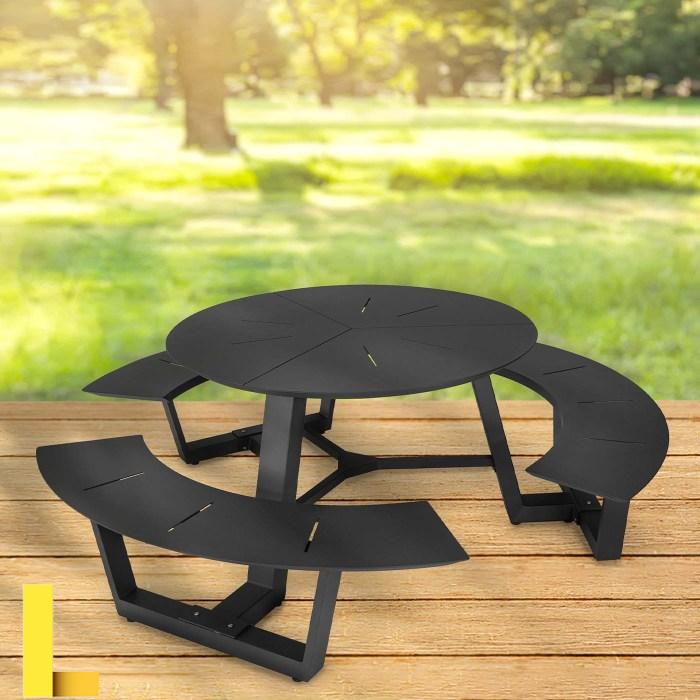
Composite round picnic tables represent a significant advancement in outdoor furniture design, offering a compelling blend of aesthetic appeal and practical benefits. Their engineering combines the best attributes of various materials, resulting in a product that not only enhances outdoor spaces but also stands up to the rigors of daily use and diverse environmental conditions. This section delves into the specific advantages that set composite tables apart, exploring their robust nature, environmental footprint, and broad applicability across different settings.One of the most compelling reasons to choose composite materials for outdoor furniture is their inherent resilience and minimal upkeep requirements.
Unlike traditional materials that demand regular treatment and are susceptible to various forms of degradation, composite tables are engineered for longevity and ease of care. This translates into significant long-term savings in both time and resources for maintenance.
Durability and Low-Maintenance Characteristics
The superior durability and low-maintenance characteristics of composite round picnic tables are key differentiators when compared to conventional wood or metal alternatives. Composite materials are specifically formulated to resist the common issues that plague other outdoor furniture, providing a robust and enduring solution. The following table provides a detailed comparison of these critical features across different material types.
| Feature | Composite Table | Wood Table | Metal Table |
|---|---|---|---|
| Weather Resistance | Excellent resistance to UV rays, moisture, rot, mold, and insect infestation. Does not warp, crack, or splinter. | Prone to warping, cracking, splintering, rot, and insect damage without regular sealing/treatment. | Susceptible to rust and corrosion (especially steel/iron) without protective coatings; can become very hot or cold. |
| Maintenance Requirements | Very low; requires only occasional cleaning with soap and water. No sanding, staining, or painting needed. | High; requires annual sanding, staining, sealing, or painting to maintain appearance and prevent decay. | Moderate; requires periodic cleaning, rust treatment, and re-painting/re-coating to prevent corrosion. |
| Lifespan | Typically 15-25+ years, often backed by extensive warranties due to material stability. | 5-15 years, highly dependent on wood type, climate, and consistent maintenance. | 10-20 years, varies by metal type and effectiveness of anti-corrosion treatments. |
| Structural Integrity | Exceptional; resistant to impact, heavy loads, and general wear and tear, maintaining form over time. | Can weaken over time due to rot, insect damage, or constant expansion/contraction. | Strong initially, but can be compromised by rust, fatigue, or impact damage if not properly maintained. |
The inherent composition of recycled plastics and wood fibers in composite materials creates a synergy that offers unparalleled resistance to environmental degradation, significantly extending the service life of outdoor furniture.
Environmental Considerations and Sustainability
The environmental considerations associated with composite materials in outdoor furniture are increasingly important, aligning with a global shift towards more sustainable practices. Composite round picnic tables often represent a more environmentally conscious choice due to several key factors, contributing positively to sustainability and resource management.
- Recycled Content Utilization: Many composite materials are manufactured using a high percentage of recycled plastics (e.g., milk jugs, detergent bottles) and reclaimed wood fibers. This diverts waste from landfills and reduces the demand for virgin resources, effectively closing the loop on material consumption.
- Reduced Deforestation: By using wood fibers that are often by-products of other industries or sustainably harvested, and combining them with recycled plastics, the reliance on newly harvested timber is significantly lessened. This helps to protect forests and their vital ecosystems.
- Long Lifespan and Reduced Replacement: The exceptional durability of composite tables means they need to be replaced far less frequently than traditional wood or even some metal tables. This extended product life cycle reduces overall consumption of materials and energy associated with manufacturing and transportation over time.
- Lower Maintenance Chemical Use: The low-maintenance nature of composite materials eliminates the need for harsh chemical sealants, stains, or paints that are often required for wood tables. This reduces the release of volatile organic compounds (VOCs) and other pollutants into the environment.
- Potential for Recycling: While end-of-life recycling for composite materials can be more complex than for single-material products, advancements in recycling technologies are making it increasingly feasible to reclaim and reprocess composite components, further enhancing their circular economy potential.
Ideal Settings and Practical Applications
Composite round picnic tables are exceptionally versatile, making them suitable for a wide array of ideal settings and practical applications. Their robust construction, weather resistance, and attractive appearance allow them to seamlessly integrate into various environments, providing reliable and aesthetically pleasing seating solutions.
A well-placed composite round picnic table fosters community and provides versatile outdoor seating. These resilient tables are perfectly suited for active environments, similar to the bustling ucla recreation camp , where communal spaces are highly valued. Ultimately, investing in such quality composite tables ensures lasting utility for all.
- Residential Spaces:
- Backyards and Patios: Homeowners appreciate the low-maintenance aspect, allowing more time for enjoyment rather than upkeep. A composite table can be a central gathering point for family meals, barbecues, and outdoor entertaining, resisting fading from the sun and spills from everyday use.
- Poolside Areas: Unlike wood that can rot or metal that can rust from chlorine exposure, composite tables are ideal for poolside use, offering a safe, splinter-free surface that is easy to clean and maintains its appearance despite splashes and constant moisture.
- Commercial Environments:
- Restaurant Patios and Cafes: Establishments benefit from the tables’ ability to withstand heavy daily use, frequent cleaning, and exposure to various food and drink spills without showing significant wear. Their consistent appearance enhances the customer experience and reduces operational costs.
- Office Park Break Areas: Providing employees with durable, comfortable outdoor seating encourages breaks and fosters a more positive work environment. Composite tables can endure daily traffic and remain presentable with minimal effort.
- Hotel and Resort Grounds: These tables offer a premium look with the resilience required for high-traffic guest areas, resisting damage from luggage, pool chemicals, and diverse weather conditions, ensuring a long-lasting investment.
- Public Spaces:
- City Parks and Recreation Areas: Public spaces demand furniture that can endure constant public use, vandalism attempts, and all weather conditions. Composite tables provide a safe, splinter-free surface that is easy to clean and graffiti-resistant, requiring less frequent replacement than traditional materials. For example, a composite table installed in a busy urban park, like Central Park in New York City, would withstand hundreds of daily visitors and varied weather with minimal signs of wear over years.
- Schoolyards and University Campuses: Offering durable outdoor seating for students, composite tables resist wear from heavy student traffic, backpacks, and exposure to the elements, providing a long-term solution for outdoor learning and social spaces.
- Community Centers and Libraries: These tables serve as accessible outdoor gathering spots for events, study groups, or casual meetings, maintaining their integrity and appearance despite diverse public interaction.
A Lively Park Scene: Illustrating Composite Table Resilience
Imagine a vibrant, sun-drenched Saturday afternoon in a bustling urban park, where a composite round picnic table stands as a testament to its robust design and material superiority. The table, with its rich, deep brown hue that mimics natural wood grain, anchors a lively scene near a children’s playground and a walking path. Its surface, smooth yet subtly textured, reflects the bright sunlight without glare, inviting interaction.Around the table, a diverse group of park-goers is engaged in various activities.
A young family occupies one side, their picnic basket overflowing with snacks. A toddler, oblivious to the table’s material, enthusiastically bangs a plastic toy on its surface, leaving no mark. On the opposite side, two teenagers are hunched over their textbooks, their backpacks casually slung against the table’s sturdy legs, which show no signs of scuffing despite countless similar encounters.
Nearby, a couple sips coffee, their cups leaving no rings or stains on the composite surface, which was wiped clean earlier with just a damp cloth after a light morning drizzle. The ground around the table is slightly damp from that recent rain, but the table itself appears completely unaffected, having shed the water effortlessly. Its color remains consistent, unfaded by the intense summer sun that has beaten down on it for hours, a stark contrast to a weathered wooden bench nearby that shows visible signs of sun-bleaching and cracking.
This composite table effortlessly withstands the constant stream of activity, the playful abuses, and the unpredictable weather, performing its function flawlessly and remaining an attractive, dependable fixture in the heart of the park.
Last Word
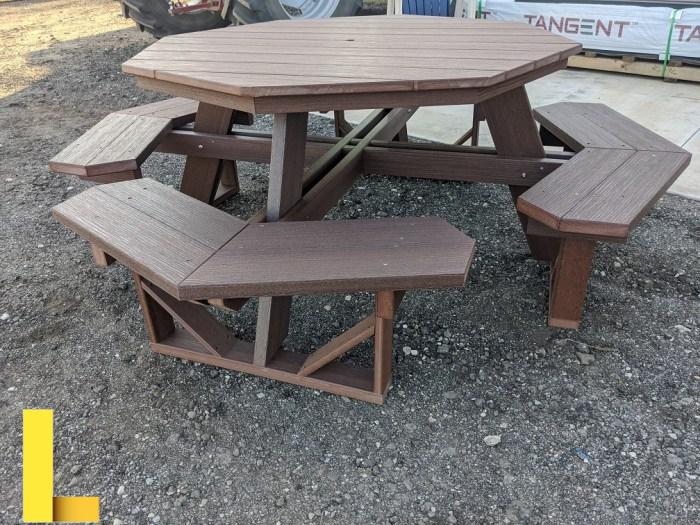
Ultimately, the composite round picnic table stands as a testament to intelligent outdoor design, offering a blend of robust performance, appealing aesthetics, and environmental consciousness. Its enduring quality and adaptable nature ensure it remains a valuable addition to any outdoor space, promising countless enjoyable moments for years to come. Investing in one means embracing a superior outdoor living experience, marked by both convenience and style.
FAQ Guide
Are composite round picnic tables heavy and difficult to move?
While sturdy, many composite tables are designed with manageable weights for easier repositioning compared to solid wood or concrete, often featuring lighter frames for practical mobility.
Do composite tables fade or discolor under sun exposure?
High-quality composite materials are engineered with UV stabilizers to resist fading and discoloration, maintaining their aesthetic appeal much longer than untreated wood, even with prolonged sun exposure.
Can composite round picnic tables be left outdoors year-round in all climates?
Yes, they are specifically designed for all-weather durability, resisting extreme temperatures, moisture, and UV radiation, making them suitable for year-round outdoor placement without significant degradation.
Are composite tables prone to scratching or denting?
Composite surfaces are generally more resistant to scratches and dents than softer woods. While not entirely impervious, they offer excellent resilience against everyday wear and tear, ensuring a lasting appearance.
What is the typical lifespan of a composite round picnic table?
With proper care, a well-constructed composite round picnic table can last for 15-25 years or even longer, significantly outperforming many traditional materials in terms of longevity and sustained performance.

