

barnwell mountain recreation area beckons adventurers with its rugged terrain and diverse outdoor opportunities, offering an unparalleled experience for off-road enthusiasts and nature lovers alike. Nestled amidst a unique geological landscape, this recreation area provides a thrilling escape, promising both challenging trails and serene natural beauty that captivates every visitor.
From exploring exhilarating off-road trails designed for various vehicle types and skill levels to meticulously preparing for a well-equipped visit, Barnwell Mountain ensures every guest can tailor their adventure. Understanding the distinct topography and adhering to crucial safety guidelines are paramount, guaranteeing a memorable and responsible journey through its captivating environment, whether on a challenging climb or a peaceful picnic.
Exploring the Trails and Activities
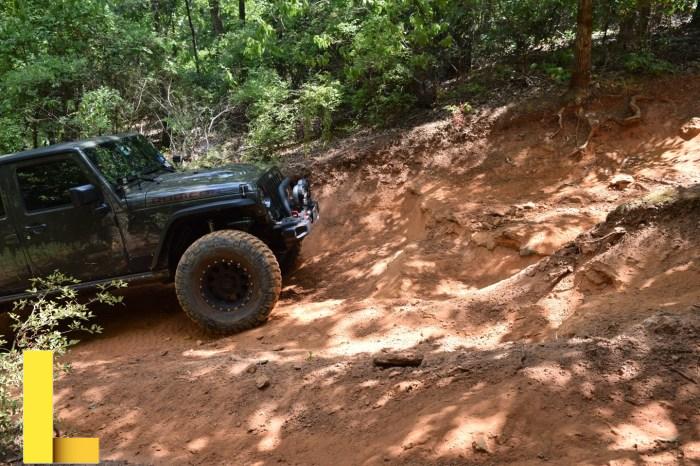
Barnwell Mountain Recreation Area, managed by the Texas Motorized Trails Coalition (TMTC), offers a diverse and engaging landscape for off-road enthusiasts of all skill levels. This expansive park is meticulously designed to provide a challenging yet safe environment for a wide array of motorized vehicles, alongside opportunities for those seeking a more serene, non-motorized experience. The area’s varied terrain, from dense woodlands to rocky ascents, ensures that every visit presents a unique adventure.The primary allure of Barnwell Mountain lies in its extensive network of trails, specifically tailored for various types of off-highway vehicles (OHVs).
Visitors can expect a full day of exploration, pushing the limits of their vehicles and honing their driving skills across a meticulously maintained and well-marked system. The park’s commitment to diverse experiences ensures that both adrenaline junkies and those preferring a leisurely drive find their ideal path.
Primary Off-Road Activities and Vehicle Experiences
Barnwell Mountain Recreation Area accommodates a broad spectrum of off-road vehicles, each offering a distinct experience across the park’s varied terrain. Understanding the capabilities and typical usage of these vehicles is key to navigating the trails safely and effectively, ensuring an enjoyable outing for all participants.
-
All-Terrain Vehicles (ATVs) and Dirt Bikes: These agile vehicles are ideal for navigating tighter trails and more technical single-track paths. Riders often experience the thrill of speed and precision, tackling steep climbs and weaving through wooded sections. The lightweight nature of ATVs and dirt bikes allows for dynamic maneuvering, making them popular for riders seeking an energetic and immersive off-road experience.
-
Utility Task Vehicles (UTVs) / Side-by-Sides: UTVs, including models like Polaris RZRs or Can-Am Mavericks, are increasingly popular due to their ability to carry multiple passengers and cargo, combined with robust off-road capabilities. They excel on wider trails, offering a comfortable yet exhilarating ride over challenging obstacles, rocky sections, and muddy tracks. The social aspect of sharing the adventure with passengers is a significant draw for UTV users.
-
Jeeps and 4×4 Trucks: Enthusiasts driving vehicles such as Jeep Wranglers, Toyota 4Runners, or modified pickup trucks often gravitate towards the more technical and difficult trails. These vehicles are built for rock crawling, steep hill climbs, and deep mud, often requiring advanced driving techniques and vehicle modifications like lift kits, larger tires, and lockers. The experience is typically slower-paced but intensely focused on navigating challenging obstacles, testing both driver skill and vehicle capability.
Trail Ratings and Driving Expectations
Barnwell Mountain employs a comprehensive trail rating system to guide drivers in selecting paths that match their skill level and vehicle capabilities. This system ensures safety and helps prevent drivers from encountering unexpected challenges that could lead to vehicle damage or personal injury.Understanding these ratings is crucial for a rewarding experience:
-
Easy Trails: These trails are generally wide, relatively flat, and consist primarily of packed dirt or gravel. They are suitable for stock vehicles, beginners, and families seeking a relaxed scenic drive. Drivers can expect minimal obstacles, such as small dips or minor uneven surfaces, requiring basic vehicle control and no specialized off-road equipment.
-
Moderate Trails: Moderate trails introduce more challenging terrain, including loose rocks, ruts, steeper inclines, and occasional muddy sections. A vehicle with good ground clearance and 4WD or AWD is recommended. Drivers should possess some off-road experience and be prepared for situations requiring careful throttle control and precise steering. Some trails may have bypasses around the most difficult sections.
-
Difficult Trails: These trails are characterized by significant obstacles such as large rocks, deep ruts, steep and slippery ascents/descents, and potentially deep mud or water crossings. Vehicles typically require high ground clearance, larger tires, and often modifications like locking differentials or winches. Drivers must have considerable off-road experience, advanced recovery knowledge, and be comfortable with technical driving. Spotters are often beneficial on these trails.
-
Extreme Trails: Representing the pinnacle of off-road challenge, extreme trails feature formidable obstacles that demand highly modified vehicles and expert driving skills. Expect very large rock gardens, near-vertical climbs, deep and unavoidable mud pits, and situations where vehicle damage is a real possibility. These trails often require winching, extensive spotting, and the use of specialized recovery gear. They are not for the faint of heart or unprepared vehicles.
Non-Motorized Activities and Points of Interest
While primarily known for its motorized trails, Barnwell Mountain Recreation Area also offers a tranquil escape for those seeking non-motorized activities. These designated areas provide a contrasting experience, allowing visitors to connect with the natural environment at a slower pace.The park features several points of interest designed for passive enjoyment:
-
Hiking Trails: A selection of marked hiking trails winds through the less-trafficked areas of the park, offering opportunities for peaceful walks amidst the East Texas flora and fauna. These trails vary in length and difficulty, providing a chance to observe local wildlife and enjoy the serene forest environment away from the sounds of engines.
-
Scenic Overlooks: Strategically placed overlooks provide breathtaking panoramic views of the surrounding landscape, particularly beautiful during sunrise or sunset. These spots are perfect for photography, quiet contemplation, or simply taking a break to appreciate the expansive natural beauty of the region.
-
Designated Picnic Spots: Several areas within the park are equipped with picnic tables and often shade structures, providing ideal locations for families and groups to relax and enjoy a meal. These spots are typically located near easy-access points, offering a convenient respite from trail activities or a pleasant destination for a day trip.
-
Camping Areas: While not strictly non-motorized, the primitive and developed camping areas offer a chance to unwind in nature. Campers can enjoy stargazing, campfires, and the peaceful ambiance of the outdoors, serving as a basecamp for both motorized and non-motorized explorations.
Barnwell Mountain Recreation Area provides an exhilarating escape for enthusiasts. Engaging in such outdoor activities offers profound benefits, much like how structured recreational therapy for veterans supports their recovery and well-being. Ultimately, the challenging terrain at Barnwell Mountain truly fosters a sense of achievement and vital stress relief for every visitor.
Illustration: Conquering “The Rock Garden”, Barnwell mountain recreation area
Imagine a vibrant, action-packed scene set deep within Barnwell Mountain’s challenging terrain. The illustration captures a highly modified, bright orange Jeep Wrangler Rubicon, its knobby 37-inch tires clawing for traction on a treacherous incline known as “The Rock Garden.” The Jeep is angled sharply, with its front driver’s side wheel suspended momentarily in the air as the rear passenger wheel pushes against a formidable, moss-covered boulder.
Sunlight filters through the dense canopy of pine and oak trees, dappling the scene with shifting patterns of light and shadow, highlighting the deep ruts and jagged edges of the surrounding rocks.The vehicle’s undercarriage is visibly protected by heavy-duty skid plates, glinting where they have scraped against previous obstacles. A faint plume of dust and disturbed soil rises from beneath the rear tires, indicating the immense power being applied.
The driver, visible through the open window, is intently focused, hands gripping the steering wheel, eyes fixed on the path ahead, a mixture of concentration and exhilaration etched on their face. In the background, a spotter, dressed in practical outdoor gear, stands strategically on a large flat rock, gesturing with precise hand signals, guiding the driver through the complex line.
The air feels thick with anticipation and the low rumble of the engine, a testament to the vehicle’s struggle and the driver’s determination to conquer this iconic section of the trail. The natural environment is rugged and untamed, with thorny bushes and resilient wildflowers clinging to the rock crevices, showcasing the raw beauty of the wilderness that Barnwell Mountain preserves.
Preparing for Your Trip and Amenities
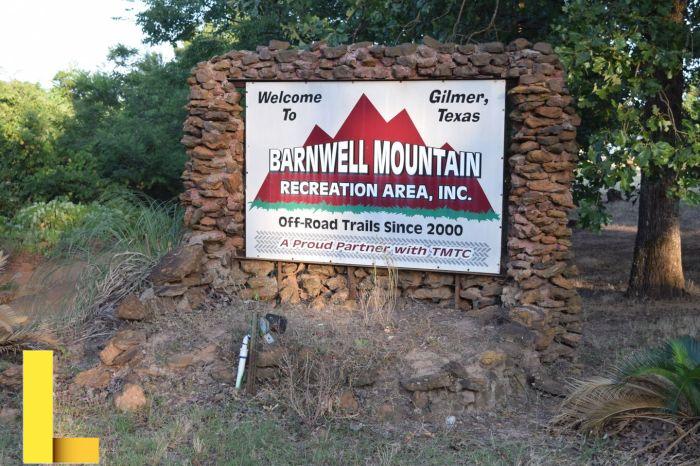
A successful visit to Barnwell Mountain Recreation Area begins well before arrival, with thoughtful preparation ensuring a smooth and enjoyable experience. Understanding the operational guidelines, available facilities, and essential provisions will significantly enhance your time exploring the diverse terrain and activities offered. This section provides detailed information to help you plan every aspect of your adventure, from entry requirements to navigation.Careful planning allows visitors to fully immerse themselves in the natural beauty and exhilarating trails without unexpected hindrances.
From knowing the precise operating hours to understanding the nuances of camping options, each piece of information contributes to a well-rounded and stress-free journey into the heart of East Texas’s premier off-road destination.
Essential Pre-Arrival Information
Before embarking on your journey to Barnwell Mountain, it is crucial to familiarize yourself with the operational details and requirements. This ensures a seamless entry process and helps you plan your visit according to the area’s guidelines. The table below Artikels key information regarding access, fees, and any necessary pre-arrangements.
| Category | Detail | Requirement | Notes |
|---|---|---|---|
| Operating Hours | Typically Friday through Sunday, 8:00 AM to 5:00 PM. Weekday access may be available for special events or by prior arrangement. | Adherence to posted hours is mandatory for all visitors. | Check the official website or contact the park directly for current hours, especially during holidays or seasonal changes. |
| Entry Fees | Daily pass fees apply per vehicle. Discounts often available for annual memberships. | Payment is required upon entry at the gatehouse. Acceptable forms of payment usually include cash and major credit cards. | Fees support trail maintenance and facility upkeep. Keep your receipt as proof of payment. |
| OHV Sticker/Permit | All off-highway vehicles (OHVs) must display a current Texas Parks and Wildlife Department (TPWD) OHV decal. | Purchase of a TPWD OHV decal is mandatory for all vehicles operating on the trails. These can often be purchased on-site or online. | The decal verifies compliance with state regulations and helps fund trail systems across Texas. |
| Reservations | General day use typically does not require reservations. Camping, especially RV sites or group areas, may require advance booking. | Confirm reservation policies for specific camping types or large group visits. | Booking ahead for camping is highly recommended, particularly during peak seasons or holidays, to secure your preferred spot. |
| Vehicle Requirements | Vehicles must be in good working order, with appropriate safety equipment (e.g., seatbelts, roll bars for open-top vehicles). | Compliance with all safety regulations and vehicle standards is enforced. | Ensure your vehicle is properly equipped for off-road conditions and that all occupants wear appropriate safety gear. |
“Preparation is not just about avoiding problems; it’s about maximizing the potential for an unforgettable adventure.”
Camping Facilities at Barnwell Mountain
Barnwell Mountain Recreation Area offers a range of camping options designed to accommodate various preferences, from rugged, minimalist experiences to more comfortable setups with essential amenities. Understanding the distinctions between these sites will help you choose the ideal basecamp for your visit.The park provides facilities that cater to different styles of outdoor living, ensuring that whether you prefer primitive solitude or the convenience of hookups, your stay is comfortable and well-supported.
- Primitive Camping Sites: These sites are scattered throughout the park, offering a more secluded and rustic experience. They typically feature a cleared area for tents and a fire ring. There are no water or electrical hookups directly at these sites, promoting a true wilderness feel.
- RV Hookup Sites: For those preferring more amenities, Barnwell Mountain provides designated RV sites equipped with electrical and water hookups. These sites are ideal for larger groups or families seeking the comforts of home while enjoying the outdoors. Specific site sizes and power capacities (e.g., 30 amp, 50 amp) are usually available.
- Designated Group Areas: Certain sections of the park are set aside for larger gatherings, such as clubs or organized events. These areas often provide more expansive spaces for multiple tents or RVs and may include shared amenities like larger fire pits or picnic tables. Reservations are almost always required for these popular spots.
- General Amenities: Regardless of your chosen camping style, visitors have access to central facilities. These typically include well-maintained restrooms with flush toilets and showers, potable water stations, and a designated dump station for RVs. Fire rings are generally provided at most sites, but always check for current burn bans before lighting a fire.
Recommended Gear and Supplies
Equipping yourself with the right gear and supplies is paramount for a safe and enjoyable visit to Barnwell Mountain. The rugged terrain and variable weather conditions necessitate specific provisions for both your vehicle and personal comfort. A comprehensive checklist ensures you are prepared for any situation encountered on the trails.Being well-prepared not only enhances your personal safety but also contributes to the smooth operation of your vehicle and the overall enjoyment of your group.
Considering the remote nature of some areas, self-sufficiency is a valuable asset.
Barnwell Mountain Recreation Area provides thrilling outdoor experiences, with its distinct natural aromas contributing to the adventure. It’s fascinating to consider how these unique environmental notes might inspire efforts in fragrance recreation , aiming to bottle the spirit of such rugged landscapes. Ultimately, these sensory details significantly enrich every visit to Barnwell’s expansive trails.
-
Vehicle-Specific Equipment:
- Recovery Gear: Winch (if applicable), recovery straps, shackles, tree saver strap.
- Tire Repair Kit: Spare tire (full size), tire plug kit, air compressor/inflator, tire pressure gauge.
- Tools: Basic tool kit, jack, lug wrench.
- First-Aid Kit: Comprehensive kit for vehicle and occupant injuries.
- Communication Device: Two-way radio (CB or GMRS) for group communication, fully charged cell phone (signal may be limited).
- Navigation: GPS device or app with offline maps of the area.
- Fluids: Extra fuel (in approved containers), engine oil, coolant.
- Lighting: Headlamps or flashlights for night use or working on the vehicle.
- Personal Provisions:
- Water: Ample supply for drinking and hygiene (at least one gallon per person per day).
- Food: Non-perishable snacks and meals.
- Sun Protection: Sunscreen, hat, sunglasses.
- Appropriate Clothing: Layers suitable for varying temperatures, sturdy closed-toe shoes.
- Navigation Aids: Physical map of the park, compass (and knowledge of how to use it).
- Trash Bags: Pack out everything you pack in, leaving no trace.
- Personal Hygiene Items: Hand sanitizer, toiletries.
- Emergency Whistle.
Locating Barnwell Mountain Recreation Area is straightforward, as it is situated near Gilmer, Texas, and accessible from major highways. Clear directions from nearby cities will ensure a smooth arrival, allowing you to quickly begin your adventure without navigational delays.Understanding the primary routes and key landmarks will help you plan your travel efficiently, particularly as you approach the final leg of your journey where roads may transition from paved to well-maintained gravel.
- General Location: Barnwell Mountain Recreation Area is located just outside Gilmer, Texas, in Upshur County. The physical address for GPS navigation is typically 6920 FM 1795, Gilmer, TX 75644.
-
From Dallas/Fort Worth (Approx. 2.5-3 hours):
- Take I-20 East towards Shreveport.
- Exit onto US-271 North towards Tyler/Gilmer.
- Continue on US-271 North through Gilmer.
- Turn right onto FM 1795 (also known as Barnwell Mountain Road). The entrance to the recreation area will be a few miles down on your right.
- From Houston (Approx. 3.5-4 hours):
- Take US-59 North (which becomes I-69 North) towards Nacogdoches/Texarkana.
- Near Henderson, take TX-155 North towards Tyler/Gilmer.
- In Gilmer, turn right onto US-271 South.
- Turn left onto FM 1795 (Barnwell Mountain Road). The entrance will be on your right.
- From Shreveport, LA (Approx. 1.5-2 hours):
- Take I-20 West towards Dallas.
- Exit onto US-271 North towards Gladewater/Gilmer.
- Continue on US-271 North through Gilmer.
- Turn right onto FM 1795 (Barnwell Mountain Road). The entrance will be a few miles down on your right.
- Key Landmarks and Tips:
- As you approach Gilmer, look for clear signage indicating routes to US-271 and then FM 1795.
- FM 1795 is a paved road that eventually transitions to a well-maintained gravel road leading directly to the park entrance.
- Consider downloading offline maps of the area before you leave, as cell service can be spotty in rural East Texas.
- The entrance gatehouse is clearly marked, and staff will be available during operating hours to assist with check-in.
Understanding the Landscape and Safety Guidelines: Barnwell Mountain Recreation Area
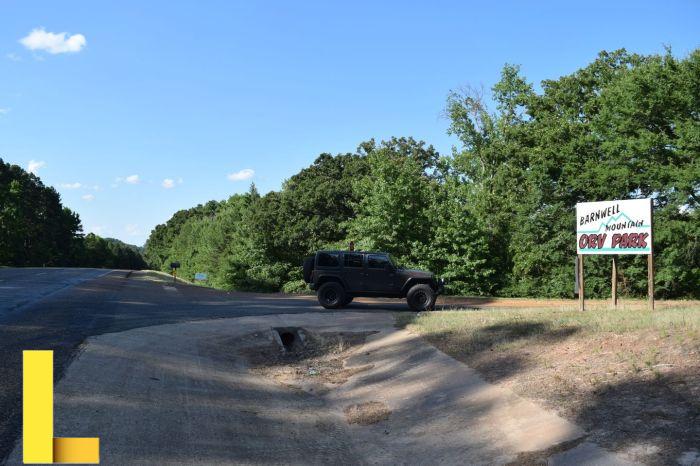
Exploring Barnwell Mountain Recreation Area offers an exhilarating experience, but truly appreciating and safely navigating its diverse terrain requires a solid understanding of its unique landscape and adherence to crucial safety protocols. This section delves into the geological characteristics that shape the trails, Artikels essential safety regulations, provides insights into the local environment and wildlife, and offers practical advice for handling common vehicle issues on the trails.The topography of Barnwell Mountain, nestled in the heart of East Texas, is a fascinating blend of geological influences that create its challenging and varied trail system.
Primarily situated within the Sabine Uplift, a broad geological dome, the area features significant elevation changes, ranging from rolling hills to steep, abrupt inclines. The underlying geology consists of a mix of sandy loams, clay, and occasional ironstone concretions, which manifest as rocky outcrops and embedded obstacles on the trails. These characteristics contribute to the dynamic nature of the trails, offering everything from loose, sandy washes and deep ruts to technical rock gardens and slippery clay sections, especially after rain.
This diverse terrain demands different driving techniques and vehicle capabilities, ensuring a unique and engaging experience for off-road enthusiasts of all skill levels.
Critical Safety Regulations and Rules of Conduct
Adhering to the established safety regulations and rules of conduct is paramount for ensuring a safe and enjoyable experience for all visitors at Barnwell Mountain Recreation Area, while also protecting the natural environment. These guidelines are designed to prevent accidents, minimize environmental impact, and foster a respectful community among trail users.
- All operators and passengers of ATVs, UTVs, and dirt bikes must wear appropriate DOT-approved helmets. Other protective gear, such as eye protection, gloves, long pants, and sturdy footwear, is highly recommended.
- Vehicles must stay on marked and designated trails. Creating new trails or cutting across natural areas is strictly prohibited to prevent erosion and preserve habitat.
- Observe all posted speed limits and cautionary signs. Speed limits are enforced for the safety of all park visitors and wildlife.
- The operation of any motorized vehicle while under the influence of alcohol or drugs is strictly forbidden. Open containers of alcoholic beverages are not permitted in vehicles on the trails.
- Respect private property boundaries adjacent to the recreation area. Trespassing is illegal and will result in penalties.
- Practice “Leave No Trace” principles. All trash, including food scraps, must be packed out and properly disposed of.
- Yield to uphill traffic on steep inclines, as uphill vehicles often have limited visibility and require momentum.
- Campfires are only permitted in designated fire rings. Check current fire restrictions and burn bans before lighting any fire.
- A spotter should be used when navigating challenging obstacles or blind turns to ensure safe passage and prevent vehicle damage.
- Children must be supervised by an adult at all times, especially when operating youth-model vehicles.
- Night riding requires proper vehicle lighting, including headlights and taillights, to ensure visibility and safety.
- All vehicles must be equipped with a spark arrestor and have functioning brakes.
Environmental Considerations and Wildlife Encountered
Barnwell Mountain Recreation Area is not just a playground for off-road vehicles; it is also a vibrant ecosystem supporting diverse flora and fauna. Understanding and respecting this natural environment is crucial for responsible recreation and conservation. Visitors play a vital role in preserving the area’s ecological balance for future generations.The area is home to a variety of wildlife typical of East Texas piney woods and mixed hardwood forests.
Common sightings include white-tailed deer, wild hogs, armadillos, rabbits, and various squirrel species. Birdwatchers may spot woodpeckers, various songbirds, and raptors such as hawks. Reptiles, including several snake species (some venomous like rattlesnakes and copperheads), lizards, and turtles, also inhabit the area. Visitors should maintain a respectful distance from all wildlife and never attempt to feed wild animals, as this can alter their natural behavior and lead to dependence or aggression.
Driving slowly and being attentive, especially at dawn and dusk, can help prevent collisions with animals.Environmental conservation practices are integral to the sustainability of Barnwell Mountain. Staying strictly on designated trails is the most effective way to prevent soil erosion, protect native vegetation, and minimize disturbance to wildlife habitats. Off-trail driving can quickly lead to irreparable damage to delicate ecosystems.
Barnwell Mountain Recreation Area truly exemplifies premier outdoor adventure, highlighting the critical need for expert management in such dynamic environments. Individuals pursuing a recreation administration degree gain essential skills to effectively operate and sustain these vibrant public lands, ensuring Barnwell Mountain continues offering exceptional experiences for all visitors.
Visitors should also be mindful of proper waste disposal, ensuring that all litter is collected and removed from the area. Reporting any observed illegal dumping, poaching, or environmental damage to park staff helps in the ongoing efforts to protect this valuable natural resource. The recreation area actively balances recreational use with ecological preservation, and visitor cooperation is essential to this mission.
Handling Common Vehicle Issues on Challenging Trails
Navigating challenging off-road trails at Barnwell Mountain often means encountering unexpected situations, and being prepared to handle common vehicle issues like a flat tire or getting stuck is a critical aspect of safe and responsible off-roading. Preparation, proper technique, and the right equipment can turn a potential disaster into a manageable inconvenience.
Flat Tire Recovery Procedure
A flat tire on the trail requires a systematic approach to ensure safety and efficient resolution.
- Prioritize Safety: Immediately pull the vehicle to a safe, level spot, well clear of any active trail traffic. Engage the parking brake and turn on hazard lights.
- Gather Essential Tools: Ensure you have a functional jack suitable for off-road conditions (e.g., a high-lift jack or bottle jack with a stable base), a lug wrench, a full-size spare tire (highly recommended for off-roading), and wheel chocks. Work gloves are also advisable.
- Chock the Wheels: Place wheel chocks on both sides of the tire diagonally opposite the flat to prevent the vehicle from rolling while it’s jacked up.
- Loosen Lug Nuts: Using the lug wrench, slightly loosen all the lug nuts on the flat tirebefore* lifting the vehicle. This is easier and safer when the tire is still on the ground.
- Jack Up the Vehicle: Position the jack securely under a strong point on the vehicle’s frame, close to the flat tire. Lift the vehicle until the flat tire is completely off the ground and can spin freely. Ensure the jack is stable on the terrain.
- Remove Flat, Install Spare: Fully remove the lug nuts, carefully take off the flat tire, and then mount the spare tire onto the wheel studs. Hand-tighten the lug nuts as much as possible.
- Lower and Torque: Slowly lower the vehicle until the spare tire makes full contact with the ground. Remove the jack, then use the lug wrench to fully tighten the lug nuts in a star pattern to ensure even pressure.
- Stow Gear: Securely store the flat tire, jack, lug wrench, and chocks.
- Check Tire Pressure: If possible, check the air pressure of the newly installed spare tire.
- Proceed with Caution: Drive slowly and cautiously to the nearest service area to have the flat tire repaired or replaced, and to ensure the spare tire is properly inflated and secured.
Vehicle Recovery When Stuck
Getting stuck is a common occurrence on challenging trails, but with the right knowledge and equipment, most situations can be resolved safely.
- Assess the Situation Safely: Do not panic. Immediately stop spinning the tires, as this can dig the vehicle deeper. Assess the type of terrain (mud, sand, rocks) and the extent to which the vehicle is stuck. Identify potential anchor points if winching is an option.
- Engage Recovery Aids: If your vehicle is equipped with differential locks, low-range gearing, or traction control modes, engage them as appropriate for the terrain.
- Clear Obstructions: Carefully remove any rocks, branches, or debris from around the tires and under the vehicle that might be impeding progress or causing it to be high-centered.
- Consider Tire Pressure Adjustment: For recovery in soft sand or mud, slightly deflating tires (e.g., to 15-20 PSI) can increase the tire’s contact patch and improve traction.
It is crucial to reinflate tires to appropriate pressure immediately after recovery to prevent tire damage.*
- Utilize Traction Boards/Aids: Place recovery boards (e.g., Maxtrax, TRED), sturdy floor mats, or even strong branches under the drive wheels to provide additional grip.
- Winching or Towing (If Equipped and Safe):
- Identify Secure Anchor Point: Locate a robust anchor point, such as another recovery-equipped vehicle, a tree (using a tree saver strap to protect the tree), or a strong rock.
- Use Appropriate Recovery Gear: Employ kinetic recovery ropes for dynamic pulls, or a winch with a winch line damper, shackles, and recovery points designed for the load.
-
Never use tow balls or bumper-mounted tie-down points for recovery, as they are not designed for the stresses of vehicle extraction and can become dangerous projectiles. Always use rated recovery points.
- Clear the Area: Ensure all bystanders are well clear of the recovery area, especially the path of the winch cable or strap, which can store immense energy.
- Controlled Recovery: Apply gradual and steady force. Avoid sudden jerks, which can damage vehicles or equipment. A spotter is invaluable for guiding the driver and ensuring safety during the entire process.
- Digging: If high-centered, carefully dig out the material from under the chassis and around the tires to reduce resistance.
- Post-Recovery Inspection: Once free, inspect your vehicle for any damage to tires, suspension components, or undercarriage before continuing on the trail.
Last Word
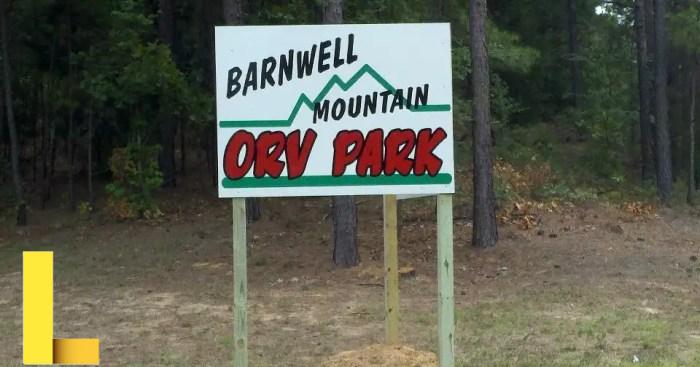
Ultimately, Barnwell Mountain Recreation Area stands as a premier destination for those seeking adventure and connection with nature, meticulously designed to cater to diverse interests while upholding environmental stewardship. Whether navigating its challenging trails or simply enjoying the scenic vistas, visitors are invited to embrace the spirit of exploration responsibly, creating lasting memories within its remarkable landscape and leaving only footprints behind.
Key Questions Answered
Is Barnwell Mountain Recreation Area open year-round?
Yes, the recreation area is generally open year-round, though operating hours and specific trail conditions may vary seasonally or due to weather. It’s always advisable to check their official website for the most current information before planning your visit.
Are pets allowed at Barnwell Mountain?
Pets are typically welcome within the recreation area, but they must be kept on a leash at all times. Owners are also responsible for cleaning up after their pets to maintain the natural environment for everyone.
Is there cell phone service available within the park?
Cell phone service can be spotty or limited in certain areas of Barnwell Mountain due to its rugged terrain and remote location. Visitors should not rely solely on cell service for navigation or emergencies and consider alternative communication methods.
Are there any vehicle rentals available on-site?
Barnwell Mountain Recreation Area does not typically offer on-site vehicle rentals. Visitors are expected to bring their own off-road vehicles. However, nearby towns may have independent rental services that cater to off-road enthusiasts.
Can I bring a drone to capture footage?
The use of drones may be subject to specific regulations or restrictions within the recreation area to ensure visitor safety and protect wildlife. It’s recommended to inquire with park management about their current drone policy before flying.

