

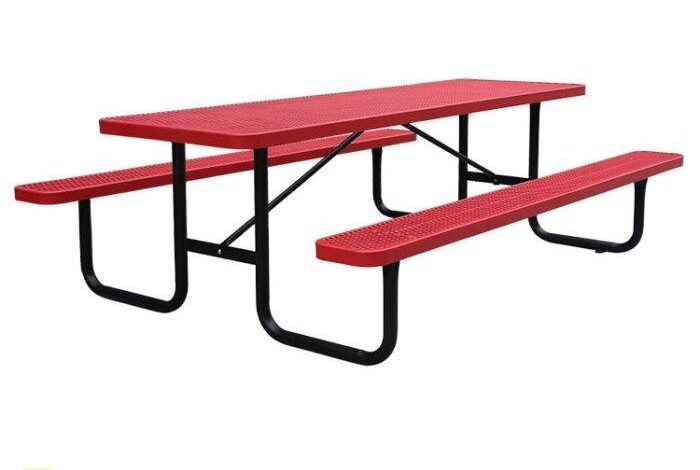
Composite picnic table technology marks a significant advancement in outdoor furniture, offering a compelling alternative to traditional wood options. This innovative material, often a blend of recycled plastics and wood fibers, provides superior durability and minimal maintenance, making it an increasingly popular choice for various outdoor settings. Its rise reflects a growing demand for sustainable and resilient solutions that can withstand the rigors of weather and heavy use without constant upkeep.
This discussion will delve into the composition and manufacturing of these tables, highlighting their numerous benefits over conventional wood. We will explore key considerations for selection and care, ensuring your outdoor investment remains pristine for years to come. Furthermore, we will examine innovative applications and aesthetic integrations, showcasing how composite picnic tables transcend basic functionality to enhance any landscape design.
The Rise of Durable Outdoor Seating
The demand for outdoor living spaces that are both beautiful and functional has led to a significant evolution in outdoor furniture design and materials. Modern consumers increasingly prioritize products that offer longevity, minimal upkeep, and aesthetic appeal, moving beyond the traditional constraints of natural wood. This shift has propelled durable outdoor seating, particularly those made from composite materials, to the forefront, offering a compelling alternative that addresses many common challenges faced by conventional options.
Composition and Advantages of Composite Materials
Composite materials, especially those utilized in outdoor furniture, are engineered to combine the best attributes of their constituent components, resulting in superior performance. For outdoor furniture like picnic tables, Wood-Plastic Composites (WPCs) are predominantly used, offering a robust and long-lasting solution. These materials are meticulously formulated to withstand harsh environmental conditions while retaining their structural integrity and visual appeal.The typical composition of these advanced materials often includes a blend of:
- Recycled Plastics: High-density polyethylene (HDPE), polypropylene (PP), or polyvinyl chloride (PVC) provide the plastic matrix, offering excellent moisture resistance, rigidity, and durability. Utilizing recycled plastics contributes to environmental sustainability by diverting waste from landfills.
- Wood Fibers or Flour: Finely ground wood particles, often sourced from sawdust, wood chips, or other reclaimed wood products, serve as a natural filler. These fibers impart a natural look and feel, improve stiffness, and reduce the overall plastic content.
- Additives: A variety of chemical additives are incorporated to enhance specific properties. These can include UV stabilizers to prevent fading, antifungal agents to resist mold and mildew, coupling agents to improve the bond between wood and plastic, and pigments for consistent coloring.
These engineered materials present numerous advantages over traditional wood, making them an ideal choice for outdoor applications.
- Exceptional Durability: Composite materials are highly resistant to rot, decay, insect infestation, and splintering, common issues that plague natural wood over time. Their inherent resistance to moisture prevents swelling, warping, and cracking.
- Low Maintenance Requirements: Unlike wood, which often requires regular sanding, staining, painting, or sealing to maintain its appearance and protect against the elements, composite furniture typically only needs occasional cleaning with soap and water.
- Consistent Aesthetics: Composites offer uniform color and texture throughout the material, which resists fading and maintains its appearance without significant discoloration or graying, even after prolonged sun exposure.
- Safety and Comfort: The absence of splinters and the smooth, consistent surface of composite materials enhance user comfort and safety, particularly important for picnic tables where direct skin contact is frequent.
- Environmental Benefits: Many composite products incorporate recycled content, reducing reliance on virgin materials and minimizing waste. Their extended lifespan also means less frequent replacement, further lowering their environmental footprint compared to short-lived alternatives.
Composite vs. Traditional Wood Picnic Tables: A Comparison
Choosing between a composite and a traditional wood picnic table involves evaluating several key factors that impact long-term satisfaction and investment. While both options offer functional outdoor seating, their performance across categories such as durability, maintenance, and environmental impact differs significantly. The following comparison highlights these distinctions, providing a clearer understanding of each material’s strengths and weaknesses in an outdoor setting.
| Feature | Composite Table | Wood Table |
|---|---|---|
| Durability & Lifespan | Highly resistant to rot, insects, moisture, and UV degradation. Does not splinter, warp, or crack. Lifespan often 25+ years with minimal degradation. | Prone to rot, insect damage (termites, carpenter ants), and weathering (cracking, warping, splintering) if not regularly treated. Lifespan typically 5-15 years, heavily dependent on maintenance and wood type. |
| Maintenance | Extremely low. Requires only occasional cleaning with soap and water to remove dirt or spills. No need for sanding, staining, painting, or sealing. | High. Requires regular sanding, staining, painting, or sealing (annually or bi-annually) to protect against moisture, UV rays, and biological degradation. |
| Environmental Impact | Often manufactured using a significant percentage of recycled plastics and wood fibers, diverting waste from landfills. Long lifespan reduces replacement frequency, lowering overall resource consumption. Manufacturing can be energy-intensive. | Renewable resource if sourced from sustainably managed forests (FSC certified). Can contribute to deforestation if not responsibly harvested. Requires chemical treatments (stains, sealants) that may have environmental implications. Biodegradable at end-of-life, but often treated with non-biodegradable chemicals. |
| Appearance & Aesthetics | Consistent color and texture. Available in a range of colors and embossed wood grain patterns. Resists fading over time. | Natural beauty and unique grain patterns. Colors can change (graying) over time due to UV exposure and weathering. Requires consistent treatment to maintain desired color. |
| Cost (Initial) | Generally higher initial investment due to advanced manufacturing processes and material composition. | Typically lower initial cost, especially for common wood types like pine or cedar. Higher-quality hardwoods can be comparable or higher. |
| Cost (Long-term) | Lower long-term cost due to minimal maintenance expenses and extended lifespan, making it a cost-effective choice over decades. | Higher long-term cost due to recurring expenses for maintenance materials (stains, sealants, brushes) and potential for earlier replacement. |
The Manufacturing Process of Composite Lumber
The creation of composite lumber, the primary material for composite picnic tables, is a sophisticated engineering process that meticulously combines various raw materials to produce a durable and uniform product. This multi-step manufacturing process is critical in imbuing the composite lumber with its characteristic strength, weather resistance, and longevity, setting it apart from traditional timber.The manufacturing process typically begins with the careful preparation of raw materials.
Recycled plastics are thoroughly cleaned, sorted, and then ground into fine pellets or flakes. Similarly, wood fibers or flour, often derived from post-industrial waste like sawdust, are dried to a specific moisture content to ensure optimal bonding with the plastic matrix. These prepared materials are then precisely weighed and introduced into large industrial mixers. Here, they are thoroughly blended with various additives, including UV stabilizers, color pigments, and bonding agents, ensuring a homogeneous mixture where all components are evenly dispersed.Following the mixing stage, the blended material is fed into an extruder.
Composite picnic tables offer remarkable longevity and low maintenance, perfect for any outdoor setting. When planning your next adventure, consider where to safely store your recreational vehicles and gear. Reliable facilities, such as south bay storage rv recreational , ensure your investments are protected, allowing you to focus on enjoying your durable composite picnic table whenever you’re ready.
This is a critical step where the composite material undergoes a transformation under heat and pressure. The mixture is heated to a molten state, allowing the plastic to encapsulate the wood fibers and additives completely. It is then forced through a die, which shapes the material into the desired profile, such as solid boards for table tops and benches, or structural beams for the frame.
The extrusion process creates a dense, uniform, and void-free product, eliminating weaknesses found in natural wood like knots or uneven grain.Upon exiting the die, the newly formed composite lumber profiles are immediately cooled, often using water baths or air cooling systems. This rapid cooling helps to set the shape and solidify the material, locking in its structural integrity. As the material cools, it gains its final rigidity and dimensional stability.
The cooled boards are then precisely cut to specified lengths and may undergo further finishing processes. These finishing steps can include brushing to create a more natural wood-like texture, embossing to add a distinct grain pattern, or sanding to achieve a smooth surface. These key steps collectively contribute to the composite lumber’s exceptional strength, resistance to environmental factors, and extended lifespan, making it an ideal material for robust outdoor furniture.
A Close-Up View of a Composite Picnic Table Surface
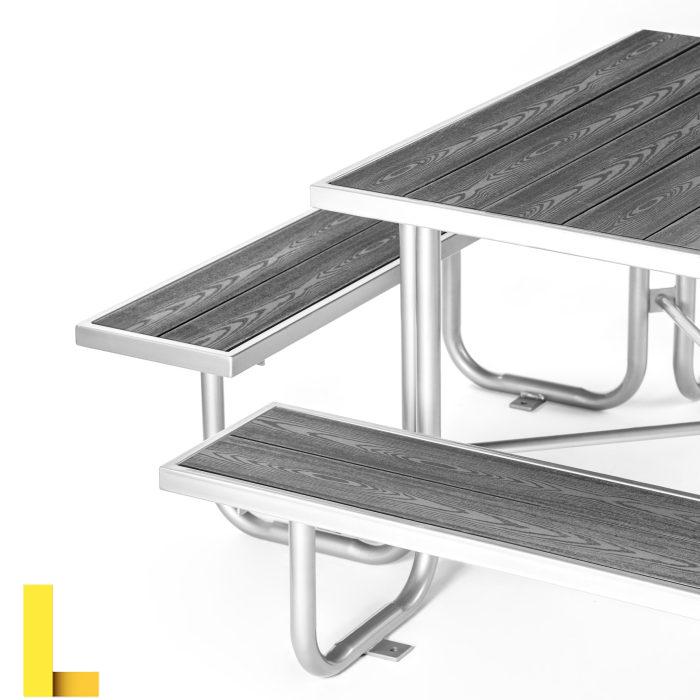
When observing a composite picnic table surface up close, one immediately notices the deliberate design choices aimed at mimicking the aesthetic appeal of natural wood while offering superior performance. The surface presents a finely textured finish, often achieved through an embossing process during manufacturing, which imparts a subtle, tactile wood grain. This texture is not uniformly deep but varies slightly, simulating the natural imperfections and flow of real timber, providing a pleasant feel underhand without the risk of splinters.The color palette is typically rich and earthy, ranging from deep, warm browns reminiscent of freshly stained cedar to cooler, sophisticated grays echoing weathered oak.
What truly distinguishes the composite surface is the nuanced color variation embedded within each board. Instead of a single, flat hue, there are often subtle streaks or gradients of slightly lighter or darker tones running along the length of the plank. For instance, a “teak” colored composite might feature delicate golden undertones intertwined with deeper amber streaks, creating an illusion of depth and natural complexity.
This variegated coloring helps to mask minor scuffs and provides a more dynamic visual interest than a monolithic color. The overall finish is usually a low-sheen, matte, or satin appearance, which further enhances its naturalistic appeal and reduces glare from sunlight. The material feels solid and dense to the touch, lacking the porous quality of untreated wood, signifying its resistance to moisture absorption and subsequent decay.
The edges are typically smooth and uniformly finished, demonstrating the precision of the manufacturing process and ensuring user comfort and safety.
Selecting and Caring for Your Outdoor Investment: Composite Picnic Table
Investing in an outdoor picnic table is a decision that significantly enhances your home’s exterior living space. With the growing popularity of composite materials, understanding the key factors in selection and the proper care procedures becomes paramount to ensuring your investment provides lasting enjoyment and maintains its aesthetic appeal for years to come. Thoughtful consideration during purchase, coupled with straightforward maintenance, will maximize the lifespan and utility of your composite picnic table.
Key Factors for Composite Picnic Table Selection
When choosing a composite picnic table, several critical elements should guide your decision-making process. These factors ensure the table not only meets your practical needs but also complements your outdoor environment beautifully.
- Size and Seating Capacity: Evaluate the available space in your yard or patio and consider the typical number of people you expect to host. Composite picnic tables come in various lengths and widths, accommodating anywhere from four to eight or more individuals. A larger family or frequent entertainers might opt for an extended design, while smaller spaces benefit from more compact options.
- Frame Material and Durability: While the tabletop is composite, the frame often utilizes other durable materials. Common choices include powder-coated aluminum, steel, or even recycled plastic. Powder-coated aluminum offers excellent corrosion resistance and is lightweight, making it easy to reposition. Steel frames provide robust stability and strength, often with a heavier feel. Recycled plastic frames offer a cohesive, fully eco-friendly option that is also highly resistant to the elements.
Each material contributes to the table’s overall longevity and structural integrity.
- Aesthetic Appeal and Design: Composite materials have evolved to offer a wide array of colors, textures, and finishes that can mimic natural wood grains or present sleek, modern appearances. Consider the existing decor of your outdoor space. Do you prefer a rustic, natural wood look, or a contemporary, minimalist design? The choice of color, from earth tones to vibrant hues, and the surface texture will significantly impact the table’s visual integration with your garden or patio.
Composite Picnic Table Cleaning and Maintenance
One of the primary advantages of composite picnic tables is their low maintenance requirement. However, “low maintenance” does not mean “no maintenance.” Regular, simple cleaning procedures will preserve the table’s appearance and extend its service life significantly.Regular cleaning prevents the buildup of dirt, pollen, and environmental debris that can dull the surface over time. The following step-by-step guide Artikels effective cleaning and maintenance practices for your composite picnic table:
- Routine Cleaning: For general dirt and grime, a simple wash with mild soap and water is highly effective. Use a soft-bristled brush or a non-abrasive sponge to gently scrub the surface. Rinse thoroughly with a garden hose to remove all soap residue. This should be done periodically, especially after periods of heavy use or exposure to dust.
- Targeted Stain Removal: For more stubborn stains, such as food spills, grease, or mildew, specific approaches may be needed.
- Food and Beverage Stains: Most fresh spills can be wiped away immediately. For dried-on food, a mild household cleaner diluted with water can be applied. Allow it to sit for a few minutes before scrubbing gently and rinsing.
- Grease and Oil: A degreasing agent designed for outdoor use, or a strong solution of dish soap, can be applied directly to the stain. Let it penetrate briefly, then scrub and rinse.
- Mildew: A solution of diluted bleach (one part bleach to four parts water) or a specialized composite deck cleaner can be used. Apply, let it sit for a short period, then scrub with a soft brush and rinse thoroughly. Always test any strong cleaning solution on an inconspicuous area first.
- Avoiding Harsh Chemicals and Abrasives: Never use harsh chemicals like paint thinner, acetone, or abrasive cleaners, as these can damage the composite surface, leading to discoloration or etching. Similarly, avoid using wire brushes, steel wool, or high-pressure washers directly on the surface, as they can scratch or degrade the material.
- Winter Protection (Optional): While composite tables are designed to withstand various weather conditions, covering your table during prolonged periods of extreme winter weather can further protect it from excessive ice, snow, and UV exposure, thus maintaining its pristine condition.
Clarifying Composite Material Misconceptions
Composite materials have sometimes been subject to misconceptions, often stemming from earlier generations of products or a misunderstanding of their engineered properties. Clarifying these points helps consumers appreciate the true value and performance of modern composite picnic tables.One common misconception is that composite materials look artificial or “plastic-like.” Modern composite manufacturing has advanced significantly, allowing for highly realistic wood grain textures and a broad spectrum of colors that closely mimic natural wood.
Manufacturers like Trex or Azek, for instance, produce composites with multi-tonal streaking and deep embossing that are virtually indistinguishable from exotic hardwoods, offering a sophisticated aesthetic without the associated maintenance. Another prevalent belief is that composites are not as durable as natural wood. In reality, composites are engineered for superior resistance to rot, insect infestation, splintering, and fading, often outperforming wood in challenging outdoor environments.
They do not require sanding, staining, or sealing, which are regular necessities for wood. Furthermore, while composites are low-maintenance, they are not entirely “maintenance-free.” They still benefit from routine cleaning to remove surface dirt and maintain their appearance, much like any outdoor furniture. This distinction is crucial; they eliminate arduous tasks but still require occasional, simple care.
Effortless Cleanup During Family Gatherings
Imagine a vibrant summer afternoon, the air filled with laughter and the enticing aroma of grilled food. The Miller family is gathered around their new composite picnic table, enjoying a lively barbecue. Young Leo, excited by his hotdog, accidentally tips over his cup of bright red fruit punch, sending a crimson splash across the table’s surface. Moments later, his sister Mia, engrossed in her corn on the cob, drops a dollop of butter and barbecue sauce directly onto the tabletop.
In the past, such incidents would have prompted a frantic dash for strong cleaners and a worried glance at potential lasting stains.However, with their composite picnic table, the scene unfolds differently. Mrs. Miller calmly grabs a damp cloth from a nearby cooler. With a gentle wipe, the vibrant red punch stain vanishes without a trace, leaving no sticky residue or lingering discoloration.
A quick pass over the barbecue sauce and butter reveals the same effortless cleanup; the non-porous surface of the composite material prevents liquids and oils from soaking in. The table looks as pristine as it did before the minor mishaps. The family continues their meal without interruption, confident that their outdoor investment can handle the joyous, messy realities of family life.
The ease of cleaning means less time worrying about spills and more time creating cherished memories, reinforcing the value of their durable, stain-resistant outdoor seating.
Beyond the Standard
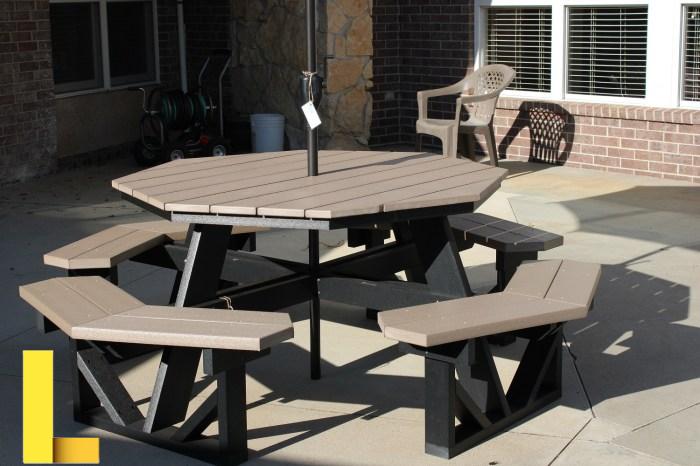
While the foundational benefits of composite picnic tables in durability and low maintenance are well-established, their potential extends far beyond mere utility. Modern manufacturing techniques and design innovation have transformed these robust pieces into versatile aesthetic elements, capable of enhancing diverse outdoor environments. This section delves into how composite tables can be creatively configured, customized, and integrated into contemporary landscape designs, moving them from functional necessities to focal points of outdoor living and public spaces.
Versatile Configurations for Diverse Settings
The inherent strength and modularity of composite materials allow for a remarkable array of configurations, making these tables adaptable to various outdoor settings, each with unique functional and aesthetic requirements. Thoughtful arrangement can optimize space, foster specific interactions, and cater to the distinct needs of users.
- Backyard Oasis:
- L-Shaped Social Hub: Create an inviting L-shaped dining and lounging area by joining two rectangular composite tables at a right angle, often complemented by a custom corner bench, perfect for family gatherings or entertaining friends.
- Flexible Pods: Utilize several smaller, square or round composite tables that can be easily rearranged for intimate conversations, larger group events, or even separated for individual use, providing ultimate flexibility.
- Integrated Entertainment Zone: Design a large composite table with a central cutout, specifically engineered to accommodate a built-in, composite-clad fire pit, offering a cozy focal point for evening relaxation and marshmallow roasting.
- Public Park Dynamics:
- Linear Gathering Spaces: Arrange multiple elongated composite tables in a linear fashion along a pathway or scenic overlook, providing ample seating for large groups, community events, or an extended family picnic.
- Scattered Seclusion: Place individual composite tables of varying shapes (e.g., circular, hexagonal) strategically throughout a park, perhaps under different shade trees, to offer private nooks for quiet reflection or small group interactions.
- Accessible Community Points: Incorporate ADA-compliant composite tables with extended ends and appropriate ground clearance, ensuring wheelchair accessibility and promoting inclusivity in public recreational areas.
- Schoolyard Innovation:
- Collaborative Learning Circles: Implement large, circular or semi-circular composite tables designed to facilitate group projects, outdoor lessons, or collaborative play, fostering interaction among students.
- Quick Break Stations: Install long, narrow composite tables along perimeter walls or fences, providing convenient surfaces for students to eat snacks, read, or work on quick assignments during breaks without occupying central play areas.
- Tiered Seating Zones: Utilize composite tables of varying heights to create multi-level seating arrangements, encouraging different postures and activities, from traditional dining to more casual, lounge-style outdoor learning environments.
Tailoring Composite Tables to Individual Tastes
Beyond their functional resilience, composite picnic tables offer extensive customization options, allowing them to transcend their utilitarian origins and become integral, aesthetically pleasing components of any outdoor design scheme. These choices enable designers and homeowners to align the tables perfectly with specific architectural styles, branding requirements, or personal preferences.
The aesthetic appeal of composite tables can be significantly enhanced through a broad spectrum of color choices. Unlike natural wood, which is limited to certain stains, composite materials can be manufactured in virtually any hue, from deep, natural wood tones such as weathered grey oak or rich mahogany to vibrant, contemporary shades like forest green, ocean blue, or even custom corporate colors for commercial applications.
This extensive palette ensures seamless integration into diverse design schemes, whether seeking a rustic charm or a bold, modern statement.
Furthermore, finish textures play a crucial role in defining the tactile and visual character of the table. Options include a finely brushed wood grain that convincingly mimics the feel of natural timber, a smooth, matte finish for a sleek and contemporary look, or even slightly textured anti-slip surfaces, particularly beneficial in public or wet environments for enhanced safety. These textures not only contribute to the table’s appearance but also its practical performance.
Customization extends to a variety of practical add-ons that enhance functionality and user experience. Common additions include standard or reinforced umbrella holes, providing essential shade in sunny locations. Integrated seating, whether in the form of attached benches that create a cohesive unit or standalone modular composite seating elements, offers flexible arrangement possibilities. Other thoughtful additions can include built-in waste receptacles that maintain cleanliness, discreet cable management systems for outdoor tech use, or even subtle, recessed LED lighting strips for evening ambiance, transforming the table into a multi-functional outdoor hub.
Seamless Integration into Contemporary Landscapes, Composite picnic table
Integrating composite picnic tables into modern landscape designs requires a holistic approach, considering how their material properties and customizable aesthetics can complement existing or planned elements. The goal is to create cohesive, visually appealing outdoor spaces where the table is not just an object but a contributing element to the overall design narrative.
When integrating composite tables, selecting complementary materials is paramount. They pair exceptionally well with minimalist concrete pavers, which echo their clean lines and contemporary feel. The rustic, earthy tones of corten steel planters or retaining walls offer a striking textural and color contrast, creating visual interest. Sleek metal pergolas or privacy screens in powder-coated aluminum or steel can frame the dining area, providing structure and partial shade, while gravel pathways in contrasting or complementary tones can define circulation routes around the table.
The non-organic nature of composite materials also allows for harmonious pairing with natural stone elements, such as granite steps or limestone benches, bridging the gap between manufactured and natural aesthetics.
Thoughtful planting schemes further enhance the integration of composite picnic tables into modern landscapes. Architectural plants with strong forms and minimal fuss, such as various species of succulents, ornamental grasses like
-Miscanthus sinensis* or
-Festuca glauca*, or meticulously trimmed hedges of boxwood (*Buxus sempervirens*), can be used to define the dining area, create clean borders, or provide a structured backdrop.
Composite picnic tables offer remarkable resilience, making them ideal for high-traffic areas. Their low maintenance perfectly complements the facilities often found within a bustling recreation building , ensuring guests have comfortable, reliable seating. These durable composite tables truly enhance any public outdoor setting with lasting quality.
For a biophilic touch, integrating a vertical garden nearby can add lush greenery and a sense of enclosure. Container plantings featuring single specimen plants with interesting foliage or form, or layered arrangements of low-maintenance flora, can be strategically placed to soften edges or add pops of color. Furthermore, positioning tables under carefully selected deciduous trees provides natural shade during warmer months and allows sunlight to filter through in cooler seasons, creating a dynamic interplay of light and shadow.
A Vision of Innovative Outdoor Design
Imagine a contemporary garden space, a sanctuary of calm and modern elegance, where every element is carefully curated for both form and function. At the heart of this tranquil setting rests a uniquely designed composite picnic table, a testament to innovative outdoor furniture.
A composite picnic table provides superb durability and requires very little upkeep, making it ideal for public or private spaces. To enhance the functionality and comfort of these areas, considering quality picnic shelters for sale can offer crucial shade and weather protection, perfectly complementing your long-lasting composite picnic table for year-round use.
This particular table deviates from the traditional rectangular form, presenting itself as an elongated hexagon, its six sides providing a gentle, inclusive seating arrangement that encourages conversation without the formality of sharp corners. The table’s primary surface is rendered in a sophisticated dark charcoal grey, imbued with a subtle, brushed texture that artfully mimics the appearance and tactile quality of natural, honed stone, yet offers the unparalleled durability of composite material.
Integrated seamlessly into the center of this hexagonal surface, through a precisely engineered opening, is a long, narrow planter box. This planter, crafted from the same high-performance composite, but in a slightly lighter, warm grey tone, serves as a living centerpiece. It is meticulously filled with a curated selection of drought-tolerant succulents, such as various echeverias and sedums, interspersed with delicate, wispy ornamental grasses like
-Festuca glauca*, creating a miniature, low-maintenance landscape that brings a touch of vibrant green directly to the dining experience.
The table’s support structure is equally striking: its legs are fabricated from matte black powder-coated aluminum, designed with a distinct, angled profile that provides both robust stability and a modern, sculptural aesthetic, creating a sharp, elegant contrast with the composite top. The accompanying benches, which are not separate entities but appear to emerge organically from the table’s overall structure, echo the hexagonal form and charcoal grey finish, giving the impression of floating slightly above the ground.
This design choice contributes to the table’s sleek profile and minimalist appeal. The entire ensemble is situated upon a generous expanse of large-format, light grey concrete pavers, their clean lines reinforcing the contemporary theme. This paved area is artfully bordered by a low, meticulously trimmed hedge of
-Buxus sempervirens*, providing a verdant, structured frame. Nearby, a corten steel water feature offers a soothing auditory element, its naturally rusted surface providing an earthy, organic counterpoint to the table’s engineered modernism.
Above, a minimalist pergola with thin, black metal beams offers dappled shade, allowing sunlight to filter through, creating dynamic patterns of light and shadow on the table’s inviting surface. This composite picnic table is not merely furniture; it is a thoughtful integration of design, material science, and horticulture, creating an enduring and beautiful focal point for contemporary outdoor living.
Wrap-Up
Ultimately, the composite picnic table stands as a testament to modern material science, offering an exceptional blend of durability, low maintenance, and aesthetic versatility. From its robust construction to its environmental benefits, it presents a smart, long-term investment for any outdoor space, be it a bustling park or a serene backyard. The ease of care and resistance to common outdoor challenges ensure that these tables remain a functional and attractive centerpiece without demanding extensive time or resources.
Embracing composite materials means choosing a future where outdoor furniture is not only built to last but also designed to adapt to diverse needs and styles. As we continue to seek more sustainable and efficient solutions, the composite picnic table undeniably leads the way, promising years of reliable service and enjoyment with a distinctly modern appeal.
Top FAQs
Are composite picnic tables truly eco-friendly?
Many composite picnic tables are indeed considered eco-friendly due to their use of recycled materials, such as plastics and wood waste, which diverts these items from landfills. Their exceptional longevity also reduces the frequency of replacement, further minimizing environmental impact over time.
How do composite picnic tables perform in extreme weather conditions?
Composite picnic tables are engineered to perform exceptionally well in extreme weather. They are highly resistant to moisture, UV radiation, and temperature fluctuations, preventing warping, cracking, fading, and rot that often affect traditional wood in harsh conditions.
Can composite picnic tables be painted or stained?
Generally, composite picnic tables are not designed to be painted or stained. They come in a variety of pre-finished colors and textures that are integrated into the material itself, providing a consistent and fade-resistant appearance without the need for additional coatings.
What is the typical weight of a composite picnic table compared to wood?
Composite picnic tables tend to be heavier than their wooden counterparts. This increased density contributes to their stability and durability, making them less susceptible to being moved by strong winds or casual displacement, though it might require more effort to relocate.
Do composite picnic tables attract mold or mildew?
While composite materials are highly resistant to moisture absorption, mold and mildew can still grow on their surface if organic debris (like leaves or food particles) is left to accumulate in damp conditions. However, these are typically surface-level issues and can be easily cleaned without penetrating the material.

