

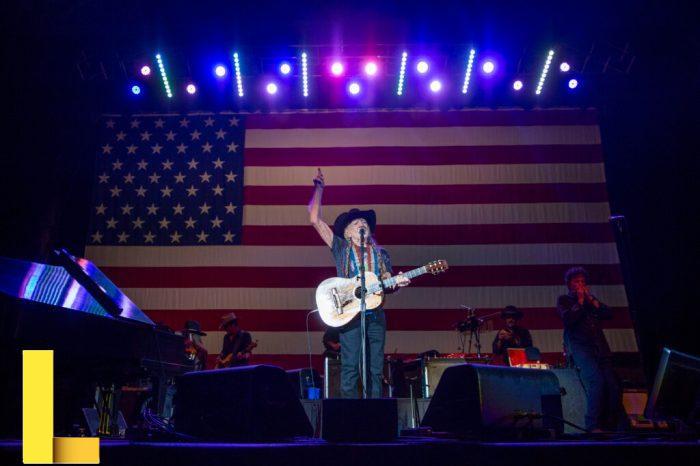
Willie Nelson 4th July Picnic stands as an iconic American tradition, an annual celebration that transcends mere musical performance to embody a spirit of community and independence. Conceived by the legendary Willie Nelson, this event has evolved from a nascent gathering into a cultural touchstone, drawing diverse crowds to commemorate both music and national pride.
Its genesis in the early 1970s reflected a unique cultural climate, with Nelson envisioning a gathering that initially faced numerous challenges but quickly established its unique atmosphere. Over decades, it transformed from a local affair into a nationally recognized phenomenon, profoundly influencing country music and the very essence of Independence Day celebrations. The picnic consistently features recurring elements, from specific performances to unique audience interactions, all contributing to its rich tapestry of memorable moments.
The Genesis and Early Years of the Willie Nelson 4th of July Picnic
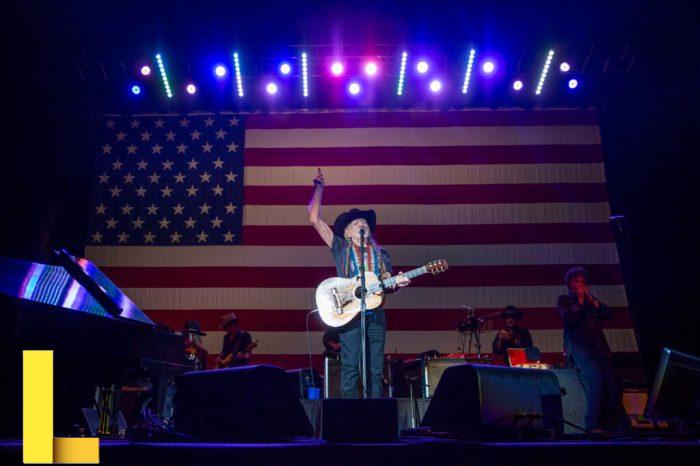
The Willie Nelson 4th of July Picnic stands as a quintessential American tradition, born from a vision to blend music, freedom, and community under the scorching Texas sun. What began as a bold experiment in the early 1970s quickly evolved into a cultural phenomenon, carving out a unique space in the landscape of American music festivals. This annual gathering, championed by the legendary Willie Nelson, encapsulates the spirit of independence, both personal and national, drawing diverse crowds to celebrate music and camaraderie.
The Vision and Inception of a Legendary Gathering
Willie Nelson’s initial vision for the 4th of July Picnic was a direct response to the burgeoning counter-culture movement of the early 1970s, coupled with his desire to foster a unique musical gathering in his home state of Texas. He envisioned an event that would bring together the disparate elements of the era—the hippies and the rednecks—under one tent, celebrating music that transcended traditional genre boundaries.
The inaugural picnic took place on July 4, 1973, at the Hurlbut Ranch in Dripping Springs, Texas. This location, nestled in the heart of the Texas Hill Country, provided a rustic, open-air setting for what Willie hoped would be a spiritual successor to festivals like Woodstock, albeit with a distinctively Texan flavor. The cultural climate of the early 1970s was ripe for such an event; a period marked by social change, a questioning of established norms, and a yearning for authentic, communal experiences.
Willie Nelson’s legendary 4th of July Picnic consistently delivers an unforgettable experience, blending music and camaraderie. When planning for such a grand outdoor event, it’s wise to consider the perfect culinary pairings, such as an excellent array of picnic cheese , which truly elevates the celebratory mood. These delightful additions ensure everyone enjoys the vibrant spirit of Willie’s iconic annual gathering.
Willie aimed to create an environment where music, freedom, and patriotism could converge, free from the commercial pressures and strictures of typical music venues.
The initial years of the Willie Nelson 4th of July Picnic were characterized by significant challenges and controversies, a testament to the ambitious nature of the event and the nascent state of large-scale outdoor festivals. The very first picnic, affectionately dubbed the “Dripping Springs Reunion,” quickly overwhelmed its intended capacity. Organizers had anticipated around 10,000 attendees, but estimates soared to between 40,000 and 50,000, leading to immediate logistical hurdles.
Water and sanitation facilities proved woefully inadequate for such a massive crowd, and the sheer volume of traffic created unprecedented congestion on rural roads. Local authorities were unprepared for the influx, leading to concerns about public safety and order.The subsequent picnics also faced their share of difficulties. The 1974 event, moved to the Texas World Speedway in College Station, saw improved infrastructure but still struggled with crowd control and maintaining a peaceful atmosphere.
Willie Nelson’s legendary 4th of July Picnic truly embodies a spirit of community and celebration, a quintessential American gathering. While it’s distinct, one might find a shared appreciation for public space and organized fun when considering options like parks and recreation hbo max. However, the unique, vibrant energy of Willie’s annual Independence Day event remains unparalleled.
There were reports of arrests for minor offenses, and the intense Texas summer heat always posed a health risk to attendees. The event often drew the ire of local communities and law enforcement, who viewed the gathering with suspicion due to its association with the counter-culture and the sheer scale of the crowds. Despite these growing pains, Willie Nelson remained steadfast in his commitment, believing that the spirit of the event outweighed its organizational shortcomings.
“The whole idea was to get the hippies and the rednecks together. And we did.”
Willie Nelson
The Unforgettable Atmosphere of the Inaugural Picnic
The atmosphere of the very first Willie Nelson 4th of July Picnic in Dripping Springs was a vibrant tapestry of sights, sounds, and palpable energy, an experience that etched itself into the memories of all who attended. Visually, the Hurlbut Ranch transformed into a sprawling, makeshift village. Sun-drenched fields were dotted with an eclectic mix of attendees: long-haired hippies in tie-dye shirts mingled with Stetson-wearing cowboys in denim and boots, alongside families with children, all seeking a patch of shade or a spot close to the stage.
Makeshift campsites sprung up everywhere, adorned with American flags, reflecting a blend of patriotism and counter-cultural expression. Dust kicked up from thousands of feet, creating a hazy, golden glow that softened the harsh Texas sun, while the stage, often simple and rustic, served as the magnetic focal point for the entire gathering.Sonically, the air vibrated with a rich blend of country, rock, and blues music emanating from the stage, punctuated by the laughter and conversations of tens of thousands of people.
The distant roar of motorcycles added to the raucous symphony, creating a unique soundscape that was both chaotic and exhilarating. Willie Nelson’s distinctive voice, along with those of his fellow performers, carried across the fields, uniting the diverse crowd in a shared musical experience. The general mood was one of joyous freedom and communal celebration, tinged with a slight edge of wild abandon.
Despite the logistical challenges and the intense heat, attendees embraced a spirit of shared adventure and defiance, reveling in the opportunity to witness a groundbreaking musical event unfold. It was hot, dusty, and imperfect, but undeniably alive with a sense of pioneering spirit.
Key Performers of the Initial Years, Willie nelson 4th july picnic
The early Willie Nelson 4th of July Picnics were instrumental in showcasing a unique blend of “outlaw country” artists and their contemporaries, establishing a musical legacy that continues to this day. The lineup for these initial years featured a who’s who of country and roots music, reflecting Willie’s vision of an inclusive musical celebration. The table below details the notable performers who graced the stage during the first three years of this iconic event, highlighting the diverse talent that helped define its foundational identity.
| Year | Location | Notable Performers |
|---|---|---|
| 1973 | Dripping Springs, Texas | Willie Nelson, Waylon Jennings, Kris Kristofferson, Rita Coolidge, Doug Sahm, Sammi Smith |
| 1974 | College Station, Texas | Willie Nelson, Waylon Jennings, Jimmy Buffett, Jerry Jeff Walker, Kinky Friedman, Leon Russell |
| 1975 | Gonzales, Texas | Willie Nelson, Waylon Jennings, Leon Russell, Jessi Colter, Delbert McClinton, Charlie Rich |
Evolution and Cultural Significance of the Annual Gathering

From its initial, somewhat spontaneous inception, the Willie Nelson 4th of July Picnic has undergone a remarkable transformation, evolving from a raw, local gathering into a nationally recognized tradition. This annual event has not only cemented its place in American cultural celebrations of Independence Day but has also profoundly influenced the landscape of country music, particularly the outlaw country movement, and continues to draw a diverse audience year after year.
Its enduring appeal lies in a unique blend of musical integrity, community spirit, and a consistent embrace of freedom, reflecting the very essence of the holiday it commemorates.The picnic’s journey from a regional curiosity to a widely anticipated national event is attributed to several key factors, including Willie Nelson’s unwavering commitment to the gathering, its consistent showcase of authentic American music, and its ability to adapt while retaining its core identity.
Initially known for its counter-cultural edge and often chaotic charm, the event gradually matured, finding more stable venues and refining its logistical operations without losing its inherent rebellious spirit. This evolution allowed it to reach a broader audience, attracting attendees from across the country who sought an alternative, more authentic way to celebrate the nation’s birthday.
Influence on Music and American Culture
The Willie Nelson 4th of July Picnic has served as a pivotal platform, significantly shaping country music, especially the outlaw country subgenre, and influencing broader American cultural celebrations. Through its consistent showcasing of artists who prioritized artistic freedom over Nashville’s mainstream conventions, the picnic fostered an environment where musical boundaries were challenged and redefined.
- Reinforcement of Outlaw Country Identity: The picnic became a de facto annual summit for outlaw country artists and fans, solidifying the movement’s image as an independent, artist-driven force. It provided a stage for Willie Nelson, Waylon Jennings, Kris Kristofferson, and others to perform freely, often alongside rock and blues musicians, showcasing their defiance of traditional country music norms.
- Musical Cross-Pollination: By consistently featuring a diverse lineup that often extended beyond strict country definitions to include blues, folk, and rock acts, the picnic encouraged musical experimentation and collaboration. This cross-pollination enriched the sound of country music, contributing to the development of subgenres like Americana and roots music, which blend elements from various traditions.
- Authenticity and Artistic Freedom: The event’s reputation for raw, unvarnished performances championed authenticity, inspiring new generations of musicians to prioritize artistic integrity over commercial pressures. It sent a clear message that creative control and genuine expression were paramount, a philosophy that resonated deeply within the broader music industry.
- Alternative Independence Day Celebration: The picnic offered a distinct alternative to conventional, parade-and-fireworks-centric Independence Day celebrations. It fostered a more communal, music-focused, and laid-back approach to commemorating the holiday, influencing how many Americans choose to celebrate, particularly those seeking a more personal and less commercial experience.
- Legacy Building: For many artists, performing at the Willie Nelson 4th of July Picnic became a rite of passage, a testament to their credibility and connection to the roots of American music. It helped launch careers and solidify legacies, ensuring that the spirit of outlaw country continued to thrive and evolve.
A Vibrant Tapestry of Attendees: A Visual Description
Imagine a sprawling, sun-drenched field, dotted with a vibrant, eclectic mix of humanity, all united by the rhythm emanating from the main stage. The crowd is a rich tapestry of generations and styles, creating a visual symphony of American culture. In the foreground, a young couple in vintage band t-shirts and cutoff shorts share a picnic blanket with their toddler, who is mesmerized by the distant sound of the guitar.
Nearby, a group of college students, some wearing cowboy hats and others in tie-dye, are laughing and swaying to the music, their arms linked. Further back, several families have set up elaborate campsites with portable chairs, coolers, and small American flags fluttering gently in the breeze. Grandparents in comfortable lawn chairs tap their feet, their faces creased with smiles, while their grandchildren chase bubbles blown by a nearby vendor.The fashion is as varied as the age groups: classic denim jackets adorned with patches, flowing bohemian dresses, crisp linen shirts, and rugged work boots mingle effortlessly with bright athletic wear and trendy festival attire.
A few attendees proudly display their Willie Nelson fan gear – t-shirts, bandanas, and even custom-painted signs. The stage, adorned with rustic banners and bathed in the afternoon light, serves as the focal point, with Willie Nelson’s iconic braids and band visible to thousands. Around the perimeter, food trucks emit tantalizing aromas of barbecue, Tex-Mex, and classic fair food, while craft vendors display their wares under colorful tents.
The air is thick with the scent of grilling food, sunscreen, and a faint, sweet aroma of something distinctly Texan, all underscored by the constant, joyous hum of conversation and applause. Above it all, the wide-open Texas sky promises a spectacular sunset, setting the scene for an unforgettable Independence Day celebration.
Willie Nelson’s 4th July Picnic is an iconic celebration, drawing crowds for music and camaraderie. To accommodate such gatherings, robust outdoor furniture is essential, perhaps even an 8 foot pressure treated picnic table , providing ample space for guests to enjoy their meals and soak in the festive atmosphere unique to Willie Nelson’s event.
The Picnic Through the Decades: 1980s Versus 2000s
The spirit and audience demographics of the Willie Nelson 4th of July Picnic have undergone noticeable shifts between the 1980s and the 2000s, reflecting broader cultural changes and the event’s increasing institutionalization. While both eras shared a fundamental appreciation for authentic music and American freedom, the experience evolved considerably.In the 1980s, the picnic retained much of its original, raw, and often unpredictable character.
The audience tended to be more concentrated within the traditional outlaw country demographic: a significant number of working-class individuals, bikers, college students seeking an alternative experience, and hardcore country and folk music enthusiasts. The atmosphere was often described as more rebellious, with a palpable sense of counter-culture freedom. Musical styles heavily favored the core outlaw country sound, blues, and traditional country, with a focus on artists who were either established legends of the genre or emerging talents deeply rooted in its ethos.
Attendance, while substantial, was often managed with less formal structure, contributing to a more organic, albeit sometimes chaotic, experience. The vibe was distinctly grassroots, a genuine gathering of like-minded individuals celebrating music and independence with a touch of defiance.By the 2000s, the picnic had matured into a more polished and family-friendly affair, while still retaining its core identity. The audience demographics broadened considerably, attracting a wider cross-section of American society.
This included more families with young children, a greater representation of suburban attendees, and a significant influx of music fans from various genres beyond traditional country, drawn by the event’s legacy and the broader appeal of Americana music. The overall attendance experience became more organized, with improved infrastructure, enhanced security, and a wider array of amenities, reflecting the professionalization of large-scale music festivals.
Musically, while Willie Nelson remained the undisputed headliner, the lineup often diversified to include artists from mainstream country, alternative country, folk-rock, and even indie-rock, reflecting a more eclectic taste among the expanded audience. The spirit remained one of freedom and celebration, but it was tempered with a greater emphasis on accessibility and comfort for a diverse, multi-generational crowd, transitioning from a niche counter-culture gathering to a widely beloved national tradition.
Final Summary

Ultimately, the Willie Nelson 4th July Picnic remains a testament to enduring musical artistry and the power of shared celebration. It is more than just a concert; it is a vibrant living history, a place where generations connect, and where the spirit of freedom is sung aloud under the summer sky. This annual gathering continues to symbolize a unique blend of American heritage, outlaw country ethos, and communal joy, promising many more years of unforgettable Independence Day festivities.
Clarifying Questions: Willie Nelson 4th July Picnic
Is the Willie Nelson 4th July Picnic always held in Texas?
While often associated with Texas, the Willie Nelson 4th July Picnic has been held in various locations over the years, including Oklahoma and Arkansas, though it frequently returns to Texas venues.
Can I bring my own food and drinks to the picnic?
Policies on outside food and beverages vary by venue and year; attendees are generally advised to check the specific event’s guidelines closer to the date.
Are tickets typically expensive for the event?
Ticket prices for the Willie Nelson 4th July Picnic can vary widely depending on the lineup, venue, and seating options, but efforts are often made to keep it accessible.
Does Willie Nelson always perform at the picnic?
Yes, Willie Nelson himself is a consistent performer and the central figure of the annual 4th of July Picnic, often closing the show.
Is the picnic generally considered family-friendly?
The event generally aims to be family-friendly, though the atmosphere can be lively; specific activities and amenities for children might vary by location and year.

