

Willie Nelsons Fourth of July Picnic stands as an iconic American tradition, a vibrant celebration blending music, community, and patriotic spirit. This annual event has evolved into a cultural phenomenon, drawing generations together to commemorate Independence Day with legendary performances and an inimitable sense of camaraderie, encapsulating the essence of American freedom and musical heritage.
Originating from a simple concept, the picnic has undergone significant transformations, expanding in scope and location while maintaining its core ethos. It consistently features a diverse array of iconic artists, delivering unforgettable performances that contribute to its rich legacy. Beyond the music, the event fosters a unique fan experience, emphasizing community, camping, and a deep connection to American holiday traditions, reflecting its profound cultural importance.
The Origins and Development of Willie Nelson’s Fourth of July Celebration
Willie Nelson’s Fourth of July Picnic stands as a quintessential American tradition, embodying a unique blend of music, patriotism, and Texas spirit. What began as a bold experiment in counter-culture music festivals has evolved into an iconic annual event, drawing generations of fans to celebrate independence day with the Red Headed Stranger himself.The initial concept behind Willie Nelson’s Fourth of July Picnic was rooted in a desire to create a large-scale, outdoor music festival that mirrored the spirit of earlier legendary gatherings, but with a distinctly Texan flavor.
Inspired by events like Woodstock, Nelson envisioned a celebration where diverse musical acts could perform for a free-spirited audience, fostering a sense of community and shared joy. The very first picnic took place on July 4, 1973, in Dripping Springs, Texas, on a rustic 100-acre tract of land. Its early goals included showcasing a wide array of musical talent, from country and rock to blues, and providing an accessible, celebratory environment for families and friends to gather.
This inaugural event aimed to recapture the raw, unpolished essence of live music, free from the commercial constraints often found in more conventional venues, offering a genuine expression of artistic freedom and American independence.
Evolution and Milestones of the Fourth of July Picnic
Over its storied history, Willie Nelson’s Fourth of July Picnic has undergone numerous transformations, adapting to changing times, logistical challenges, and the growing scale of its popularity. Each major development has contributed to shaping the event into the beloved institution it is today.
- 1973: The Inaugural Event: The very first picnic in Dripping Springs, Texas, established the template for an all-day, multi-act outdoor festival. It was a raw, ambitious undertaking, setting the tone for a celebration that was both grand in scope and deeply personal to Nelson.
- Mid-1970s: Rapid Growth and Logistical Hurdles: Following its successful debut, the picnic quickly grew in size and reputation, moving to larger venues like the Texas World Speedway in Gonzales. This period saw increased attendance but also presented significant logistical challenges, including managing large crowds, traffic, and basic amenities in often undeveloped settings.
- 1980s: Increased Structure and Corporate Involvement: As the event matured, efforts were made to improve organization and safety. Corporate sponsorships began to play a role, helping to fund the growing infrastructure required for such a massive gathering. This decade saw a move towards more established venues and a more professional production approach.
- 1990s: Return to Roots and Diversification: The picnic sometimes returned to more intimate, historically significant locations like Luckenbach, Texas, emphasizing its deep connection to Texas country music heritage. The musical lineup continued to diversify, blending classic country acts with emerging artists and other genres, broadening its appeal.
- 2000s-Present: Established Tradition and Modern Production: In recent decades, the picnic has solidified its status as a major annual event, often held at large-scale, purpose-built venues like the Circuit of the Americas or Q2 Stadium. It now features state-of-the-art production, catering to tens of thousands of attendees, while still maintaining the core spirit of camaraderie and great music that defined its origins.
The Rustic Charm and Vibrant Spirit of Early Picnics
The early years of Willie Nelson’s Fourth of July Picnic possessed a distinct atmosphere, characterized by its rustic setting, diverse crowd, and an overarching mood of communal celebration and freedom. These initial gatherings were far from the polished productions of today, offering a unique, often wild, experience.Imagine a sweltering Texas summer day, with the air thick with dust, the aroma of barbecue, and the distant hum of excited chatter.
The setting was typically a sprawling, open field, often with minimal infrastructure beyond a makeshift stage and a few scattered amenities. Attendees would arrive in everything from beat-up pickups to brightly painted vans, setting up camp wherever they could find a spot. The crowd was an eclectic mix: long-haired hippies, weathered cowboys, families with young children, and music aficionados from all walks of life, all united by their love for Willie and good music.
There was an unfiltered joy in the air, a sense of liberation that permeated the entire event. Impromptu jam sessions often broke out among attendees, and the lines between performer and audience sometimes blurred. It was an environment where the spirit of independence wasn’t just celebrated, but actively lived, creating memories of shared music and unbridled festivity.
“The Picnic was always about bringing people together for a good time, for good music, and to celebrate our country. It was raw, real, and full of heart.”
Willie Nelson, reflecting on the early days.
Shifting Landscapes: A History of Picnic Locations
Willie Nelson’s Fourth of July Picnic has journeyed across various Texan landscapes over the decades, each location contributing to the event’s evolving character and presenting unique challenges and opportunities. The choice of venue has often reflected the scale and ambitions of the celebration at different points in its history.
| Year Range | Location | Key Characteristics | Notable Changes |
|---|---|---|---|
| 1973 | Dripping Springs, TX | Rustic, undeveloped rural land; iconic first event. | Established the foundation for the annual celebration; minimal facilities. |
| 1974-1976 | Texas World Speedway, Gonzales, TX | Large, open grounds, able to accommodate massive crowds; a former race track. | Significantly increased scale and attendance; faced major logistical and safety challenges due to overwhelming crowds. |
| Late 1970s-1980s | Various locations including Pedernales Country Club (Spicewood, TX), Carl’s Corner, TX, Luckenbach, TX | Diverse settings ranging from Willie’s own property to historic country music towns. | Attempts to find a sustainable, manageable home; varied success with crowd control and infrastructure. |
| 1990s-Early 2000s | Luckenbach, TX; Abbott, TX (Willie’s hometown) | Smaller, more intimate venues; emphasized connection to Willie’s roots and Texas heritage. | A period of consolidation, focusing on the event’s core identity and a more controlled environment. |
| Mid-2000s-Present | Fort Worth, TX; Austin, TX (e.g., Circuit of the Americas, Q2 Stadium) | Modern, large-capacity venues with professional infrastructure and amenities. | Accommodating massive contemporary audiences with enhanced production values, while retaining the picnic’s traditional spirit. |
Spotlight on Musical Acts and Unforgettable Highlights
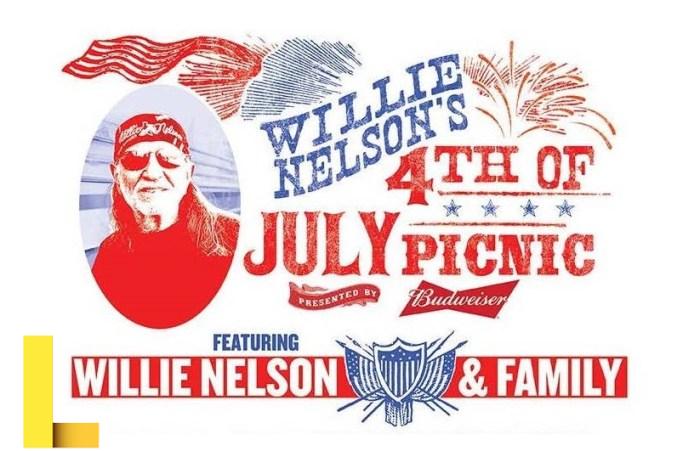
Willie Nelson’s Fourth of July Picnic has long been revered not just as a celebration of independence, but as a vibrant showcase of musical talent that transcends genres and generations. It stands as a testament to Willie’s vision of a gathering where music, community, and freedom intertwine, creating an unparalleled experience for all who attend.This section delves into the very heart of the picnic’s musical legacy, illuminating the iconic artists who have graced its stages, the legendary performances that etched themselves into the memories of thousands, and the distinctive elements of its stage and sound that contribute to its unique atmosphere.
We will also explore the rich tapestry of musical diversity that has characterized the event through its various eras, demonstrating its enduring appeal.
Willie Nelson’s Fourth of July Picnic consistently delivers an unforgettable blend of music and camaraderie. Amidst such inspiring creativity, perhaps one considers developing a new skill, like the practical artistry found in recreational welding classes. Mastering a craft could certainly add a unique dimension to one’s life, much like the picnic itself enriches the holiday experience annually.
Iconic Artists and Their Enduring Contributions
The roster of artists who have performed at Willie Nelson’s Fourth of July Picnic reads like a who’s who of American music, each contributing significantly to the event’s storied legacy. Beyond Willie Nelson himself, whose presence is the bedrock of the celebration, legends such as Johnny Cash, Kris Kristofferson, and Waylon Jennings have frequently appeared, often performing together as part of The Highwaymen, creating moments of unparalleled country music history.
These collaborations underscored the picnic’s family-like atmosphere, where mutual respect and shared musical heritage were paramount. Emmylou Harris brought her ethereal voice and songwriting prowess, while Merle Haggard delivered his classic Bakersfield sound, captivating audiences with his authentic country narratives. The inclusion of artists like Ray Charles, who graced the stage with his soulful interpretations, further expanded the picnic’s musical boundaries, proving that the event was always about great music, regardless of genre.
These artists, through their performances and collaborative spirit, helped solidify the picnic’s reputation as a premier destination for live music, fostering a sense of community and shared musical journey among performers and attendees alike.
Legendary Performances and Electrifying Collaborations
The picnic is renowned for its spontaneous and often unrepeatable musical moments, born from the unique camaraderie among the performing artists. These legendary performances are often characterized by an infectious energy and profound audience reception, creating an atmosphere that is both intimate and exhilarating. A recurring highlight involves Willie Nelson inviting various artists back to the stage for an impromptu jam session, particularly during the event’s closing hours.
One such memorable instance might feature Willie and Kris Kristofferson sharing a mic, their voices blending on classics like “Me and Bobby McGee,” eliciting a thunderous sing-along from the thousands gathered. The raw emotion and genuine connection between these legends on stage are palpable, often culminating in standing ovations and an almost spiritual communion with the audience. Another unforgettable aspect is the grand finale, where a multitude of artists, from established stars to up-and-coming talents, gather to perform a medley of beloved songs, symbolizing the unity and enduring spirit of the picnic.
These collaborations, often unplanned, are what truly define the event, offering glimpses into the spontaneous magic that only happens when such extraordinary talents converge in a celebratory setting.
The Unique Stage Setup and Immersive Sound Experience
The stage setup and sound experience at Willie Nelson’s Fourth of July Picnic are integral to its unique charm, embodying a blend of rustic Americana and professional production. Typically set in an expansive outdoor venue, such as a sprawling ranch or a large field, the main stage often features a design that pays homage to its Texas roots, sometimes incorporating natural elements or a backdrop that frames the vast open sky.
While not always adorned with the most avant-garde visual effects, the focus remains squarely on the music. The sound experience is meticulously engineered to ensure clarity and power across the vast audience area. High-quality P.A. systems are deployed to project the nuanced acoustic textures of country and folk music, while also delivering the punch required for more rock-oriented acts. This careful balance ensures that whether one is close to the stage or lounging on a blanket at the back, the music is crisp, clear, and enveloping.
The challenge of maintaining sound integrity in such a large, open-air environment is consistently met, allowing for an immersive experience where every strum of a guitar, every vocal inflection, and every drumbeat resonates deeply with the crowd. This commitment to sound quality, combined with the natural beauty of the setting, fosters an intimate connection between the performers and the audience, making each note feel personal despite the massive scale of the event.
Evolving Musical Diversity Across Eras
While rooted firmly in outlaw country, Willie Nelson’s Fourth of July Picnic has consistently embraced and showcased a remarkable array of musical genres throughout its existence, reflecting Willie’s own eclectic tastes and broad appeal. This commitment to musical diversity has ensured the picnic’s relevance and appeal to a wide audience over the decades.The evolution of the picnic’s musical landscape can be broadly categorized into distinct eras, each bringing its own flavor while maintaining the core spirit of the event:
-
Early Years (1970s – 1980s):
- Outlaw Country: Willie Nelson, Waylon Jennings, Jessi Colter, David Allan Coe.
- Folk/Singer-Songwriter: Kris Kristofferson, Joan Baez, Leon Russell.
- Blues/R&B Influences: Occasional appearances that hinted at broader musical tastes.
- Middle Years (1990s – Early 2000s):
- Traditional & Mainstream Country: George Jones, Merle Haggard, Dwight Yoakam.
- Blues & Rock Legends: Ray Charles, B.B. King, Jerry Lee Lewis.
- Americana/Alt-Country: Lyle Lovett, Steve Earle, Emmylou Harris, expanding the folk and roots rock presence.
- Recent Years (Mid-2000s – Present):
- Contemporary Country & Texas Red Dirt: Kacey Musgraves, Chris Stapleton, Robert Earl Keen, Pat Green, fostering new country sounds.
- Rock & Blues-Rock: Neil Young, John Fogerty, Lukas Nelson & Promise of the Real, bringing a heavier, more electrified edge.
- Indie Folk & Roots Music: The Avett Brothers, Nathaniel Rateliff & The Night Sweats, showcasing a younger generation of roots-oriented artists.
- Bluegrass/Acoustic: Alison Krauss & Union Station, reinforcing the traditional acoustic elements.
Exploring the Cultural Significance and Fan Perspective
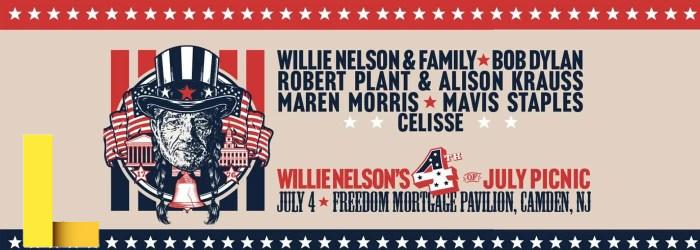
Willie Nelson’s Fourth of July Picnic transcends a mere concert; it has solidified its place as a significant cultural touchstone within American holiday traditions and the broader music landscape. This segment delves into the profound impact the event has had on attendees and its unique position in celebrating both national independence and communal artistic expression, offering an intimate look at the fan experience.The annual gathering embodies a quintessential American spirit, blending patriotic celebration with the free-spirited ethos of country and outlaw music.
It serves not just as an entertainment venue but as a temporary, self-contained community, drawing generations of fans who seek more than just performances – they seek an experience rooted in shared values, camaraderie, and a love for authentic American sound.
The Heart of American Holiday Tradition
Willie Nelson’s Fourth of July Picnic holds a distinct and cherished position in American culture, particularly within the fabric of holiday celebrations and the evolution of country music. Far from being just another music festival, it has become an annual pilgrimage for many, symbolizing a particular brand of Americana that intertwines national pride with a laid-back, inclusive musical experience. The event’s longevity, spanning over five decades, speaks volumes about its enduring relevance and its ability to adapt while retaining its core identity.
It represents a counter-cultural twist on a traditional holiday, offering a space where diverse individuals can gather, often camping together, to celebrate freedom through music and fellowship. This picnic has fostered a unique subculture, demonstrating how music can build robust, lasting communities and become an integral part of personal and collective history.
“The Fourth of July Picnic isn’t just a date on the calendar; it’s a living tradition, a testament to music’s power to unite and a vibrant expression of American freedom.”
A Day in the Life of a Picnic-Goer
The experience of attending Willie Nelson’s Fourth of July Picnic begins long before the first chord is struck on stage. For many, it starts with the journey, often involving packed cars laden with camping gear, coolers, and an eager anticipation that builds with every mile. Upon arrival, a bustling tent city emerges, as attendees meticulously set up their temporary homes, transforming vast fields into a patchwork of vibrant campsites.
The air quickly fills with the aroma of barbecue grills, campfire smoke, and the faint, sweet scent of summer flowers. Laughter and conversation ripple through the crowds, interspersed with impromptu guitar strumming and harmonicas, creating a pre-show soundtrack of communal joy.As the sun climbs higher, people wander through the grounds, greeting old friends and making new ones, often sharing stories from past picnics.
Children chase each other through the open spaces, their squeals blending with the general murmur of excitement. Food vendors offer everything from classic festival fare to local Texas specialties, ensuring everyone finds something to savor. By late afternoon, the main stage area becomes the focal point, a sea of cowboy hats, bandanas, and smiling faces. The energy is palpable as the first artists take the stage, their voices echoing across the landscape.
As evening descends, the temperature cools, and the atmosphere becomes electric. The collective anticipation culminates in Willie Nelson’s performance, a moment where thousands of voices sing along to familiar tunes under the vast Texas sky, often punctuated by a spectacular fireworks display that paints the night in brilliant hues, a truly unforgettable sensory experience of sight, sound, and shared emotion.
Willie Nelson’s Fourth of July Picnic is a renowned spectacle, bringing together music and community spirit annually. While its scale is unique, local efforts to foster communal joy are equally important. Organizations such as robinson township parks and recreation diligently work to create engaging public events, mirroring the festive, inclusive atmosphere that Willie’s long-standing tradition consistently delivers for countless attendees.
Elements of Enduring Appeal and Community Spirit, Willie nelsons fourth of july picnic
The sustained popularity and profound sense of community at Willie Nelson’s Fourth of July Picnic can be attributed to several distinctive elements that set it apart from other music festivals. These unique characteristics foster a loyal following and create an atmosphere of belonging that keeps fans returning year after year.
Willie Nelson’s Fourth of July Picnic truly embodies the spirit of American celebration, drawing massive crowds annually. For an event of this magnitude, robust and low-maintenance seating solutions are essential, making durable metal mesh picnic tables a practical choice for guests enjoying the festivities. Such resilient furniture would certainly enhance the comfort at Willie’s iconic outdoor gathering.
- The Unifying Presence of Willie Nelson: As the patriarch and consistent headliner, Willie Nelson himself is the gravitational center, embodying the event’s spirit of freedom, music, and community. His enduring appeal draws diverse crowds, creating a shared experience around an iconic figure.
- Camping Culture and Fellowship: The emphasis on multi-day camping transforms the event into a temporary village. This communal living encourages interaction, shared meals, and the formation of lasting friendships, fostering a deep sense of camaraderie among attendees.
- Authentic Outlaw Country Vibe: The picnic consistently features a lineup that celebrates traditional and outlaw country music, resonating with fans who appreciate genuine storytelling and raw musical talent, distinct from mainstream pop country.
- Intergenerational Appeal: The event attracts a wide demographic, from original fans who have attended for decades to young families introducing their children to the tradition. This blend of generations reinforces the picnic’s legacy and ensures its continuity.
- Patriotic Celebration with a Twist: While celebrating the Fourth of July, the picnic offers a uniquely Texan, laid-back interpretation of patriotism, focusing on freedom of expression and gathering rather than purely ceremonial aspects, often culminating in impressive fireworks displays.
- The Spirit of Inclusivity and Acceptance: The picnic grounds often feel like a safe haven where everyone is welcome. This atmosphere of non-judgment and mutual respect contributes significantly to the strong community bond and the overall positive experience.
Last Point
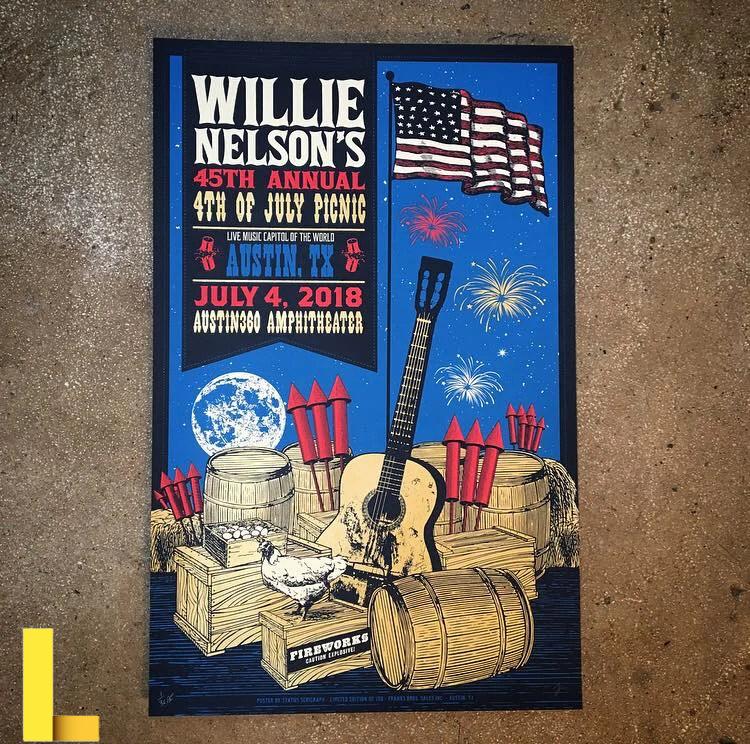
In conclusion, Willie Nelson’s Fourth of July Picnic transcends a mere concert, embodying a cherished cultural institution. Its enduring appeal lies in its unique blend of legendary music, a vibrant community spirit, and its steadfast commitment to celebrating American independence. As it continues to evolve, the picnic remains a testament to the power of music and shared experience, leaving an indelible mark on both attendees and the broader landscape of American holiday traditions, promising future generations equally memorable celebrations.
Common Queries: Willie Nelsons Fourth Of July Picnic
What are the typical ticket prices for Willie Nelson’s Fourth of July Picnic?
Ticket prices generally vary based on the venue, seating options, and date of purchase, often ranging from moderately priced general admission to higher-tier VIP packages.
Can attendees bring their own food and beverages to the picnic?
Policies regarding outside food and beverages vary by venue and year; it is always advisable to check the specific event guidelines closer to the date of the picnic.
Is the event family-friendly, and are there age restrictions for attendance?
While generally considered family-friendly, specific age restrictions or recommendations might apply depending on the venue’s policies, particularly for certain areas or late-night performances.
How does one typically secure tickets for Willie Nelson’s Fourth of July Picnic?
Tickets are usually available through official ticketing platforms online, with early bird options often released months in advance due to high demand and the event’s popularity.

