

Cement picnic table offers a robust and enduring solution for outdoor gatherings, blending unparalleled durability with versatile design possibilities. These tables are increasingly popular for their strength and low maintenance, providing a permanent fixture for various outdoor activities.
From exploring diverse designs and material considerations like precast versus DIY options to understanding the practical aspects of placement, maintenance, and repair, these tables present a compelling choice. Furthermore, their potential to enhance outdoor spaces through innovative uses and aesthetic treatments makes them a centerpiece for any garden or patio, promising longevity and style.
Exploring Designs and Material Considerations: Cement Picnic Table
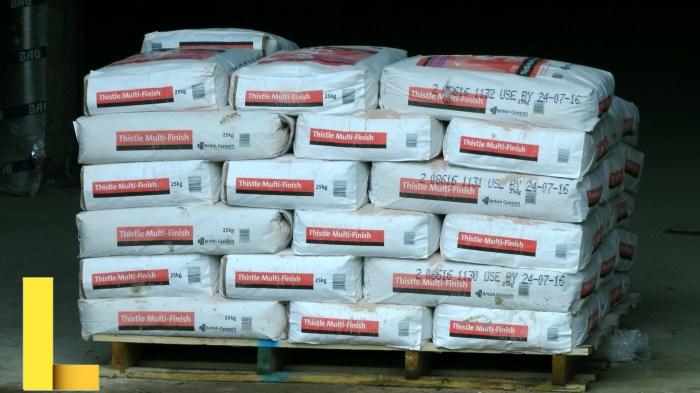
The selection of design and materials for a cement picnic table is paramount, directly influencing its aesthetic appeal, functional longevity, and integration into diverse outdoor environments. Understanding the various options available, from structural forms to the specific concrete compositions, allows for informed decisions that cater to both practical needs and desired visual outcomes. This exploration delves into the common design variations, the intricacies of cement mixes and finishes, and a comparative analysis of manufacturing methods.
Common Design Variations for Cement Picnic Tables
Cement picnic tables are far from monolithic in their design; they offer a surprising array of configurations that cater to different spatial requirements and aesthetic preferences. The primary design variations encompass the table’s shape, the style of its supporting legs, and how seating is integrated.The table’s surface shape is a fundamental design choice, dictating seating arrangements and visual flow:
- Rectangular: This is the most traditional and widely recognized shape, offering maximum seating capacity and an efficient use of space, particularly in linear settings. Rectangular tables are excellent for accommodating larger groups and are often seen in public parks and communal areas due to their practicality.
- Round: Round tables foster a more intimate and egalitarian dining experience, as everyone is equidistant and can easily engage in conversation. They are often preferred for smaller gatherings or as focal points in gardens, providing a softer visual presence compared to angular designs.
- Octagonal: Offering a compromise between the rectangular and round forms, octagonal tables provide distinct seating areas while maintaining a degree of communal interaction. Their multifaceted design can add a unique architectural element to a landscape, breaking away from standard shapes.
Leg styles significantly impact both the stability and the visual character of the table:
- Pedestal: A central column or base supports the tabletop, offering unobstructed legroom around the entire perimeter. This style is often favored for round or octagonal tables, creating a clean, modern, and uncluttered look.
- A-frame: Characterized by sturdy, triangular leg structures at each end, the A-frame design provides excellent stability and a classic picnic table aesthetic. This style is particularly common for rectangular tables, offering robust support.
- Straight Legs: Simple, vertical posts at each corner provide a minimalist and contemporary appearance. While offering good stability, the placement of straight legs can sometimes restrict seating at the very ends of rectangular tables, though designs often account for this by recessing the legs slightly.
Integrated seating options are a hallmark of cement picnic tables, ensuring durability and convenience:
- Most cement picnic tables feature benches permanently attached to the table structure. This integration ensures that seating is always available and perfectly matched to the table, eliminating the need for separate chairs that can be moved or stolen. The benches can be attached via the same leg structure as the table (e.g., an extended A-frame) or supported by their own dedicated pedestals or straight legs, firmly anchored to the ground or the table’s base.
Types of Cement Mixes and Finishes
The durability and aesthetic appeal of a cement picnic table are profoundly influenced by the specific type of cement mix used and the finishing techniques applied. These material considerations dictate everything from the table’s resistance to weathering to its tactile and visual qualities.The fundamental component, cement, is typically Portland cement, which serves as the binder in concrete. However, the exact composition of the concrete mix, particularly the aggregates, plays a crucial role in its final properties.
Cement picnic tables offer a steadfast gathering point in parks, fostering communal interaction. It’s quite interesting how such simple, durable fixtures can support diverse outdoor programs, often facilitated by individuals in recreational therapy jobs , dedicated to enhancing quality of life through engaging activities. These sturdy tables are truly essential for creating accessible, enjoyable public spaces.
“Concrete’s strength, workability, and appearance are intrinsically linked to the careful proportioning and selection of its constituents: cement, water, and aggregates.”
Different types of cement mixes and their components are utilized to achieve varying outcomes:
- Standard Concrete Mix: This common mix uses Portland cement, sand (fine aggregate), gravel or crushed stone (coarse aggregate), and water. The ratio of these components is critical for achieving desired compressive strength and workability. For picnic tables, a high-strength mix, often 3,000 to 5,000 PSI (pounds per square inch), is preferred to withstand heavy use and environmental stressors.
- Lightweight Concrete: While less common for structural picnic tables due to strength requirements, lightweight aggregates like expanded clay, shale, or slate can be used in some specialized applications where weight reduction is a priority, though this often comes with a trade-off in ultimate strength.
- High-Performance Concrete (HPC): Incorporates supplementary cementitious materials (SCMs) such as fly ash, silica fume, or ground granulated blast-furnace slag, alongside superplasticizers. HPC offers enhanced durability, reduced permeability, and superior strength, making it ideal for applications requiring extreme resistance to freeze-thaw cycles and chemical exposure.
Aggregates significantly affect both the durability and the appearance of the finished product:
- Durability: The quality and type of aggregates directly impact the concrete’s strength, abrasion resistance, and dimensional stability. Hard, dense aggregates like granite or basalt contribute to higher strength and better resistance to wear and tear. Well-graded aggregates (a mix of different sizes) reduce voids in the concrete, leading to a denser, stronger, and less permeable material, which is crucial for outdoor furniture exposed to moisture and temperature fluctuations.
- Appearance: Aggregates can be exposed through various finishing techniques to create unique textures and colors. For instance, an “exposed aggregate” finish reveals decorative stones (like river rock, crushed marble, or colored glass) on the surface, offering a natural, textured look. The color of the sand and gravel also subtly influences the overall tone of the concrete, ranging from warm browns to cool grays.
Pigments can be added to the concrete mix to achieve specific base colors, which are then enhanced by the exposed aggregates.
Sealants are essential for protecting the concrete and enhancing its longevity and aesthetic appeal:
- Durability: Sealants form a protective barrier that reduces the absorption of water, oils, and other staining agents. This is vital for preventing freeze-thaw damage, efflorescence (white powdery deposits), and general degradation from environmental exposure. Penetrating sealers, which soak into the concrete, offer long-lasting protection without altering the surface appearance, while topical sealers create a film that can add gloss or color enhancement.
- Appearance: Beyond protection, sealants can enhance the concrete’s visual qualities. Clear acrylic sealers can deepen the color of the concrete and aggregates, giving it a “wet look” and a slight sheen. Other sealants can provide a matte finish, maintaining a natural, unsealed appearance while still offering robust protection. Regular reapplication of sealants, typically every 1-3 years depending on the product and exposure, is crucial to maintain both durability and appearance.
Precast Concrete Versus DIY Poured-in-Place Options
When considering a cement picnic table, a critical decision involves choosing between a commercially precast unit and a custom DIY poured-in-place construction. Each method presents distinct advantages and disadvantages, making them suitable for different outdoor settings and project requirements. Understanding these differences is key to selecting the most appropriate approach for a given application.The following table provides a detailed comparison of precast concrete versus DIY poured-in-place options:
| Option | Advantages | Disadvantages | Best Use Case |
|---|---|---|---|
| Precast Concrete |
|
|
Public parks, commercial outdoor spaces, upscale residential gardens, or any setting where consistent quality, complex aesthetics, and rapid deployment are priorities. Ideal for projects requiring certified strength and durability. |
| DIY Poured-in-Place |
|
|
Home gardens, hobby projects, remote locations where precast delivery is difficult, or for individuals with concrete experience seeking a highly personalized and cost-effective solution. Suitable for those prioritizing budget and unique design over factory-level precision. |
Visual Concepts for a Rustic, Natural-Looking Cement Picnic Table Integrated into a Garden
Creating a rustic, natural-looking cement picnic table involves more than just selecting the right materials; it requires a thoughtful integration into the surrounding garden landscape. The visual concept focuses on blending the table seamlessly with nature, emphasizing texture, flora, and the interplay of light.Imagine a substantial, rectangular cement picnic table, its surface a muted, earthy grey, almost indistinguishable from a weathered stone slab.
A robust cement picnic table provides an ideal outdoor setting for family activities. After an energetic day, perhaps researching options for recreational swim teams near me , it’s perfect for a relaxing meal. This durable furniture piece reliably serves as a central hub for various gatherings, standing strong against the elements.
The concrete itself is not polished or smooth; instead, it features a subtle exposed aggregate finish, revealing small, dark river pebbles and hints of ochre-toned sand that provide a tactile, organic texture. The edges of the tabletop are gently rounded or slightly chipped, mimicking the natural erosion of rock over time, avoiding sharp, manufactured lines. This intentional imperfection contributes significantly to its rustic charm.The table’s base consists of two robust A-frame pedestals, also made from the same textured concrete, anchoring it firmly to the earth.
These pedestals are partially obscured by a soft underplanting of creeping thyme and low-growing sedum, which spills over the edges of a subtle gravel base surrounding the table. This gravel, composed of varied sizes of natural stones, ensures good drainage and provides a pleasing crunch underfoot, further enhancing the natural feel.Surrounding the table, the garden bursts with complementary flora. Tall, wispy ornamental grasses sway gently in the breeze, providing a soft backdrop and filtering the afternoon sun.
Nearby, a mature rose bush with deep crimson blooms offers a burst of color and fragrance, its branches artfully trained to partially drape over one end of the table, casting delicate shadows. On the other side, a cluster of ferns thrives in the dappled shade provided by an overarching deciduous tree, its canopy creating a natural umbrella.Natural light plays a crucial role in this visual concept.
In the morning, the table is bathed in a soft, diffused light that highlights the subtle variations in its concrete texture. As the day progresses, sun-dappled patterns from the tree leaves dance across the table’s surface, creating a dynamic interplay of light and shadow. In the late afternoon, the setting sun casts a warm, golden glow, making the exposed aggregates shimmer and bringing out the rich, earthy tones of the concrete.
This natural lighting transforms the table from a static object into an integral, living part of the garden, inviting contemplation and long, leisurely meals amidst nature. A small, handcrafted ceramic bowl filled with freshly picked garden herbs sits casually at the center, further reinforcing the connection to the garden’s bounty.
Practical Aspects of Placement and Care
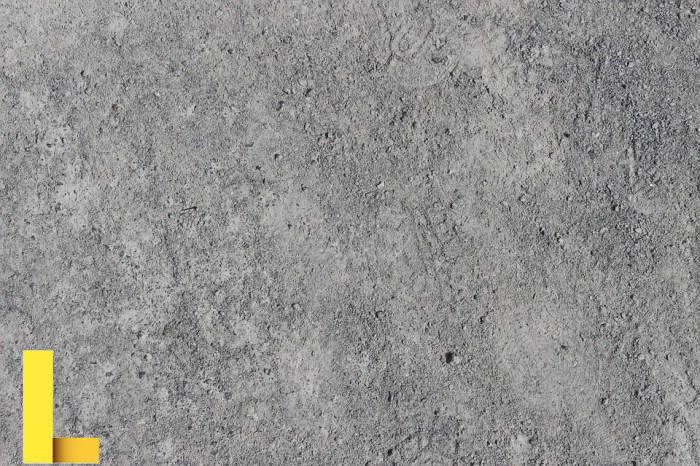
The longevity and aesthetic appeal of a cement picnic table are significantly influenced by its initial placement and the ongoing care it receives. Proper planning for installation and adherence to a consistent maintenance regimen are crucial steps to ensure the table remains a functional and attractive asset for many years, enduring various environmental conditions and heavy usage.
Essential Site Preparation for Heavy Cement Picnic Tables
Before the installation of a substantial cement picnic table, meticulous site preparation is indispensable. This foundational work directly impacts the table’s stability, durability, and user safety, preventing issues such as uneven settling, water damage, or structural stress over time.
Site preparation typically involves a series of critical steps:
- Leveling the Ground: A perfectly level surface is paramount. An unlevel base can cause the table to wobble, become unstable, or even lead to cracking in the concrete due to uneven stress distribution. This often requires excavation and compacting the soil, followed by the addition of a leveling layer.
- Ensuring Adequate Drainage: Proper drainage around the table’s base is vital to prevent water pooling. Stagnant water can lead to erosion of the underlying soil, compromise the foundation, and in colder climates, cause frost heave which can lift and crack the table or its base. Creating a slight slope away from the installation site or incorporating a permeable base material can effectively manage water runoff.
- Foundation Requirements: Given the substantial weight of cement tables, a robust foundation is essential. For most residential applications, a compacted gravel base (typically 4-6 inches deep) topped with a layer of sand or fine gravel provides sufficient support and drainage. For public or high-traffic areas, a reinforced concrete pad (e.g., 4-inch thick concrete slab over compacted aggregate) might be necessary to distribute the load evenly and prevent sinking.
The specific requirements depend on the table’s weight and the soil type.
Best Practices for Cleaning and Maintaining Cement Picnic Tables
Regular cleaning and proactive maintenance are key to preserving the pristine appearance and structural integrity of cement picnic tables. These practices help to mitigate common issues such as staining, organic growth, and surface degradation, ensuring the table remains inviting and functional.
Cement picnic tables, known for their unwavering durability, are ideal for any busy outdoor environment. Their robust nature would certainly be appreciated at a dynamic venue such as the ucla recreation camp , providing steadfast seating for countless visitors. Ultimately, these concrete tables offer a practical, long-term solution for communal outdoor dining or gathering spots, requiring minimal upkeep.
Effective maintenance strategies include:
- Preventing Staining: The porous nature of cement makes it susceptible to staining from food spills, oils, and other substances. Applying a high-quality concrete sealer immediately after installation and re-applying every 1-3 years (depending on traffic and exposure) creates a protective barrier. Promptly cleaning spills with mild soap and water is also crucial. For example, a red wine spill on an unsealed table can leave a permanent mark, whereas on a sealed surface, it can often be wiped away without residue.
- Managing Moss and Algae Growth: In damp or shaded environments, moss, algae, and mildew can flourish, leading to a slippery surface and an unkempt appearance. Regular cleaning with a stiff brush and a solution of water and mild detergent or a specialized concrete cleaner can remove these growths. For persistent issues, a diluted bleach solution (1 part bleach to 10 parts water) or a commercial biocide can be used, always rinsing thoroughly afterwards to prevent surface damage.
Pressure washing can also be effective, but should be done carefully to avoid eroding the cement surface.
- Preventing Surface Degradation: Beyond staining and organic growth, cement surfaces can degrade from harsh chemicals, abrasive cleaning, or freeze-thaw cycles. Avoid using strong acids or metal brushes, which can damage the surface. Re-sealing periodically protects against moisture penetration and general wear. In areas with harsh winters, covering the table during extreme cold can help prevent spalling or cracking caused by ice expansion within the concrete’s pores.
Procedure for Repairing Minor Cracks or Chips on Cement Picnic Table Surfaces
Even with diligent care, minor cracks or chips can occur on a cement picnic table surface due to impact or environmental stress. Addressing these imperfections promptly not only restores the table’s aesthetic appeal but also prevents further deterioration, extending its functional lifespan.
A systematic approach to repairing minor damage ensures a durable and seamless finish:
- Clean the Damaged Area: Begin by thoroughly cleaning the crack or chip. Use a wire brush or a small chisel to remove any loose debris, dirt, or crumbling concrete from within and around the affected spot. A vacuum cleaner can help extract fine particles.
- Prepare the Crack or Chip: For very fine cracks, it might be necessary to slightly widen them with a chisel or angle grinder to allow the repair material to penetrate effectively. For chips, ensure the edges are relatively clean and stable.
- Apply a Bonding Agent (Optional but Recommended): For better adhesion, especially with deeper repairs, apply a concrete bonding agent to the cleaned surface of the crack or chip. Follow the manufacturer’s instructions for application and drying time.
- Mix the Repair Mortar or Epoxy: Select a suitable concrete repair product, such as a vinyl-modified patching compound or a two-part epoxy specifically designed for concrete. Mix the product according to the manufacturer’s instructions to achieve a consistent, workable paste.
- Fill the Crack or Chip: Using a trowel or putty knife, firmly press the mixed repair material into the crack or chip, ensuring it fills all voids and is slightly overfilled. For deeper repairs, apply in layers, allowing each layer to partially set before adding the next.
- Smooth and Cure the Repair: Level the patched area with the surrounding surface using a trowel or float. Feather the edges to blend seamlessly. For best results, keep the repaired area moist during the curing process, which can involve covering it with plastic sheeting or misting it with water for several days, as per product instructions.
- Seal the Repaired Area (Optional): Once fully cured, consider applying a concrete sealer over the repaired area and potentially the entire table surface to ensure uniform protection and appearance.
Considerations for Anchoring Cement Picnic Tables in Public or High-Traffic Areas
In public parks, schoolyards, or other high-traffic environments, securing a cement picnic table is not merely a recommendation but often a necessity. Anchoring addresses critical concerns related to public safety, table stability, and asset protection against theft or vandalism.
The primary reasons for anchoring and common methods include:
- Ensuring Stability: An unanchored heavy table, while seemingly stable, can still be tipped or shifted, especially by multiple users or in cases of horseplay. In a school playground, for instance, an unsecured table could pose a significant safety hazard if it were to tip over, potentially causing severe injuries. Anchoring firmly secures the table, preventing accidental movement or capsizing.
- Deterring Theft and Vandalism: Despite their weight, unanchored cement tables can be moved or stolen with appropriate equipment. Anchoring significantly increases the effort required to remove the table, acting as a strong deterrent against theft and unauthorized relocation. For example, a public park in a metropolitan area might experience higher instances of theft if valuable amenities are not secured.
- Anchoring Methods:
- Surface Mounting: This involves bolting the table’s legs or base plates directly to an existing concrete slab or a newly poured concrete pad using heavy-duty, tamper-proof anchor bolts (e.g., wedge anchors, drop-in anchors). The bolts are typically countersunk and filled to prevent tampering.
- Subsurface Anchoring (Embedding): For maximum security and stability, the table legs can be embedded directly into concrete footings poured into the ground. This method essentially makes the table a permanent fixture, highly resistant to movement or theft. This is a common practice for street furniture in urban landscapes.
- Cable or Chain Systems: While less common for the primary anchoring of heavy tables, heavy-gauge steel cables or chains can be used in conjunction with other methods, securing the table to an immovable object or ground anchor for added deterrence in specific situations.
- Regulatory Compliance: Many municipalities and public institutions have specific regulations or guidelines for the installation of public furniture, often requiring anchoring for safety and security. Compliance with these local codes is essential to avoid liability issues and ensure public welfare.
Outcome Summary

Ultimately, the cement picnic table stands as more than just a piece of outdoor furniture; it is an investment in lasting utility and aesthetic appeal. By considering its design versatility, robust material science, and practical care, one can transform any outdoor area into a functional and inviting hub. Its enduring nature and customizable potential truly solidify its place as a smart, sustainable choice for enriching communal outdoor experiences for years to come.
Common Queries
How heavy are cement picnic tables?
Cement picnic tables are typically very heavy, ranging from several hundred to over a thousand pounds. This weight often necessitates specialized equipment or multiple people for any relocation.
Are they comfortable to sit on?
While exceptionally durable, the hard surface of cement tables can be less comfortable than wood or plastic. Adding cushions or throws is highly recommended for extended seating comfort.
How do cement picnic tables withstand extreme weather?
They are exceptionally resilient to most weather conditions, including sun, rain, and snow. While freezing and thawing cycles can cause minor surface wear over many years, their structural integrity is rarely compromised.
Can I paint a pre-existing cement picnic table?
Yes, you can paint an existing cement picnic table. Proper surface preparation, including thorough cleaning and priming, is crucial for ensuring good paint adhesion and long-lasting durability. Use an exterior-grade concrete or masonry paint.
What is the typical lifespan of a cement picnic table?
With proper care and maintenance, a high-quality cement picnic table can last for many decades, often 50 years or more, making it a very long-term and worthwhile investment for any outdoor space.

