

Pagan picnic represents a delightful fusion of ancient reverence for nature and contemporary communal celebration, offering a unique opportunity to connect deeply with both the natural world and fellow participants. These gatherings transcend mere social events, serving as vibrant expressions of gratitude for the earth’s bounty and the spirit of shared experience.
From thoughtfully selected outdoor venues to menus emphasizing seasonal, locally sourced fare, every aspect of a pagan picnic is designed to foster harmony and belonging. Participants engage in activities ranging from cooperative games and creative crafts to simple rituals of blessing, all while embracing the rhythms of the seasons and the profound joy of collective presence.
Embracing Seasonal Rhythms

The essence of pagan gatherings often finds its deepest roots in the cyclical dance of nature, a profound connection that shapes both the timing and tenor of communal celebrations. Understanding and aligning with these natural rhythms allows participants to experience a more resonant and authentic engagement with the world around them, fostering a sense of belonging to something ancient and ever-renewing.
This intrinsic connection underscores the importance of seasonal awareness in crafting meaningful outdoor events, transforming simple picnics into powerful celebrations of life’s continuous ebb and flow.This approach to community gathering emphasizes a conscious attunement to the earth’s calendar, recognizing that each season offers unique energies and opportunities for reflection, celebration, and connection. By observing these natural shifts, events can be tailored to harmonize with the prevailing atmosphere, from the blossoming vitality of spring to the introspective quiet of winter, ensuring that every gathering feels perfectly suited to its moment in time.
Celestial and Earthly Inspirations for Gatherings
Outdoor community events draw significant inspiration from specific seasonal markers and celestial phenomena, which serve as natural anchors for celebrations and communal activities. These events provide a framework for understanding the year’s progression and offer potent symbolic meaning for participants.
- Solstices: The summer solstice, marking the longest day, is a pinnacle of light and life, often inspiring vibrant, outward celebrations of abundance and fertility. Conversely, the winter solstice, the longest night, encourages introspection, hope for the returning light, and gatherings focused on warmth and community in the darkness.
- Equinoxes: The spring equinox signifies balance and new beginnings, a time for planting intentions and celebrating renewal as day and night are of equal length. The autumn equinox, similarly balanced, marks the harvest season, prompting gratitude for nature’s bounty and preparation for the colder months.
- Lunar Cycles: The phases of the moon, particularly the full and new moons, have long been potent times for gathering. Full moons inspire celebrations of manifestation, intuition, and communal energy, while new moons often prompt introspection, goal setting, and quiet contemplation, sometimes leading to more intimate gatherings.
- Meteor Showers and Constellations: Specific celestial displays, such as the Perseid meteor shower in August or the visibility of certain constellations like Orion in winter, can inspire unique nighttime gatherings. These events encourage stargazing, storytelling, and a sense of wonder at the vastness of the cosmos, often accompanied by warm drinks and quiet conversation.
Seasonal Influence on Activities and Ambiance
The distinct characteristics of each season profoundly influence the choice of activities and the overall atmosphere of outdoor community events. Tailoring gatherings to the prevailing seasonal energy enhances the experience, making each event feel harmonious and purposeful.
| Season | Characteristic Atmosphere | Typical Activities |
|---|---|---|
| Spring | Renewal, fresh beginnings, gentle awakening, hope. | Seed planting rituals, nature walks, light crafts (e.g., flower crowns), communal garden preparation, spring cleaning, celebrating fertility and new life. |
| Summer | Abundance, warmth, vibrancy, joyous celebration, long days. | Outdoor feasts, bonfires, dancing, active games, swimming, storytelling under the stars, music performances, communal cooking over open flames, late-night revelry. |
| Autumn | Harvest, reflection, gratitude, preparing for rest, rich colors. | Harvest festivals, apple pressing, cider making, storytelling around a fire, communal feasting with seasonal produce, leaf collecting, gratitude ceremonies, preserving foods. |
| Winter | Introspection, quietude, warmth indoors, hopeful anticipation of light’s return. | Indoor gatherings, divination practices, candlelit meals, storytelling, crafting warm garments, sharing dreams and plans for the new year, celebrating the return of the light. |
A Midsummer Gathering’s Radiant Splendor
Imagine a midsummer gathering, a scene bathed in the golden, late afternoon light, stretching languidly towards a twilight that seems reluctant to fully descend. The air, still warm from the day’s peak, carries the sweet scent of honeysuckle and freshly cut grass, mingling with the distant, smoky aroma of a burgeoning bonfire. Laughter rings freely through the air, punctuated by the gentle strumming of a guitar and the rhythmic beat of a hand drum, drawing people into impromptu dances on the soft earth.
Children, their faces smeared with berry juice, chase fireflies that begin to blink into existence as the sun dips lower, painting the sky in hues of orange and rose.
“On the longest day, the sun’s power reigns supreme; celebrate its warmth, its light, and the vibrant life it brings.”
Tables laden with an abundant feast sprawl across the green, offering a kaleidoscope of seasonal fruits, garden-fresh salads, crusty bread, and grilled vegetables, all shared communally. Garlands of wildflowers adorn hair and wrists, a testament to the day’s simple beauty and the joy of connection. As the sun finally dips below the horizon, casting long, purple shadows, the bonfire flares to life, its crackling warmth drawing everyone closer.
Stories are exchanged, songs are sung, and a deep sense of communal joy and gratitude permeates the atmosphere, a vibrant celebration of life’s peak and the enduring warmth of human connection under the vast, darkening canvas of the summer sky.
Fostering Community and Connection

A pagan picnic transcends a simple gathering; it is an opportunity to cultivate a vibrant, supportive community where individuals feel a sense of belonging and shared purpose. Creating an environment that encourages genuine interaction and connection is paramount to the success and longevity of such events, allowing diverse paths to converge and flourish.
Encouraging Inclusive Participation and Interaction
Ensuring every attendee feels welcomed and empowered to engage is fundamental to building a strong community. Proactive measures can facilitate a truly inclusive atmosphere where diverse perspectives are not only tolerated but celebrated, leading to richer interactions and deeper bonds.
- Warm Welcome Stations: Establish a clear, friendly point of entry where new arrivals can be greeted, offered basic information, and perhaps paired with a “buddy” or a small group to ease their integration into the event.
- Icebreaker Activities: Designate short, optional activities at the beginning of the picnic that encourage lighthearted interaction without pressure. Simple prompts like “Share one thing you appreciate about nature” or “Introduce yourself and one pagan tradition you observe” can be effective.
- Designated “Quiet Zones”: Recognize that not everyone thrives in high-energy social settings. Provide clearly marked areas where individuals can relax, reflect, or engage in quieter, one-on-one conversations without feeling overwhelmed.
- Diverse Activity Offerings: Plan a range of activities catering to different interests and energy levels, from active games to contemplative crafts or discussion circles, ensuring there’s something for everyone to participate in comfortably.
- Facilitated Discussion Circles: Organize small, guided discussions on relevant pagan topics. A neutral facilitator can ensure everyone has a chance to speak and that conversations remain respectful and constructive.
Narratives and collective moments are powerful catalysts for forging deep, meaningful connections within a community. When individuals share their personal journeys, insights, and experiences, they create bridges of understanding and empathy that strengthen the communal fabric.
Storytelling, whether personal anecdotes about spiritual awakenings, humorous tales of ritual mishaps, or ancestral myths, provides a window into the diverse spiritual paths present. It humanizes experiences, allowing listeners to find common ground and shared values even amidst differing practices. Shared experiences, such as participating in a collective ritual, creating a communal art piece, or even simply sharing a meal, build a collective memory bank.
These moments become touchstones, referenced in future gatherings, reinforcing the group’s history and shared identity.
“Stories are not just entertainment; they are the threads that weave us into the tapestry of community, revealing our common humanity and shared spiritual journey.”
These shared narratives and experiences foster a sense of belonging, making individuals feel seen, heard, and valued. They transform a group of attendees into a cohesive community, bound by mutual respect and understanding.
Cooperative Games and Activities for Fellowship
Engaging in activities that require teamwork and collaboration can effectively break down barriers and build rapport among attendees. These games emphasize collective success over individual competition, fostering a spirit of mutual support and shared joy. Here are some simple, cooperative options suitable for a picnic setting:
- Human Knot: Participants stand in a circle, reach across, and grab two different hands from people opposite them. The goal is for the group to untangle themselves into a single circle without letting go of hands. This activity requires communication, problem-solving, and physical cooperation.
- Group Storytelling: One person starts a story with a sentence, and each subsequent person adds another sentence, building a collaborative narrative. This encourages creativity, active listening, and shared imagination.
- Blindfolded Obstacle Course (Guided): Set up a simple, safe “course” with natural obstacles (e.g., a fallen log, a low branch). Participants are blindfolded and guided verbally by a partner or small group through the course. This builds trust and communication skills.
- Community Art Project: Provide a large canvas or a collective craft (e.g., decorating prayer flags, creating a nature mandala). Everyone contributes to a single piece of art, symbolizing their collective creativity and shared presence.
- “Pass the Pulse” Circle: Participants sit in a circle, holding hands. One person squeezes the hand of the person next to them, who then passes the squeeze to the next, and so on, around the circle. The goal is to pass the “pulse” as quickly and smoothly as possible, promoting non-verbal communication and synchronized action.
- Nature Scavenger Hunt (Collaborative): Instead of competing, teams work together to find a list of natural items (e.g., “something smooth,” “a feather,” “a leaf with five points”). The emphasis is on sharing discoveries and completing the list as a group.
Crafting the Communal Feast
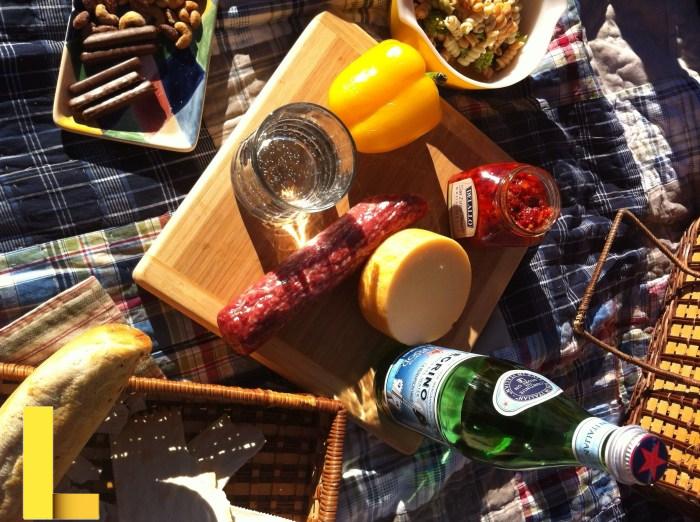
Food is a profound connector, especially within pagan traditions where sharing a meal often becomes a sacred act of community and gratitude. It is an opportunity to honor the bounty of the earth and the hands that prepared it, deepening our connection to both nature and one another. A communal feast at a pagan picnic transcends mere sustenance, becoming a central ritual of togetherness and celebration.This section delves into the thoughtful creation of such a feast, focusing on how we can design a menu that is not only delicious and satisfying but also deeply aligned with our values.
We will explore the principles of seasonality and local sourcing, ensuring our dishes reflect the cycles of the earth, and embrace the spirit of a potluck, inviting everyone to contribute their unique culinary magic.
Organizing a pagan picnic offers a wonderful opportunity for community and creativity. While planning the festivities, one might consider incorporating handmade elements, perhaps from local craft opportunities. Engaging with recreation center pottery classes can provide unique vessels or decorative pieces, adding a personal touch to your sacred gathering. Such handcrafted items truly enhance the spirit of any pagan celebration.
Designing the Seasonal Potluck Menu
A truly magical communal feast begins with a menu designed to honor the season, support local producers, and encourage shared contributions. The emphasis is on fresh, wholesome ingredients that can be easily prepared, transported, and enjoyed outdoors, fostering a relaxed and inclusive dining experience for all.When planning for a pagan picnic, consider these categories for a well-rounded and harmonious potluck spread:
- Vibrant Salads: Focus on fresh, seasonal greens, grains, and vegetables. Think bright, herbaceous dressings that can be added just before serving to maintain crispness.
- Hearty Sides & Mains: Dishes that hold well at room temperature are ideal. Roasted vegetables, substantial grain salads, frittatas, or savory tarts provide satisfying options without requiring constant heating.
- Artisan Breads & Spreads: Offer a variety of homemade or locally sourced breads, accompanied by flavorful dips, pestos, or herb-infused butters.
- Seasonal Fruits & Desserts: Capitalize on the natural sweetness of ripe fruits. Simple fruit salads, crumbles, or small, transportable cakes and cookies are always welcome.
- Refreshing Beverages: Infused waters, herbal teas, or homemade lemonades provide hydration and complement the meal beautifully.
“The most delicious meals are often those shared, where each dish tells a story of care, connection, and the earth’s generous spirit.”
Recipes for Outdoor Enjoyment
Preparing dishes for an outdoor communal feast requires thoughtfulness regarding transportability, temperature stability, and ease of serving. The following recipes are designed to be robust, flavorful, and enjoyable whether served slightly warm or at room temperature, making them perfect additions to any potluck gathering.Here are three distinct and easy-to-prepare dishes that travel well and delight the senses:
1. Mediterranean Quinoa Salad
This vibrant salad is packed with protein and fresh flavors, making it a substantial and refreshing option that holds up beautifully outdoors.
- Ingredients:
- 1 cup quinoa, rinsed
- 2 cups vegetable broth or water
- 1 cucumber, diced
- 1 cup cherry tomatoes, halved
- 1/2 red onion, finely diced
- 1/2 cup Kalamata olives, pitted and halved
- 1/4 cup fresh parsley, chopped
- 1/4 cup fresh mint, chopped
- 1/4 cup crumbled vegan feta (optional)
- For the Dressing:
- 3 tablespoons extra virgin olive oil
- 2 tablespoons fresh lemon juice
- 1 clove garlic, minced
- 1/2 teaspoon dried oregano
- Salt and black pepper to taste
- Instructions:
- Combine rinsed quinoa and vegetable broth (or water) in a saucepan. Bring to a boil, then reduce heat to low, cover, and simmer for 15 minutes, or until all liquid is absorbed. Fluff with a fork and let cool completely.
- In a large bowl, combine the cooled quinoa, diced cucumber, cherry tomatoes, red onion, olives, parsley, mint, and vegan feta (if using).
- In a small bowl, whisk together all dressing ingredients until well combined.
- Pour the dressing over the salad and toss gently to coat everything evenly.
- Cover and refrigerate for at least 30 minutes to allow flavors to meld.
- Transport Tip: Store the salad in an airtight container. If preparing far in advance, keep the dressing separate and mix it in just before serving to maintain freshness.
2. Roasted Root Vegetable Medley with Herbs
A comforting and grounding dish, this medley showcases the natural sweetness of root vegetables, enhanced by aromatic herbs. It’s delicious warm or at room temperature.
- Ingredients:
- 2 carrots, peeled and chopped into 1-inch pieces
- 2 parsnips, peeled and chopped into 1-inch pieces
- 1 sweet potato, peeled and chopped into 1-inch pieces
- 1 red onion, cut into wedges
- 3 tablespoons olive oil
- 1 tablespoon fresh rosemary, chopped
- 1 tablespoon fresh thyme, chopped
- Salt and black pepper to taste
- Instructions:
- Preheat oven to 400°F (200°C).
- In a large bowl, combine the chopped carrots, parsnips, sweet potato, and red onion.
- Drizzle with olive oil, then sprinkle with rosemary, thyme, salt, and pepper. Toss well to ensure all vegetables are evenly coated.
- Spread the seasoned vegetables in a single layer on a large baking sheet.
- Roast for 30-40 minutes, or until the vegetables are tender and slightly caramelized, stirring halfway through.
- Let cool slightly before transferring to a transport container.
- Transport Tip: Once cooled, pack the roasted vegetables in a sturdy, airtight container. They are equally delightful served at room temperature.
3. Berry & Lemon Infused Water
A refreshing and visually appealing drink that offers a delightful alternative to sugary beverages, providing natural hydration and a burst of flavor.
- Ingredients:
- 8 cups filtered water
- 1 cup mixed berries (strawberries, blueberries, raspberries), fresh or frozen
- 1 lemon, thinly sliced
- 1/4 cup fresh mint leaves, lightly bruised
- Instructions:
- Gently rinse the mixed berries and mint leaves. Slice the lemon thinly.
- In a large pitcher or dispenser, combine the water, mixed berries, lemon slices, and mint leaves.
- Stir gently to combine.
- Refrigerate for at least 2 hours to allow the flavors to infuse. The longer it infuses, the stronger the flavor.
- Transport Tip: Prepare the infused water in a large, leak-proof pitcher or dispenser with a secure lid. Keep it chilled in a cooler until serving.
A Feast for the Senses: The Communal Table
Imagine a long, rustic wooden table, perhaps draped with a simple linen cloth in an earthy tone, nestled beneath the dappled shade of ancient oak trees. The setting sun casts a golden glow, highlighting the vibrant array of dishes that collectively form our communal feast. The air is alive with a symphony of aromas—the fresh, herbaceous notes of the Mediterranean quinoa salad mingling with the savory, roasted scent of root vegetables and the bright, citrusy perfume of infused water.Visually, the table is a tapestry of colors and textures.
Deep reds of halved cherry tomatoes contrast with the emerald green of fresh parsley and mint, interspersed with the sunny yellow of lemon slices and the rich purples of roasted sweet potatoes and blueberries. Hand-thrown ceramic bowls hold creamy dips, while woven baskets overflow with artisanal breads, their crusts glistening and inviting. Smooth, cool stones or small bundles of fresh wildflowers act as natural centerpieces, grounding the display in the beauty of the surrounding environment.
Laughter and easy conversation drift through the air, punctuated by the gentle clinking of reusable cutlery against ceramic plates. Each dish, lovingly prepared and shared, contributes to an atmosphere of abundance, warmth, and profound connection, reflecting the true spirit of the pagan picnic.
Activities and Creative Expression

Engaging in hands-on activities and creative expression is a fundamental aspect of fostering deeper connections during a pagan picnic. These activities not only provide entertainment but also serve as conduits for individual introspection, communal bonding, and a heightened appreciation for the natural world. By actively participating in creative endeavors, attendees can weave their personal energy and intentions into the collective experience, enriching the overall atmosphere and purpose of the gathering.
This segment Artikels various ways to integrate such meaningful engagement into the picnic.
Hands-on Activities for Engagement
Incorporating hands-on activities encourages participants to connect with their environment in a tangible and imaginative way, moving beyond passive observation to active creation. These activities can be tailored to various skill levels and interests, ensuring everyone feels welcome to contribute and express themselves. The focus remains on utilizing natural materials and fostering a sense of shared artistry.
-
Crafting with Natural Materials
Crafting with elements gathered from nature provides a direct link to the land and encourages resourcefulness. Participants can transform simple items like leaves, twigs, stones, and flowers into meaningful art pieces or practical items, celebrating the abundance of the earth.
- Leaf Printing and Pressing: Collect various leaves and use fabric paint or natural dyes to create prints on cloth bags, paper, or plain t-shirts. Alternatively, participants can press leaves between wax paper to create decorative bookmarks or suncatchers.
- Nature Mandalas: Using fallen leaves, petals, pebbles, pinecones, and twigs, participants can collaboratively or individually create intricate circular patterns on the ground. These temporary art pieces symbolize unity and the cyclical nature of life.
- Woven Bracelets or Baskets: Simple weaving techniques can be taught using pliable grasses, reeds, or thin willow branches. This activity connects participants to ancient crafts and the rhythm of natural processes.
- Stone Painting: Smooth river stones can be painted with symbols, animals, or abstract designs using non-toxic, weather-resistant paints. These painted stones can then be placed around the picnic area as offerings or taken home as keepsakes.
-
Communal Art Projects
Communal art projects foster collaboration and shared vision, allowing individuals to contribute to a larger, collective creation. These projects emphasize the beauty of combined efforts and often result in striking, temporary installations that celebrate the spirit of the gathering.
- Earth Altar or Shrine: Designate a central spot for a communal altar where everyone can contribute natural items like flowers, crystals, herbs, or small found objects. This becomes a focal point for gratitude and shared intention.
- Collective Nature Collage: Provide a large canvas or piece of natural fabric and invite participants to glue or arrange natural elements onto it. This could be themed around the season, local flora and fauna, or a specific intention for the picnic.
- Temporary Land Art Installations: Encourage groups to create large-scale, ephemeral art using only natural materials found on site. Examples include spirals of stones, pathways of leaves, or sculptures made from branches, which gently return to nature after the event.
-
Nature Observation and Journaling
Engaging in focused nature observation helps participants slow down, become more present, and deepen their sensory awareness of the environment. Journaling provides an outlet for processing these observations and reflections.
- Guided Sensory Walk: Lead participants on a silent walk, encouraging them to focus on specific senses: the scent of the earth, the sound of the wind, the texture of bark, the colors of the foliage. Provide prompts for observation.
- “Sit Spot” Reflection: Ask participants to find a quiet spot to sit alone for 15-20 minutes, observing everything around them without judgment. Afterward, they can share their experiences or jot down their thoughts in a nature journal.
- Phenology Wheel Creation: Provide blank circular charts for participants to fill in observations about the changing season, such as blooming flowers, migrating birds, or weather patterns, connecting them to the annual cycle.
Organizing a Group Music-Making Session
Communal music-making is a powerful way to build community, elevate spirits, and create a shared vibrational experience. It transcends individual musical skill, focusing instead on collective rhythm and intuitive expression. Facilitating such a session can be incredibly rewarding, creating lasting memories and a sense of unity among participants.An effective group music session begins with clear guidance and an emphasis on participation over performance.
The facilitator’s role is to set a comfortable pace, introduce simple rhythms, and encourage everyone to contribute their unique sound. This fosters an inclusive environment where musical inhibitions can be set aside, allowing for spontaneous and joyful expression.
- Appoint a Facilitator: Choose someone with a good sense of rhythm and a warm, encouraging demeanor to lead the session. This person will set the tempo, introduce rhythms, and guide the group.
- Gather Accessible Instruments: Prioritize instruments that are easy to play and don’t require extensive musical training. A diverse range of sounds adds richness to the ensemble.
- Hand Drums: Djembes, frame drums, or even improvised drums like buckets or upturned pots provide a strong rhythmic foundation.
- Shakers and Rattles: Maracas, egg shakers, or homemade rattles filled with seeds or beans offer textural sound.
- Tambourines and Bells: These add sparkle and can be easily incorporated into various rhythms.
- Rhythm Sticks: Simple wooden sticks that can be clapped together, creating a clear percussive sound.
- Vocalizations: Encourage humming, chanting simple phrases, or even creating wordless melodies. The human voice is the most accessible instrument.
- Improvised Percussion: Spoons, clapping, stomping, or even gently tapping on natural surfaces like tree trunks can be integrated.
- Start with a Simple Rhythm: The facilitator can begin by establishing a basic, repetitive beat on a drum or with clapping. Invite others to join in, one by one, adding their own rhythm on top of the established beat.
- Encourage Call and Response: Introduce simple rhythmic or melodic phrases that the group can echo back. This creates an interactive dynamic and helps participants learn to listen to each other.
- Emphasize Listening and Flow: Remind participants that the goal is to create a harmonious sound together, not to play the loudest or most complex part. Encourage them to listen to the collective rhythm and find their place within it.
- Introduce Dynamics: Guide the group to play softer or louder, faster or slower, creating a dynamic and evolving soundscape. This adds interest and emotional depth to the music.
- Bring to a Gentle Close: Signal the end of the session by gradually slowing the tempo and reducing the volume, allowing the music to gently fade into silence.
“Communal music is not about perfect notes, but about shared vibrations and the spontaneous symphony of connected hearts.”
Leading a Guided Meditation or Visualization Exercise Focused on Natural Elements
A guided meditation or visualization exercise offers a profound opportunity for participants to deepen their inner connection to nature, fostering a sense of peace, grounding, and spiritual renewal. These exercises help individuals quiet their minds and immerse themselves in the restorative power of natural imagery and sensation.The effectiveness of a guided meditation lies in the leader’s ability to create a safe, calm space and to use descriptive language that engages the participants’ senses and imagination.
The goal is to transport them mentally into a natural setting, allowing them to experience its calming and invigorating qualities.
- Preparation of the Space: Select a quiet area of the picnic site, away from excessive noise or distractions. Ask participants to find a comfortable sitting or lying position, ensuring they feel supported and relaxed. Offer blankets or cushions if available.
- Initial Grounding and Breathwork: Begin by inviting participants to close their eyes gently or soften their gaze. Guide them through a few deep, slow breaths, encouraging them to release tension with each exhale. Focus on the sensation of their body connecting with the earth beneath them.
- Introduction of the Natural Element Theme: Clearly state the natural element that will be the focus of the meditation. For instance, “Today, we will journey into the heart of an ancient forest” or “We will connect with the gentle flow of a mountain stream.”
- Sensory Immersion through Visualization: Use vivid, descriptive language to paint a picture of the chosen natural element, engaging all five senses.
- Visuals: “Imagine the vibrant green of the moss underfoot, the sunlight dappling through the leaves above.”
- Sounds: “Listen to the gentle rustle of the wind, the distant call of a bird, the soft gurgle of water nearby.”
- Touch: “Feel the cool, smooth bark of a tree against your hand, the soft texture of grass, the warmth of the sun on your skin.”
- Smell: “Breathe in the earthy scent of damp soil, the fresh aroma of pine needles, the sweet fragrance of wildflowers.”
- Taste (if applicable): “Perhaps you taste the crisp, clean air, or imagine the pure, cool water on your tongue.”
- Narrative and Interaction: Guide participants to interact with the element in their imagination. For example, if the theme is a tree, invite them to “lean against its sturdy trunk, feeling its strength,” or “imagine their own roots extending deep into the earth, drawing nourishment.”
- Integration of Qualities: Encourage participants to absorb the positive qualities associated with the natural element. For a tree, this might be “stability, growth, wisdom, and resilience.” For a river, “flow, cleansing, adaptability, and renewal.”
- Gentle Return: Slowly guide participants back to their physical surroundings. “Begin to bring your awareness back to the sounds around you, the feeling of the ground beneath you.” Ask them to gently wiggle their fingers and toes, and when ready, to slowly open their eyes, bringing the peace and insights from their journey back with them.
Incorporating Simple Rites and Blessings
Integrating simple rites and blessings into a pagan picnic can significantly deepen the experience, transforming a mere social gathering into a truly meaningful communal event. These practices, often non-denominational and adaptable, serve to ground participants in the present moment, foster gratitude, and acknowledge the natural world that sustains us. They provide gentle anchors for reflection, connection, and collective intention, enriching the fabric of the shared day.Such rituals are not about strict dogma but about creating shared moments of reverence and mindfulness.
They invite everyone, regardless of their specific spiritual path, to connect with universal themes of abundance, community, and respect for the earth. By weaving these elements into the picnic, we cultivate a more profound sense of belonging and appreciation among all attendees.
A Gratitude Ritual for Food and Fellowship
Expressing gratitude for the nourishment and the company is a beautiful way to begin the communal feast, setting a tone of appreciation and mindfulness. This simple ritual focuses on the abundance received and the joy of shared experience, transcending specific beliefs to connect everyone on a fundamental level of thankfulness. It helps to pause the bustling energy of the picnic for a moment of collective reflection before diving into the food.Consider these steps for a brief, non-denominational ritual:
- Gathering Moment: Before the meal officially begins, invite everyone to gather around the food table or in a central circle. Suggest a moment of quiet, allowing everyone to settle and bring their attention to the present.
- Shared Acknowledgment: One designated person, or even a few people taking turns, can offer a simple statement of gratitude. This statement should be inclusive and focus on universal elements.
- Collective Affirmation: After the statement, everyone can join in a simple, resonant affirmation. This shared vocalization helps to solidify the collective energy of gratitude.
- Blessing the Sustenance: A gentle gesture, such as placing hands over the food or simply looking at it with appreciation, can accompany the verbal blessing. This act acknowledges the journey of the food from the earth to the table.
“We give thanks for this food, for the sun, the rain, and the earth that brought it forth. We give thanks for the hands that prepared it and for the company gathered here. May this sustenance nourish our bodies and spirits, strengthening our bonds of community and connection. Blessed be.”
This moment does not need to be long or elaborate; its power lies in its sincerity and the collective participation it encourages, fostering a deeper appreciation for the shared meal and the people around the table.
Organizing a memorable pagan picnic often involves thoughtful venue selection, balancing nature’s embrace with practicalities. When outdoor conditions are less than ideal, exploring options like a recreation hall near me can offer a fantastic alternative for indoor festivities. This ensures your pagan picnic remains a delightful and accessible gathering, fostering community spirit without weather worries.
Facilitating Intentions and Wishes
Creating space for intention-setting or wish-making can be a deeply empowering activity, allowing individuals to voice their hopes and aspirations within the supportive energy of the group. This practice encourages personal reflection while also weaving individual desires into the collective tapestry of the gathering, fostering a sense of shared purpose and positive energy. It provides an opportunity for participants to contribute their personal hopes to the communal spirit of the picnic.To facilitate a meaningful “wish-making” or “intention-setting” activity, consider these approaches:
- Nature’s Vessels: Provide small, smooth stones, leaves, or biodegradable paper for participants to write down a personal wish or intention. Encourage them to focus on something they wish to cultivate within themselves, for the community, or for the wider world. Once written, these can be placed in a central bowl, tied to a designated “wish tree” branch, or gently returned to the earth (if biodegradable) at the end of the gathering.
- Whispered Wishes: Invite participants to whisper their intention into a natural object, such as a flower, a piece of wood, or even a cupped hand. They can then symbolically release this intention into the air or place the object into a shared container, symbolizing the collective offering of hopes.
- Guided Visualization: Lead a brief, gentle meditation where participants visualize their intention coming to fruition. This can be done individually or as a group, with a focus on feeling the positive emotions associated with their wish. After the visualization, offer a moment for anyone who feels called to share a general theme of their intention (without needing to reveal specifics).
This activity is particularly potent when paired with a central focal point, such as a small altar or a beautifully decorated bowl, which visually represents the collective aspirations of the group. The act of sharing, even silently, can amplify the energy of these intentions.
A Simple Closing Ceremony
Bringing the pagan picnic to a thoughtful close with a simple ceremony provides a sense of completion and allows participants to depart feeling acknowledged, refreshed, and connected. This final shared moment reinforces the bonds formed during the gathering and offers gratitude to the land that hosted the event. It’s an opportunity to consciously transition from the collective experience back to individual paths, carrying the positive energy forward.Here are suggestions for a simple closing ceremony that acknowledges the participants and the land:
- Circle of Gratitude: Invite everyone to gather one last time in a circle. Hold hands or simply stand in connection.
- Acknowledging the Land: Offer a brief verbal acknowledgment to the land, its spirits, and the natural elements that supported the gathering. This can be a simple phrase expressing thanks for the space and its blessings.
- Thanking Each Other: Encourage participants to take a moment to look at those around them, offering a silent or quiet spoken thanks for their presence and shared energy.
- Shared Farewell: Conclude with a collective phrase or a simple gesture that signifies the end of the formal gathering while acknowledging the lasting connection.
“We give thanks to this land for holding us, to the sun for its warmth, and to the air for its breath. We thank each of you for your presence, your laughter, and your open hearts. May the peace and joy we found here travel with us until we meet again. Go forth in peace, and blessed be.”
This closing ceremony is designed to be inclusive and adaptable, leaving participants with a sense of peace, gratitude, and renewed connection, gently preparing them for their journey home.
Practical Site Selection and Setup
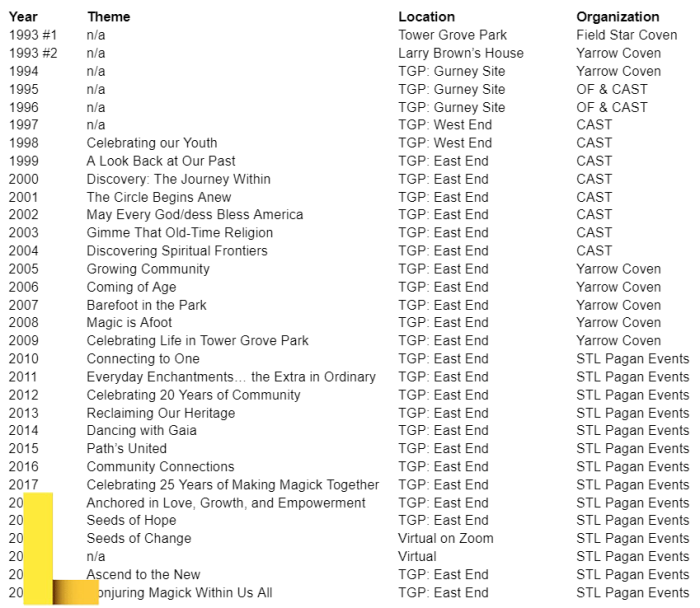
Selecting the ideal outdoor location for a pagan picnic is paramount to ensuring a successful, enjoyable, and harmonious gathering. This involves a careful assessment of both the natural environment and the practical logistics required to accommodate participants comfortably while upholding a deep respect for the land. Thoughtful planning in this stage sets the foundation for an event that is both magical and responsible.
Environmental and Logistical Site Selection
The process of choosing an appropriate outdoor location necessitates a comprehensive evaluation of various environmental and logistical factors. These considerations are crucial for ensuring the safety, accessibility, and overall suitability of the chosen site for the event.
-
Accessibility: Assess ease of access for all participants, including those with mobility challenges. This includes considerations for vehicle access, ample parking, and clear, safe pathways to the main gathering area. A site easily reachable by public transport or with carpooling options is often preferred.
-
Permits and Regulations: Thoroughly research and secure any necessary permits from local park authorities, private landowners, or relevant governing bodies. Understand and adhere to all local regulations concerning group gatherings, noise levels, fire restrictions, and operating hours. For instance, many public parks require permits for gatherings exceeding a certain number of people, often specifying rules on amplified sound or alcohol consumption.
-
Natural Shelter and Shade: Identify areas that offer natural protection from the elements, such as dense tree cover for shade on sunny days or a natural windbreak. This minimizes the need for extensive artificial setups and integrates the event more organically with its surroundings.
-
Water Source: Determine the availability of potable water on-site. If a safe drinking water source is not present, plan to bring a sufficient supply for all attendees, including extra for handwashing and any ritualistic uses.
-
Restroom Facilities: Evaluate the availability and condition of existing restroom facilities. If inadequate or absent, arrange for portable sanitation solutions, ensuring they are discreetly placed and regularly serviced.
-
Emergency Access: Confirm that the location allows for clear and rapid access for emergency services. This includes knowing the precise address or GPS coordinates of the site and ensuring paths are wide enough for emergency vehicles if necessary. Cellular reception should also be checked for emergency communication.
-
Ecological Sensitivity: Prioritize locations that are not ecologically fragile or protected areas where foot traffic could cause damage. Avoid nesting sites, rare plant habitats, or areas undergoing restoration. The goal is to choose a robust area that can sustain temporary human presence without harm.
-
Noise and Proximity: Consider the proximity to residential areas or other public spaces. Select a site where the event’s activities will not unduly disturb neighbors or other park users, fostering good community relations.
-
Terrain and Ground Cover: Evaluate the ground’s stability and comfort. Flat, even ground is preferable for seating and activities, while avoiding areas prone to mud, excessive dust, or sharp natural debris.
Practical Comfort and Convenience Provisions, Pagan picnic
Once a suitable site is identified, the next step involves meticulous planning for the comfort and convenience of all participants. These practical provisions ensure that the picnic experience is enjoyable, accessible, and runs smoothly for everyone involved.Consideration should be given to the following arrangements to enhance the overall experience:
-
Seating Arrangements: Provide a variety of seating options to accommodate different needs and preferences. This can include inviting guests to bring their own blankets or portable chairs, supplementing with shared picnic blankets, or utilizing natural features like fallen logs or sturdy rocks. For larger groups, a designated seating area with communal tables can foster interaction.
-
Shade Provisions: Even with natural shade, supplementary protection from the sun is often necessary, especially during peak daylight hours. Pop-up canopies, large tarps, or strategically placed umbrellas can create comfortable, shaded zones for eating, relaxing, and engaging in activities.
-
Waste Management System: Implement a clear and effective waste management strategy. This involves setting up clearly labeled receptacles for recycling (e.g., plastics, cans, glass), composting (e.g., food scraps, compostable plates), and general waste. Designate a central collection point and ensure a sufficient number of bins are available to prevent overflow. A system where participants are encouraged to sort their waste as they dispose of it significantly aids in the post-event cleanup.
-
Hydration Stations: Beyond individual water bottles, setting up communal hydration stations with large dispensers of water, possibly infused with fruits or herbs, ensures everyone stays well-hydrated throughout the event. Clearly mark these stations and provide reusable cups or encourage guests to bring their own.
-
First Aid Station: A well-stocked first aid kit should be readily accessible, along with at least one designated person knowledgeable in basic first aid. This ensures minor injuries or ailments can be addressed promptly and effectively.
-
Food Preparation and Serving Areas: If food is being prepared or served on-site, designate specific, clean areas for these activities. Implement strict hygiene protocols, including handwashing stations (e.g., water, soap, hand sanitizer), and measures to protect food from pests and contaminants. Consider temperature control for perishable items.
-
Informational Signage: Clear and concise signage can greatly enhance convenience. This includes directions to key areas (restrooms, first aid, food, activity zones), waste sorting instructions, and any important safety notices or site-specific rules.
Meticulous Adherence to Leave No Trace Principles
Ensuring that a pagan picnic leaves no discernible impact on its environment is a fundamental responsibility. Meticulous adherence to the “Leave No Trace” principles is not merely a suggestion but a guiding ethic that reflects respect for the land, its ecosystems, and future generations.The Leave No Trace Center for Outdoor Ethics Artikels seven core principles that provide a framework for minimizing environmental impact:
“Leave No Trace is about making good choices to protect the outdoor places we love. It’s about thinking ahead, taking responsibility, and sharing these ethics with others.”
Implementing these principles requires deliberate planning and collective effort:
-
Plan Ahead and Prepare: Before the event, thoroughly research the site, understand its specific regulations, and anticipate potential challenges. Pack out everything you pack in, including all food waste and packaging. This proactive approach minimizes the need for on-the-spot problem-solving and reduces potential impacts.
-
Travel and Camp on Durable Surfaces: Stick to existing trails, designated picnic areas, and established campsites. Avoid creating new paths or disturbing sensitive vegetation. For larger groups, concentrate activity in a single, durable area to minimize the spread of impact. This prevents soil erosion and damage to plant life.
-
Dispose of Waste Properly: The most visible aspect of Leave No Trace, this principle requires packing out all trash, including food scraps (even biodegradable ones, as they take time to decompose and can attract wildlife), and human waste. Provide sealable bags for personal trash and ensure designated waste collection points are clearly marked and emptied promptly. For human waste, if no facilities are available, dig catholes 6-8 inches deep and at least 200 feet from water, trails, and campsites, then cover thoroughly.
Organizing a pagan picnic provides a delightful opportunity for communal outdoor celebration. When considering suitable venues, exploring options through kissimmee parks and recreation can reveal ideal natural settings for your gathering. Such gatherings beautifully embrace seasonal changes and foster a sense of belonging within the pagan community.
-
Leave What You Find: Allow others to experience the beauty of an undisturbed natural environment. Do not collect natural objects like rocks, wildflowers, or historical artifacts. Avoid altering the site by building structures, digging trenches, or marking trees. An area should look exactly as it did before your arrival.
-
Minimize Campfire Impacts: If fires are permitted and desired, use existing fire rings. Keep fires small, and only use dead and downed wood that can be broken by hand. Never leave a fire unattended, and ensure it is completely extinguished and cold to the touch before departing. In areas with high fire danger, consider alternatives like portable stoves or lanterns.
-
Respect Wildlife: Observe animals from a distance and never approach, feed, or disturb them. Store food securely to prevent wildlife access, as human food can be harmful to animals and lead to aggressive behavior. Keep pets under control and clean up after them diligently.
-
Be Considerate of Other Visitors: Share the outdoors respectfully. Keep noise levels reasonable, especially in shared public spaces. Yield to other users on trails and be mindful of their experience. The goal is to foster a positive and harmonious atmosphere for everyone enjoying the natural space.
A pre-event briefing for all participants, emphasizing these principles, can significantly increase compliance. Furthermore, a thorough post-event sweep of the entire area by a dedicated team ensures that every trace of the picnic has been meticulously removed, leaving the site as pristine as it was found, or even better.
Accessibility and Inclusivity Planning
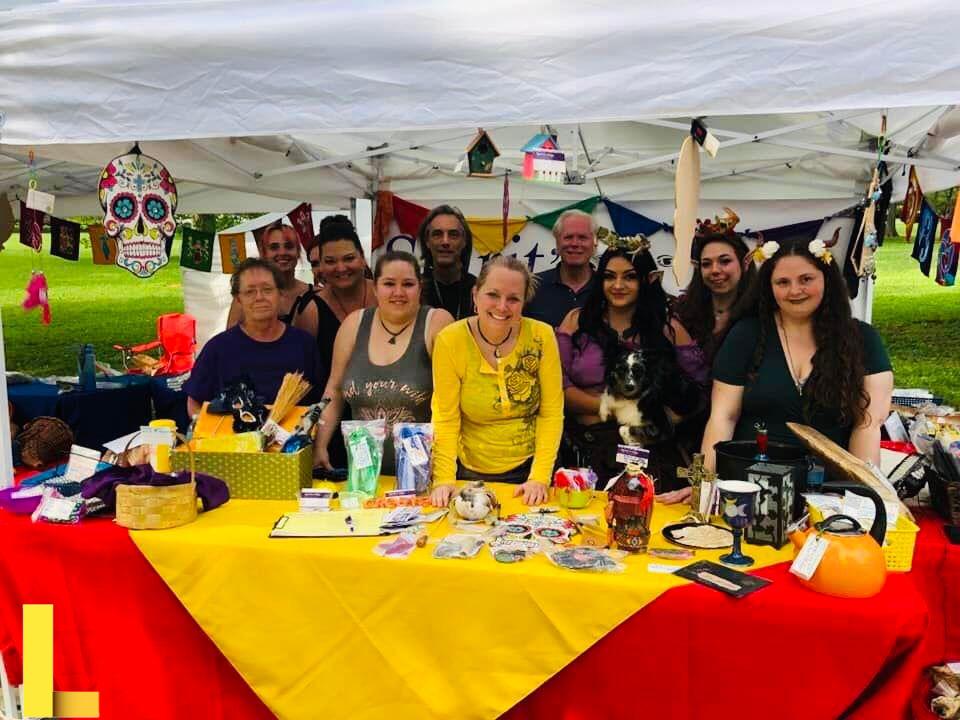
Creating a pagan picnic that truly embodies the spirit of community means ensuring everyone feels genuinely welcome and able to participate fully. Thoughtful planning for accessibility and inclusivity transforms a simple gathering into a truly communal and enriching experience for all attendees.An inclusive event proactively considers the diverse needs and backgrounds of potential participants, moving beyond mere compliance to foster an environment where every individual feels valued, respected, and has equitable access to the activities and shared space.
This approach recognizes that our community is rich with varying abilities, cultural perspectives, and personal circumstances, and celebrates these differences by making the event adaptable and accommodating.
Strategies for Welcoming Diverse Abilities
Designing an event with diverse abilities in mind involves proactive consideration of the physical environment and the nature of the activities. This ensures that individuals with varying mobility, sensory, or cognitive needs can navigate and engage comfortably. Prioritizing accessible pathways, offering varied seating options, and creating sensory-friendly zones are fundamental steps toward a truly inclusive gathering.Considerations for welcoming diverse abilities include:
- Site Selection: Choose a location with flat, stable terrain where possible, or clearly mark accessible routes if the site has varied topography. Avoid areas with steep inclines, loose gravel, or thick mud that could impede mobility devices.
- Accessible Pathways: Ensure clear, wide paths are available for wheelchairs, walkers, and strollers, free from obstructions. Consider laying down temporary mats over uneven ground if necessary.
- Varied Seating Options: Provide a mix of seating, including benches, chairs with backs, and ground-level options. Ensure some seating is at a height suitable for easy transfer from mobility devices.
- Restroom Access: Identify or provide accessible restroom facilities. If only portable options are available, ensure at least one is a spacious, accessible unit.
- Sensory-Friendly Spaces: Designate a quieter, less stimulating area where individuals can retreat if they become overstimulated by noise, crowds, or activity. This space should be clearly marked and easily accessible.
- Dietary Accommodations: Offer a range of food options to address common dietary restrictions (vegetarian, vegan, gluten-free, nut-free) and clearly label all dishes with ingredients.
- Assistance and Support: Make it clear how attendees can request assistance or accommodations, perhaps through a dedicated contact person or a clearly marked information point.
- Communication Aids: Consider providing large-print schedules or offering verbal descriptions of activities for those with visual impairments.
Accessibility and Comfort Checklist
A comprehensive checklist helps organizers systematically address potential barriers and enhance the overall comfort for all participants. This proactive approach ensures that the event’s design actively supports a wide range of needs, fostering an environment where everyone can relax and enjoy the shared experience without undue stress or difficulty.Before the event, consider the following for maximum accessibility and comfort:
- Parking and Drop-off: Are accessible parking spaces clearly marked and close to the event entrance? Is there a safe drop-off area for individuals needing assistance?
- Pathway Conditions: Are all main pathways firm, level, and at least 36 inches wide to accommodate wheelchairs and other mobility aids? Are potential trip hazards (roots, uneven ground) clearly marked or mitigated?
- Seating Availability: Is there ample seating, including options with backrests and armrests, distributed throughout the main activity areas and shaded zones?
- Restroom Facilities: Are accessible restrooms available, clearly signed, and regularly maintained?
- Signage and Navigation: Is all signage clear, easy to read (good contrast, large font), and placed at an accessible height? Are directions to key areas (restrooms, first aid, quiet zone) intuitive?
- Water Access: Are hydration stations easily reachable for all, including those in wheelchairs?
- Shade and Shelter: Are there sufficient shaded areas and/or designated shelters available for protection from sun or unexpected rain?
- First Aid Station: Is a well-equipped first aid station visible and staffed, with clear access for emergency services?
- Quiet/Sensory Zone: Is a designated, calm area available for individuals needing a break from sensory input, away from main activities?
- Dietary Information: Are all food items clearly labeled with ingredients, especially for common allergens and dietary preferences?
- Event Information: Is information about accessibility features available in advance of the event (e.g., on the event website or invitation)?
Inclusive Communication Strategies
Effective communication is paramount to creating an inclusive atmosphere where every attendee feels respected and valued, regardless of their background, identity, or abilities. This involves not only how information is shared, but also actively listening to feedback and adapting approaches to ensure everyone’s voice is heard and acknowledged. A proactive communication strategy helps to build trust and reinforces the message that diversity is celebrated.
“Inclusivity begins with the intention to understand and the commitment to adapt.”
Key communication strategies include:
- Clear and Respectful Language: Use inclusive language in all communications, avoiding jargon, slang, or assumptions about attendees’ backgrounds, relationships, or abilities.
- Pre-Event Information: Provide clear details about the event’s accessibility features and any accommodations available well in advance. Encourage attendees to communicate their specific needs confidentially.
- Point of Contact: Designate a specific, accessible point of contact (e.g., an email address or phone number) for attendees to ask questions or request accommodations before and during the event.
- Pronoun Respect: Include a space for preferred pronouns on registration forms or name tags, and encourage event staff and volunteers to use them respectfully.
- Diverse Representation: Ensure that event planning teams and volunteers reflect the diversity of the community, bringing a range of perspectives to the table.
- Active Listening and Feedback: Create opportunities for attendees to provide feedback on their experience, especially regarding accessibility and inclusivity. Be prepared to listen, learn, and implement changes for future events.
- Briefing Volunteers: Train all volunteers and staff on inclusive language, how to offer assistance respectfully, and how to handle various accessibility requests.
- Visual Communication: Supplement written information with visual aids where appropriate, such as maps with accessible routes highlighted.
Enhancing Atmosphere and Ambiance
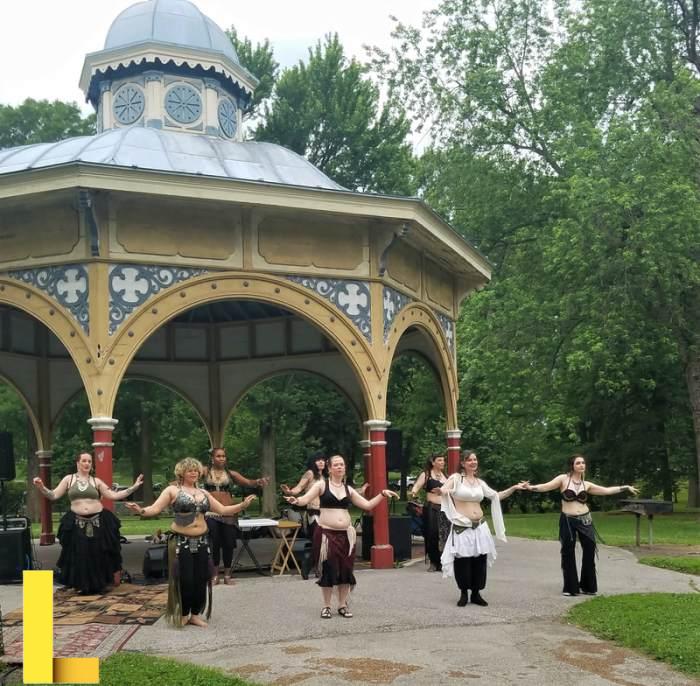
Creating a captivating atmosphere is paramount to transforming a simple outdoor gathering into a truly memorable and sacred pagan picnic. The intentional curation of sensory elements can deepen the connection to nature, foster a sense of wonder, and encourage relaxation and communal bonding among participants. Thoughtful attention to these details elevates the experience from a mere meal to a resonant celebration of seasonal rhythms and community spirit.
Elements of Enchanting Ambiance
The deliberate choice of decor, lighting, and scent plays a significant role in shaping the mood and energy of the picnic space. These elements work in concert to evoke a sense of magic, tranquility, and reverence for the natural world, enhancing the overall experience for everyone present.
- Natural Decor: Embracing the inherent beauty of the outdoor setting, decor should seamlessly blend with the environment. This includes gathering fallen leaves, branches, pinecones, and seasonal wildflowers to adorn tables and pathways. Simple wreaths or garlands crafted from local foliage can delineate gathering spaces, while natural elements like smooth river stones, crystals, or pieces of driftwood can serve as beautiful, grounding focal points.
-
Soft Lighting: As dusk approaches, gentle illumination becomes crucial for creating a warm and inviting glow. Battery-operated LED lanterns or solar-powered string lights can be strung through tree branches or draped around picnic areas, offering a subtle, magical twinkle. Flameless LED candles in safe holders provide the soft flicker of candlelight without fire hazards, especially useful on tables or near dry foliage.
A safely contained fire pit, if permitted, offers both warmth and a captivating focal point.
- Specific Scents: A carefully chosen aroma can deeply influence the atmosphere. Natural scents from blooming flowers or herbs in the surrounding environment are ideal. If enhancing further, consider subtle incense like sandalwood for grounding, frankincense for purification, or cedar for protection, ensuring it’s not overpowering and is well-ventilated. Essential oil diffusers with calming blends (e.g., lavender, cedarwood) or uplifting citrus notes can also be used sparingly to infuse the air with pleasant, evocative fragrances.
Crafting a Tranquil Evening Gathering
As daylight fades, the picnic can transition into a serene evening gathering, where the carefully arranged ambiance invites introspection, quiet conversation, and a deeper connection to the moment. This transition is marked by the interplay of light, sound, and comfort, creating an immersive experience.The scene of a tranquil evening gathering often centers around a gentle glow and soothing sounds. Imagine the soft, dancing light from a safely contained fire pit, its flames casting long, shifting shadows that mesmerize and draw people into its warmth.
This flickering firelight provides a primal focal point, encouraging storytelling and quiet contemplation, while also offering a comforting source of warmth as the air cools. Complementing this visual warmth are the gentle background sounds, which might include the natural symphony of rustling leaves, the distant hoot of an owl, or the chirping of crickets. If music is desired, it should be soft, instrumental, and played at a very low volume, perhaps ambient folk or nature-inspired melodies that blend rather than dominate.
Wind chimes, crafted from bamboo or metal, can add delicate, soothing tones that drift on the evening breeze. To ensure maximum comfort, the seating arrangements are crucial. Spreading an abundance of soft blankets and plush cushions directly on the ground creates an inviting, informal lounge area. Low-slung portable chairs or even a few hammocks can offer alternative seating options, allowing guests to relax fully.
The arrangement should foster intimate conversation circles while still providing enough space for ease of movement, encouraging guests to settle in and savor the peaceful twilight hours.
“The atmosphere of a gathering is not merely decorative; it is a living, breathing element that nurtures the spirit and deepens the collective experience.”
Designing the Communal Feast Table
The communal feast table serves as the heart of the pagan picnic, a place where sustenance, sharing, and connection converge. A thoughtfully designed table layout not only enhances the aesthetic appeal but also ensures practical accessibility and crucial dietary information for all participants. Clear labeling and organization are key to fostering an inclusive and comfortable dining experience.A long, rustic wooden table, perhaps adorned with a simple linen or burlap runner, becomes the central hub.
Scattered autumn leaves, small gourds, or sprigs of herbs can be artfully placed among the dishes, enhancing the natural theme. The layout should facilitate easy serving while providing essential information for guests with various dietary needs.
| Food Category | Serving Suggestions | Dietary Notes | Allergen Information |
|---|---|---|---|
| Appetizers & Snacks | Serve chilled or at room temperature, easy finger foods. | Variety of vegan, gluten-free, and nut-free options. | Specifics: Wheat (crackers), Dairy (cheese), Nuts (trail mix), Soy (some dips). |
| Main Dishes | Serve warm from insulated containers. Provide serving utensils for each dish. | Clearly label vegetarian, vegan, and meat-based options. | Specifics: Gluten (pasta, bread), Dairy (cream sauces), Meat (chicken, beef), Fish (salmon). |
| Side Dishes | Serve warm or chilled, family-style bowls. Encourage sharing. | Ensure a balance of vegetable-focused, grain-based, and legume-based options. | Specifics: Gluten (couscous), Dairy (butter in vegetables), Nuts (pecans in salad). |
| Desserts | Serve individually portioned or easily sliceable. Include fresh fruit options. | Offer vegan, gluten-free, and sugar-free alternatives where possible. | Specifics: Wheat (cakes, cookies), Dairy (milk, butter), Eggs (custards), Nuts (pies, tarts), Soy. |
| Beverages | Self-serve station with clearly labeled drinks. Offer water, herbal teas, and fruit juices. | Provide both caffeinated and non-caffeinated options. | Specifics: None for most, but check herbal tea blends for unexpected ingredients. |
Final Wrap-Up: Pagan Picnic
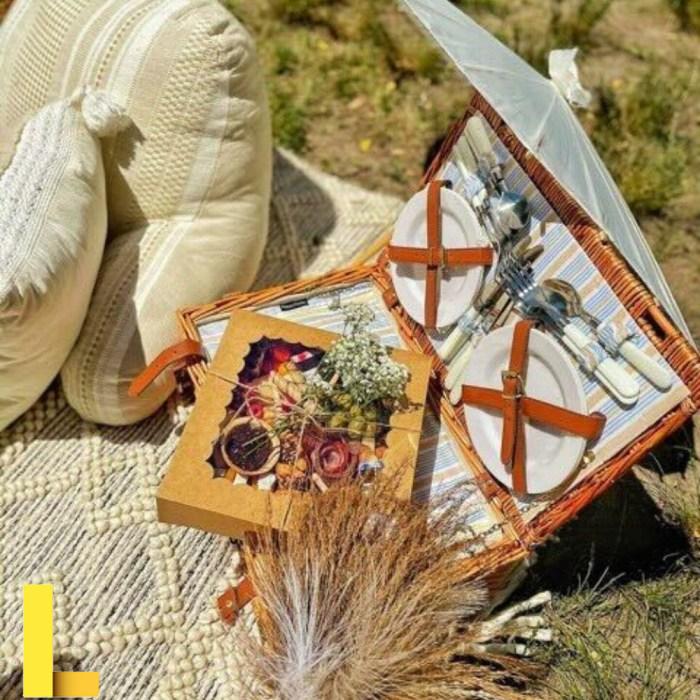
Ultimately, a pagan picnic is more than just an event; it is an immersive experience designed to enrich the spirit and strengthen community bonds through a profound connection with nature. By meticulously planning for inclusivity, sustainability, and an enchanting atmosphere, these gatherings cultivate lasting memories and a deeper appreciation for the world around us, inviting everyone to partake in its simple yet powerful magic.
FAQs
Is a pagan picnic exclusively for pagans?
No, not at all. These gatherings are typically open and welcoming to individuals from all spiritual paths or none, focusing on shared values of community, nature appreciation, and connection rather than specific religious dogma.
What should I bring to a pagan picnic?
Guests are often encouraged to bring a potluck dish to share, a blanket or chair for comfort, a reusable plate and cutlery, and an open heart. Specific event organizers may also suggest items for crafts or rituals.
Are children welcome at these events?
Absolutely. Many pagan picnics are family-friendly, designed to offer engaging activities and a welcoming environment for all ages. It is always a good idea to check with the specific event host for any age-related guidelines.
What kind of attire is appropriate for a pagan picnic?
Comfortable, weather-appropriate clothing is generally recommended, suitable for an outdoor setting and potential activities. Many attendees opt for natural fabrics or clothing that reflects their connection to nature, but personal comfort is key.

