

Recreational activities for students represent a cornerstone of holistic development, moving beyond traditional academic pursuits to cultivate well-rounded individuals prepared for life’s myriad challenges. These engagements are not merely pastimes but essential components that contribute significantly to physical vitality, mental resilience, and social cohesion within educational environments.
This exploration delves into the diverse spectrum of leisure pursuits available, categorizing them into various types and illustrating their practical application. We will examine their profound impact on student well-being, encompassing physical health, emotional stability, and enhanced social skills, alongside discussing effective strategies for promoting access and engagement across the student body.
Exploring Diverse Recreational Pursuits
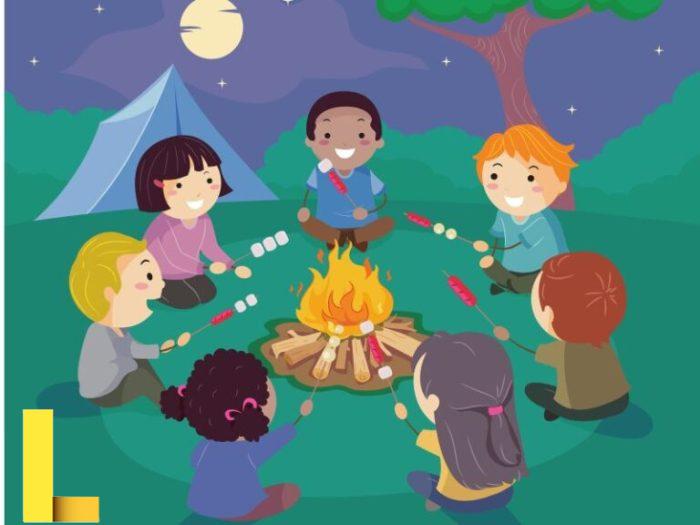
Engaging in diverse recreational pursuits is fundamental for students’ holistic development, offering a crucial balance to academic demands. These activities foster physical well-being, mental resilience, and social skills, preparing students for various life challenges beyond the classroom.
This section delves into the vast landscape of recreational opportunities available, categorizing them to highlight their unique benefits and accessibility. From structured sports to individual creative endeavors, the aim is to showcase how varied engagements contribute to a richer, more balanced student life, encouraging exploration and personal growth.
Categorizing Recreational Activities for Students
Recreational activities for students can be broadly categorized based on their nature and environment, ensuring a wide array of options to suit different interests and aptitudes. Understanding these categories helps in identifying pursuits that align with individual preferences and developmental goals.
-
Indoor Activities: These pursuits are typically conducted within enclosed spaces, making them suitable for all weather conditions and often focusing on mental engagement, fine motor skills, or social interaction in a controlled environment.
- Board game clubs (e.g., chess, Settlers of Catan, Dungeons & Dragons)
- Robotics and coding workshops
- Art and craft sessions (e.g., pottery, knitting, painting)
- Debate societies and book clubs
- Indoor rock climbing gyms
-
Outdoor Activities: Embracing the natural environment, outdoor activities promote physical health, environmental awareness, and often a sense of adventure. They encourage exploration and appreciation for nature’s beauty.
- Hiking and nature walks in local parks or trails
- Cycling and mountain biking
- Community gardening projects
- Outdoor photography excursions
- Birdwatching and wildlife observation
-
Active Pursuits: Characterized by physical exertion and movement, active recreation is vital for cardiovascular health, strength, and coordination. These activities can be individual or team-based, promoting discipline and endurance.
- Team sports (e.g., basketball, soccer, volleyball, ultimate frisbee)
- Individual sports (e.g., swimming, running, martial arts, tennis)
- Dance classes (e.g., hip-hop, ballet, contemporary)
- Yoga and Pilates for flexibility and core strength
- Gym workouts and fitness training
-
Creative Engagements: These activities stimulate imagination, self-expression, and problem-solving through artistic or inventive processes. They allow students to develop unique talents and express their individuality.
- Creative writing (poetry, short stories, scriptwriting)
- Music production and instrument learning
- Drama and theater groups
- Digital art and graphic design
- DIY projects and upcycling crafts
Popular Recreational Activities: Team Sports and Individual Hobbies
Students benefit immensely from both collaborative team sports and self-directed individual hobbies, each offering distinct advantages for personal development. The following table highlights a selection of popular activities, detailing their type, necessary equipment, and the key skills they help cultivate.
Prioritizing diverse recreational activities is essential for students’ holistic development and stress management. Conveniently, the cornelius recreation center provides an array of programs and facilities, offering excellent avenues for students to explore new hobbies, connect with peers, and maintain a healthy lifestyle beyond their academic commitments.
| Activity Name | Type | Required Equipment | Key Skill Benefit |
|---|---|---|---|
| Basketball | Team | Basketball, athletic shoes, appropriate attire | Teamwork, coordination, strategic thinking, cardiovascular fitness |
| Chess | Individual | Chess board and pieces | Critical thinking, problem-solving, patience, foresight |
| Swimming | Individual | Swimsuit, goggles, swim cap (optional) | Endurance, full-body strength, discipline, stress reduction |
| Soccer (Football) | Team | Soccer ball, cleats, shin guards | Collaboration, agility, communication, endurance |
| Photography | Individual | Camera (phone or DSLR), editing software (optional) | Creativity, observation skills, attention to detail, technical proficiency |
| Rock Climbing | Individual / Team (spotting) | Climbing shoes, harness, chalk bag, belay device (gyms provide most) | Physical strength, mental focus, problem-solving, trust |
| Debate Club | Team | Research materials, strong voice, logical arguments | Public speaking, critical analysis, persuasive communication, research skills |
| Yoga | Individual | Yoga mat, comfortable clothing | Flexibility, balance, mindfulness, stress management |
Accessible Recreation: Low-Cost and Free Options
Access to enriching recreational activities should not be limited by financial constraints. Many valuable and engaging options are available at little to no cost, making them highly accessible for all students. These activities often leverage community resources, natural environments, or simple, everyday items.
The characteristics of low-cost or free recreational options typically include reliance on public spaces, minimal specialized equipment, and the ability to be self-initiated or community-supported. They often encourage creativity in resource utilization and foster a sense of local engagement.
- Exploring local public parks and nature trails for walking, jogging, or cycling. Many cities offer extensive networks of free-access green spaces.
- Utilizing public libraries for access to books, magazines, movies, and sometimes even free workshops or cultural events. Libraries are hubs for learning and quiet recreation.
- Participating in free community events, such as local festivals, outdoor concerts, or volunteer days. These events offer social interaction and cultural exposure.
- Organizing informal sports or games with friends in a backyard or public field, requiring only basic equipment like a ball or frisbee.
- Engaging in creative pursuits using readily available materials, such as sketching with pencils and paper, writing stories, or learning an instrument through free online tutorials.
- Starting a student-led club based on a shared interest, such as a hiking club, a board game group, or a book club, which primarily requires time and enthusiasm.
“The best things in life are often free, and this holds true for many of the most rewarding recreational experiences that build character and community.”
An Outdoor Adventure: Hiking the Summit Trail, Recreational activities for students
The crisp morning air carried the scent of pine and damp earth as a group of five students, clad in sturdy hiking boots and comfortable layers, embarked on the winding Summit Trail. Sunlight dappled through the dense canopy of ancient firs and towering redwoods, casting intricate patterns on the forest floor. Laughter echoed softly as Maya, with her bright yellow backpack, pointed out a curious mushroom cluster, while Ben, ever the naturalist, identified the call of a distant Steller’s Jay.
As the trail ascended, their conversations shifted from lighthearted banter to shared encouragement. Liam, who initially lagged, found renewed energy from Sarah’s steady pace and encouraging words, “Almost there, Liam! The view from the top is absolutely worth it.” The path narrowed in places, revealing glimpses of the valley below, a patchwork of vibrant greens and distant urban sprawl that seemed a world away.
They navigated rocky outcrops and crossed babbling brooks, the rhythmic crunch of gravel underfoot providing a meditative backdrop to their journey. Upon reaching a clearing, a panoramic vista unfolded before them – rolling hills stretching to the horizon, a shimmering river snaking through the landscape, and the vast, azure sky above. They paused, sharing snacks and quiet awe, their faces illuminated by the morning sun, a tangible sense of accomplishment and camaraderie filling the air.
This shared experience, away from screens and schedules, forged stronger bonds and instilled a deep appreciation for the raw beauty of the natural world.
Impact on Student Well-being and Development

Engaging in diverse recreational pursuits offers profound benefits that extend far beyond simple leisure, significantly shaping a student’s overall well-being and fostering holistic development. These activities provide crucial outlets for physical exertion, mental rejuvenation, and social interaction, all of which are fundamental components of a balanced and healthy student life. By integrating regular recreational engagement, educational institutions can contribute substantially to nurturing resilient, well-adjusted, and high-achieving individuals.Regular involvement in active recreation is instrumental in building a strong foundation for students’ physical health.
Activities such as team sports, hiking, swimming, or even active games contribute directly to improved cardiovascular fitness, enhanced muscular strength and endurance, and better flexibility. This consistent physical engagement helps in maintaining a healthy weight, reducing the risk of obesity and related health issues like type 2 diabetes and hypertension, which are increasingly prevalent among younger populations. Furthermore, regular exercise strengthens the immune system, leading to fewer sick days and greater attendance in academic settings, thereby ensuring students can fully participate in their learning journey.
Mental and Emotional Fortitude
Leisure activities play a critical role in nurturing students’ mental and emotional health, providing essential mechanisms for coping with academic pressures and daily stressors. The structured yet enjoyable nature of recreational pursuits offers a necessary break from intellectual demands, allowing the mind to rest and recharge.
- Stress Reduction: Participating in physical activities releases endorphins, natural mood elevators that effectively reduce feelings of stress and anxiety. Engaging in hobbies or sports provides a constructive outlet for pent-up energy and tension, promoting a sense of calm and well-being.
- Improved Mood: Regular recreational engagement is strongly linked to an uplifted mood and increased feelings of happiness. The sense of accomplishment derived from mastering a new skill or performing well in a team activity significantly boosts self-esteem and overall life satisfaction.
- Enhanced Cognitive Function: While seemingly a break from academics, recreation can indirectly improve cognitive functions. Activities that require strategic thinking, problem-solving, or fine motor skills, such as chess, puzzles, or certain sports, sharpen mental acuity and focus.
- Better Sleep Quality: Physical activity during the day helps regulate sleep patterns, leading to deeper and more restorative sleep. Adequate sleep is vital for memory consolidation, concentration, and emotional regulation, directly benefiting academic performance.
- Increased Resilience: Overcoming challenges in recreational settings, whether it’s learning a new sport or completing a demanding hike, builds resilience. Students learn to persevere through difficulties, adapt to changing circumstances, and bounce back from setbacks, skills that are transferable to all aspects of life.
Social Cohesion and Skill Development
Participation in group recreational activities is a powerful catalyst for developing crucial social skills, fostering teamwork, and cultivating a strong sense of community among students. These shared experiences move beyond individual achievement, emphasizing collaboration and mutual support.When students engage in team sports like basketball or volleyball, or participate in group-oriented activities such as drama clubs or outdoor adventure trips, they learn to communicate effectively, negotiate differences, and work towards a common goal.
Providing varied recreational opportunities is vital for fostering a balanced student life. These activities often thrive in communal outdoor settings, where a robust gray picnic table can serve as an ideal spot for collaborative projects, casual dining, or simply unwinding between classes. Such practical fixtures greatly contribute to a vibrant campus environment for student engagement.
This environment naturally teaches empathy, compromise, and leadership, as students take on various roles within the group. The shared successes and challenges encountered during these activities forge strong bonds, creating a supportive peer network. This sense of belonging is vital for psychological well-being, reducing feelings of isolation and promoting a positive school culture where every student feels valued and connected.
Engaging in diverse recreational activities is truly beneficial for student well-being and development. For those seeking convenient, active fun right at home, exploring options for home recreation pools can provide an excellent solution. Such personal amenities offer accessible avenues for physical activity and relaxation, significantly enriching the overall student experience and promoting a balanced, healthy lifestyle.
“Recreation is not a mere diversion but a vital ingredient in the recipe for human growth and development, particularly for young minds navigating the complexities of education and self-discovery.”
Indirect Academic Advancement
While not directly classroom-based, balanced recreational pursuits contribute significantly to students’ academic success through indirect yet powerful mechanisms. The benefits gained from leisure activities create a more conducive environment for learning and academic achievement.Improved physical health means students are more energetic and less prone to illness, allowing for consistent attendance and focus in class. Enhanced mental and emotional well-being, including stress reduction and better mood, translates into improved concentration, better memory retention, and a more positive attitude towards learning.
Students who are well-rested and emotionally balanced are better equipped to tackle complex academic challenges, manage their time effectively, and engage more actively in classroom discussions. Moreover, the development of skills like problem-solving, strategic thinking, and teamwork in recreational settings often transfers to academic contexts, enabling students to approach assignments and projects with greater creativity and collaborative spirit. For instance, a student who consistently participates in a school debate club might find their critical thinking and public speaking skills greatly improved, directly benefiting their performance in English or social studies classes.
Last Word
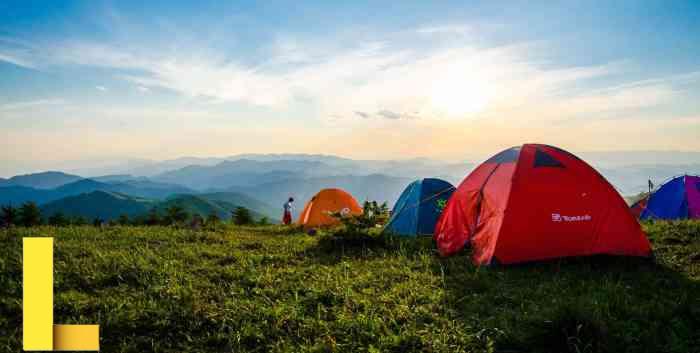
Ultimately, the emphasis on recreational activities for students underscores a commitment to nurturing individuals who are not only academically proficient but also physically healthy, mentally balanced, and socially adept. By providing varied opportunities and fostering an inclusive environment, educational institutions empower students to discover new passions, build lasting connections, and develop essential life skills, ensuring a richer, more fulfilling educational journey and preparing them for successful futures.
FAQ: Recreational Activities For Students
How can students balance recreational activities with academic responsibilities?
Effective time management and prioritizing are key. Students should schedule recreation just like classes, setting aside specific times to ensure both academic and leisure pursuits are given due attention without one overshadowing the other.
Are there recreational activities suitable for students with limited mobility or disabilities?
Absolutely. Many institutions offer adaptive sports and inclusive activities, such as wheelchair basketball, accessible nature walks, or art therapy, designed to accommodate all students and ensure everyone can participate meaningfully.
What if a student feels shy or unconfident about joining new recreational groups?
It is common to feel hesitant. Starting with a low-commitment activity, attending open house events, or joining with a friend can ease the transition. Many clubs also have welcoming committees to help new members integrate smoothly.
Can participation in recreational activities benefit a student’s future career prospects?
Indeed. Engaging in recreational activities develops valuable soft skills such as teamwork, leadership, problem-solving, and communication—qualities highly sought after by employers. It also provides opportunities for networking and demonstrating initiative.

