

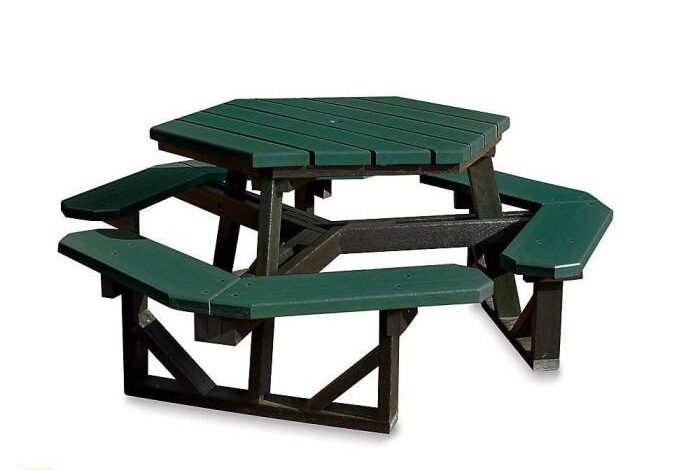
Recycled picnic table represents a thoughtful evolution in outdoor furniture, offering a compelling blend of environmental responsibility and practical utility. This innovative approach transforms discarded materials into durable, aesthetically pleasing pieces, inviting us to reconsider our relationship with waste and public spaces.
These tables are primarily crafted from repurposed plastics, metals, and composite wood, undergoing a meticulous transformation from post-consumer waste into robust lumber. Beyond their sustainable origins, they boast significant advantages in durability, weather resistance, and minimal maintenance compared to traditional wood, making them ideal for diverse climates and heavy public use. Their integration into parks, schools, and community gardens not only provides functional gathering points but also actively promotes a circular economy model, fostering sustainability awareness.
Sustainable Materials and Crafting Process
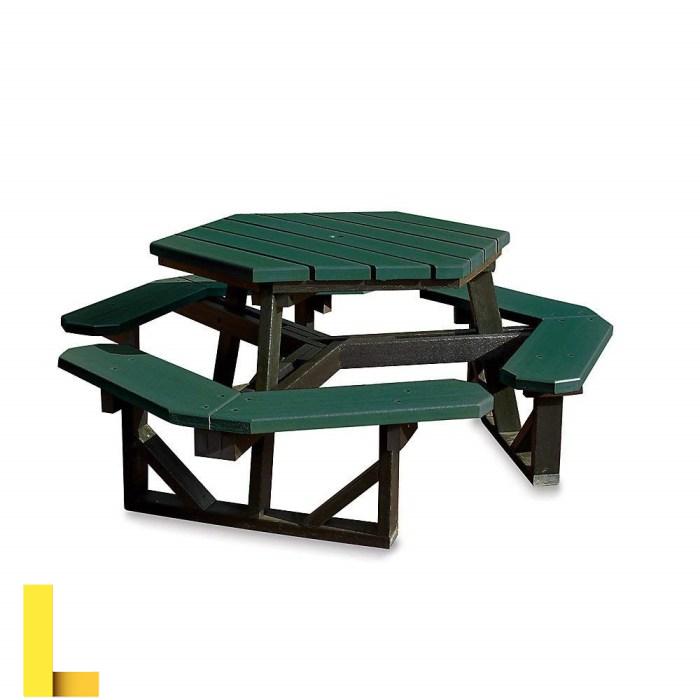
The journey of a recycled picnic table begins long before its assembly, rooted in the careful selection and transformation of discarded materials. This process not only diverts waste from landfills but also conserves natural resources, offering a tangible example of circular economy principles in action. Crafting durable outdoor furniture from repurposed items presents an innovative approach to sustainability, marrying ecological responsibility with practical design.Understanding the origins and transformations of these materials is crucial to appreciating the value and resilience of the final product.
The shift towards utilizing post-consumer and post-industrial waste streams has revolutionized manufacturing, proving that discarded items possess inherent value waiting to be unlocked.
Repurposed Materials for Outdoor Furniture
Outdoor furniture benefits significantly from the inherent durability and weather resistance of certain recycled materials. Plastics, metals, and composite wood are particularly well-suited for this application, each contributing unique properties to the final product while reducing environmental impact. The careful sorting and processing of these materials ensure their quality and suitability for a second life.
| Material Type | Original Source | Common Form After Recycling |
|---|---|---|
| Plastics (e.g., HDPE, LDPE, PP) | Milk jugs, detergent bottles, bottle caps, plastic bags, food containers | Recycled plastic lumber (RPL), pellets, sheets, fibers |
| Metals (e.g., Aluminum, Steel) | Beverage cans, automotive parts, structural steel, appliances | Ingots, sheets, bars, tubes, castings |
| Composite Wood (WPC) | Sawdust, wood chips, plastic waste (e.g., HDPE, PP) | Decking boards, fence posts, structural profiles |
Transforming Post-Consumer Plastic into Durable Lumber, Recycled picnic table
The conversion of post-consumer plastic waste into robust, weather-resistant lumber is a testament to modern recycling technology. This intricate process ensures that what was once considered trash gains a new life as a high-performance building material, ideal for outdoor applications like picnic tables. The resulting recycled plastic lumber (RPL) offers superior longevity and minimal maintenance compared to traditional wood.The process typically begins with the collection of various plastic types, such as High-Density Polyethylene (HDPE) from milk jugs or Low-Density Polyethylene (LDPE) from plastic bags.
These collected plastics undergo rigorous sorting to separate different polymer types and remove contaminants. Following sorting, the plastics are shredded into flakes, which are then thoroughly washed to eliminate any remaining impurities like labels, dirt, or food residue. After drying, these clean plastic flakes are melted down at controlled temperatures. The molten plastic is then extruded through a die, forming continuous profiles that mimic traditional lumber dimensions, such as 2x4s or 4x4s.
During extrusion, additives like UV stabilizers and colorants can be incorporated to enhance the material’s performance and aesthetics. Cooling chambers solidify the extruded profiles, which are then cut to desired lengths, ready for fabrication.
“Recycled plastic lumber offers an exceptional lifespan, often exceeding 50 years, making it a truly sustainable choice for outdoor furniture that withstands the elements without rotting, splintering, or requiring painting.”
A Visual Scenario: Sorted Plastic Treasures
Imagine an illustration depicting a vibrant, colorful mountain of sorted plastic waste, meticulously prepared for its next transformation. The scene is awash with an array of hues: brilliant blues from detergent bottles, milky whites from gallon jugs, clear greens from soda bottles, and a mosaic of reds, yellows, and oranges from various bottle caps. Each piece, from the smallest cap to the largest container, is clean and separated by type, showcasing the meticulous effort involved in the initial stages of recycling.
Sunlight catches the smooth surfaces, creating a sparkling effect that belies their humble origins. This organized chaos symbolizes the potential within discarded materials, ready to be melted down and reformed into something entirely new and valuable. The pile itself could be contained within large, clear bins, emphasizing transparency and the journey from waste to resource.
Key Manufacturing Techniques for Recycled Plastic Lumber Tables
Constructing furniture from recycled plastic lumber involves manufacturing techniques that are remarkably similar to those used for traditional wood, yet with specific considerations for the material’s unique properties. Precision and appropriate tooling are essential to ensure the longevity and structural integrity of the final product. These methods allow for efficient production while maintaining high quality standards.Cutting recycled plastic lumber requires sharp, fine-toothed blades, similar to those used for hardwoods, to achieve clean edges and prevent melting or excessive friction.
Standard woodworking saws, such as circular saws, miter saws, and table saws, are commonly employed. Drilling operations utilize standard drill bits, though it is often recommended to use slower speeds and apply less pressure than with wood to avoid overheating the plastic, which can lead to melting or burring. Fastening methods are critical for structural stability. Stainless steel or coated screws and bolts are preferred to prevent corrosion, which could otherwise stain the plastic or compromise the joint over time.
Pre-drilling pilot holes is essential to prevent splitting, especially near the ends of the plastic lumber. Additionally, the thermal expansion and contraction of plastic should be considered in design, sometimes necessitating slightly oversized pilot holes or specific fastening patterns to accommodate movement.
Assembling a Standard Rectangular Outdoor Table Frame
Assembling an outdoor table frame from pre-fabricated recycled plastic lumber components is a straightforward process, designed for efficiency and durability. Following a systematic procedure ensures the table’s structural integrity and stability, providing a long-lasting piece of furniture for various outdoor settings. This step-by-step guide Artikels the typical assembly sequence.* Step 1: Attach Legs to Apron Sides. Begin by positioning two leg pieces upright.
Align an apron side piece (the shorter frame component) between the tops of these two legs, ensuring the pre-drilled holes match. Securely fasten the apron to the legs using the specified stainless steel screws or bolts, ensuring all connections are tight but not over-torqued. Repeat this process for the remaining two legs and the other apron side, creating two identical end assemblies.
Step 2
Connect End Assemblies with Long Aprons. Place the two assembled ends parallel to each other, separated by the length of the table. Position the longer apron pieces (the main frame components) between the top edges of the legs, connecting the two end assemblies. Align the pre-drilled holes and secure these long aprons to the legs using the appropriate fasteners.
Step 3
Install Center Support Beams (if applicable). For larger tables or those requiring extra support for the tabletop, insert any pre-cut center support beams or cross-braces within the rectangular frame. These are typically fastened to the inside of the long apron pieces or to designated connection points, providing additional rigidity.
Step 4
Verify Squareness and Tighten All Fasteners. Before proceeding to tabletop installation, gently rock the frame to check for any wobbling. Use a carpenter’s square to confirm that all corners are at 90-degree angles. Once satisfied with the alignment, double-check and securely tighten all screws and bolts, ensuring a robust and stable foundation for the tabletop.
Advantages and Aesthetic Appeal

The shift towards sustainable materials in outdoor furniture design offers significant benefits, extending beyond mere environmental stewardship to encompass enhanced durability and diverse aesthetic possibilities. Recycled picnic tables, crafted from repurposed plastic lumber, stand as prime examples of how innovative material use can redefine outdoor living spaces, providing both practical advantages and appealing visual characteristics that cater to modern demands for eco-conscious yet stylish solutions.
Environmental Benefits of Repurposed Materials
Utilizing repurposed materials for outdoor furniture, especially for items like picnic tables, presents several primary environmental advantages compared to relying on virgin resources. This approach significantly reduces the ecological footprint associated with manufacturing and material acquisition.
- Waste Diversion: A substantial volume of plastic waste, which would otherwise end up in landfills or pollute natural environments, is given a new purpose. This directly addresses the global challenge of plastic accumulation.
- Reduced Resource Consumption: Manufacturing recycled plastic lumber requires considerably less energy and water compared to producing new plastic from fossil fuels or harvesting virgin timber for wooden furniture.
- Conservation of Natural Resources: Opting for recycled materials lessens the demand for virgin timber, thereby contributing to the preservation of forests and their vital ecosystems. This helps mitigate deforestation and supports biodiversity.
- Lower Carbon Footprint: The production process for recycled plastic lumber generally results in fewer greenhouse gas emissions, as it avoids the energy-intensive extraction and processing of raw materials.
- Minimized Pollution: Repurposing materials reduces the need for new material extraction, which often involves mining or logging activities that can lead to habitat destruction and pollution.
Maintenance Comparison: Recycled Plastic Lumber vs. Traditional Wood
The long-term upkeep of outdoor furniture is a crucial consideration for consumers. Tables made from recycled plastic lumber offer distinct advantages in maintenance requirements when compared to those crafted from traditional wood.
Here is a detailed comparison of maintenance aspects:
| Aspect | Recycled Plastic Lumber | Traditional Wood |
|---|---|---|
| Sealing/Staining | Not required. The material is non-porous and inherently resistant to moisture absorption. | Requires regular sealing or staining (typically annually or bi-annually) to protect against moisture, UV damage, and rot. |
| Painting | Not necessary. Colors are often integrated throughout the material, resisting fading and chipping. Can be painted for aesthetic changes, but not for protection. | May require periodic painting to refresh appearance and provide an additional layer of protection against elements. Paint can chip or peel over time. |
| Resistance to Rot & Decay | Completely impervious to rot, mold, and mildew due to its non-organic composition. | Highly susceptible to rot and decay, especially in damp environments, if not regularly treated and maintained. |
| Insect Infestation | Unaffected by termites, carpenter ants, or other wood-boring insects as it contains no organic material. | Vulnerable to insect infestations, which can compromise structural integrity over time. Requires preventative treatments. |
| Cleaning | Easy to clean with soap and water, or a pressure washer. Stains wipe off readily. | May require scrubbing, sanding, or specialized cleaners for deep stains or mildew. Can absorb stains if not sealed properly. |
| Splintering | Does not splinter, making it safer for families and public spaces. | Prone to splintering over time, especially with exposure to weather, requiring sanding. |
Durability and Weather Resistance of Recycled Materials
Tables constructed from recycled plastic materials demonstrate exceptional long-term durability and weather resistance across a wide spectrum of climates, making them an ideal choice for outdoor applications. Unlike wood, which can warp, crack, or rot, recycled plastic lumber maintains its structural integrity and appearance even under harsh conditions. For instance, a picnic table made from recycled HDPE (High-Density Polyethylene) can withstand prolonged exposure to intense UV radiation in sunny desert climates without significant fading or degradation.
Similarly, in humid coastal regions, it remains impervious to salt spray and moisture, preventing the mold and mildew issues common with traditional wood. During freezing winters, the material resists cracking or becoming brittle, a problem often encountered with less resilient materials. This inherent resistance to environmental stressors ensures a significantly longer lifespan and consistent performance compared to traditional wood, which typically requires intensive maintenance to achieve similar longevity.
“The inherent properties of recycled plastic lumber—its non-porous nature and resistance to UV, moisture, and pests—establish it as a superior material for enduring outdoor furniture, offering unparalleled longevity with minimal upkeep.”
Concept for a Multi-functional Outdoor Table
Leveraging the unique properties of recycled plastic, a multi-functional outdoor table can be designed to enhance usability and adapt to various needs. Consider a “Modular Oasis Table” concept: this large picnic-style table would feature a central, removable section that, when lifted, reveals integrated storage compartments. These compartments, seamlessly molded from the same recycled plastic, could be used for storing cushions, outdoor games, or even as insulated coolers for beverages, capitalizing on plastic’s thermal properties and ease of cleaning.
The table’s ends would incorporate pull-out bench extensions, allowing for flexible seating arrangements. When extended, these benches could accommodate larger gatherings; when retracted, they tuck neatly into the table’s frame, creating a more compact footprint. The table’s surface could also feature integrated, flush-mounted charging ports, powered by a discreet solar panel, showcasing the material’s ability to house electronics safely and weather-resistantly.
This design maximizes utility while highlighting the material’s durability, water resistance, and versatility in form.
Diverse Aesthetic Styles with Repurposed Lumber
The availability of diverse color variations and textures in repurposed lumber provides designers with extensive opportunities to create a wide array of aesthetic styles for outdoor furniture. Recycled plastic lumber is not limited to muted, earthy tones; it can be produced in a vibrant spectrum of colors, from bold primary hues like bright red or electric blue to sophisticated pastels and deep, rich shades resembling exotic woods.
This allows for furniture that can either blend seamlessly into natural landscapes or stand out as a striking focal point. For instance, a minimalist, modern aesthetic can be achieved with sleek, unadorned tables in charcoal grey or crisp white, featuring smooth, uniform textures. Conversely, a more rustic or traditional look can be created using lumber embossed with realistic wood grain patterns in natural browns or greens, mimicking the charm of timber without its maintenance demands.
The ability to mix and match colors within a single piece, such as a multi-colored slat design for a bench or table top, further expands creative possibilities, enabling designers to craft furniture that truly reflects specific design visions and complements various architectural styles, from contemporary urban patios to classic garden settings.
Illustration Scenario: Modern, Brightly Colored Outdoor Table in a Park
Imagine a vibrant, sun-drenched urban park on a clear afternoon. In the foreground, a modern outdoor picnic table set, constructed entirely from recycled plastic lumber, takes center stage. The table itself is a brilliant, cheerful lime green, its surface smooth and inviting. Flanking it are two matching benches, one in a complementary sky blue and the other in a warm, sunny yellow, creating a playful yet sophisticated color palette.
The design is sleek and contemporary, with clean lines and a robust, sturdy appearance that clearly indicates its durability. Scattered around the table are four children, aged between five and ten, engrossed in various activities. One child, wearing a bright orange t-shirt, is meticulously building a towering structure of colorful building blocks on the lime green tabletop, his tongue poking out in concentration.
Another child, with pigtails, is giggling as she tries to balance a small, red toy car on the edge of the sky blue bench. Two older children are sharing a comic book, their heads close together, comfortably seated on the sunny yellow bench, their backpacks resting neatly beneath. The ground beneath the table is a soft, well-maintained patch of green grass, with dappled sunlight filtering through the mature oak trees that frame the scene.
In the background, other park-goers enjoy the serene environment, hinting at the table’s role as a communal, joyful gathering spot. The table’s bright colors stand out vividly against the natural greens and browns of the park, making it an attractive and functional hub for family fun and community interaction.
Community Integration and Longevity

Recycled picnic tables are proving to be invaluable assets in enhancing public spaces, seamlessly blending environmental stewardship with practical utility. Their deployment in various community settings not only provides functional gathering points but also serves as a tangible demonstration of sustainable practices. These tables are particularly effective in areas designed for public interaction and recreation, contributing significantly to the social fabric and overall well-being of a community.The integration of furniture made from repurposed materials into public areas like parks, schools, and community gardens offers numerous benefits.
They provide durable, low-maintenance solutions for outdoor seating and dining, encouraging people to spend more time outdoors and engage with their surroundings. This thoughtful placement transforms underutilized spaces into vibrant hubs for social interaction, fostering a stronger sense of community and shared responsibility.
Public Spaces and Community Engagement
Tables constructed from recycled materials find their most impactful utilization in diverse public environments. In local parks, they offer inviting spots for families to enjoy picnics, friends to gather for casual conversations, or individuals to simply relax amidst nature. Schools benefit by providing students with outdoor learning spaces or lunch areas that are both robust and environmentally conscious, subtly educating them on sustainability.
Community gardens, often central to local food initiatives and green spaces, are ideal locations for these tables, enabling gardeners and visitors to rest, share meals, or hold meetings in an inspiring, green setting.These tables play a crucial role in fostering community gathering and actively promoting sustainable practices within public areas. By offering accessible and comfortable seating, they naturally encourage people to congregate, share experiences, and build connections.
The very presence of furniture made from repurposed materials acts as a quiet, yet powerful, statement about environmental responsibility, prompting discussions and raising awareness about waste reduction and the circular economy among residents. They become symbols of a community’s commitment to both social cohesion and ecological health.
Optimal Location Selection for Public Park Tables
Selecting the ideal location for installing a new outdoor table in a public park requires careful consideration to maximize its utility and ensure accessibility for all community members. Strategic placement enhances the table’s value as a gathering point and ensures it serves the diverse needs of park visitors effectively.Key considerations for placement include:
- Accessibility: The table should be easily reachable for individuals of all mobilities, including those using wheelchairs or strollers. This means proximity to paved paths, gentle slopes, and clear, unobstructed routes.
- Usage Patterns: Observe how people currently use the park. Placing tables near popular playgrounds, walking trails, or scenic viewpoints ensures they are utilized frequently. Consider areas where people naturally pause or congregate.
- Shade and Shelter: Positioning the table under existing trees or near a pavilion offers protection from direct sun and light rain, making it more comfortable for users throughout the day and year.
- Proximity to Amenities: Locating tables near restrooms, water fountains, or waste receptacles enhances convenience for users, promoting longer stays and better park etiquette.
- Visibility and Safety: Ensure the table is visible from various points in the park to deter misuse and enhance personal safety, especially during off-peak hours.
- Ground Stability: The chosen site should have a level and stable surface to prevent wobbling and ensure the table remains secure over time, minimizing maintenance needs.
Expected Lifespan of Recycled Plastic Lumber Tables
A well-maintained table constructed from recycled plastic lumber boasts an impressive expected lifespan, often significantly outperforming traditional wood alternatives in outdoor settings. Unlike wood, recycled plastic lumber is impervious to rot, insect infestation, and moisture damage, which are common causes of deterioration in conventional outdoor furniture. This inherent resistance contributes to its remarkable durability and longevity.Manufacturers and real-world applications suggest that a recycled plastic lumber table can easily last for 25 to 50 years, and often even longer, with minimal maintenance.
For instance, many public parks and recreation departments across North America have installed benches and tables made from recycled plastic in the early 2000s that are still in excellent condition today, requiring little more than occasional cleaning. This extended lifespan reduces the frequency of replacement, leading to long-term cost savings for municipalities and public entities. Its resistance to fading from UV exposure and graffiti also contributes to its sustained aesthetic appeal over decades of use.
Contribution to a Circular Economy Model
The use of repurposed materials, specifically recycled plastic lumber, for public furniture like picnic tables makes a substantial contribution to a circular economy model. A circular economy aims to keep resources in use for as long as possible, extract the maximum value from them whilst in use, then recover and regenerate products and materials at the end of each service life.
This stands in stark contrast to the traditional linear “take-make-dispose” economy.By transforming discarded plastics—such as milk jugs, detergent bottles, and other post-consumer and post-industrial waste—into durable, functional products, the process diverts massive amounts of material from landfills and incinerators. This reduces the demand for virgin resources, lessens energy consumption associated with new material production, and minimizes environmental pollution. The lifecycle of a recycled plastic table exemplifies this model: plastic waste is collected, processed, manufactured into lumber, used for decades, and theoretically, at the very end of its long life, can often be recycled again into new products, closing the loop.
This continuous reuse and recycling of materials represent a fundamental shift towards a more sustainable economic system.
“The circular economy is a systemic approach to economic development designed to benefit businesses, society, and the environment. In contrast to the ‘take-make-waste’ linear model, a circular economy is regenerative by design.”
Illustration Scenario: A Bustling Community Garden Table
Imagine a vibrant, sun-dappled community garden, alive with the hum of bees and the chatter of volunteers. In the heart of this verdant space stands a robust outdoor picnic table, crafted from recycled plastic lumber. Its surface, a deep, earthy brown, shows a slight, almost imperceptible weathering, a testament to years of dedicated service under the open sky. Despite countless shared meals and work sessions, it remains steadfast and sturdy, its planks perfectly aligned.
Around it, a kaleidoscope of activity unfolds. On one side, an elderly woman with a wide-brimmed hat carefully arranges freshly picked tomatoes and cucumbers, ready for a potluck lunch. Across from her, two children, their faces smudged with soil, eagerly draw pictures on scrap paper, their crayons scattered across the table’s resilient surface. A young man nearby leans against the table, engrossed in a gardening book, while in the background, towering sunflowers sway gently, and rows of leafy greens thrive.
The table’s legs, firmly rooted in the gravel, are partially obscured by flourishing nasturtiums and marigolds, their bright blooms adding a splash of color to the scene. This table is not just a piece of furniture; it is the silent anchor of the garden, a gathering point where connections are forged, knowledge is shared, and the fruits of collective labor are celebrated, embodying the spirit of sustainability and community.
Concluding Remarks: Recycled Picnic Table

Ultimately, the recycled picnic table stands as more than just a piece of furniture; it is a tangible testament to sustainable innovation. By embracing repurposed materials, these tables offer enduring functionality, aesthetic versatility, and a powerful statement about environmental stewardship. Their presence enriches public spaces, fosters community connections, and exemplifies how responsible design can contribute significantly to a healthier planet and more vibrant shared environments for generations to come.
Common Queries
Are recycled plastic picnic tables safe for children and food contact?
Yes, the plastics used are typically food-grade or non-toxic, and the manufacturing process ensures a smooth, splinter-free surface, making them safe for all users.
How does the cost of a recycled picnic table compare to a traditional wooden one?
While initial costs can sometimes be comparable or slightly higher, the long-term savings from minimal maintenance and exceptional durability often make recycled tables a more economical choice over their lifespan.
Can recycled plastic tables be recycled again at the end of their useful life?
Many recycled plastic tables are designed to be fully recyclable, contributing further to a closed-loop system and minimizing waste even after decades of use.
Do recycled plastic picnic tables get excessively hot in direct sunlight?
Lighter colors tend to reflect more sunlight and stay cooler, similar to traditional materials. Darker colors may absorb more heat, but the material itself does not retain heat to an unsafe degree.

